Ideal Humidity (40-60%): Dehumidifiers, Dry Mode & Winter Dryness

Ever wondered why 25 °C in winter feels cold while 25 °C in summer feels sweltering? The temperature is the same. The "culprit" tricking your body is the invisible water in the air: Relative Humidity (RH%).

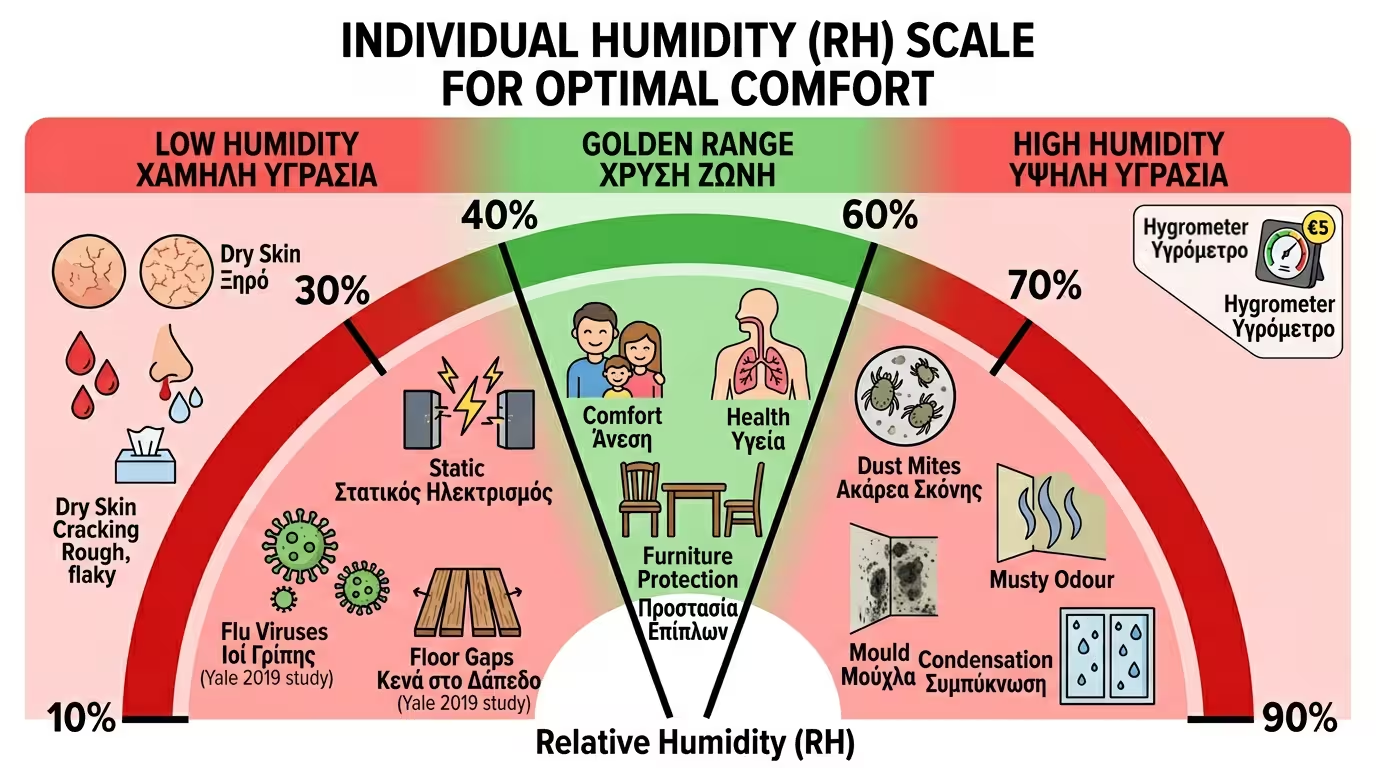
Doctors and engineers agree: indoor humidity should stay strictly between 40% and 60%. Anything above or below triggers a cascade of problems.

1. What Happens Outside the "Golden" Range?

The air around us acts like an invisible sponge - it can "soak up" a specific amount of water (vapour). This capacity changes dramatically with temperature.

Golden humidity range 40-60% - dust mites, mould, dry skin, flu viruses

🌡️ Above 60% - The Greenhouse

Air overloaded with moisture. Sweat cannot evaporate - you feel sticky and overheated. Dust mites in mattresses multiply uncontrollably and black mould begins eating walls and grout. Clothes, books and shoes develop a musty odour.
🏜️ Below 40% - The Desert

"Thirsty" air sucks moisture from everything: skin (cracks), eyes (sting), throat (dries out). Hardwood floors creak and gap. Worse still: flu viruses survive far longer in dry air (Yale 2019 studies).

⚡ Static electricity

Getting "zapped" when touching door handles? That's a sign your home humidity is below 30-35%. Static electricity causes discomfort and can damage electronics.

📏 The hygrometer - €5 lifesaver

A cheap hygrometer in your living room shows Relative Humidity in real time. Above 60%? Dehumidifier. Below 40%? Humidifier. Keeping the needle in the middle saves your health and energy bills.

2. Dehumidifier or Air-Con Dry Mode?

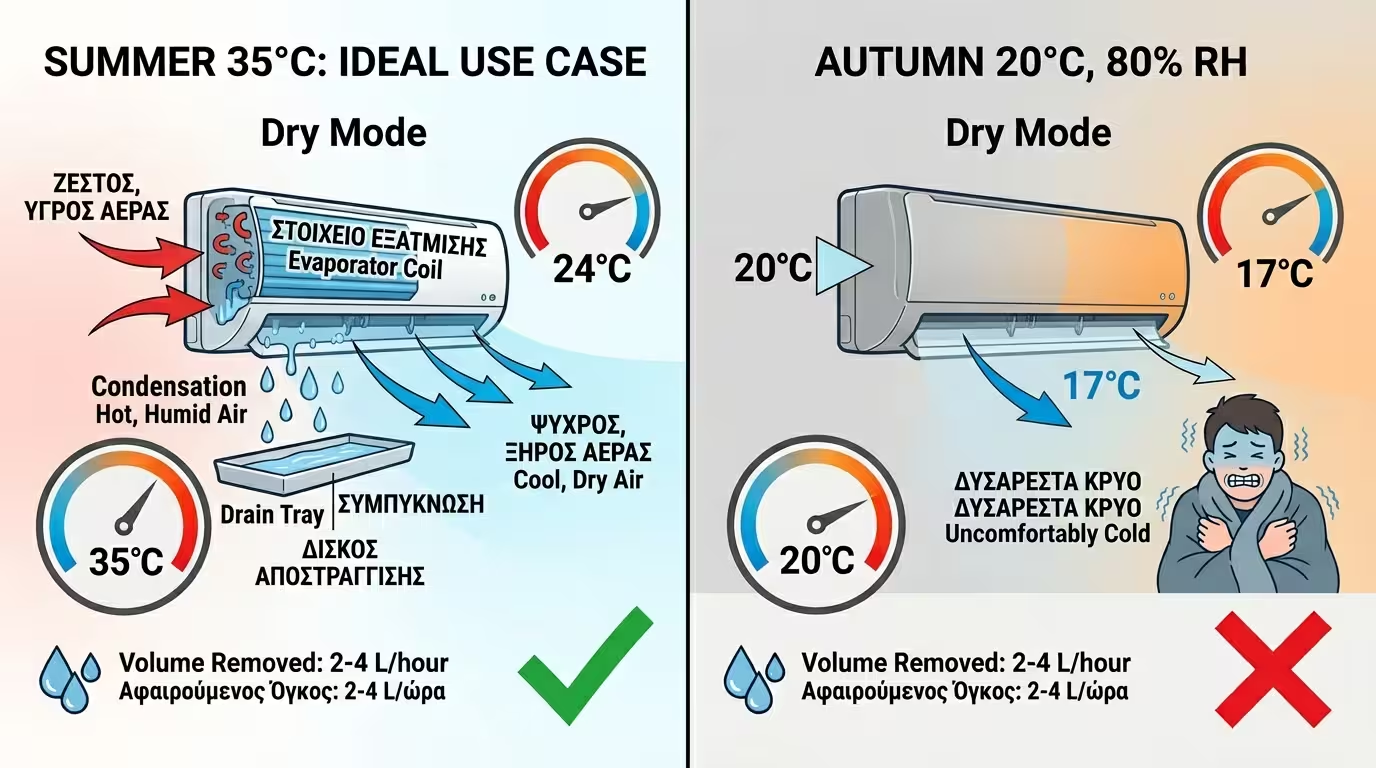
Air-con Dry Mode - water drop symbol, dehumidification with cooling

When it's hot and humid, we need to dry the air. You have two "weapons", but they do entirely different jobs.

💧 Dry Mode on the A/C

The indoor fan slows, the evaporator coil freezes. Moisture condenses and drains away. Advantage: removes massive volumes of water quickly and silently.

❄️ The Dry Mode "trap"

To remove water, the A/C must also blow cold air. At 35 °C (heatwave) - perfect! In October (20 °C, 80% RH) - it will freeze you out, dropping room temperature to 17 °C.

🏆 The standalone dehumidifier

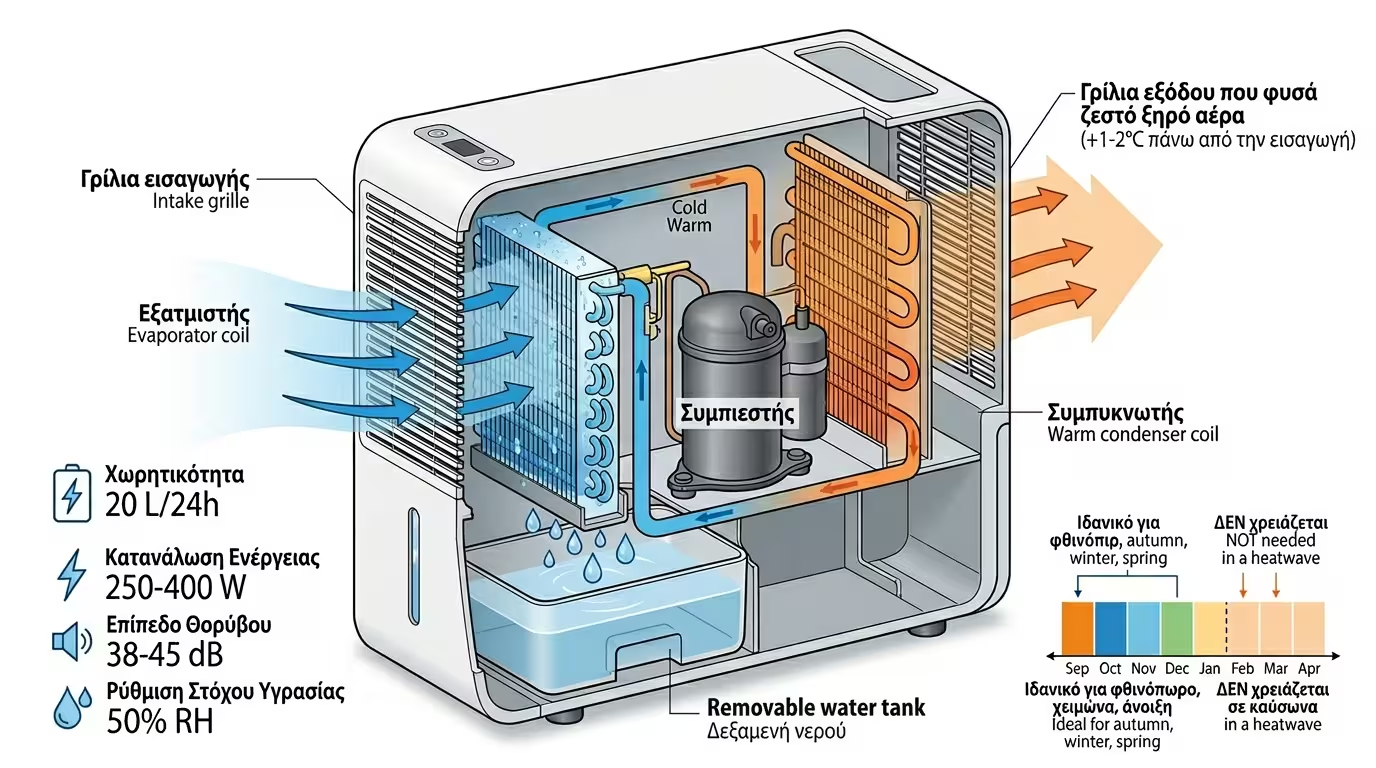
Contains a small A/C and a small heater inside. It sucks in air, chills it (→ water), reheats it and blows it out warm (+1-2 °C). The king of autumn, winter and spring.

⚡ Running costs

A household dehumidifier rated 20 L/24 h draws 250-400 W - far less than an A/C in cooling mode. It runs automatically: you set the target (e.g. 50%) and it switches off by itself.

3. The Dehumidifier: King of the Shoulder Season

Many only use a dehumidifier when "the windows are dripping". In reality, humidity at 55-60% doesn't show on glass but is already feeding dust mites, mould in hidden corners (behind wardrobes) and triggering allergies.

Compressor dehumidifier - warm air outlet, autumn and winter use

📍 Where to place it

Centrally in the home (hallway or living room), away from walls (at least 20 cm) for proper air circulation. In a bathroom or basement, ensure continuous drainage (hose to the floor drain).

🌡️ Bonus heating

The dehumidifier slightly warms the room (+1-2 °C), reducing the radiator's workload. In dry 50% air, 19 °C feels like 21 °C - you save on heating effortlessly.

👕 Laundry drying

Drying clothes indoors in winter? The dehumidifier dries them 2-3 times faster. Modern units feature a "Laundry" mode: fan on full, target 35% RH, automatic shutdown.

🔇 Noise

Modern dehumidifiers operate at 38-45 dB (library whisper). For the bedroom, choose a unit with Silent/Night Mode - below 40 dB, virtually inaudible.

4. The Winter "Trap": Why We Need Humidifiers

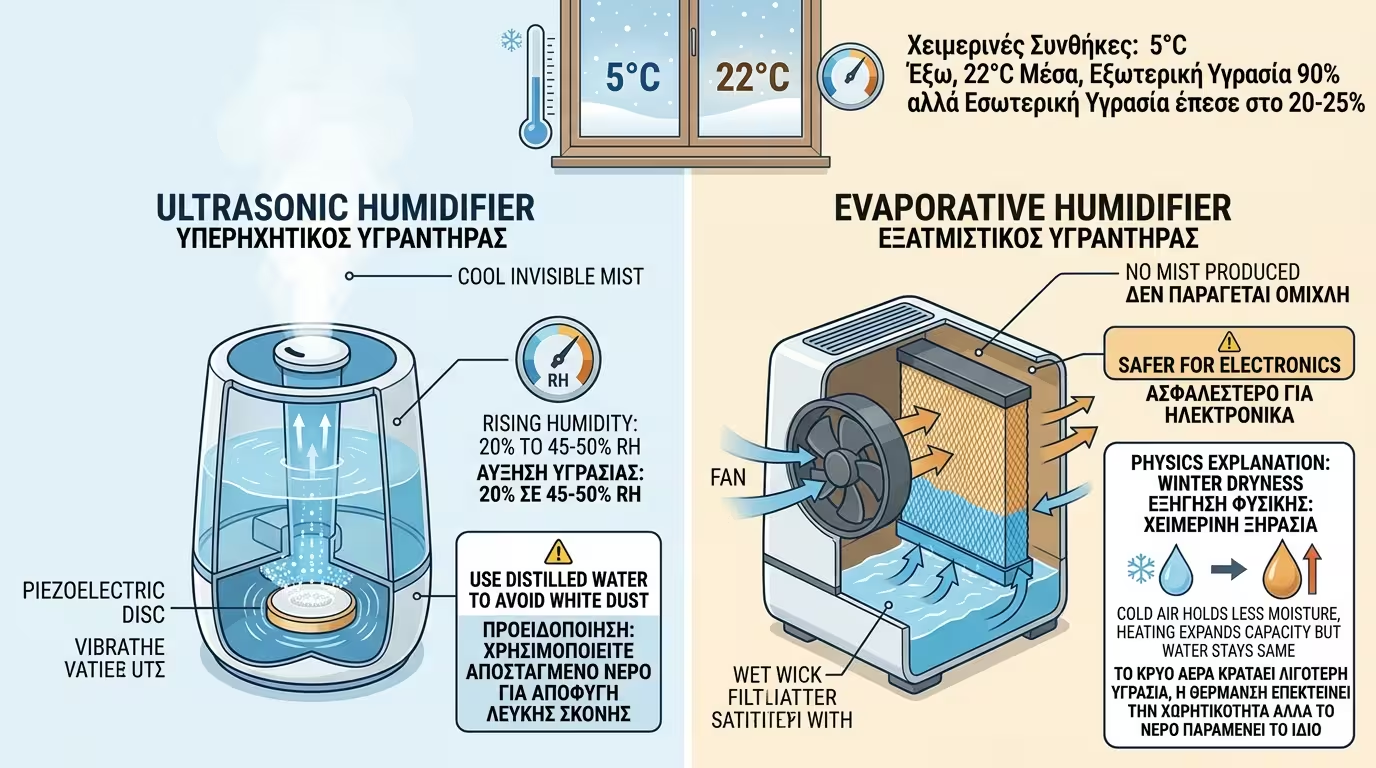
"But it's raining outside and outdoor humidity is 90% - how can it be dry indoors?" Physics explains: cold air (5 °C) holds very little moisture. When heated to 22 °C, the "sponge" expands but the water stays the same - indoor humidity plummets to 20-25%.

Ultrasonic humidifier - cool mist, winter use, 40-50% humidity, health

🩸 Dry cough & nosebleeds

Below 30% RH, mucous membranes dry out. Dry coughs at night, irritated nostrils (which often bleed in children ). Indoor plants wilt at the leaf tips.

💨 Ultrasonic humidifier

Vibrates water with ultrasound, producing a cool, invisible "mist". Restores humidity to a healthy 45-50% within hours. Tip: always use distilled/demineralised water - tap water minerals create white dust.

🔥 Evaporative humidifier

Air passes through a wet wick filter - no "mist" is produced, so no white dust. Slower but safer for rooms with electronics (office, server room).

⚠️ Over-humidification

Never run a humidifier blindly. Check with a hygrometer: if humidity exceeds 55%, stop. Otherwise, you create ideal conditions for dust mites and mould - the exact opposite of what you want!

💧 Humidity isn't a guessing game. Hygrometer (€5) + dehumidifier/humidifier = total control. Keep the needle at 40-60% and you save your health, protect your home, and slash heating and cooling bills.

Related Articles

Preview