1️⃣ Temperature sensor
Two NTC sensors continuously measure: T_indoor (extract air, e.g. 27 °C) and T_outdoor (supply air, e.g. 22 °C). The machine's controller calculates: if T_outdoor < T_indoor by ≥ 2 °C → activate bypass.
Typical Greek summer: all day the house "bakes" and the walls reach 28 °C. But in the evening, a cool breeze at 22 °C blows outside. If the VMC unit works normally, it takes this cool air, passes it through the exchanger… and warms it up to 27 °C! The free coolness is lost.
To prevent this, modern VMC units have a "hidden" feature - the Summer Bypass. An automatic damper that bypasses the exchanger and sends the cool air directly into the home, like an open window - without mosquitoes.
Inside the central VMC unit, next to the heat exchanger, there is a motorised damper. The unit has temperature sensors that continuously measure indoor and outdoor temperatures. When the outdoor temperature drops below the indoor temperature, the damper opens automatically.
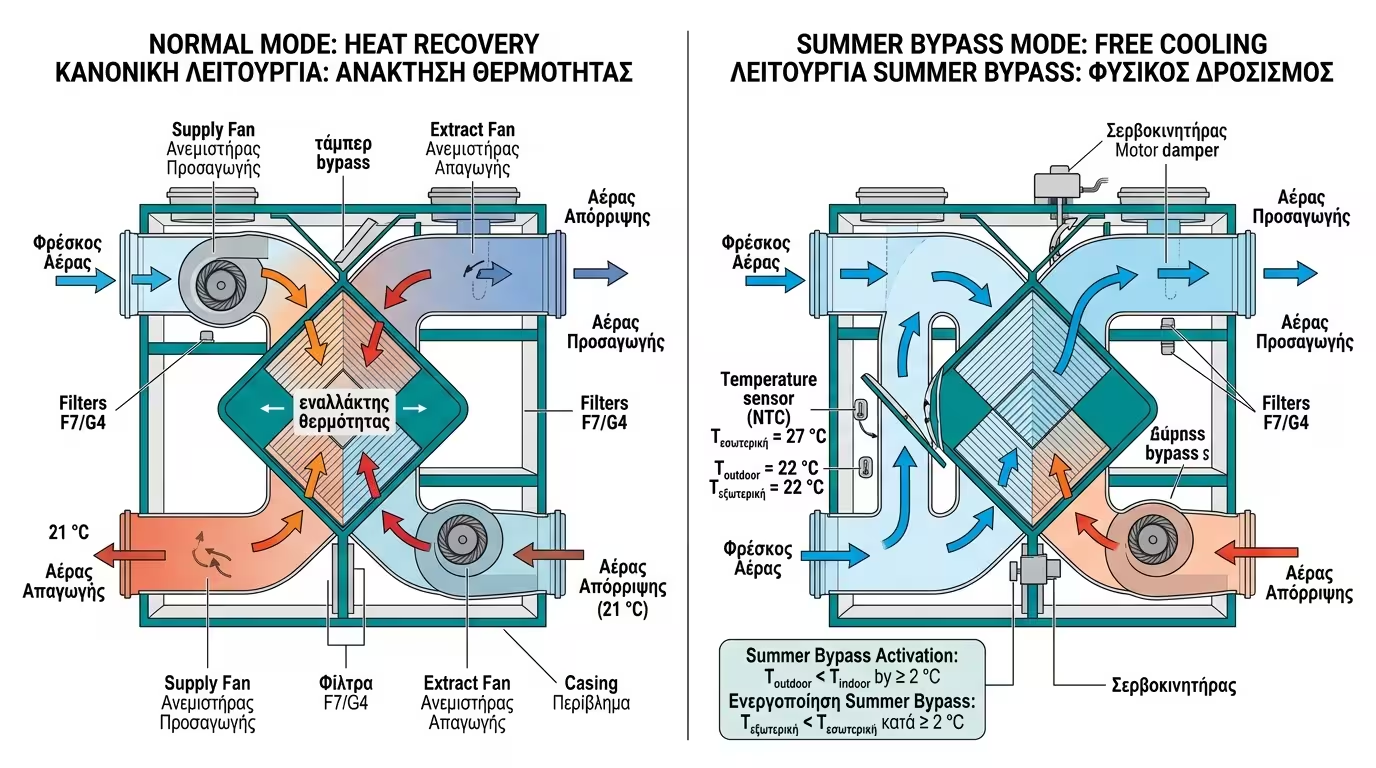
Two NTC sensors continuously measure: T_indoor (extract air, e.g. 27 °C) and T_outdoor (supply air, e.g. 22 °C). The machine's controller calculates: if T_outdoor < T_indoor by ≥ 2 °C → activate bypass.
The servo motor opens the bypass damper. The fresh, cool outdoor air now bypasses the exchanger - it no longer gets warmed up. It enters directly into bedrooms and living room at 22 °C.
The home temperature drops gradually and for free - the fans consume just 5-15 W (like an LED bulb). No air conditioning needed! Meanwhile, the dirty hot air continues to be extracted and expelled outside.
In the morning, as soon as the outdoor temperature exceeds the indoor (e.g. rises to 30 °C), the controller automatically closes the bypass. Air is forced back through the exchanger - the heatwave stays outside. Everything 100% automatic.
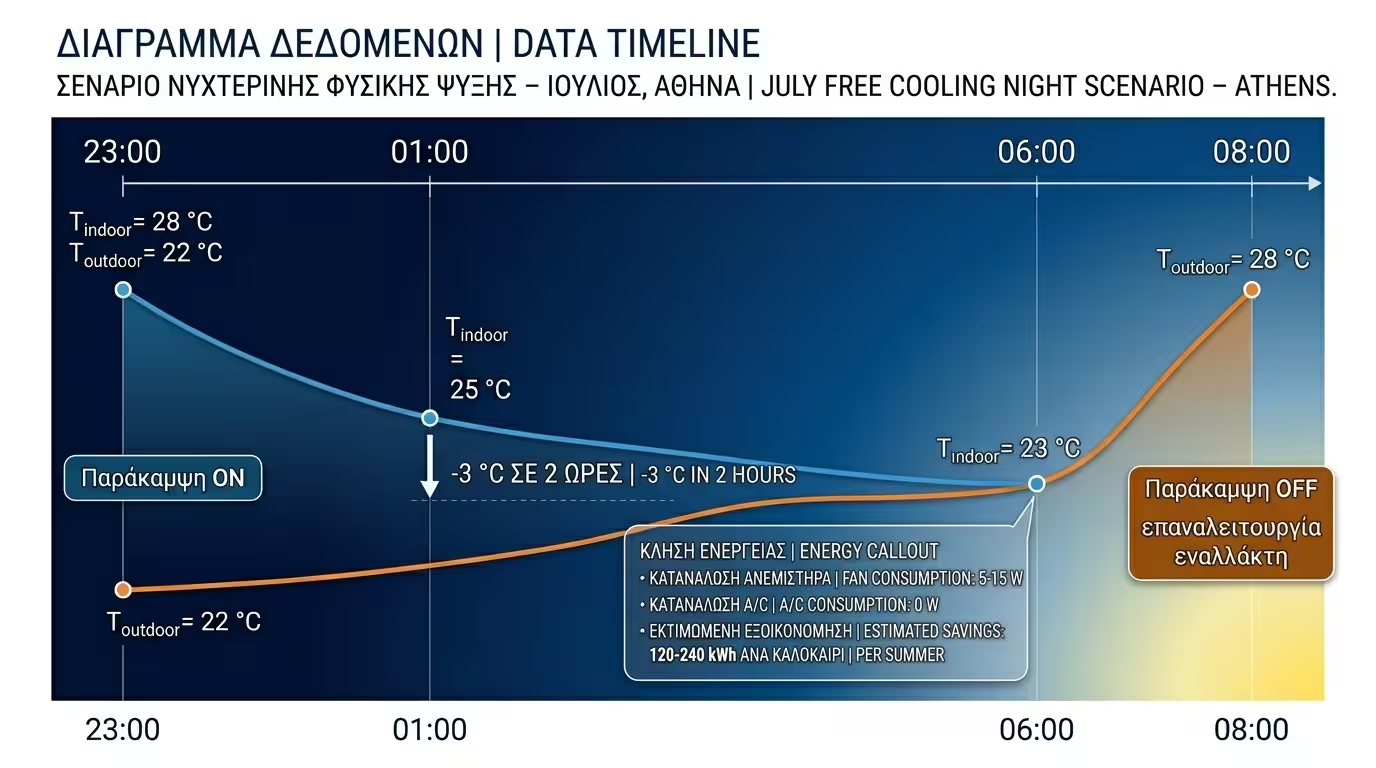
A practical scenario. July, Athens. At 23:00, indoor 28 °C, outdoor 22 °C. The VMC activates bypass. In 2-3 hours, indoor temperature drops to 24-25 °C - no air conditioning, no cost.
23:00: T_indoor = 28 °C, T_outdoor = 22 °C → Bypass ON. 01:00: T_indoor = 25 °C (3 °C drop in 2 hours). 06:00: T_indoor = 23 °C. 08:00: T_outdoor rises to 28 °C → Bypass OFF, exchanger re-engages.
Each free cooling night replaces 4-6 hours of air conditioning (~1-2 kWh/night). Over 120 summer nights, that means 120-240 kWh/summer - saving €24-48 on cooling alone. The VMC consumed < 1 kWh total (fans 5-15 W).
In homes with heavy construction (concrete, stone, brick), free cooling is even more effective: walls and floors absorb the coolness at night and "return" it slowly the next day, delaying heating by 2-4 hours.
Many VMC units feature a night Boost mode: airflow increases by 50-100% (e.g. from 150 m³/h to 250 m³/h), cooling the home even faster. Consumption remains below 25 W.
Someone might say: "Why not just open the window at night?" Free cooling via VMC has 4 huge advantages over open windows - advantages that make a real difference in daily life.
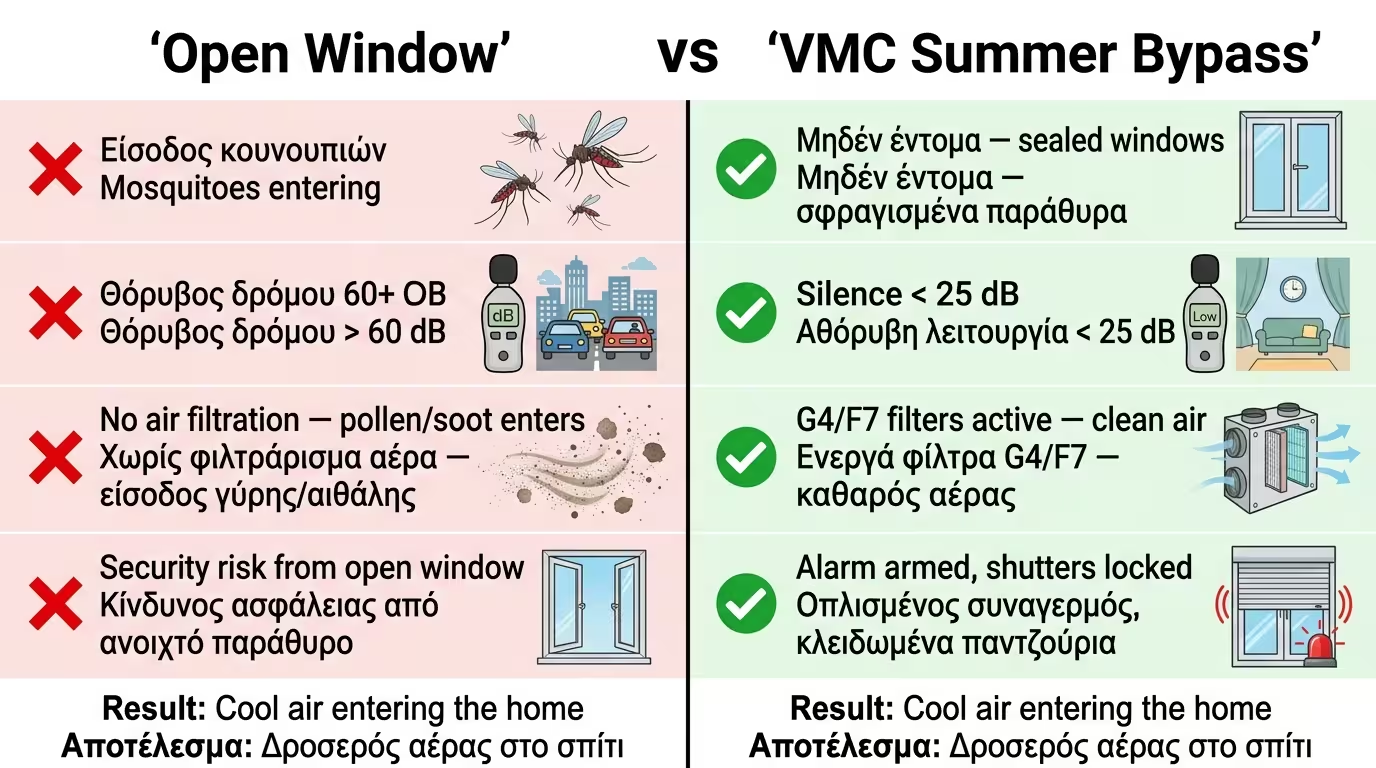
Air enters via the duct network - windows remain sealed. No mosquito nets, no plug-in repellents, no midnight bites. Especially important in areas with tiger mosquitoes (Aedes albopictus) that carry diseases.
Even in bypass mode, air passes through the filters (G4/F7). If you live in the city centre, you get free coolness without black soot, exhaust fumes or pollen . Allergy and asthma sufferers sleep peacefully.
Open windows = motorbikes, barking dogs, street noise. With VMC in bypass, the home cools in complete silence (< 25 dB), ensuring uninterrupted sleep. Ideal for busy roads and city centres.
Alarm armed, shutters locked - and the home is ventilated at maximum airflow. No break-in risk from half-open windows. Especially critical for ground floors, basements and first floors.
The Summer Bypass is the reason modern, airtight homes don't turn into greenhouses on summer nights. It offers automatic, silent and perfectly clean cooling (Free Cooling), while protecting the A/C the next day - since the home has already cooled down for free overnight.
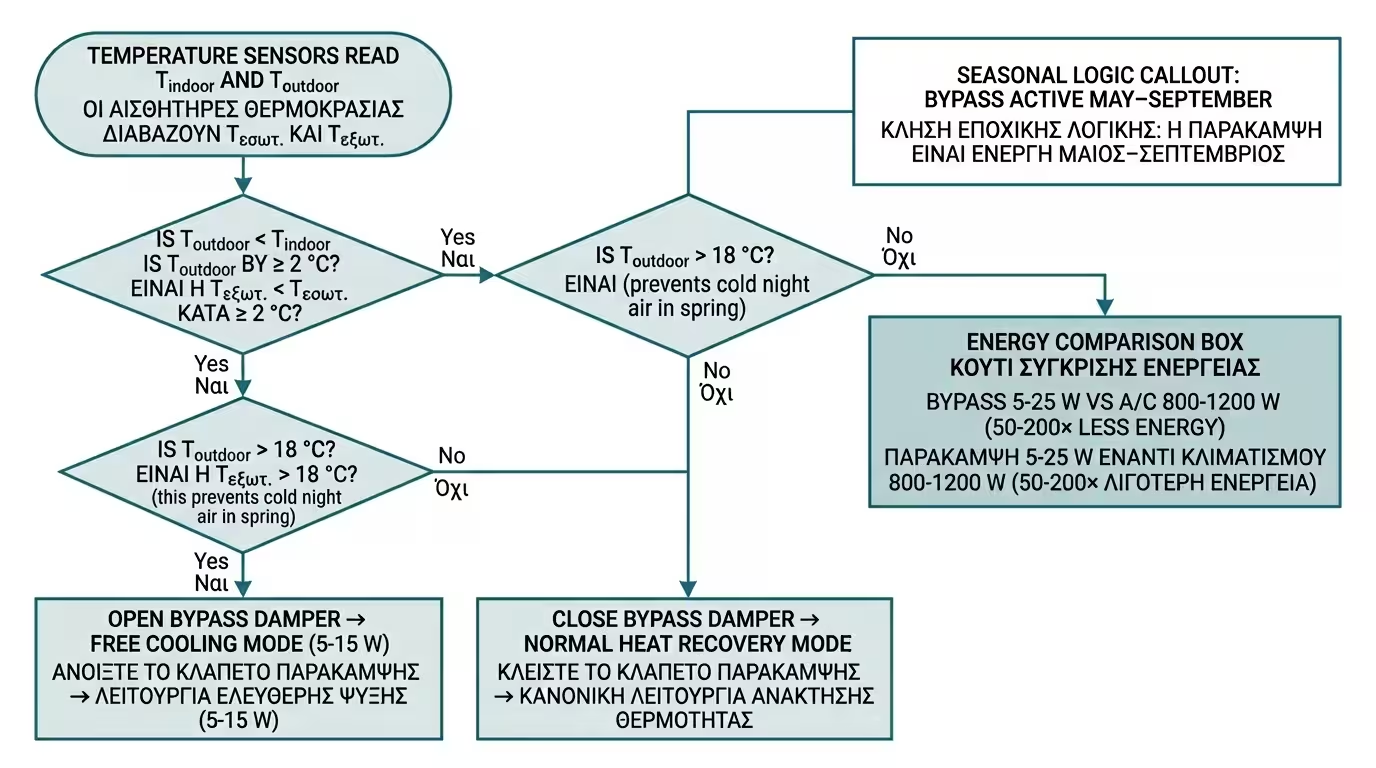
No buttons needed. The sensors decide on their own when to open and close the bypass. The user doesn't need to do anything - not even know it exists. They simply wake up in a cool home.
Many units allow seasonal scenario programming: "Bypass only May-September" or "Bypass only if T_outdoor > 18 °C" (to avoid very cold air on a chilly May night). Settings that optimise performance based on geographic location.
During bypass operation, total unit consumption is 5-25 W (fans only). By comparison: a 12,000 BTU split A/C consumes 800-1,200 W. That means bypass operates with 50-200 times less energy.
Bypass does not replace air conditioning - it cannot cool if outdoor temperature is higher than indoor (during the day). It is complementary - it works at night to reduce A/C operating hours.
🌙 Bypass ON → Cool air enters directly without being warmed. Bypass OFF → The exchanger protects against the heatwave again. Free cooling, zero mosquitoes, complete silence - automatically.
Return to category.
Go to categoryReturn to the central guide.
Go to guide