
Heat Pump with Old Radiators (Cast Iron/Panel).
Does it actually work? What you need to change, how to check your pipework and what the correct supply temperature is before proceeding with installation.
Read more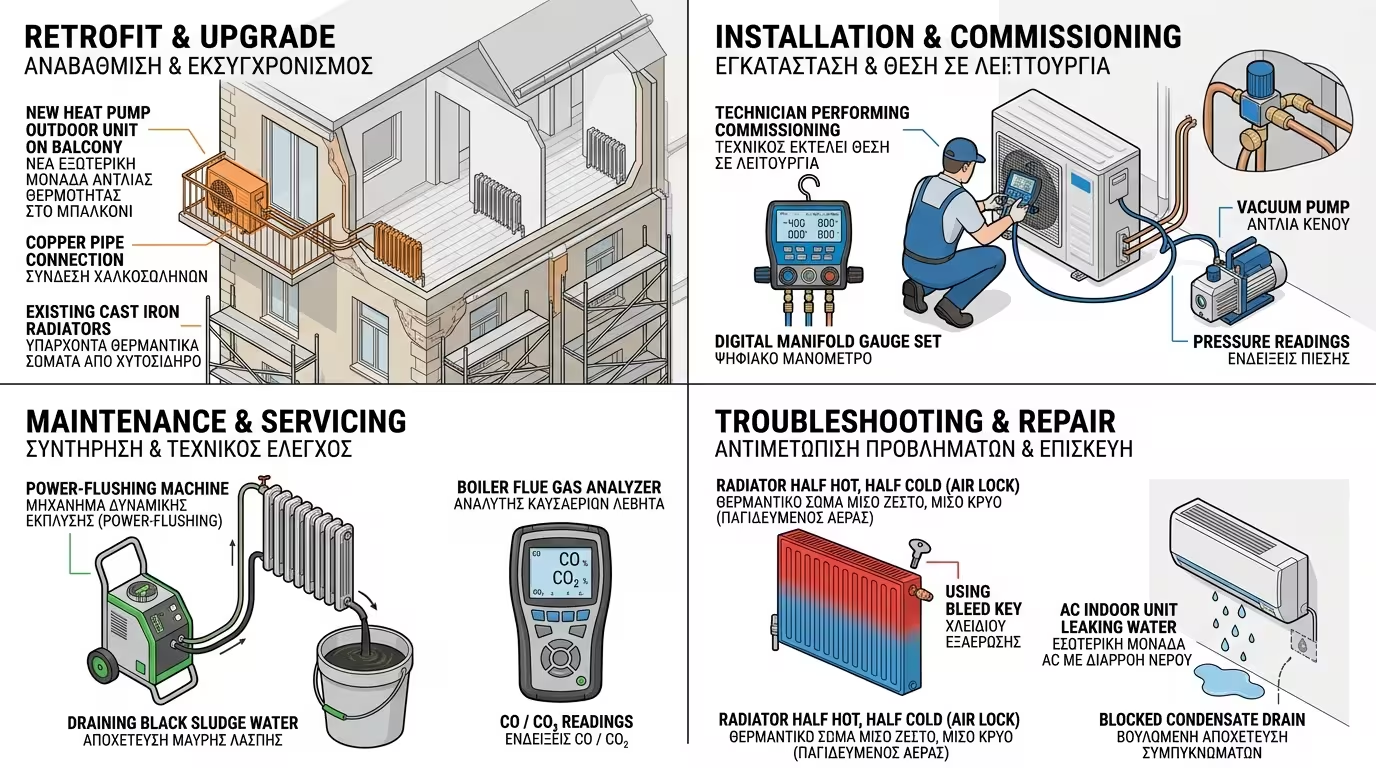
Theory is fine, but practice on the job site is what determines the final result. In this section, we take the designs off the desk and into the building.
Discover how to overcome the enormous challenges of a renovation (such as integrating new technologies into old networks) and review the strict installation protocols every technician must follow. Plus, find detailed regular maintenance guides and a complete Troubleshooting guide to immediately address the most common faults in your system.
Building from scratch is easy. But energy-upgrading a 30-year-old home requires expertise. See how you can modernise your system without demolishing the entire building.
Does it actually work? What you need to change, how to check your pipework and what the correct supply temperature is before proceeding with installation.
Read moreRenovation made easy. Discover dry-build systems (no cement) that offer minimal thickness and zero weight on the old slab.
Read more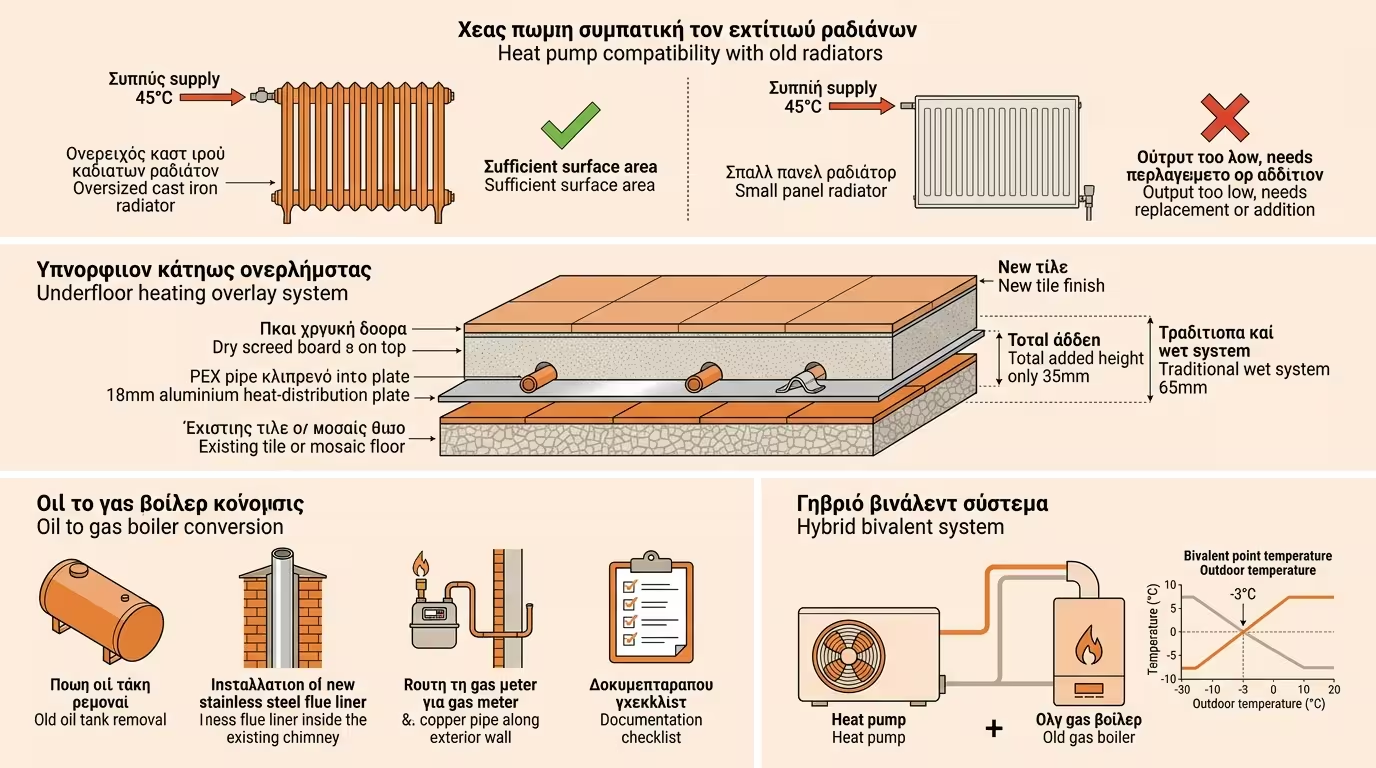
The transition steps. What is required for your flue (stainless steel liner), how the new gas runs are done and what paperwork is needed.
Read moreHow to run concealed pipe and duct routes for Multi or VRV systems without needing to drop the entire house with plasterboard ceilings.
Read moreDon't throw out your old boiler. When it is worth keeping it connected to the new heat pump as a backup system (Bivalent Point) for frost days.
Read moreA top-of-the-range machine performs terribly if installed incorrectly. This is the control checklist for the professional installer and the demanding owner who wants to know the job was done right.
What the installer MUST do before leaving. A guide to setting the weather compensation curve, checking flow rate and temperature limits.
Read moreThe golden rule of refrigeration. Why installing without a vacuum pump leaves moisture inside the pipes, reduces performance and destroys the compressor.
Read more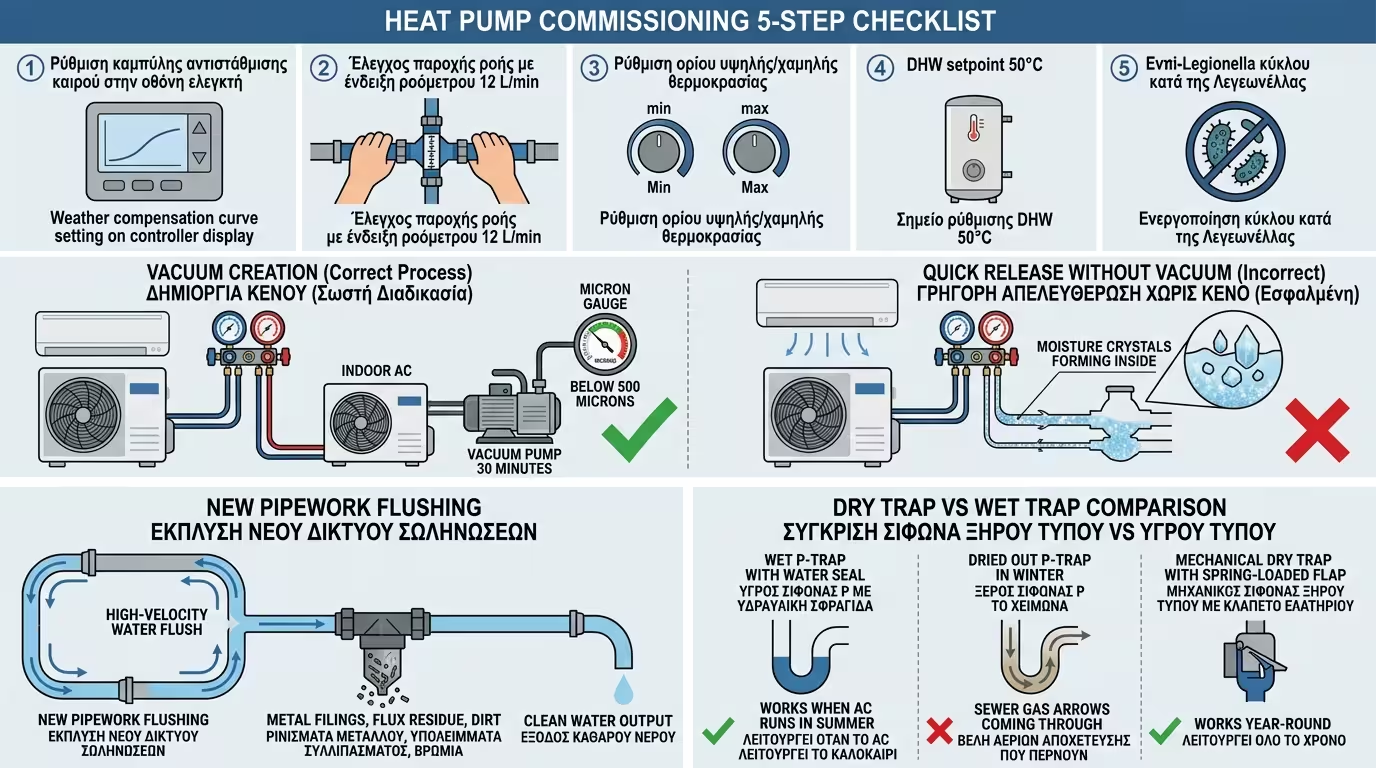
Before the first system start-up. How we clean burrs, dust and soldering residue from pipes to prevent valve blockages.
Read moreWhy do AC traps dry out in winter? How they bring sewer odours (and fail the Blower Test) and why mechanical "Dry Traps" are the only solution.
Read moreHow we protect external water networks from bursting in sub-zero temperatures, using anti-freeze valves and Heat Tracing cables.
Read moreRegular maintenance is not an expense, it is an investment. What needs to be done every year so your system does not burn a single extra euro on electricity and lives trouble-free for 20 years.
The salvation of old installations. How high-pressure machines clean the black sludge from radiators that "chokes" the circulator and drops performance.
Read moreMore than a simple clean. The enormous importance of flue gas analysis (CO, CO₂) with an electronic analyser for maximum economy and safety.
Read more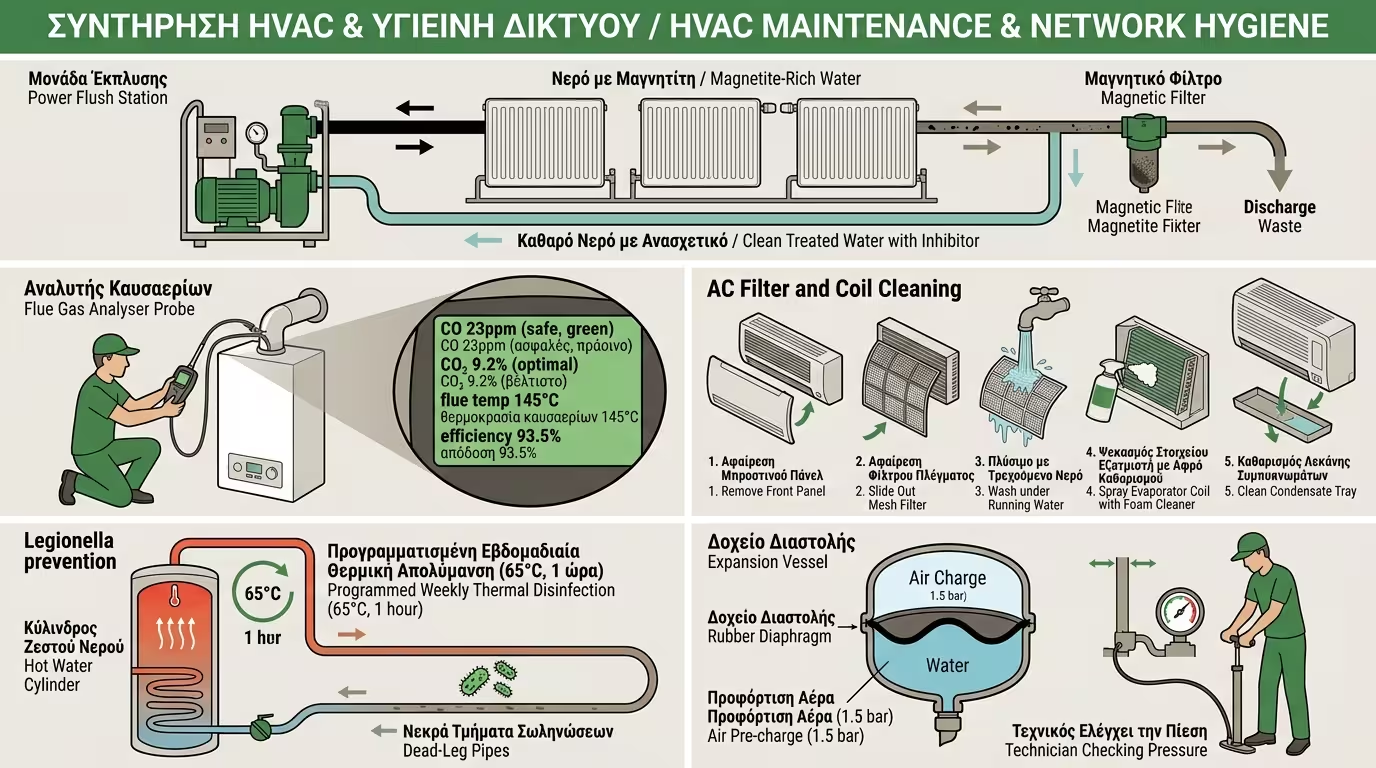
DIY steps. How to properly clean filters and louvres to breathe healthy air and save electricity from a machine that is struggling.
Read moreCritical for hotels and homes. How thermal disinfection cycles (heating water above 60°C) are programmed in boilers and hot water networks.
Read moreThe tasks every maintenance engineer forgets. How we measure the air pressure in the vessel and check the antifreeze fluid in solar panels and heat pumps.
Read moreThe first-aid section for your home. Before calling the technician, see how you can diagnose the most common faults yourself and save time and money from unnecessary visits.
What is happening? How to diagnose whether trapped air, thick sludge or a broken circulator is to blame, and how to bleed correctly (DIY).
Read moreIs it producing steam and stopping? Learn whether it is a fault, refrigerant shortage, or simply the normal "Defrost" cycle due to high outdoor humidity.
Read more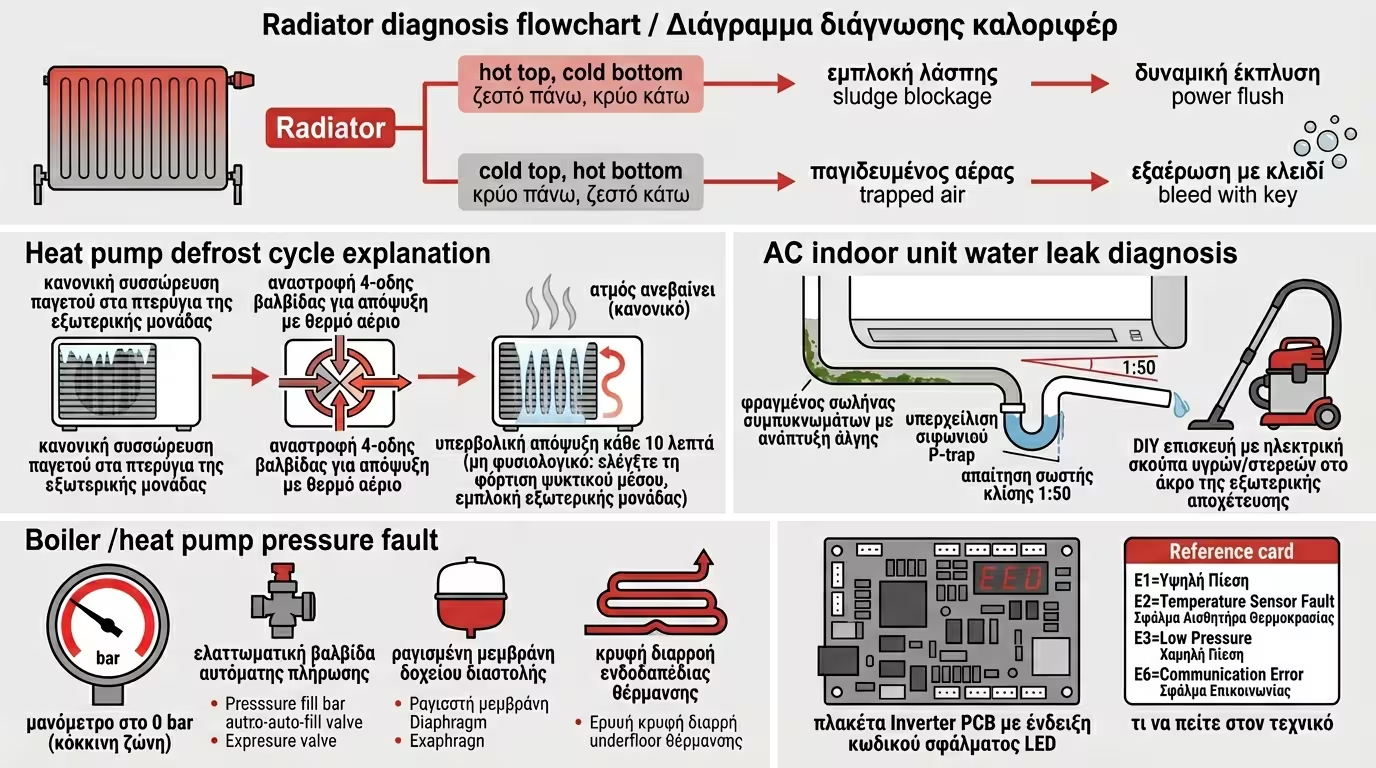
The wall is soaked. What causes it and how to easily unblock the indoor unit's condensate drain with simple steps.
Read moreHas the pressure dropped to zero? How to check if the auto-fill valve is faulty, the expansion vessel has ruptured, or there is a hidden leak under the floor.
Read moreWhat do the flashing lights mean? How to read the error code and exactly what to tell the refrigeration technician on the phone before they visit.
Read moreReturn to the full heating-cooling guide for energy production, hydraulic networks, ventilation, automation and energy design.
Go to guidePlanning a renovation or facing a system fault - contact us for expert guidance.
Contact Us