Water Leak from AC Indoor Unit: The DIY Rescue Guide

It's the peak of summer. The AC is running at full blast, cooling the living room. Suddenly you see water streaming like a waterfall from the indoor unit! The water soaks the wall, ruins the paint and pools on your expensive hardwood floor.

Panic is understandable, but the fix is usually ridiculously simple. In 90% of cases, there's no mechanical fault - it's just a plumbing "traffic jam".

1. Where Does All This Water Come From?

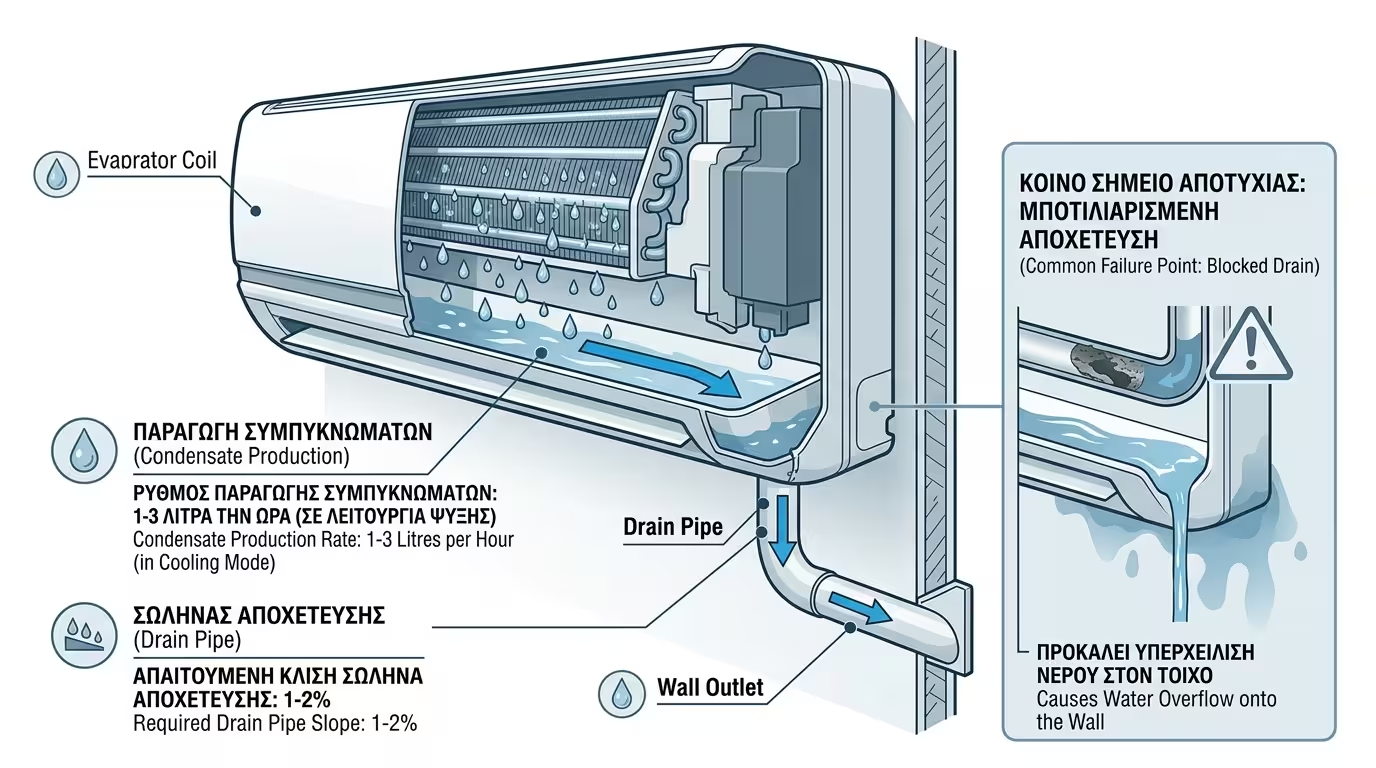
When cooling, the AC also works as a dehumidifier. It draws in room moisture, which condenses on the cold metal fins (evaporator coil) and drips into a narrow tray called the Drain Pan (condensate tray).

From there, the water flows through a plastic spiral hose and exits to the balcony or the drains. If you see water inside, the drain pan has filled up and overflowed . But why didn't the water drain away?

Water leak – indoor unit, drain pan, condensate

🪣 Suspect No.1: The "bucket" myth

Before grabbing any tools, go out to the balcony. In Greece we often place the hose end in a plastic bottle, a bucket or a concrete planter to stop water dripping on the pavement. If you forget to empty the bucket and the water level rises, the hose tip sinks below the water level. Due to the communicating vessels principle, the water can't flow down any further. It gets trapped in the hose, backs up and floods your living room! Fix: empty the bucket. The leak stops in 10 seconds.
🐝 Suspect No.2: Slime & insects

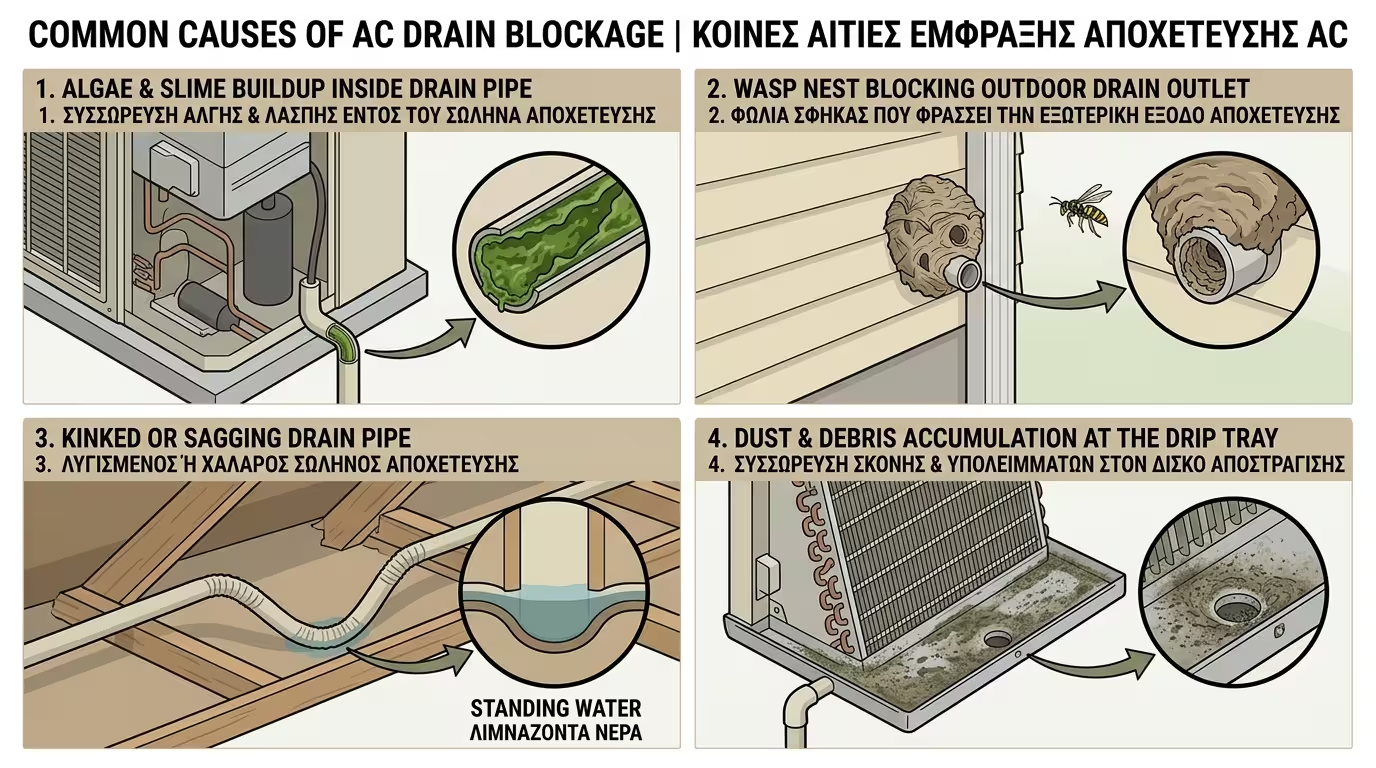
If the hose doesn't end in a bucket but hangs free, it has clogged up. How? If you don't clean the filters regularly (as we covered in the previous article), dust passes into the drain pan, mixes with the water and creates a thick sticky sludge ("slime") that blocks the drain hole.

🪺 Wasp nests

Many insects (especially wasps that build mud nests) love the moisture. They crawl into the hose end on the balcony and build their nest there, blocking the hose hermetically like a cork.

💧 How much water?

On a hot, humid day, a 12,000 BTU AC can produce 1-2 litres/hour of condensate. If the drain hose is blocked, all that water ends up on your floor.

2. How to Unclog It Yourself (DIY Steps)

DIY unclogging – wet vacuum, blowing, hose, drain snake

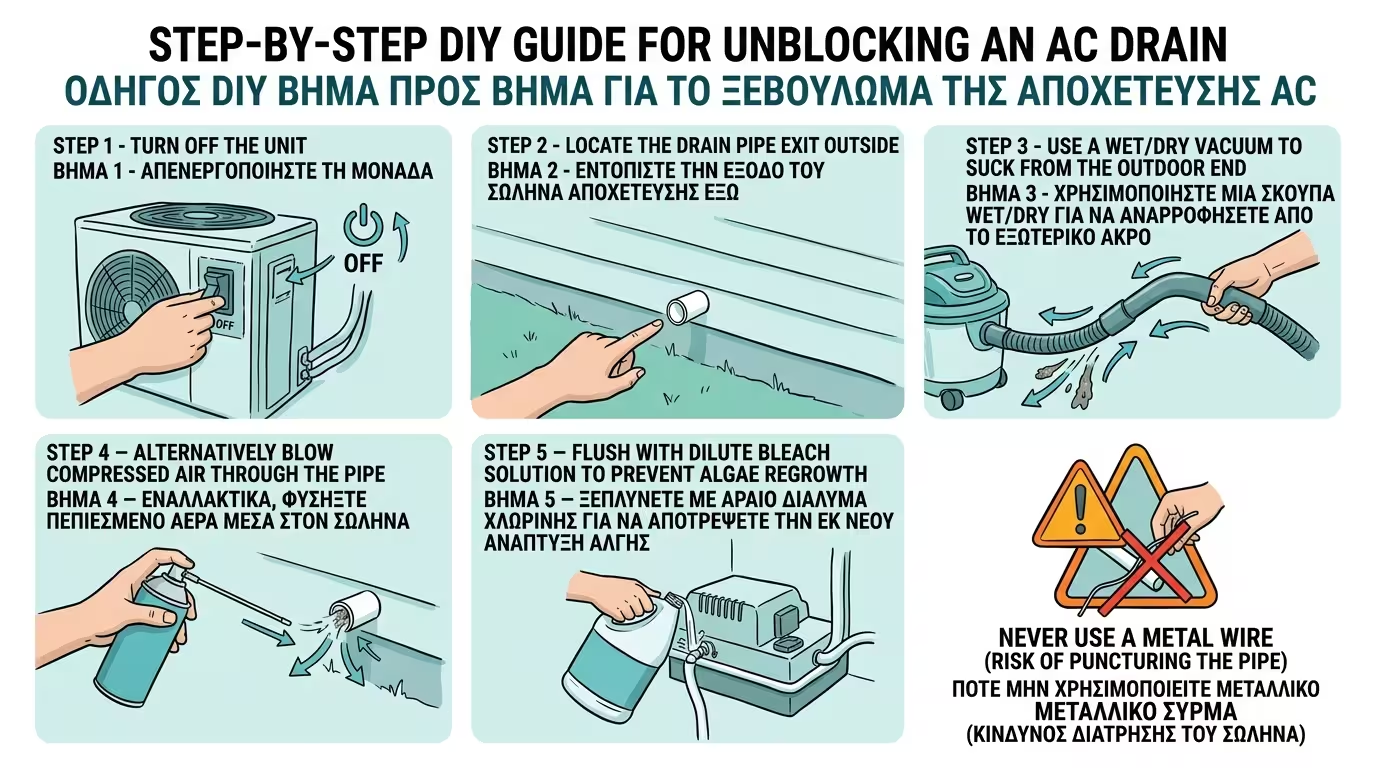
Don't call an engineer before trying these 4 steps. In most cases you'll fix the problem on your own in 5 minutes.

🔌 Step 1: Safety

Switch off the AC via the remote and turn off the breaker or fuse at the switchboard. We never mix water and electricity - ever.

👉 Step 2: Check the hose end

Go out to the balcony and grab the spiral hose end. Squeeze gently or poke a small stick inside. If there's an insect nest, it will break and the water will gush out immediately.

🧹 Step 3: The wet vacuum trick

If the blockage is deep inside the wall, use a wet/dry vacuum (essential - not a bagged one or you'll burn it out!). Go to the balcony and place the nozzle on the hose end of the air-conditioner. Seal the gap with your hand to create a vacuum, and run it for 5 seconds. The vacuum will suck out the slime, dust and water toward the outside! Problem solved once and for all.

🌬️ Step 4: Blow from inside

If the hose is accessible from the indoor unit (lift the plastic cover and find where the spiral connects), remove it carefully and blow hard into it or push a soft, long drain snake through. Never blow from the balcony inward, or you'll spray dirty water all over the living-room wall!

3. When the Drain Isn't to Blame (Serious Faults)

If the hose is spotless and water keeps flowing inside, you need to call an engineer. The causes are serious and require professional attention.

Clogged drain – slime, wasps, spiral hose

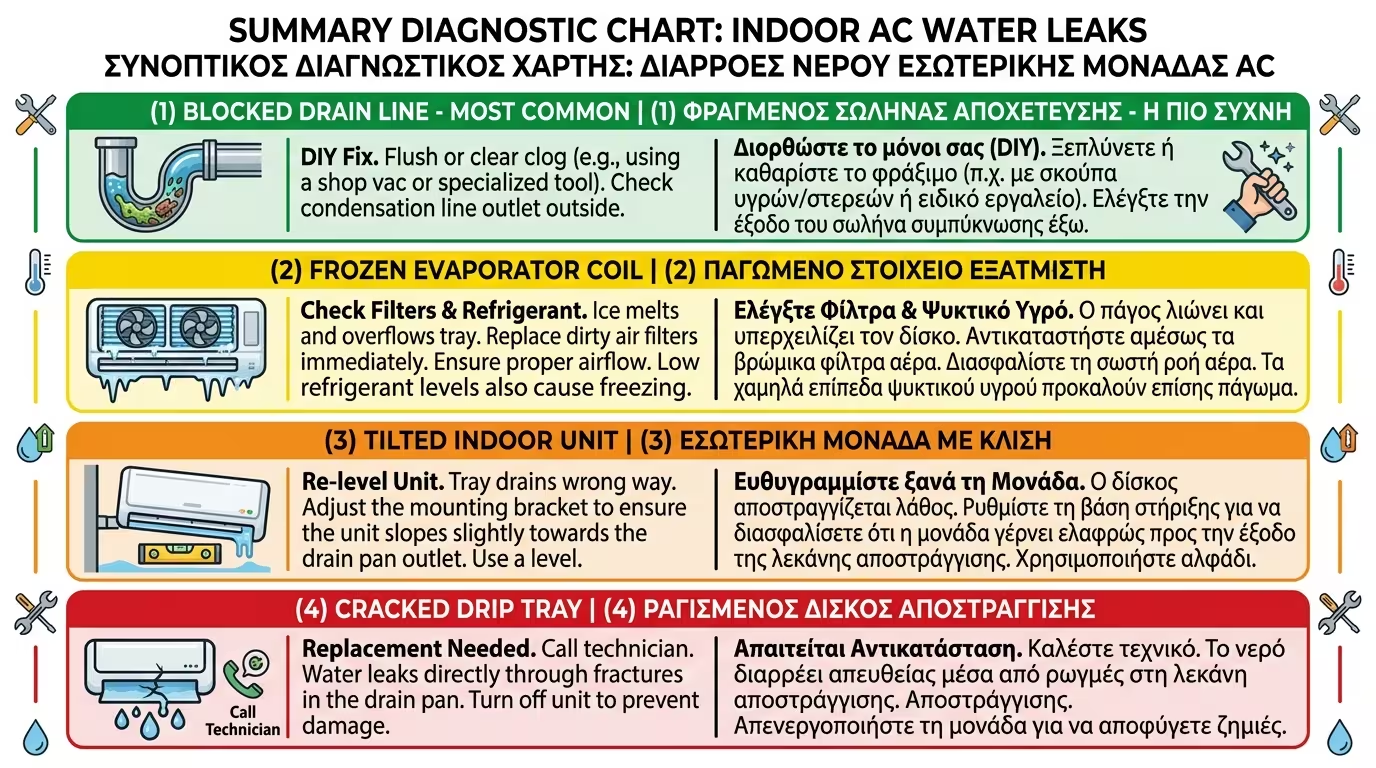
❄️ Low refrigerant (icing)

If refrigerant is low, the AC ices up internally . When you switch off, the ice mountain melts suddenly. The drain pan can't handle that much water at once and overflows.

📐 Wrong tilt (bad installation)

If the unit was mounted perfectly level or (worse) tilting away from the drain hole, water pools at the wrong corner and runs down the wall. The unit must always have a slight tilt toward the drain.

🔧 Cracked drain pan

In old units, the plastic drain pan can dry out and crack, allowing water to drip from the bottom of the unit. Requires professional replacement.

📊 Summary

Water leaks rarely indicate a serious failure. Typically it's a simple plumbing blockage from dirty filters or insect nests. Keep your filters spotless and check the balcony hose regularly.

💡 Dirty filters don't just block airflow - they create "slime" that clogs the drain. Clean them every month!

4. Final Summary: Prevention

Keep your filters spotless, check the hose end on the balcony before starting the AC each summer, and never let the collection bucket fill to the top. With these three simple actions, you'll never see water on your living room floor again!

Summary – refrigerant, icing, tilt, drain pan, crack, fault

Related Articles

Retrofitting, Installation & Troubleshooting

Return to category.

Go to category

Preview