⚠️ Failure symptom
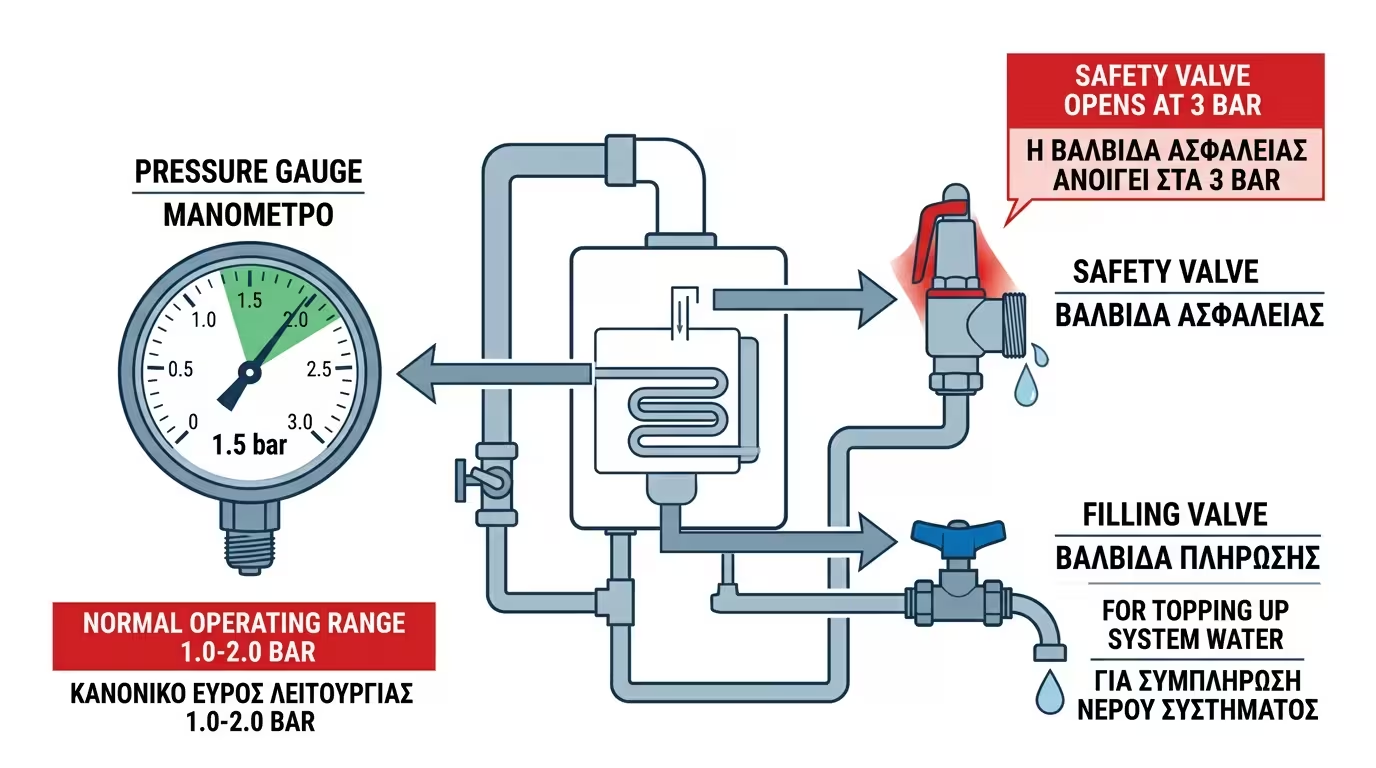
If the pressure gauge climbs to 2.5-3.0 bar when heating and drops to 0 when cold, the vessel has a problem. The safety valve will start dripping water onto the floor to relieve the pressure.
These two components are the silent "bodyguards" of your installation. They make no noise, consume no electricity - but if they fail, the damage is measured in hundreds of euros.
There are two checks most technicians skip because they need extra tools and a bit of mess. If ignored, in winter you'll see water leaking from valves or your solar panel "exploding" from frost.
You'll recognise it immediately: that red (or white) metal "ball" or cylinder hanging next to the boiler, heat pump or beneath the solar water heater.
Inside it sits a rubber membrane (bladder). On one side - water; on the other - pressurised air. When water heats up and expands, it pushes the membrane, compresses the air and "absorbs" the excess pressure. Without it, the pipes would literally burst.
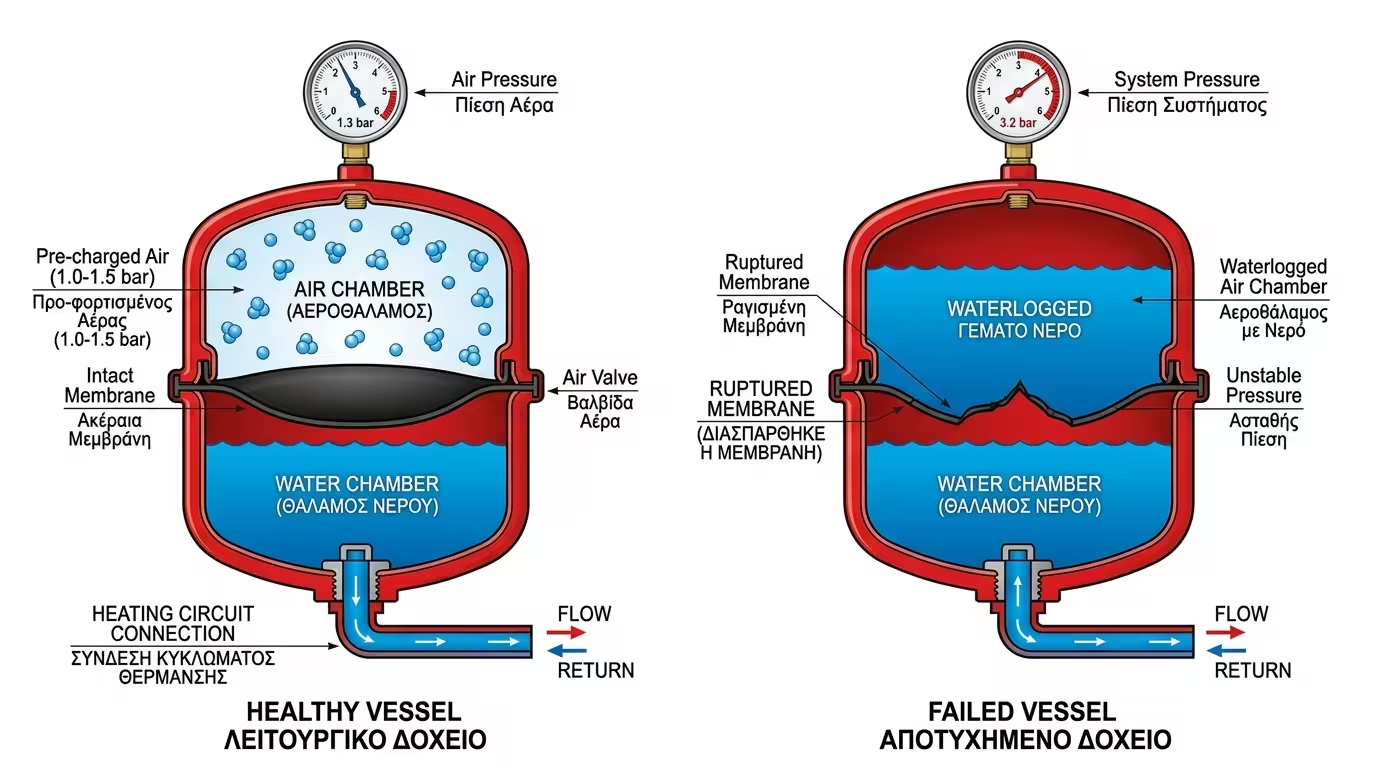
If the pressure gauge climbs to 2.5-3.0 bar when heating and drops to 0 when cold, the vessel has a problem. The safety valve will start dripping water onto the floor to relieve the pressure.
The technician must use a tyre-pressure gauge to measure the Schrader valve on the vessel. If there is no air, it must be inflated to the specified pressure (e.g. 1.5 bar).
If pressing the valve produces water instead of air, the internal membrane has ruptured. The vessel needs immediate replacement - it cannot be repaired.
New expansion vessel: €50-120 depending on size (8-24 litres). Installation: €30-50. The alternative? A ruined boiler PCB from water damage: €300-600.
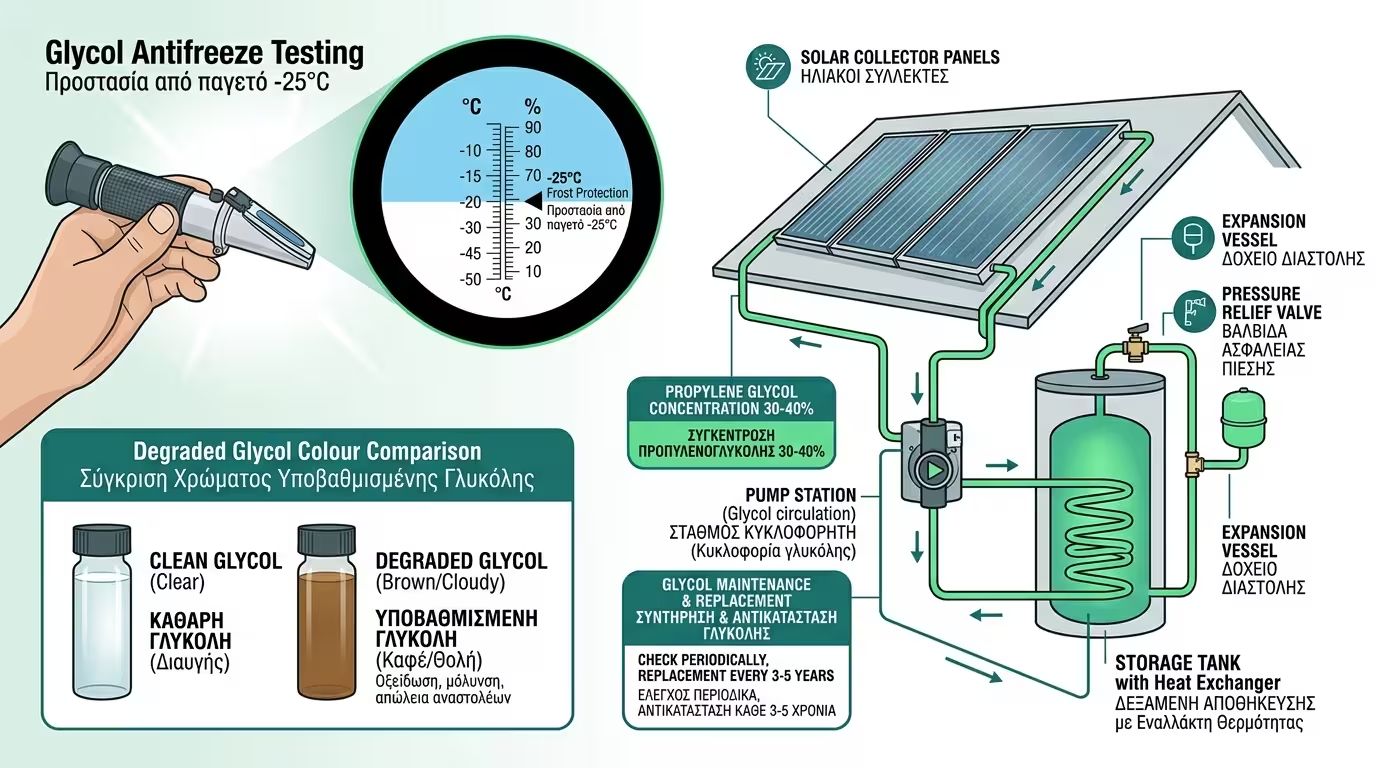
Monoblock heat pumps in cold regions and all solar water heaters use a closed-loop mixture of water + Propylene Glycol (antifreeze). This protects against frost in winter, boiling in summer and corrosion year-round.
Many think antifreeze is a "fit and forget" fluid. Wrong! Under extreme temperatures (especially summer in solar panels - 100 °C!), the glycol "cooks", degrades and loses its properties. After 3-4 years it turns acidic and corrodes the copper from inside.
The technician draws a few drops from the circuit and uses a specialised optical instrument. Looking through the lens, it shows at how many °C below zero the fluid will freeze.
If the reading shows freezing at -2 °C instead of -15 °C, the fluid is useless. The circuit must be drained, flushed and refilled with fresh glycol in the correct ratio.
Antifreeze replacement: €80-150. Solar collector burst by frost: €500-1,200. The check takes 10 minutes - ask for it by name.
A competent technician does not settle for "all good". Demand these two checks by name during the annual service - they take 10 minutes but save hundreds of euros.
Turn off heating → wait 20 minutes → measure air pressure at the Schrader valve. Target: 1.0-1.5 bar. If water comes out → replacement.
Draw a few drops from the filling valve → place on refractometer → check freezing point. Target: below -15 °C. Also check pH: it should be 7.0-8.5.
Ask the technician to note the values on the service sheet. If something goes wrong later, you'll know when it was last checked.
Both checks must be performed during the annual service, ideally before winter. Do not let the technician leave without them!
Air pressure in the vessel and antifreeze quality are the two biggest "omissions" in routine HVAC servicing. A 10-minute check saves you from ruined PCBs and burst solar collectors.
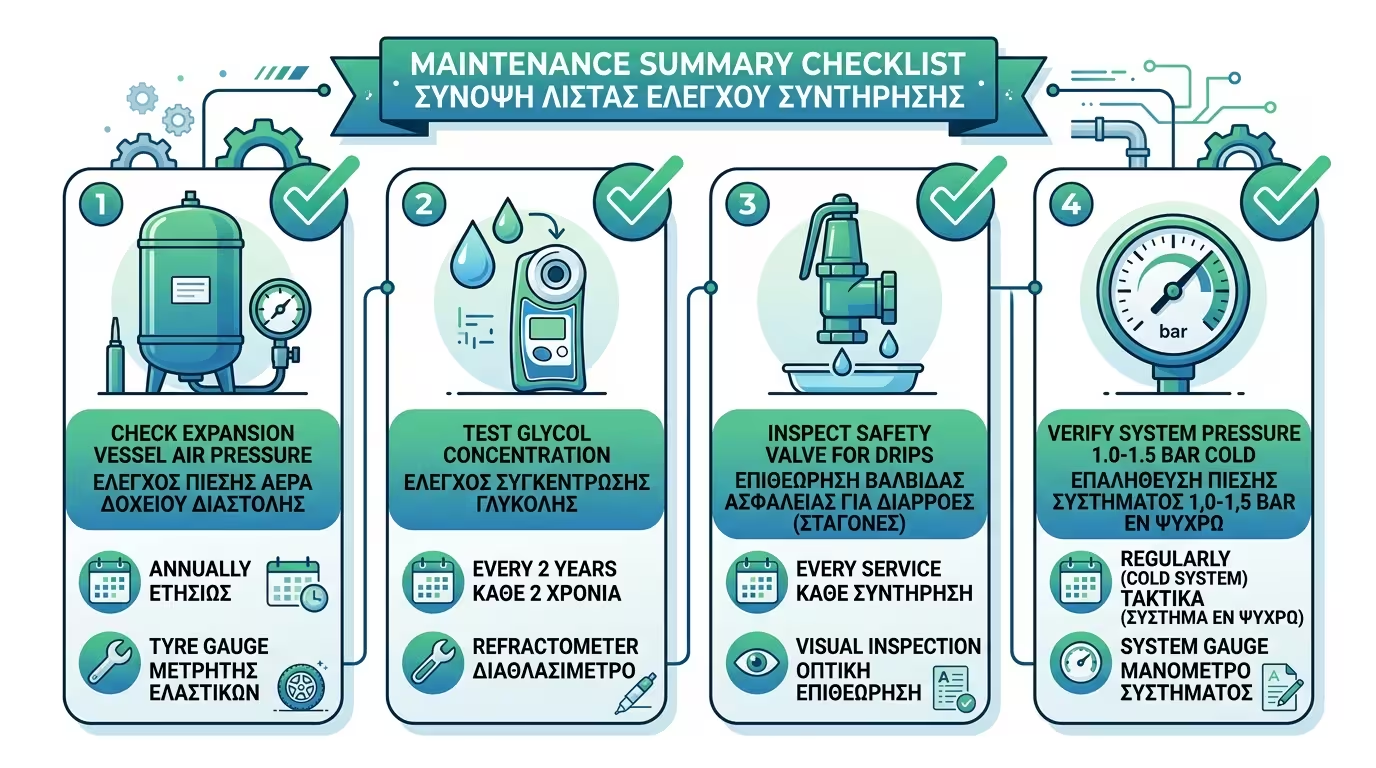
🔑 Ask by name: (1) Membrane vessel air-pressure measurement, (2) Antifreeze refractometer reading. If a technician "can't be bothered", change your technician.
Return to category.
Go to categoryReturn to the central guide.
Go to guide