🔩 Swarf (Metal filings)
Every time a copper or multilayer pipe is cut, tiny metal particles fall inside. In a typical 100 m² underfloor system, there are dozens of cuts - dozens of contamination points with swarf waiting to enter the circulator.
You see the brand-new, spotless pipes of the underfloor heating system and assume the inside is "surgical". The truth is, they resemble a construction-site dump more than a hospital.
If the plumber connects the Heat Pump without Flushing, destruction is just days away. Swarf, flux residue and dust will clog everything in sight.
During construction, pipes are cut, soldered and left open at both ends for weeks on end. Their interior is teeming with hidden "enemies".
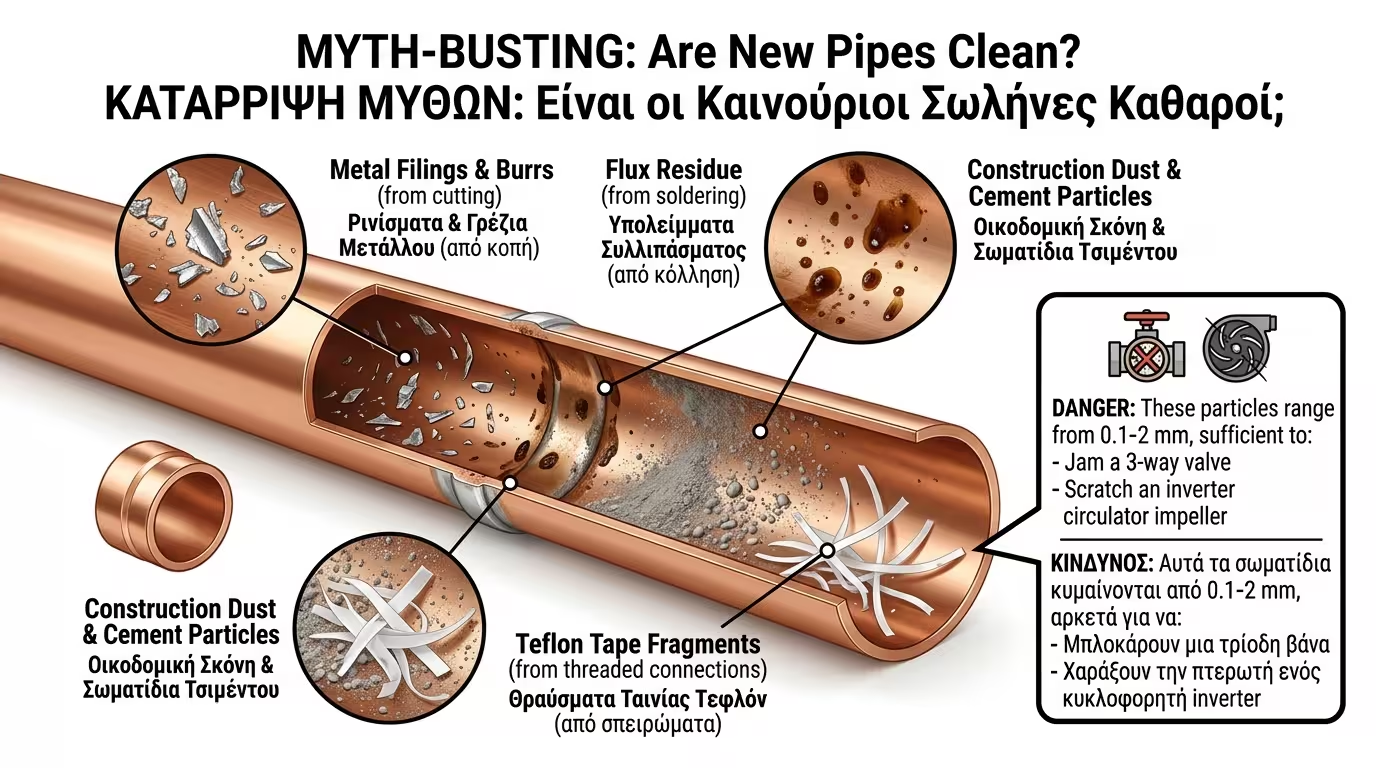
Every time a copper or multilayer pipe is cut, tiny metal particles fall inside. In a typical 100 m² underfloor system, there are dozens of cuts - dozens of contamination points with swarf waiting to enter the circulator.
The paste (flux) used for copper brazing is highly corrosive. If left inside the system in contact with water, it begins eating the metals from within. Corrosion starts within weeks but only becomes visible months later.
Every threaded joint is wrapped with PTFE tape or hemp. Small fragments are cut during tightening, drop into the pipe and float in the water. A single 1 cm piece is enough to jam a thermostatic head or manifold flow meter.
Jackhammers, grinders, concrete: construction dust gets everywhere. Pipes left open for weeks fill with literal grit. Even closed pipes may contain dust if they were stored without end caps.
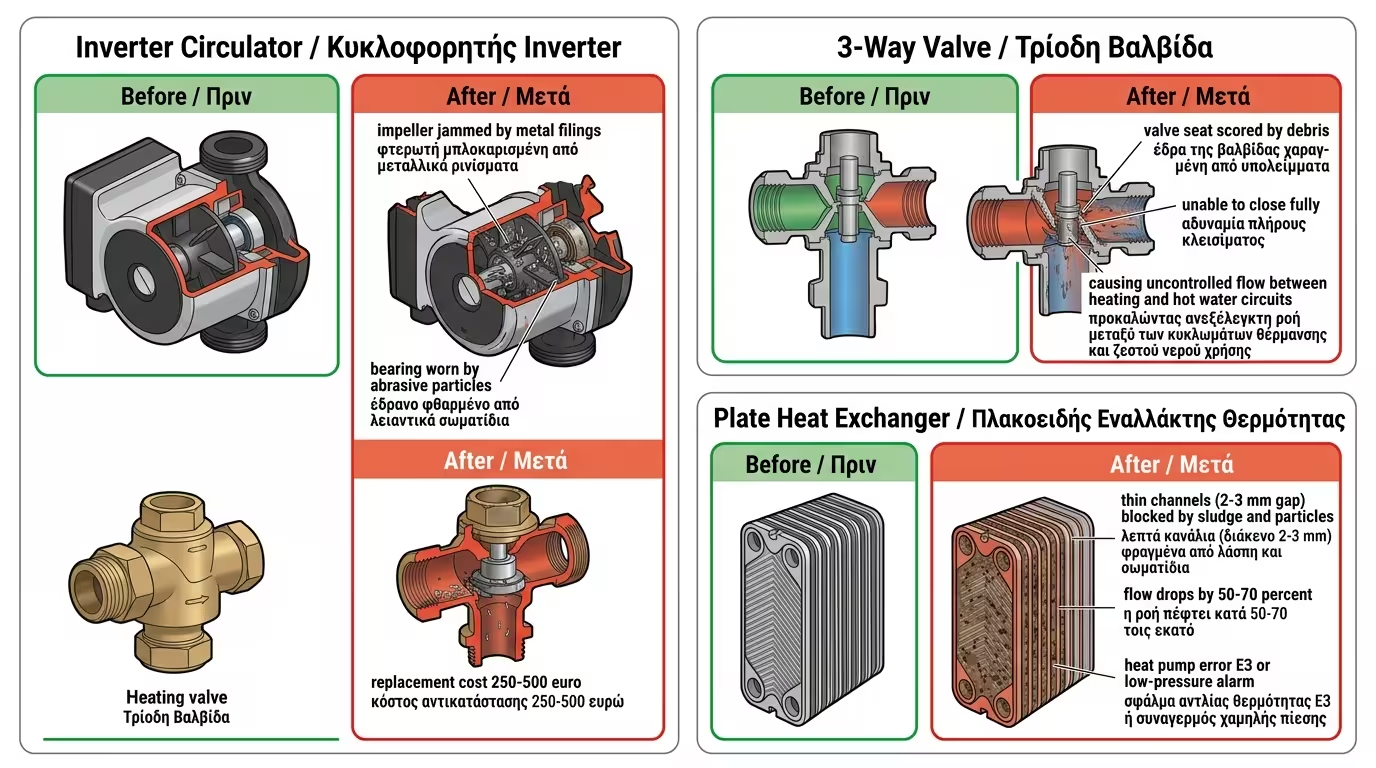
Modern appliances use Inverter circulators with permanent magnets. They save electricity but act as "vacuum cleaners" for any metallic particles in the water.
The circulator's magnet attracts metal swarf like a vacuum cleaner. The filings lodge in the bearings, seize the motor and burn it out within the first week. Replacement cost: €200-400.
The heat pump's plate heat exchanger contains microscopic channels. Dust, PTFE and swarf wedge inside, block the flow, performance drops 30-50%, and the machine throws a pressure fault code.
Thermostatic radiator valves (TRVs) control flow to each emitter. A tiny piece of tape or grey sludge is enough to jam the valve open or closed. Result: constant heat or constant cold in one room, with no control.
Manufacturers (Daikin, Vaillant, Bosch) are categorical: if they open the exchanger and find swarf or dust inside, the warranty is voided automatically. Flushing is not an "extra" - it is a warranty requirement.
A competent installer leaves nothing to chance. Before permanently connecting the pipes to the Heat Pump, they perform Flushing - a methodical rinse of each circuit individually.
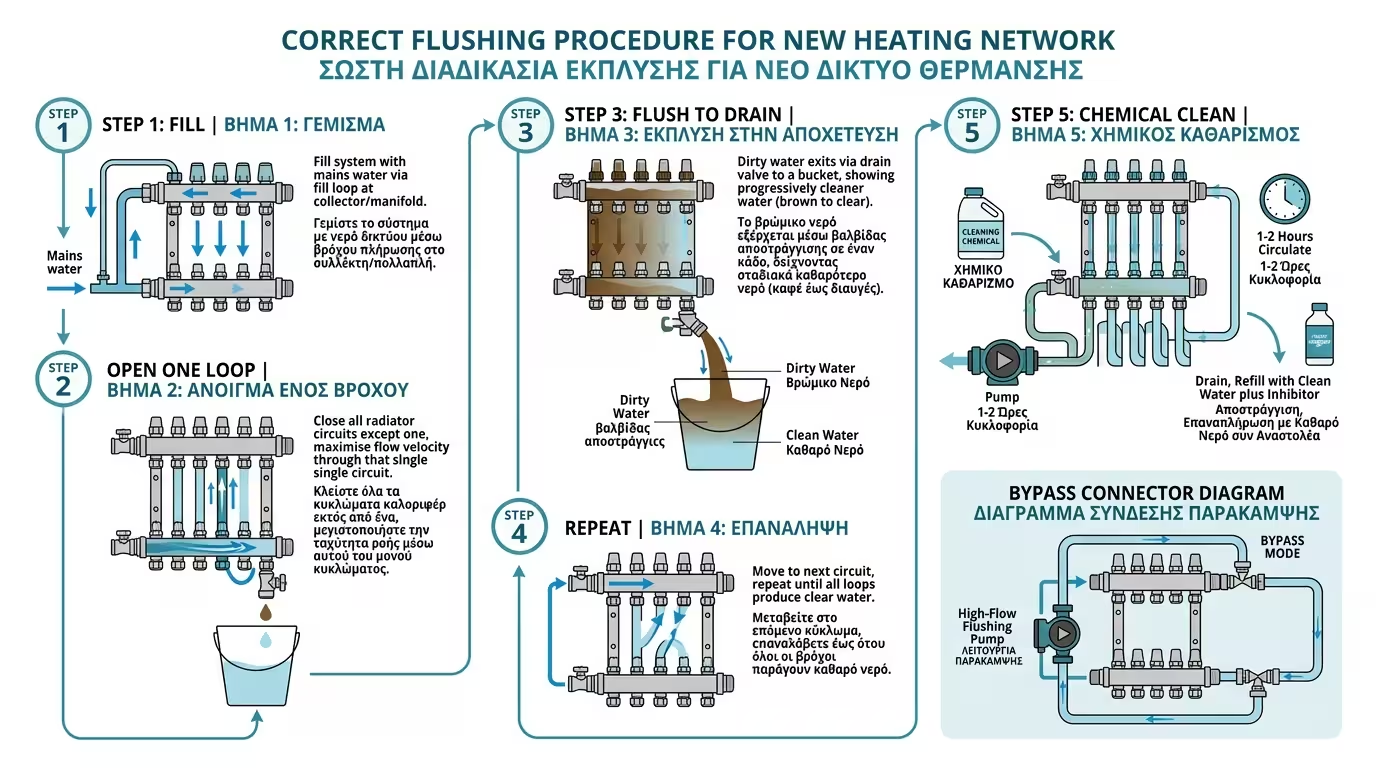
The technician connects supply to return before they enter the Heat Pump. This way, dirty water never passes through the sensitive appliance. The bypass is the golden rule - pipe instead of heat exchanger.
Using mains water or a dedicated flushing pump, water is sent through each circuit at high pressure and velocity , sweeping out all debris. Flow velocity must be at least 1 m/s to lift heavy metal filings.
Flushing is never done en masse. The technician opens manifold actuators one at a time. They flush the living room until water runs crystal clear, close it, then open the bedroom. This ensures each loop is fully cleaned.
A typical 100 m² underfloor system with 8-10 circuits needs 2-4 hours of flushing. An apartment block with radiators may take half a day . Duration depends on the number of emitters and pipe lengths.
Once the network is flushed, protection does not stop. The installer fits two items before permanent operation - a mechanical filter and a chemical "vaccine".
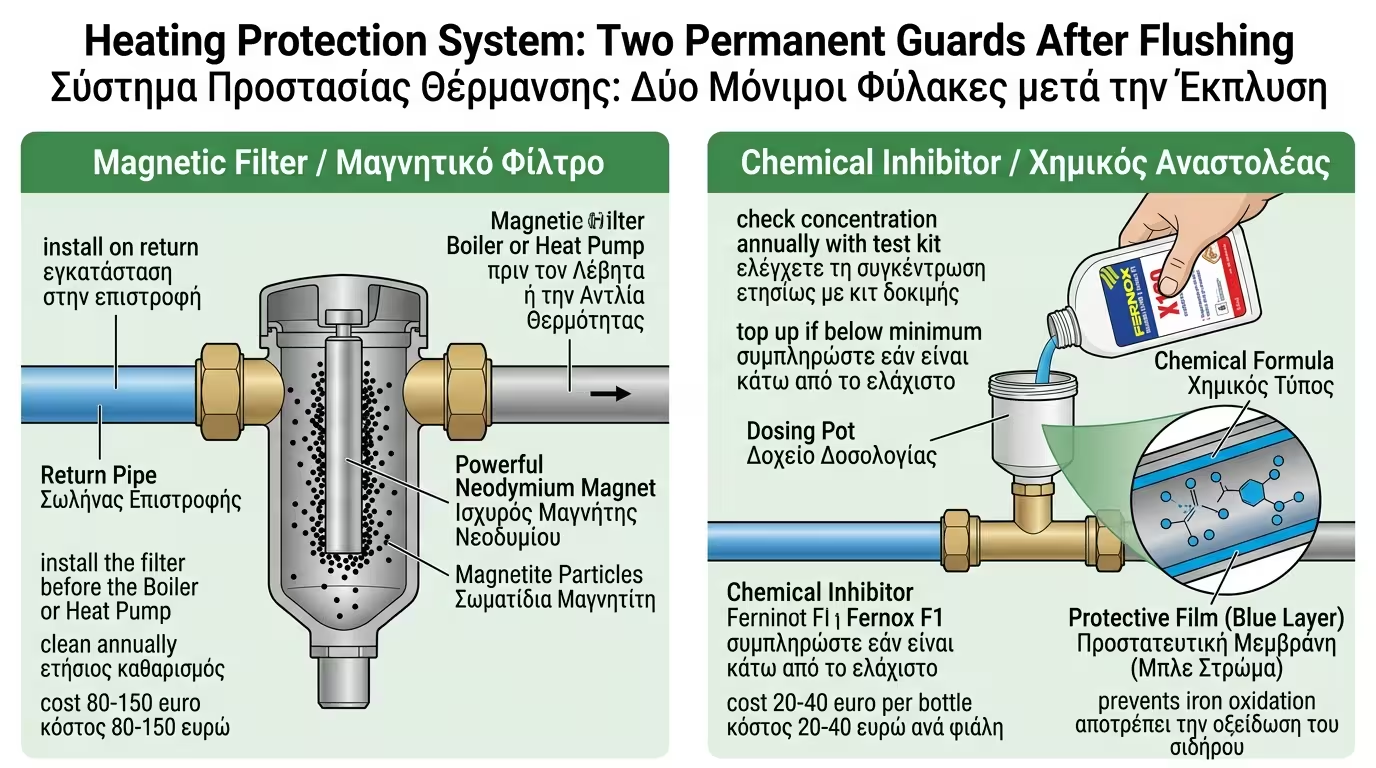
Installed on the return pipe (before water re-enters the Heat Pump). It has a powerful magnet and a mesh screen. Any rust or filings that form in future are trapped here. Cleaned easily during the annual service - unscrew, rinse under the tap, refit.
A special fluid that "neutralises" the water: stops oxidation, prevents the formation of black sludge (magnetite), and blocks algae and bacteria growth inside underfloor pipes. Checked every 1-2 years.
Magnetic filter: €80-150. Chemical inhibitor: €20-40 per bottle. Total: under €200. A circulator costs €250-500, a heat exchanger €500-1,200. Prevention pays back 5-10×.
During the annual service, the plumber unscrews the filter, removes the magnet (covered in black filings), rinses it under the tap, checks the inhibitor concentration , and the system is 100% protected again. A 10-minute job.
🔑 New pipes ≠ clean pipes. Flushing takes a few hours but ensures your Heat Pump starts life in a "sterile" environment. If swarf is found inside the appliance, the warranty is automatically voided.
Return to category.
Go to categoryReturn to the central guide.
Go to guide