🧊 The sensor detects ice
The temperature sensor detects the ice and triggers a Defrost cycle. First it stops the indoor fan (so it doesn't blow freezing air into your living room) and closes the louvres of the indoor unit.
You're sitting in the living room, it's raining and cold outside, and the AC is running at full blast. Suddenly it stops blowing hot air, the louvres close, there's a strange hissing noise and the outdoor unit is belching thick white "smoke" and dripping water!
It hasn't caught fire, nor broken down. It's running a Defrost cycle. Your first instinct is to switch it off, or even call the fire brigade. Stay calm! Let's understand what this is, when it's perfectly normal and when it hides a serious fault.
To heat your home, the outdoor unit must become colder than the outdoor air in order to "suck" its heat. If it's 2 °C outside, the heat exchanger can drop to -5 °C.
At this temperature, atmospheric moisture freezes instantly on the metal fins. Within minutes the unit is coated in thick white ice - it can no longer "breathe" and its output drops to zero.
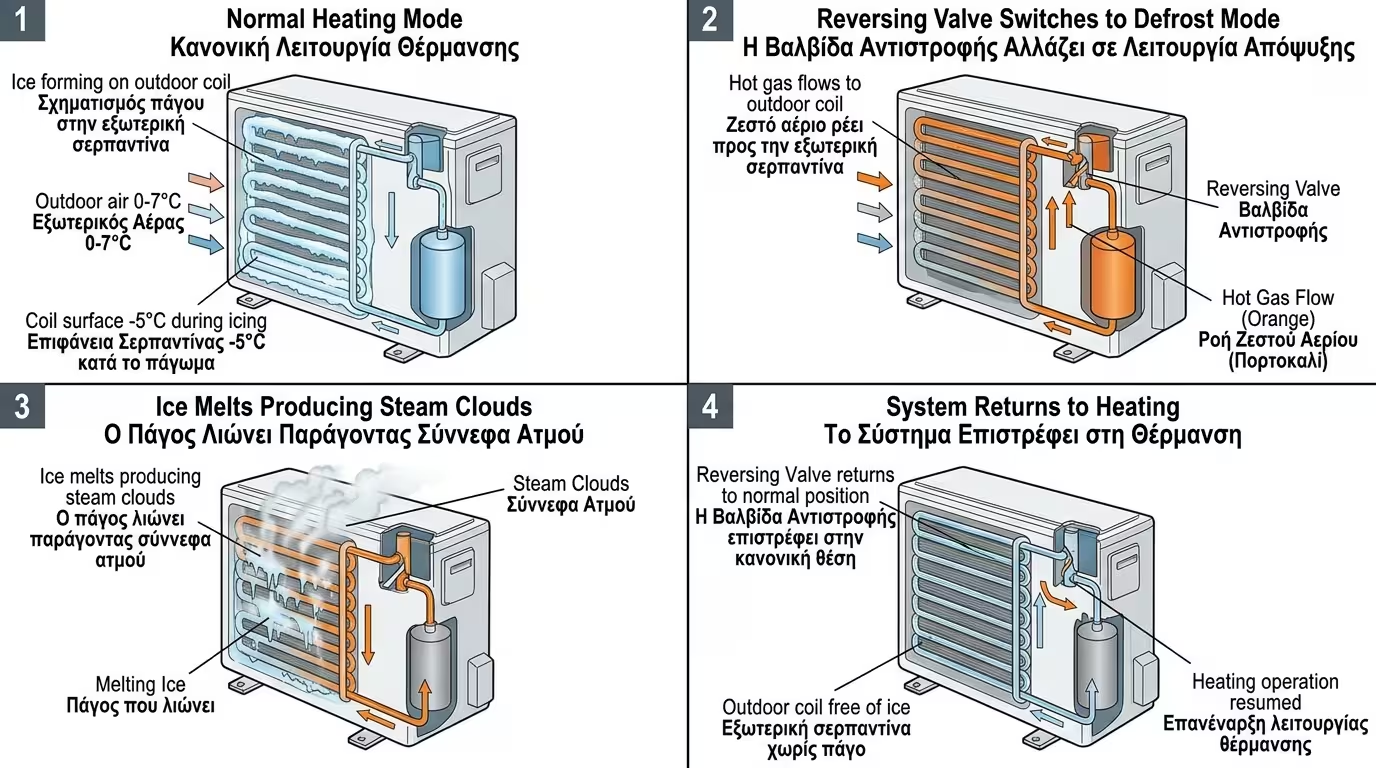
The temperature sensor detects the ice and triggers a Defrost cycle. First it stops the indoor fan (so it doesn't blow freezing air into your living room) and closes the louvres of the indoor unit.
It reverses the refrigerant cycle: takes heat from your home and sends it outside to the balcony unit! The ice melts instantly: water runs off onto the floor and the evaporating ice creates a huge cloud of water vapour (the "white smoke" that alarmed you).
Once clear, the unit clicks and starts heating again. The cycle typically takes 5 to 15 minutes - it is completely normal and by design.
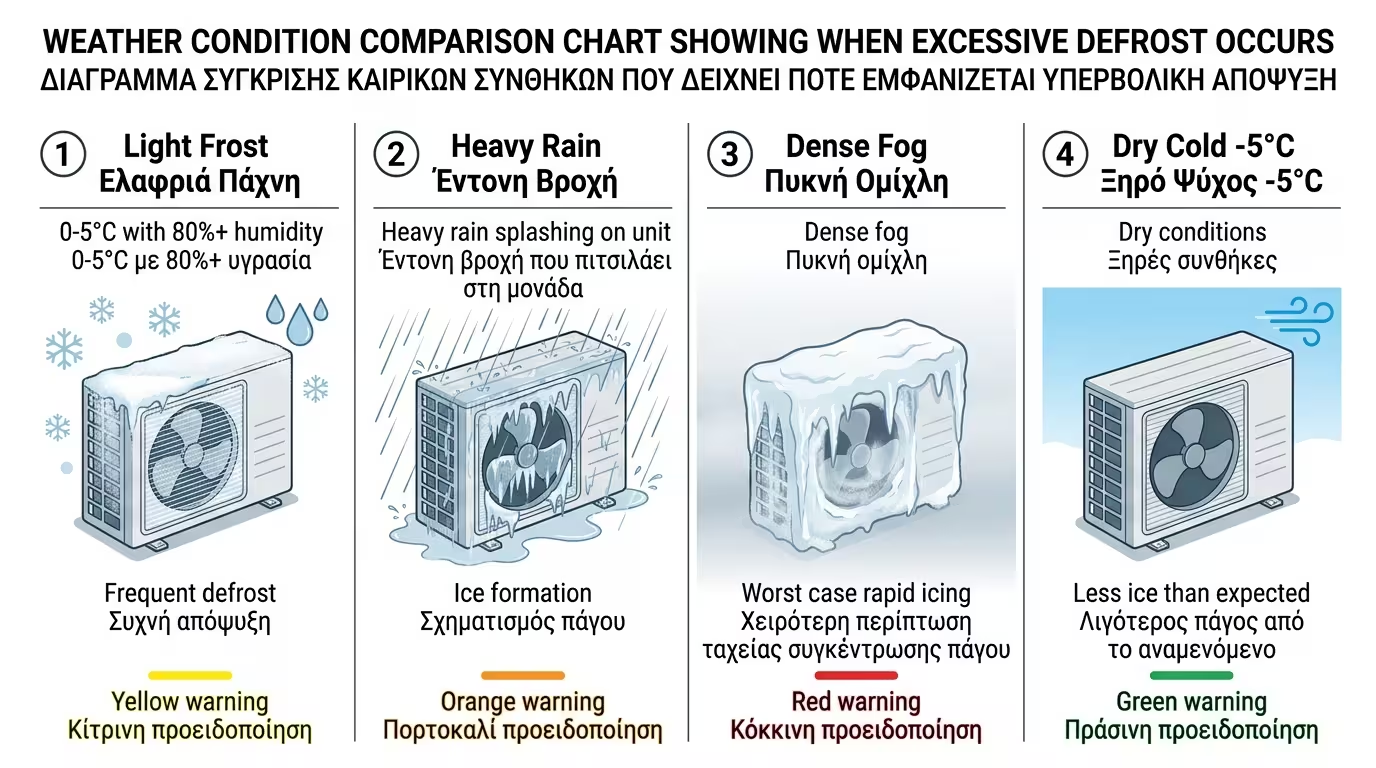
The trickiest zone is 0-5 °C with high humidity. At -10 °C the air is bone-dry and barely forms ice - whereas at 3 °C with rain, ice forms in zero time.
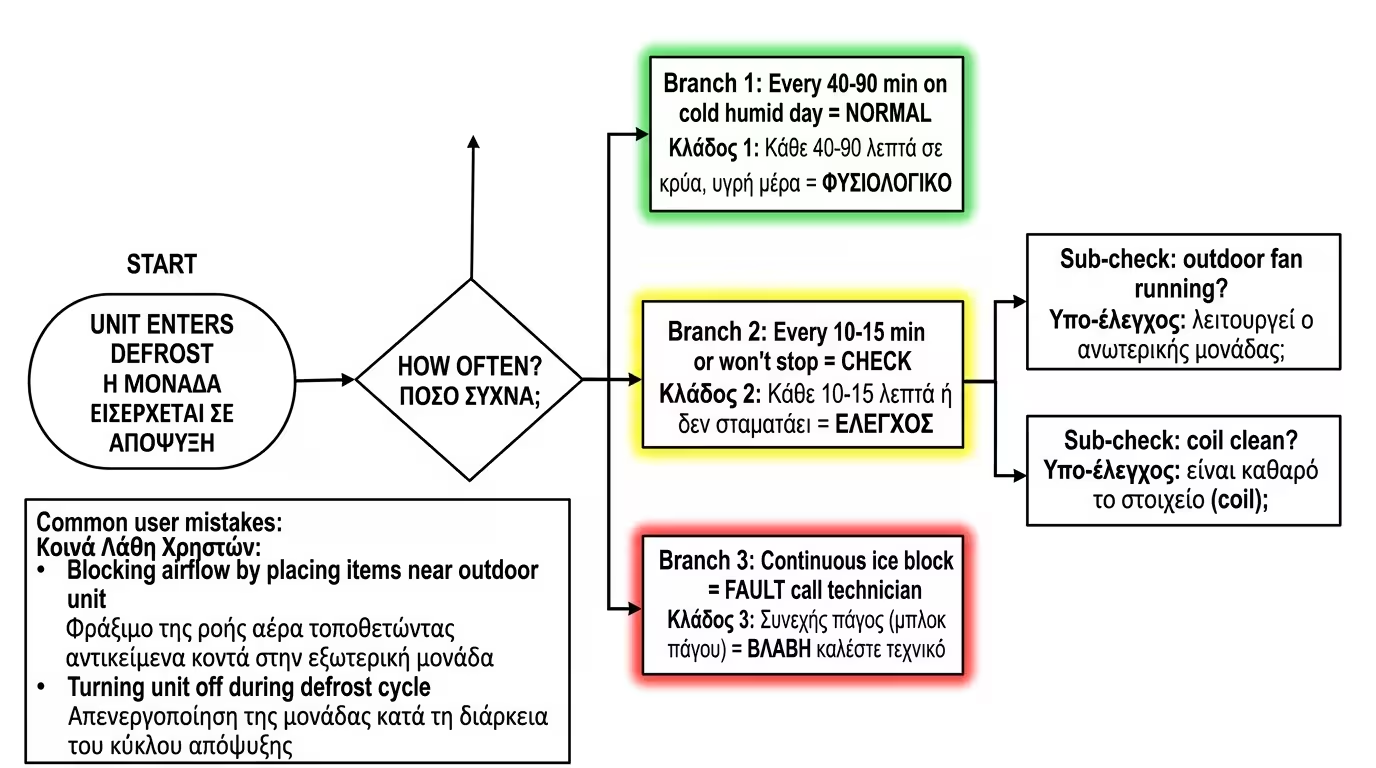
If your unit defrosts every 40-50 minutes on a rainy, cold, humid day - don't call the engineer. It's perfectly normal. But if it defrosts on a sunny day at 10 °C, something is wrong.
Temperature 0-5 °C + extreme humidity, torrential rain or fog. Rain and fog are essentially pure water - the outdoor unit "sucks in" the water and freezes it in zero time. Under these conditions, defrost every 40-50 min is completely expected and normal.
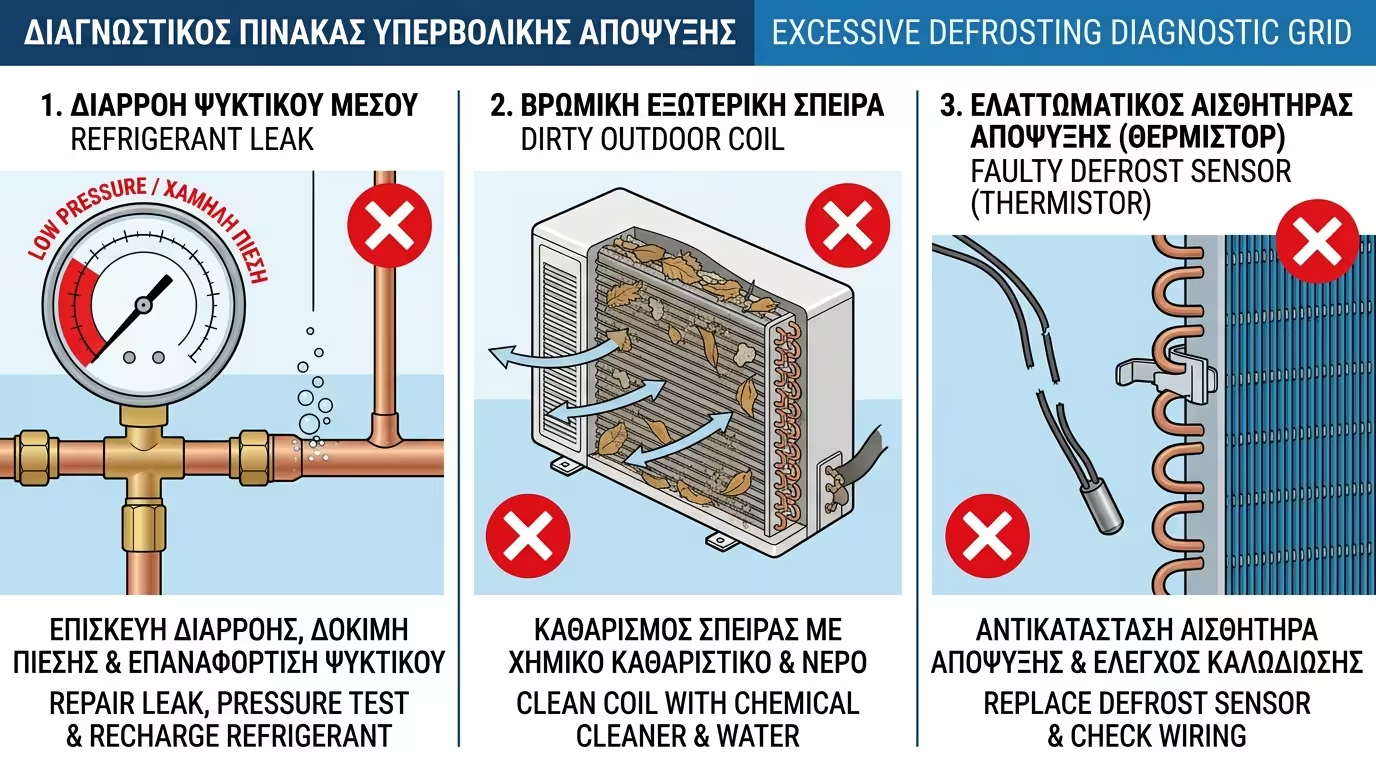
The No. 1 suspect. If the unit has lost refrigerant (from a bad solder joint or fitting), the internal pressures are disrupted. The outside heat exchanger ices up in an unnatural, "sick" pattern, forcing the controller into constant defrost cycles trying to save itself. You urgently need a refrigerant technician for leak detection and recharge.
If the outdoor unit is full of leaves, dirt, pet hair or has plant pots/obstacles blocking it, it can't breathe. Airflow drops, the metal temperature plummets and ice forms immediately. A good hose wash (carefully) often solves the problem.
The thermistor (a small probe on the outdoor coil) "reads" whether there's ice. If it fails or comes loose, it sends a false signal: "Ice! Defrost!" - while the unit is perfectly clean. Replacement: quick-and-cheap.
When the AC stops blowing hot air for defrost, many people get frustrated, switch the unit off and back on hoping for heat. This is destructive!
Switching off interrupts the defrost cycle mid-way. The ice outside remains. When you restart, it will try to work with the existing ice. This leads to massive ice build-up that reaches the fan blades. If the fan blade hits the ice, it will snap and burn out the outdoor motor. Replacement cost: €300-600.
When it's defrosting, leave it alone. It will finish (5-15 minutes) and resume heating on its own. Don't switch off, don't restart!
Perfectly normal. Arm yourself with patience. On extremely humid days, the unit may defrost every 40-50 minutes - this is expected behaviour.
Fault. Check refrigerant levels, clean the heat exchanger, inspect the sensor. Call your engineer to measure refrigerant pressures immediately.
Defrost is not a defect - it's a self-preservation mechanism. If it persists on dry days, the unit is suffering. Don't ignore the signs!
⚠️ Never interrupt a Defrost cycle. Every time you switch off/on, the ice grows out of control.
The Defrost function is not a defect - it's the self-preservation mechanism of your heating system. On rainy, cold days, arm yourself with patience. The unit is doing exactly what it should: clearing the ice so it can continue heating your home effectively.
However, if the phenomenon persists on dry, sunny days and your home never warms up, call your engineer to measure refrigerant pressures - because your unit is suffering!
Return to category.
Go to categoryReturn to the central guide.
Go to guide