⚗️ Chemistry
Iron + Water + Oxygen → Magnetite (Fe₃O₄). The reaction starts from day one and never stops - unless a chemical inhibitor is added. After 10-20 years without protection, the network resembles a sewer.
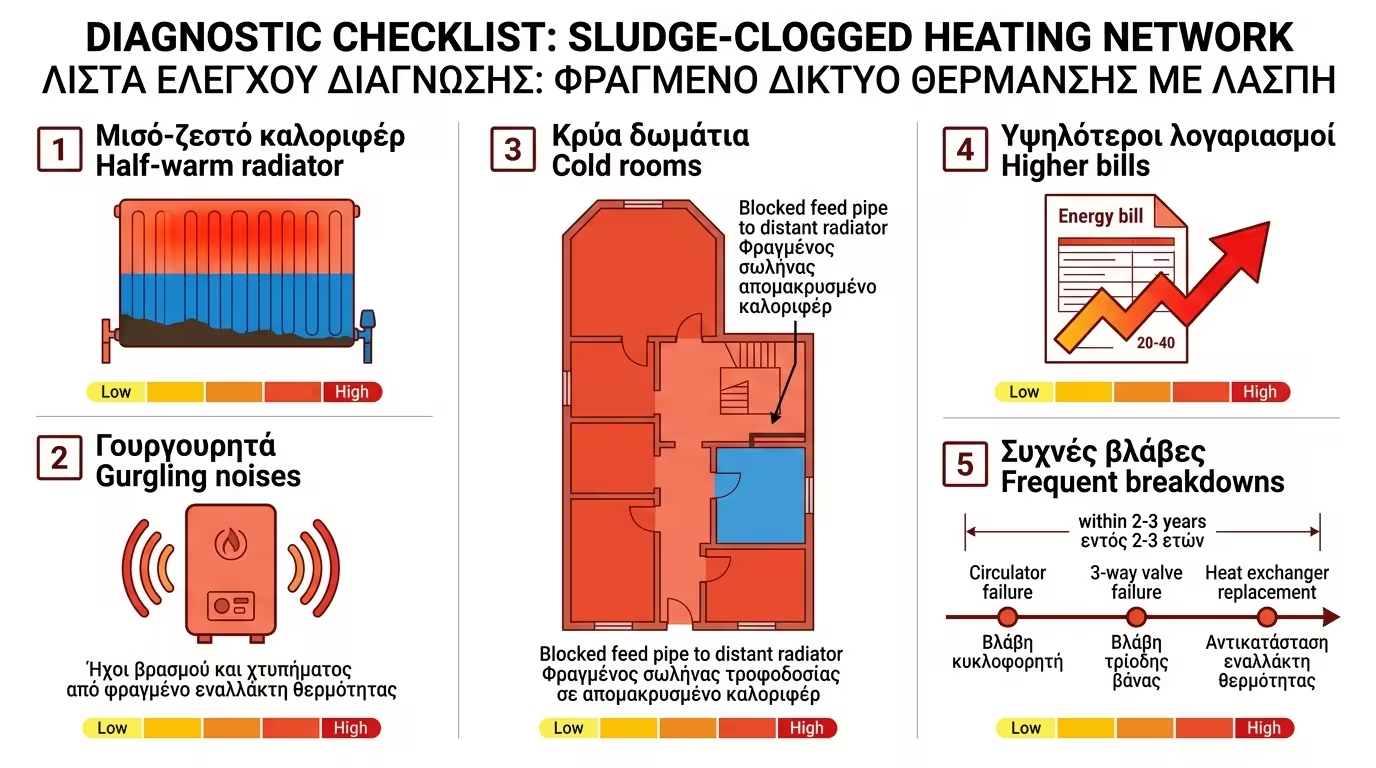
If your radiators only heat up on one half, make noises like a "brass drum", or rooms stay cold while the boiler runs flat out, then black sludge (magnetite) is circulating through the system.
The solution is not replacing the boiler - it is cleaning the "arteries" of your home with Power Flushing.
Magnetite (Fe₃O₄) is a black, sludgy substance that forms inside closed heating circuits. It is the natural chemical reaction between iron, water and oxygen.
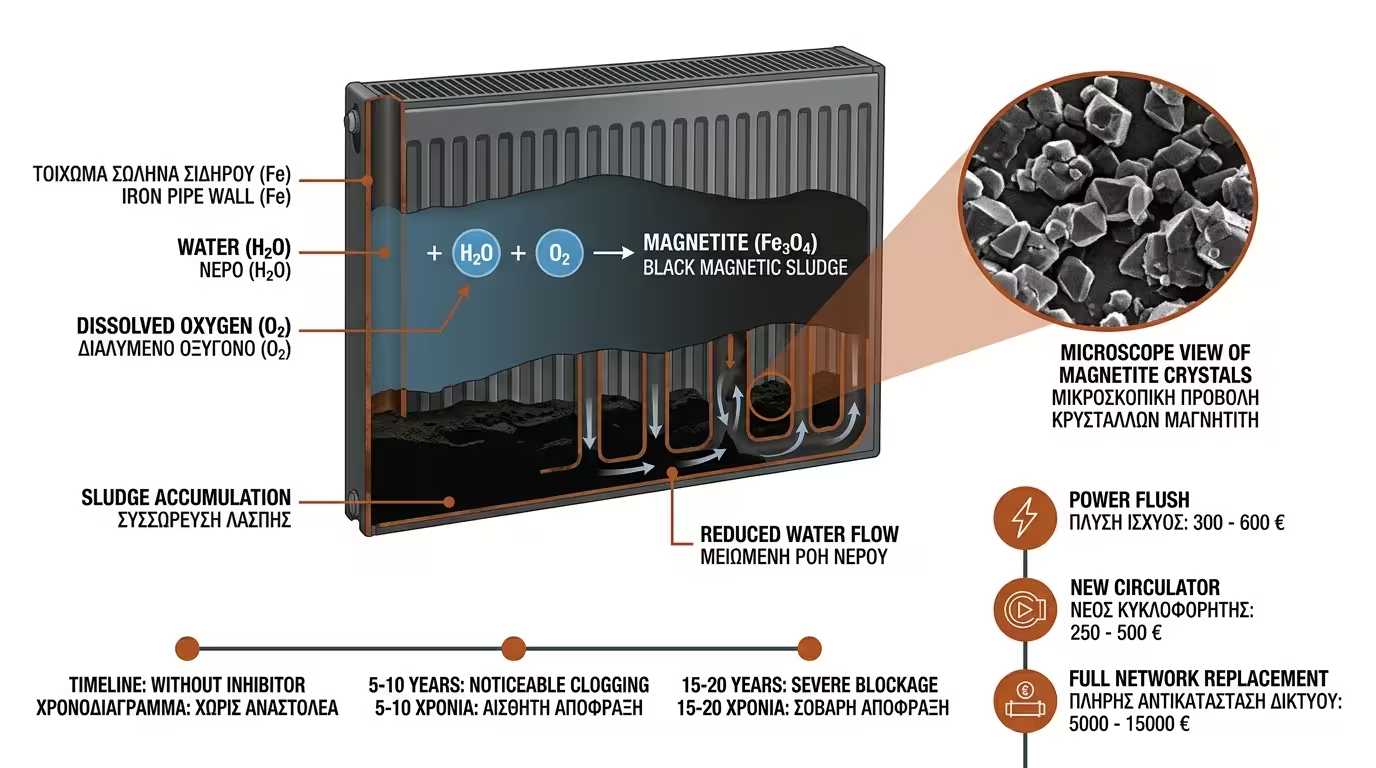
Iron + Water + Oxygen → Magnetite (Fe₃O₄). The reaction starts from day one and never stops - unless a chemical inhibitor is added. After 10-20 years without protection, the network resembles a sewer.
Magnetite - as the name implies - is magnetic. It sticks to every metal surface: heat exchangers, circulators, valves. It fills circulator bearings and "glues" them shut like black chewing gum.
New circulator: €250-500. New boiler heat exchanger: €400-800. Full network replacement: €5,000-15,000. A power flush costs €300-600 - multiple times cheaper.
In unprotected systems, sludge becomes noticeable after 5-10 years. With incorrect pH or frequent water top-ups, it can appear in 2-3 years. Prevention (inhibitor) eliminates formation entirely.
Black sludge does not announce its arrival. It appears gradually - but the signs are unmistakable if you know where to look.
Sludge settles at the bottom of the radiator. Water cannot circulate there - the top heats up, the bottom remains freezing. Classic symptom No.1 in every home with old steel radiators.
Boiling, gurgling, knocking sounds mean air or sludge is blocking flow. The boiler "whistles" because its heat exchanger is partially clogged - heat cannot transfer efficiently.
If one room refuses to heat while the rest are fine, the pipe feeding that circuit is likely clogged. Sludge accumulates at slow-flow points - mainly the most distant radiators.
The boiler runs non-stop but the house stays cold. Consumption rises 20-40%. The 3-way valve, circulator and heat exchanger fail prematurely. You lose money twice: in energy + in spare parts.
The technician brings a specialist Power Flush machine - a powerful pump that creates extremely high water velocity through the network, combined with a cleaning chemical.
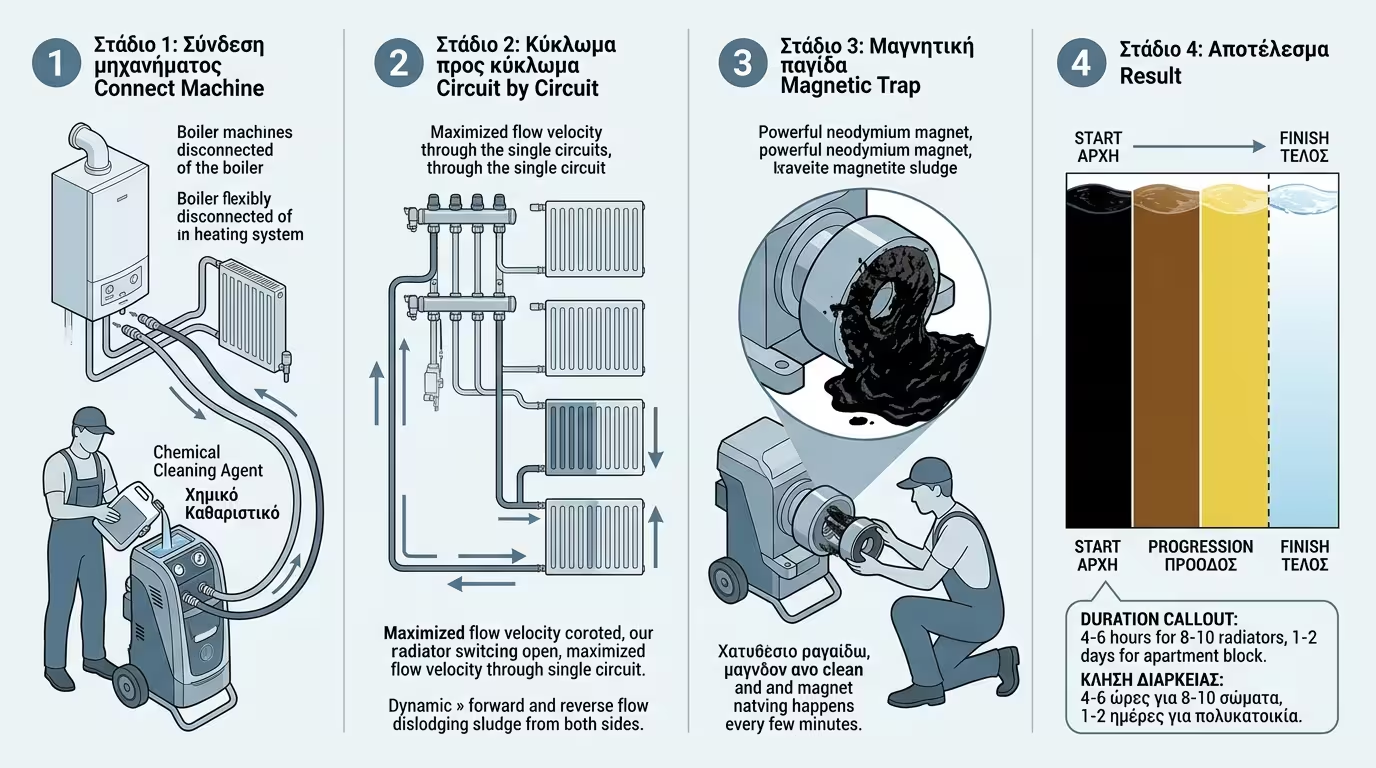
The technician disconnects the boiler and connects the Power Flush machine to the return pipe. The system is filled with water + cleaning chemical (acidic or alkaline depending on sludge type).
Each radiator is opened individually (the rest closed) so water velocity is maximum in each loop. Flow direction is reversed (forward/reverse) to dislodge sludge from both sides.
The machine contains a very powerful magnet that extracts magnetite from the water in real time. Every few minutes the technician removes the magnet - it is black as tar.
Typical house (8-10 radiators): 4-6 hours. Apartment block: 1-2 days. By the end, the water exiting must be crystal clear. The difference in radiator performance is immediate and dramatic.
Cleaning without permanent protection is like brushing your teeth once and never again. The sludge will return within 2-3 years unless you take preventive measures.
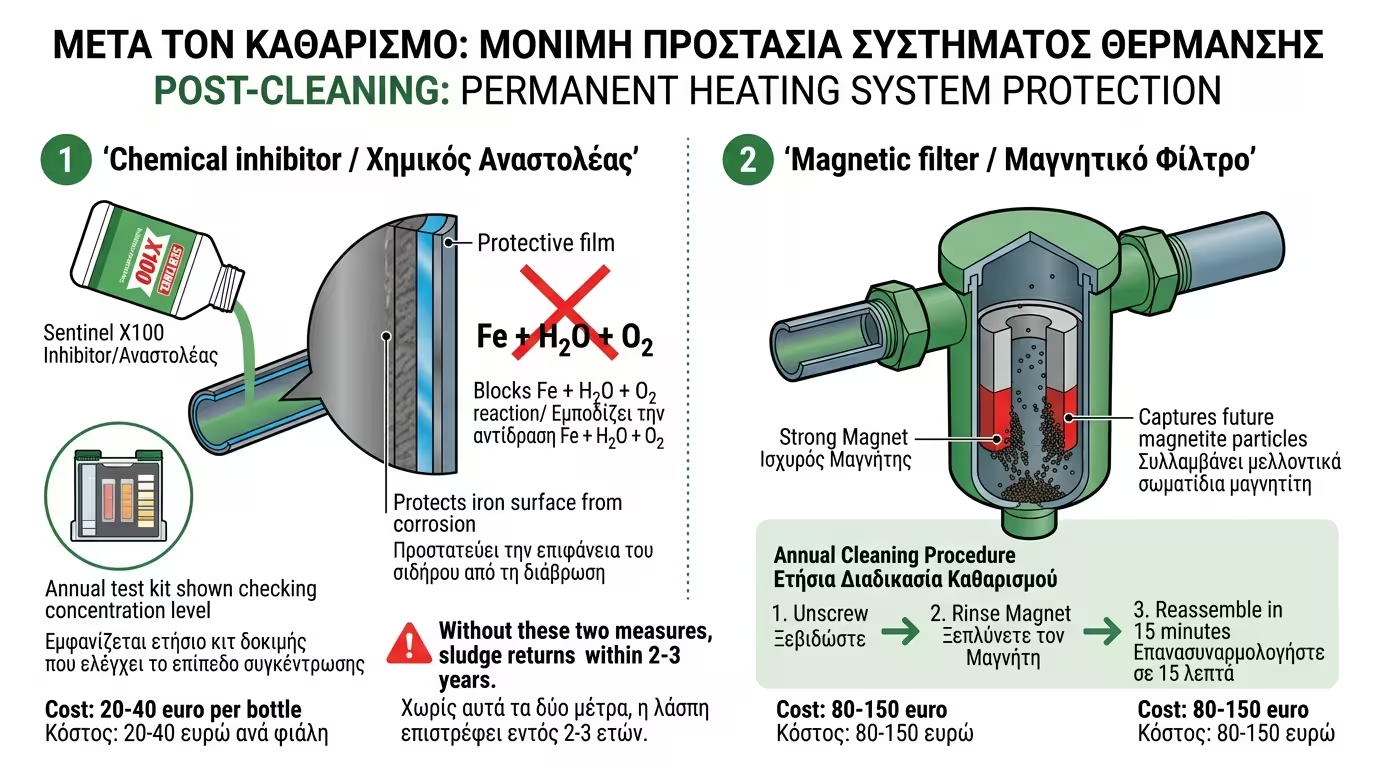
After flushing, the technician fills the network with clean water + chemical inhibitor (Sentinel X100 or Fernox F1). The chemical creates a protective film on metals, stopping oxidation entirely. Cost: €20-40/bottle.
Installed on the return pipe, before the boiler. Traps any particles that form in future. Cleaned annually during routine service - unscrew, rinse, refit. Cost: €80-150.
Each year the technician checks inhibitor concentration with a test kit. If it drops below the minimum, they top up. They also clean the magnetic filter. A 15-minute procedure.
Always before connecting a new heat pump to an old network. Always if you spot the 5 symptoms. Always in a home 15+ years old without inhibitor. New appliance warranties require a clean network.
🔑 Power Flushing is not a luxury - it is "intensive care for the network". €300-600 saves a €10,000+ system and doubles the lifespan of the boiler or heat pump.
Return to category.
Go to categoryReturn to the central guide.
Go to guide