🌡️ Trigger at 3 °C
When water temperature drops to 3 °C, the valve opens slightly and starts dripping. The small flow forces the water to move, delaying freezing. The drip does not drain the system - it acts as a "brake".
In a Monoblock heat pump, the heating water literally travels outside into the cold. If the power cuts during a blizzard, the water freezes, expands and tears the heat exchanger and pipes apart.
Three lines of defence can save an investment of €5,000+ . Let's examine them.
Two small brass valves are fitted externally on the water inlet and outlet. They work without electricity - 100% mechanically via a thermostatic element.
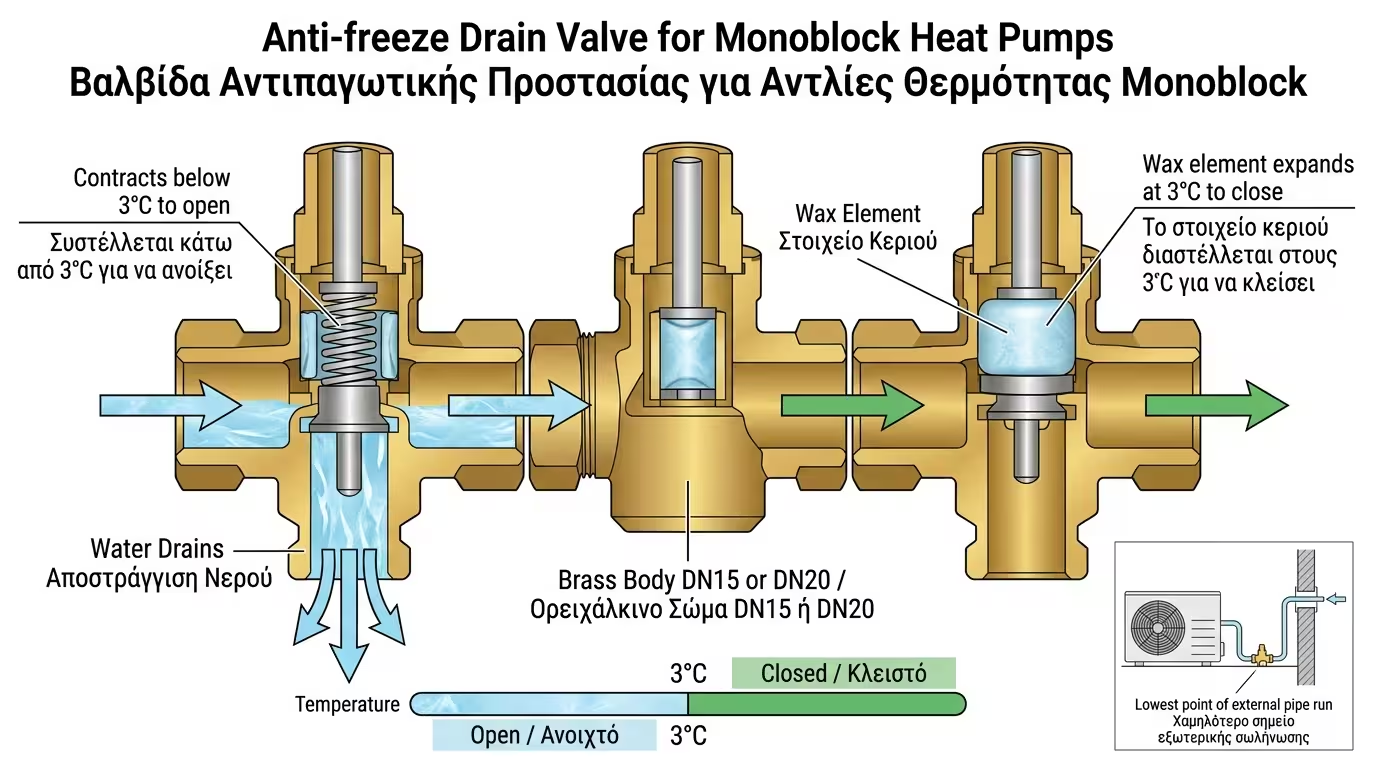
When water temperature drops to 3 °C, the valve opens slightly and starts dripping. The small flow forces the water to move, delaying freezing. The drip does not drain the system - it acts as a "brake".
If water reaches 1 °C (a breath away from ice), the valve opens fully and drains all water onto the ground. Yes, the system will need refilling, but the heat pump is saved.
Unlike electronic antifreeze controls, mechanical valves require no power. They work precisely when a power cut creates the danger. Cost: just €70-120 / pair.
Every Monoblock manufacturer (Daikin, Mitsubishi, LG) specifies in the installation manual: "Frost protection valves: mandatory for outdoor piping". If omitted and the heat exchanger cracks, the warranty is voided.
Outdoor water pipes must be wrapped in Armaflex insulation. Insulation delays freezing but does not generate heat. That is where the heat trace cable comes in.
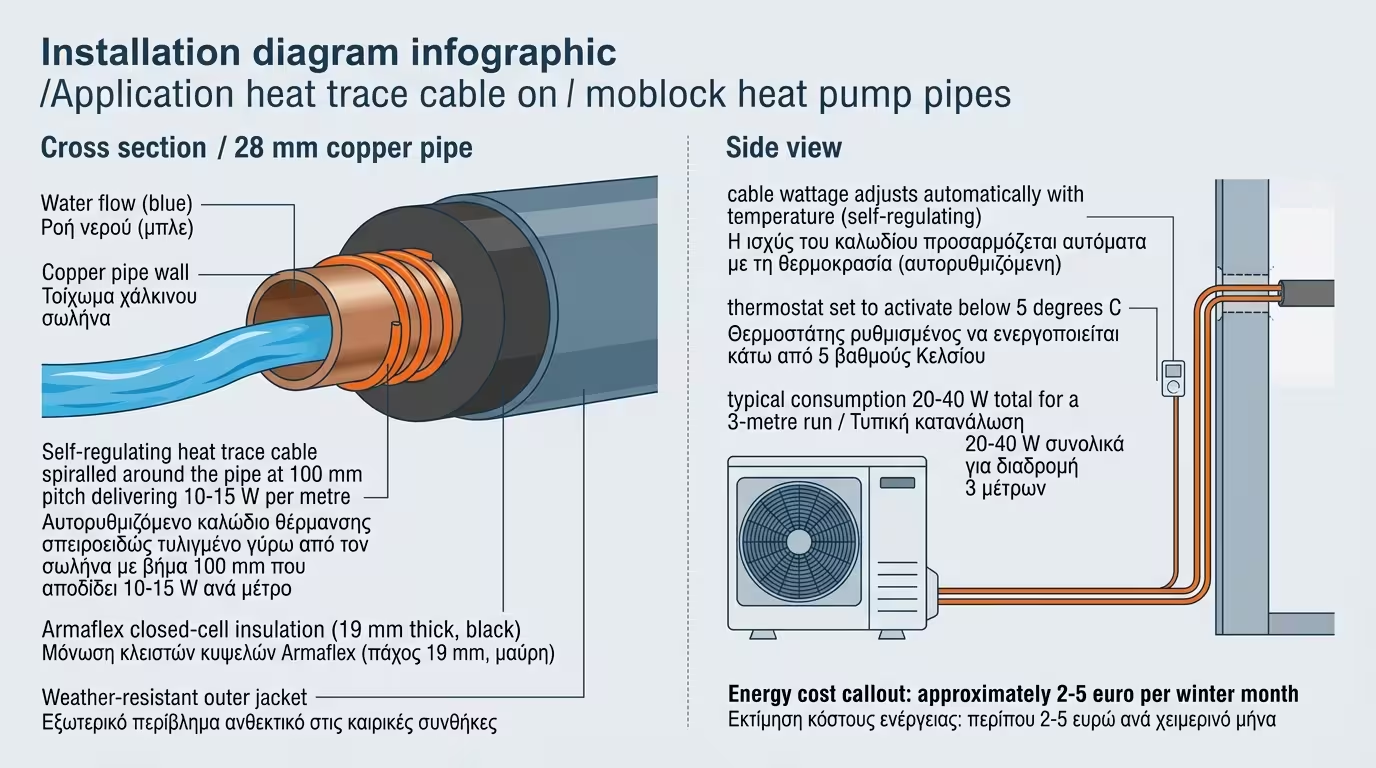
A special cable wraps around the pipes, beneath the insulation. It has a built-in thermostat: as soon as the pipe drops near 0 °C, it switches on automatically and warms the pipe - like an electric blanket.
Self-regulating cables consume 5-15 W/m - tiny wattage. On 4 metres of pipe: just 20-60 W . Less than a light bulb. Electricity cost: under €5/month even during prolonged frost.
The installer wraps the cable in a spiral or straight run around the pipe, insulates with Armaflex over the top, and connects the cable to a waterproof thermostat box. Completed in 1 hour - protects for decades.
Unlike valves, the heat trace cable needs electricity. If the supply cuts, it stops. That is why the golden rule is: valve + cable together - the valve covers the power-cut scenario.
In extreme-cold regions (Florina, Karpenisi) with frequent power cuts, the most robust solution: instead of water alone, a mix of water + Propylene Glycol. Does not freeze even at -15 °C.
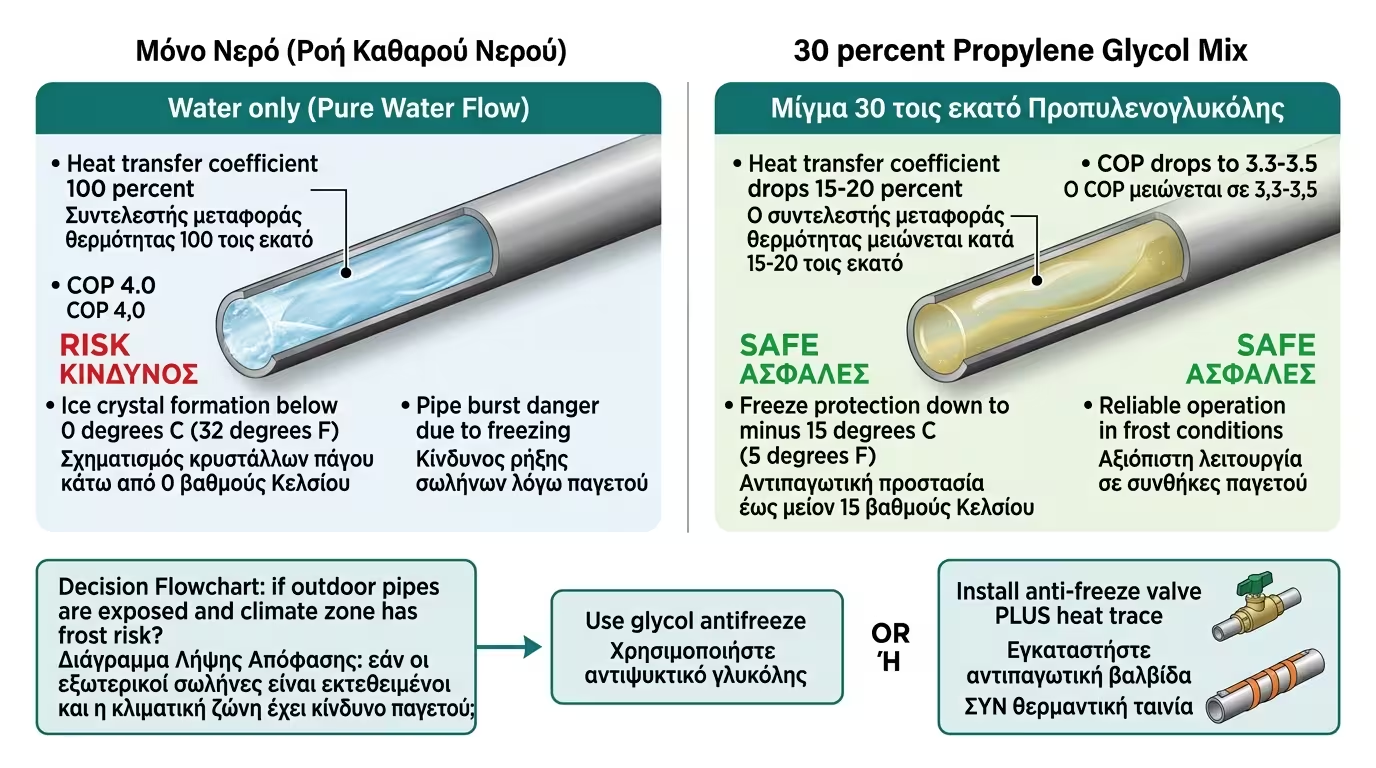
Glycol dramatically lowers the freezing point. A 30% glycol mix does not freeze down to -15 °C. Even if power cuts for 2 days, the heat exchanger is safe. Works exactly like car antifreeze.
For a large underfloor system (over 100 m²), many litres of glycol are needed: €200-400 for the fluid alone. Smaller circuits or secondary loops bring cost down to €80-150.
Glycol is more viscous and transfers heat less efficiently than pure water. The circulator works harder, the heat pump loses 3-5% COP. In monetary terms, that is €20-40/year in extra electricity.
Glycol degrades over time. The technician must check concentration every 2 years with a refractometer. If it drops below 25%, top-up is needed. Protection is not "fit and forget" - it requires monitoring.
The answer depends on your climate and power supply reliability. In practice, a competent installer combines at least two of the three solutions.
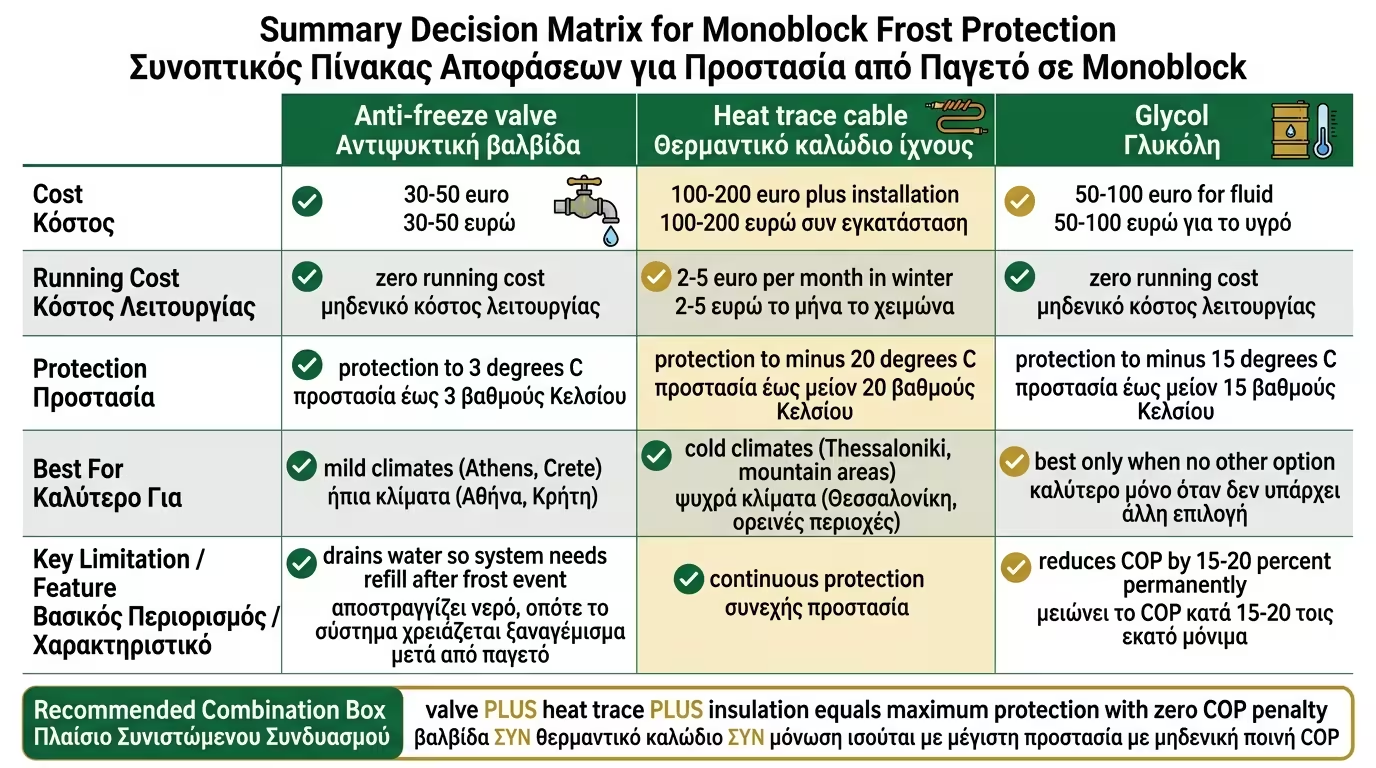
Frost valves only suffice. Frost is rare and brief. Cost: €70-120. The valve activates only if truly needed - a "fit and forget" installation.
Valve + Heat Trace Cable. The valve covers rare power cuts, the cable protects against daily cold. Cost: €150-250. The ideal combination.
Valve + Cable + Glycol. Triple protection for areas reaching -10 °C with frequent power outages. Cost: €400-600. Safety is non-negotiable.
Never let the installer connect outdoor water pipes without at least mechanical frost protection valves. It is a €100 investment that saves a €5,000+ machine.
🔑 A Monoblock heat pump is exposed to the elements. Respect the frost - and it will respect your investment.
Return to category.
Go to categoryReturn to the central guide.
Go to guide