🌡️ How It Works
The engineer sets a temperature (e.g. 2 °C) as the Bivalent Point. Above it, the heat pump handles 100% of heating cheaply. The boiler "sleeps". Below it, the brain automatically fires the boiler .
Your boiler works fine. You want the savings of a heat pump, but wonder: "Why scrap a working machine?"
The answer: Hybrid HVAC Systems. Like hybrid cars - you don't have to choose. You can have both!
A heat pump excels at 2-15 °C - covering 90% of the Greek winter. But in an uninsulated home with small radiators, below 0 °C it struggles.
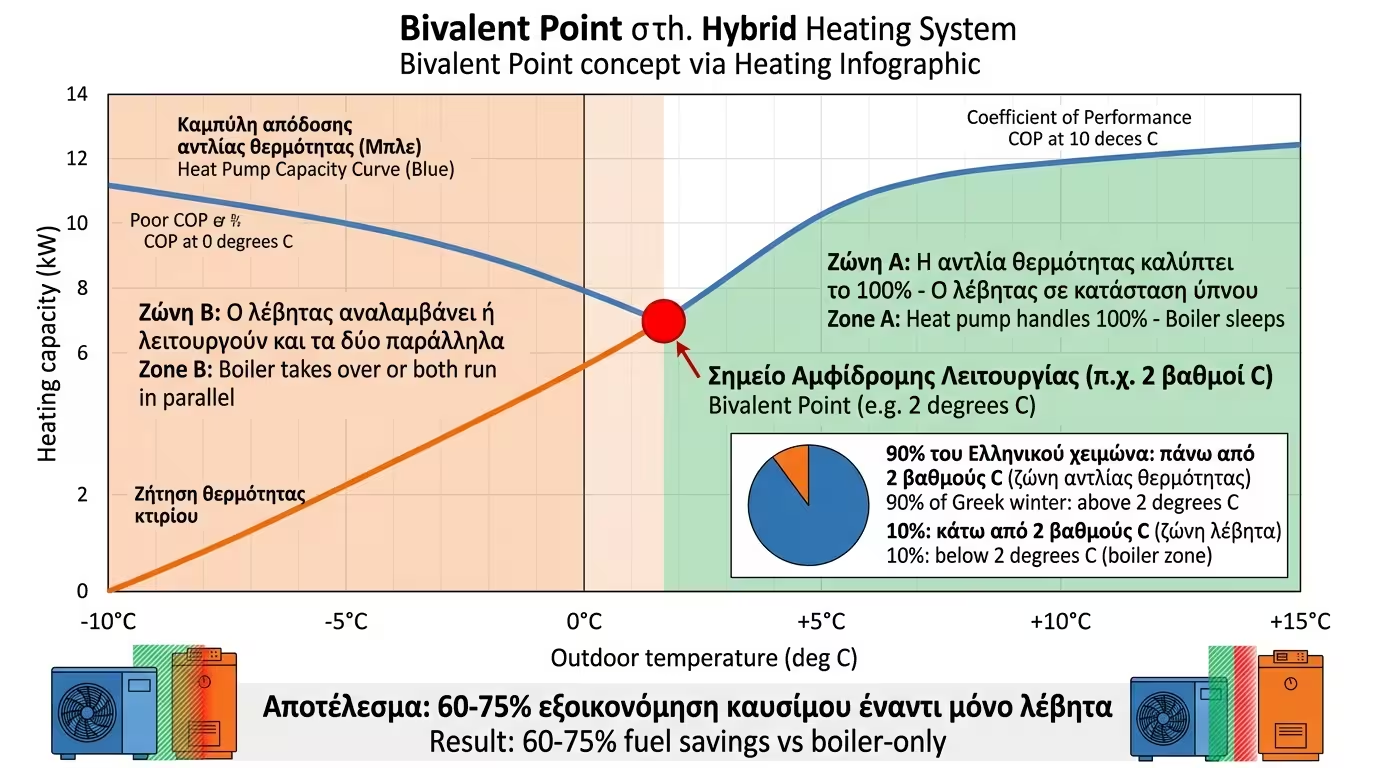
The engineer sets a temperature (e.g. 2 °C) as the Bivalent Point. Above it, the heat pump handles 100% of heating cheaply. The boiler "sleeps". Below it, the brain automatically fires the boiler .
On the coldest days, the boiler instantly delivers 75 °C water to radiators - something the heat pump can't do efficiently in extreme cold. When the weather softens, the heat pump takes the reins again.
In central Greece, the boiler is needed for just 10-15 days/year. The heat pump covers the remaining 150+ heating days. Result: 60-75% fuel savings.
On very cold days (e.g. -5 °C), both can run simultaneously: the heat pump delivers 40 °C and the boiler "boosts" to 70 °C. This is called parallel bivalent and maximises efficiency.
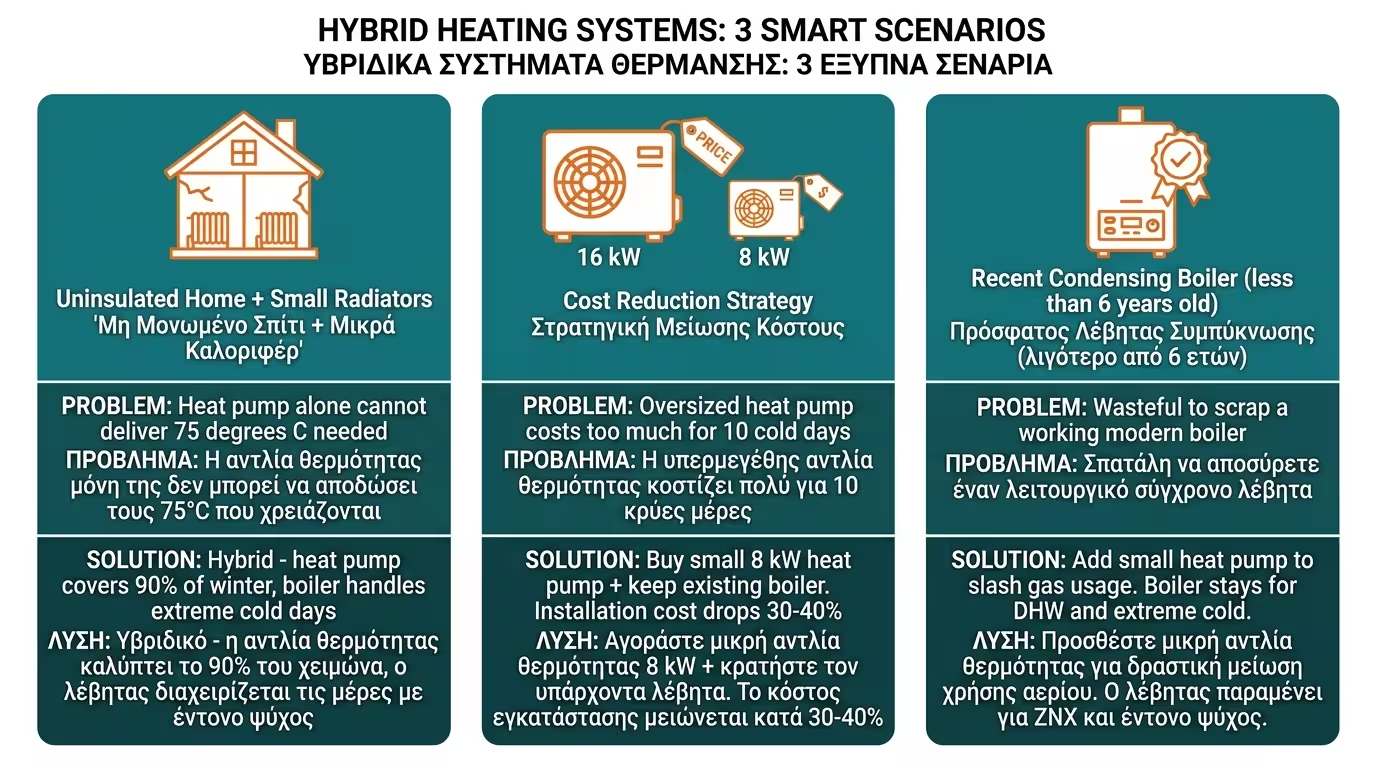
It's not for everyone. But it's the "golden middle ground" in 3 specific scenarios.
If you can't insulate and your radiators are too small (fail the 45 °C test), a heat pump alone won't keep you warm in extreme cold. The hybrid saves you from replacing all radiators - the boiler handles the extreme days.
Instead of buying an expensive 16 kW heat pump (sized for the 10 coldest days), buy a small 8 kW unit. It handles the mild winter; the boiler covers the 10 freezing days. Installation cost drops 30-40%.
If you installed a new gas boiler in the last 5-6 years, tearing it out is wasteful. Adding a small heat pump slashes gas use, leaving the boiler only for emergencies and abundant hot water.
If your area regularly sees -5 °C or lower, a standalone heat pump burns excessive electricity. A gas boiler as backup ensures you never run out of heat, regardless of conditions.
Modern hybrid systems don't switch fuel based on temperature alone - they also factor in price!
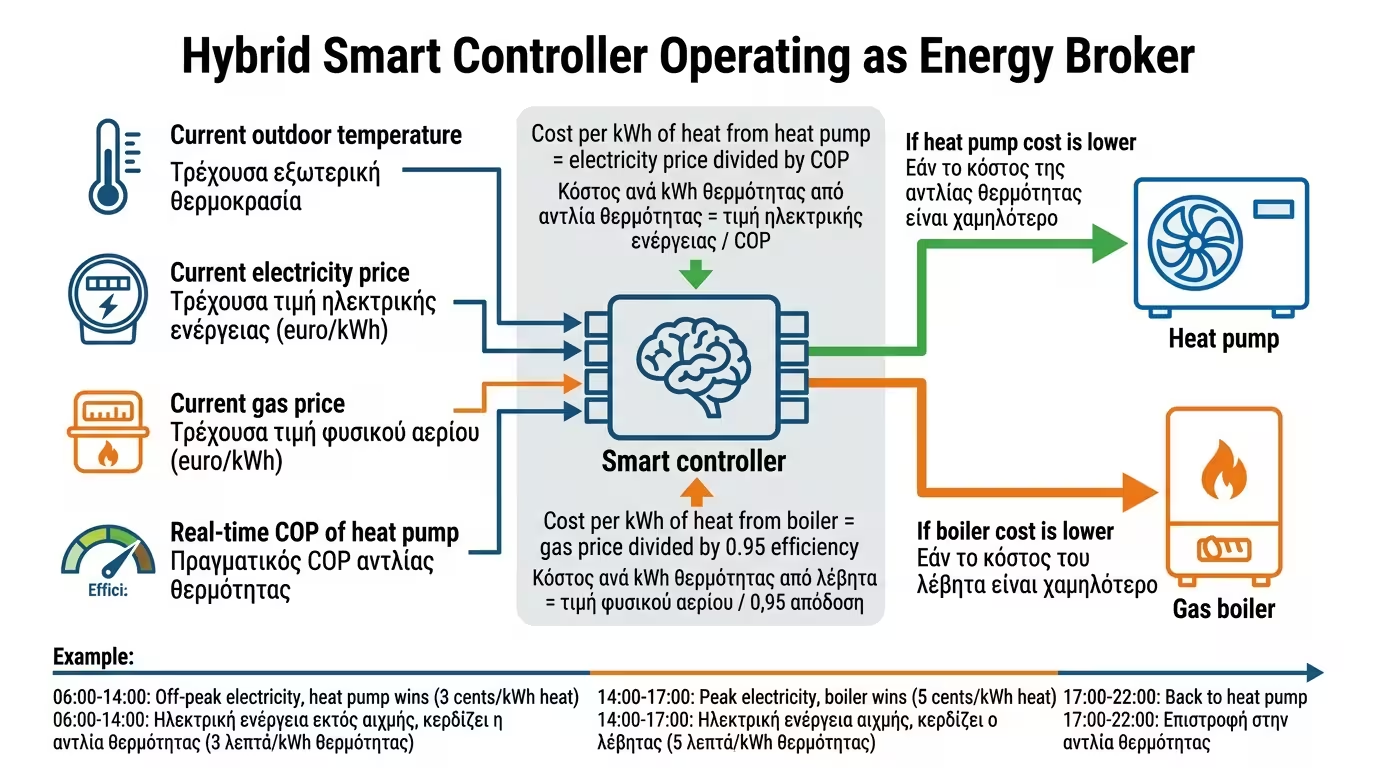
During setup, you enter the current electricity price and gas/oil price into the controller. The system continuously calculates, comparing the heat pump's COP at that moment against the boiler's efficiency.
Every minute, the controller decides on its own which machine is cheaper. If at 14:00 electricity hits peak rates, it may fire the boiler. At 22:00, when rates drop, the heat pump takes over.
No manual intervention needed. The homeowner simply sets the thermostat to 21 °C and forgets. The system autonomously finds the cheapest strategy at every moment.
Many controllers support connections to solar PV or time-of-use tariffs. If tomorrow electricity becomes even cheaper (e.g. via solar panels), the controller will favour the heat pump even more.
Renovation doesn't mean "rip everything out". A hybrid system is the most secure, intelligent and often the best value-for-money transition.
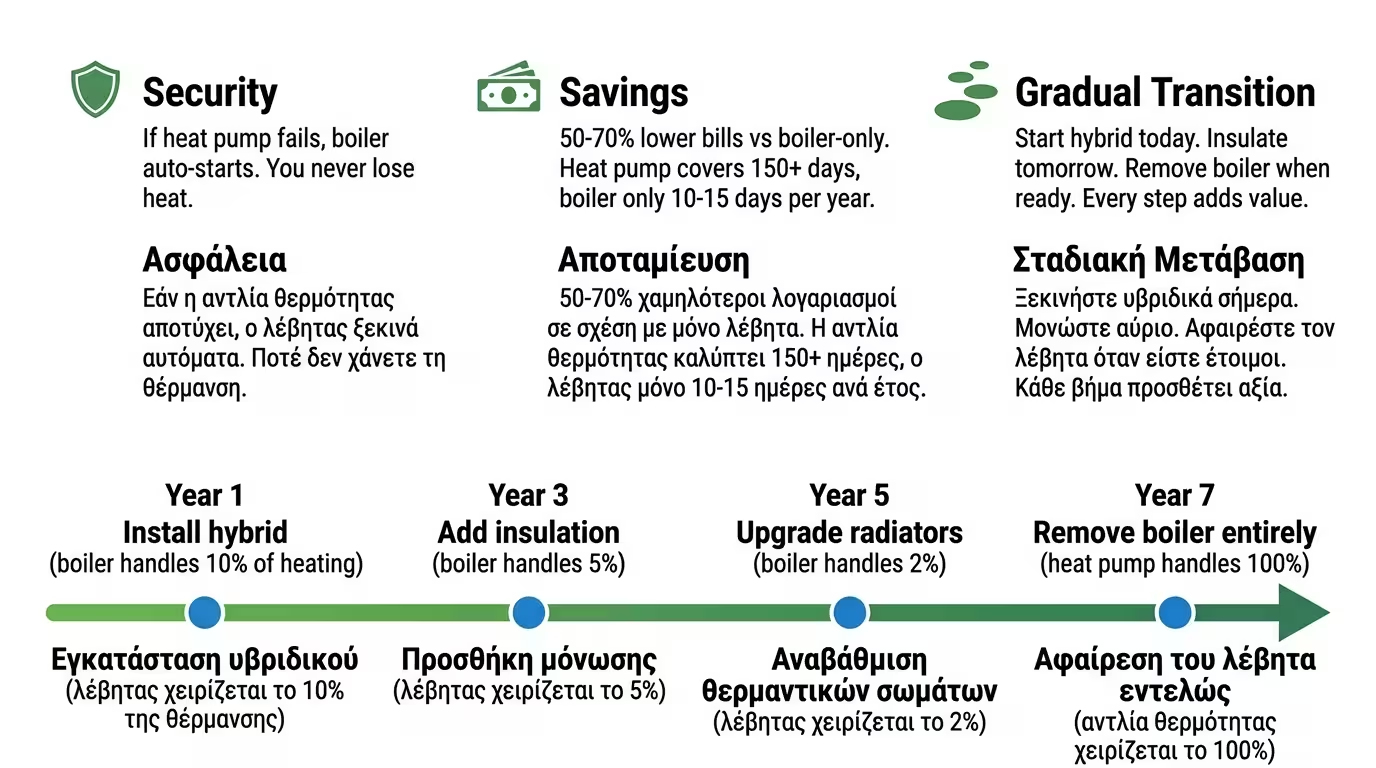
You keep the reliability of the old boiler for extreme days. You're never left without heat, even if the heat pump fails - the boiler takes over automatically.
You enjoy minimal running costs from the heat pump for 90% of winter. Overall savings reach 50-70% compared to the boiler alone.
Start hybrid today. Tomorrow, if you insulate or upgrade radiators, you can decommission the boiler and keep just the heat pump. No waste - every step is leveraged.
Ask your engineer to calculate the Bivalent Point for your home. You'll need: heat loss data, radiator type, and the climate map of your area. With these, you'll know exactly which heat pump you need and how much you'll save.
🔑 A hybrid isn't a compromise - it's strategy. The heat pump wins the mild winter, the boiler handles the extremes. Together, they deliver the cheapest heating at every moment.
Return to category.
Go to categoryReturn to the central guide.
Go to guide