❄️ Blizzard (-5°C)
The house loses a lot of heat. The boiler sends 75°C water, radiators work at maximum and barely maintain 20°C in the living room. Here, 75°C is justified.
You've installed a modern heat pump or condensing gas boiler but haven't activated weather compensation? You're essentially driving a Ferrari in first gear with the handbrake on.
Let's explore the number one secret that HVAC engineers use for fuel savings - and why without it, your heat pump works in permanent "stress mode."
In traditional systems, the boiler is completely "blind" to the weather outside. The plumber set it to heat radiator water to 75°C - fixed, constant, no matter what's happening outdoors.
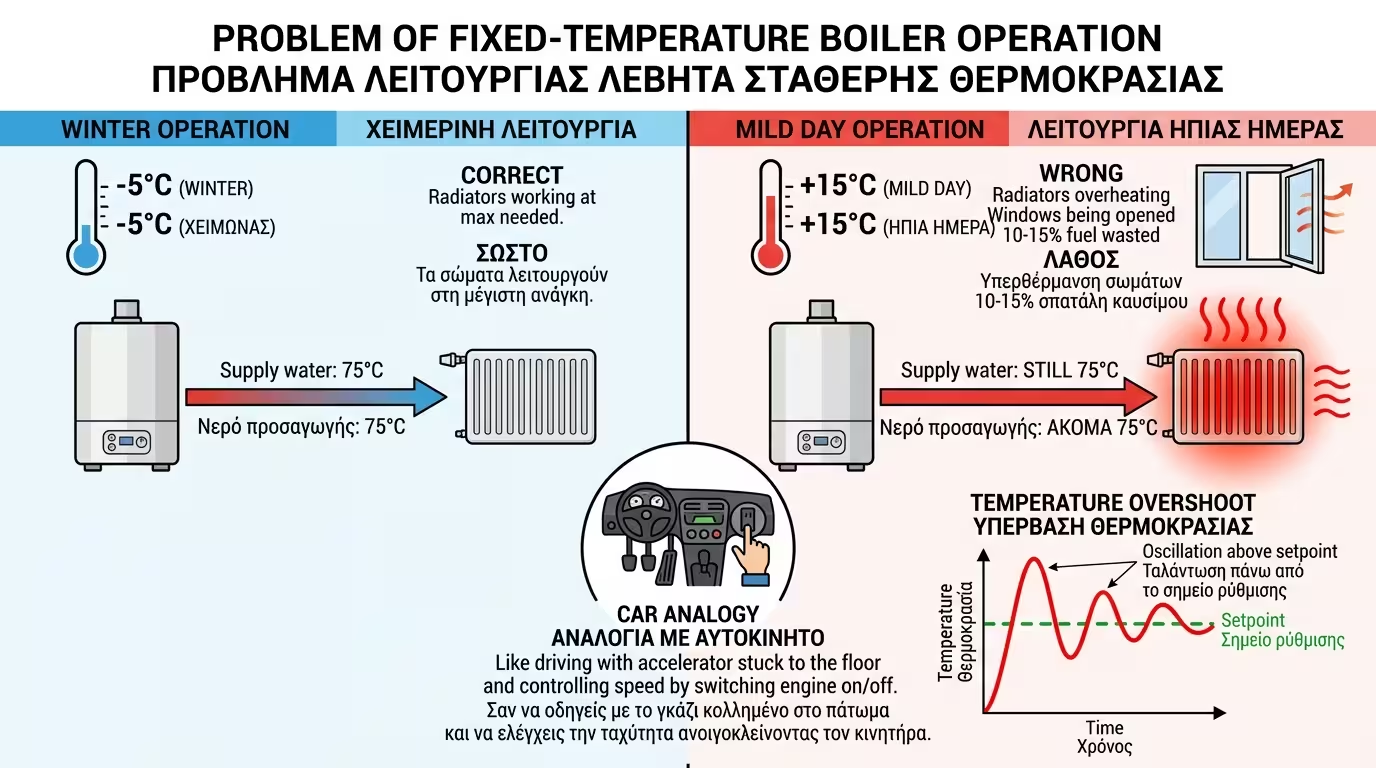
The house loses a lot of heat. The boiler sends 75°C water, radiators work at maximum and barely maintain 20°C in the living room. Here, 75°C is justified.
The house loses very little energy. Yet when the thermostat clicks, the boiler sends 75°C water again! Radiators "scald," the room overheats instantly (overshoot), you open windows, and the boiler has wasted fuel.
It's like driving a car with the accelerator stuck to the floor and controlling speed by switching the engine on and off. No sensible driver would do that - yet most homes work exactly this way.
Every time radiators "scald" unnecessarily, you lose 10-15% of fuel to overshoot. In a 100 m² home, that can mean €200-400/year in wasted energy.
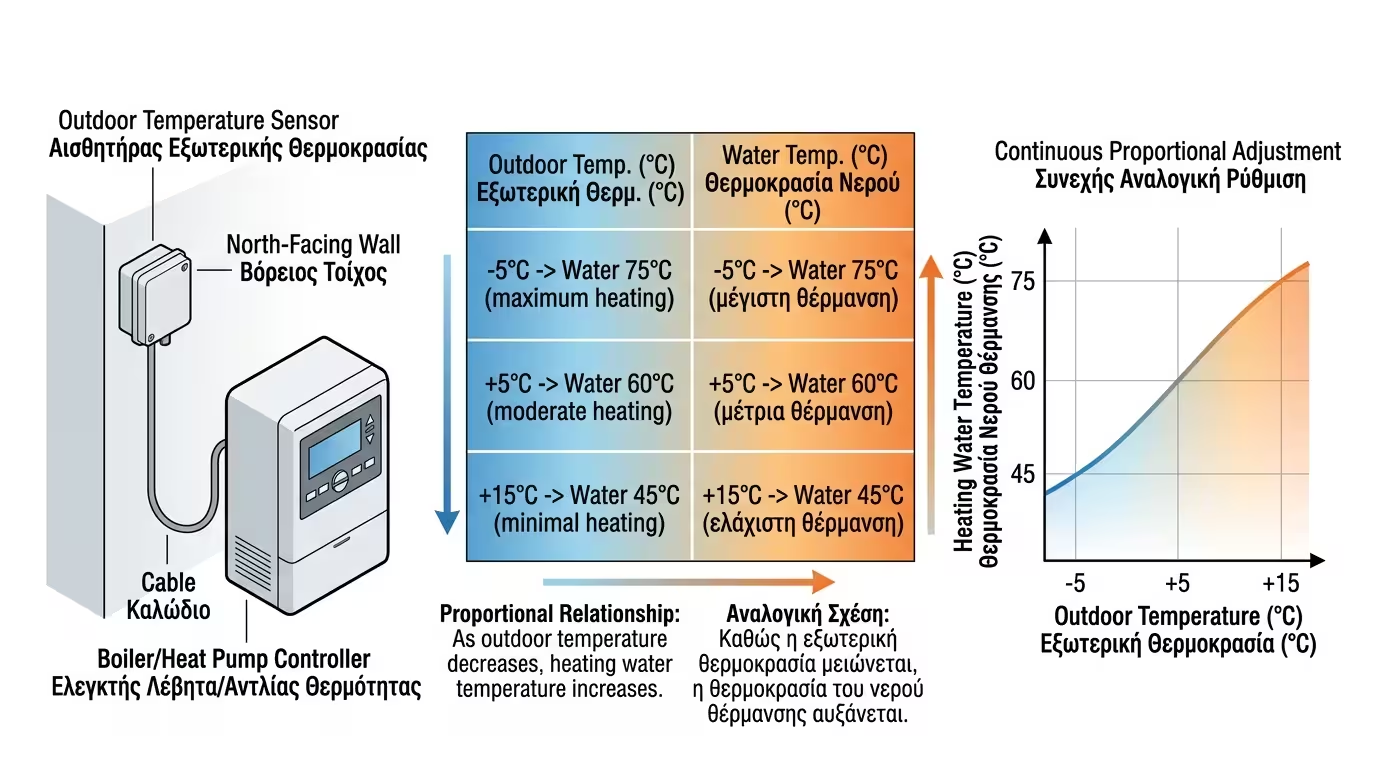
Weather Compensation puts an end to blind operation. An outdoor sensor - a small plastic box on the north wall - "tells" the boiler what the weather is doing outside.
The boiler understands the house is "suffering." It raises water temperature to 75°C for rapid heating. Here, compensation simply confirms that maximum power is needed.
Not as much power needed. The boiler sends 60°C water instead of 75°C. Radiators warm sufficiently without overshoot, and consumption drops noticeably.
The house needs minimal energy. The boiler sends lukewarm water at just 45°C. Radiators are barely warm to touch, home stays at 20°C perfectly, half the fuel is saved!
It's not stepped. Compensation works proportionally: every degree change in outdoor temperature translates to a proportional change in water temperature. Smooth, continuous adjustment - like autopilot.
In oil boilers, compensation saves 10-15%. In heat pumps and condensing boilers, savings reach 30-40%!
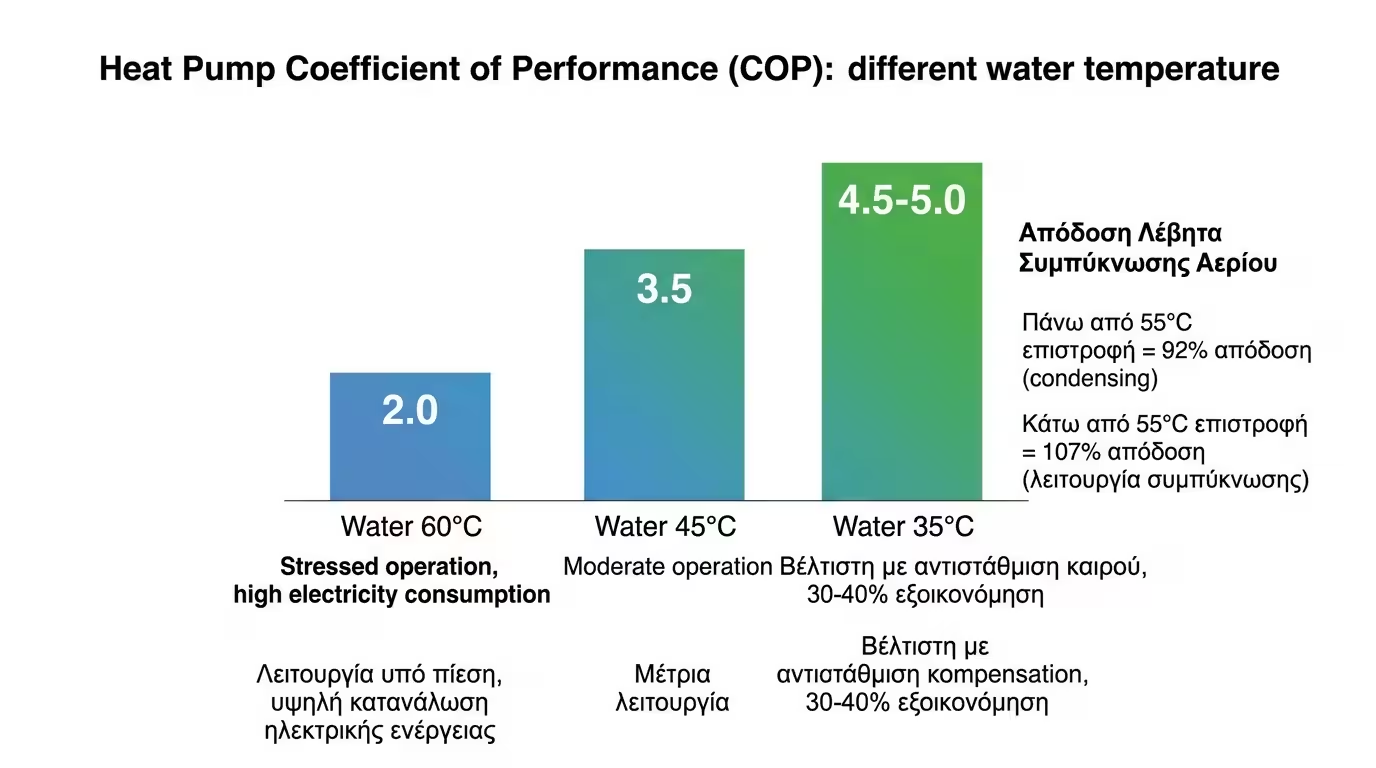
A heat pump's efficiency (COP) depends directly on water temperature. If you demand 60°C water, the pump strains: COP ≈ 2.0 (1 kW electricity → 2 kW heat).
Thanks to compensation, in mild weather the pump produces just 35°C water. It works effortlessly - COP rockets to 4.5 or 5.0 (1 kW → 5 kW heat)!
With compensation, the heat pump runs continuously, silently, at very low Inverter speeds. It sends lukewarm water 24/7. The house becomes an "incubator" that never gets cold - the electricity bill stays rock bottom.
A condensing gas boiler achieves over 100% efficiency only when return water drops below 55°C. Weather compensation ensures this happens every day that weather permits it.
Weather compensation is the "autopilot" of your building. It stops the boiler from burning fuel needlessly on mild days and ensures your machine produces exactly the energy your home is losing at that moment.
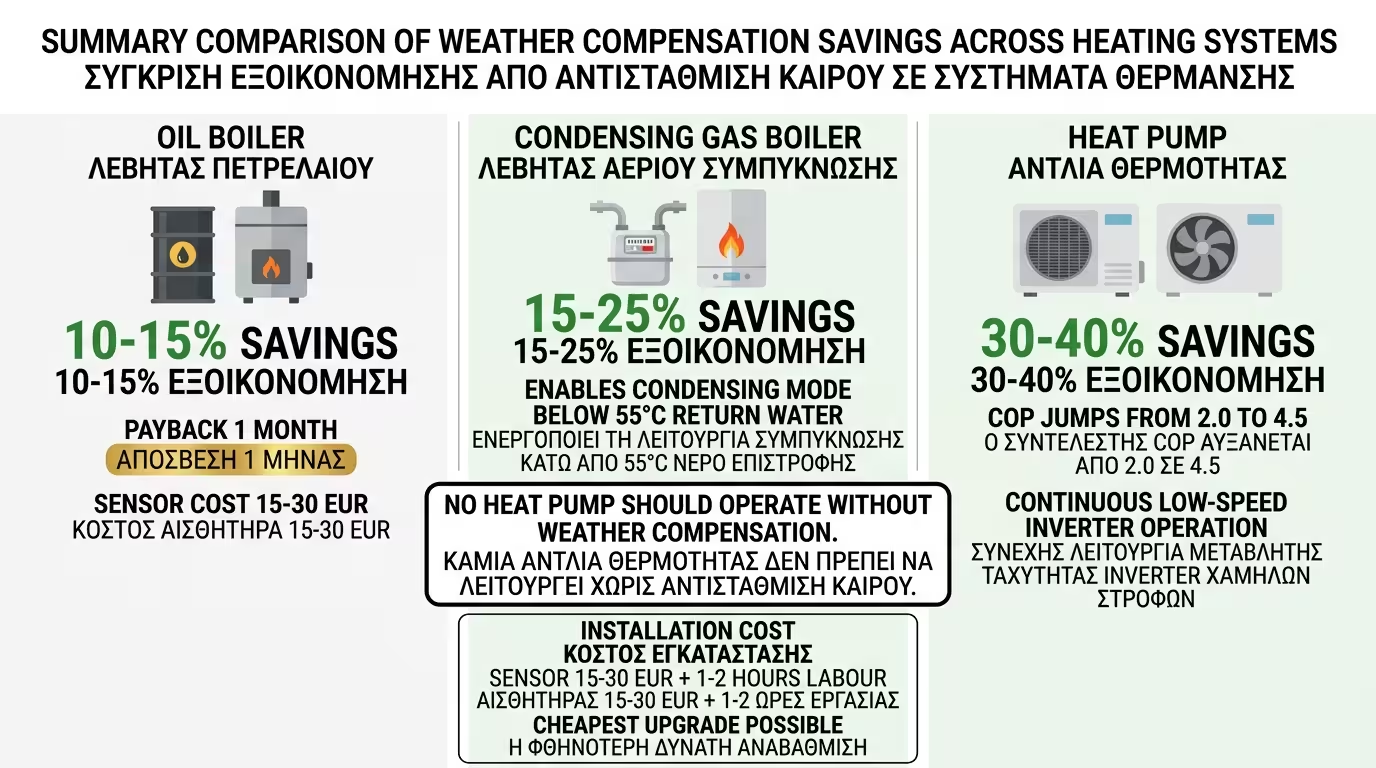
The outdoor sensor costs €15-30. Installation (connecting to boiler/pump + curve setup) takes 1-2 hours of labour. Possibly the cheapest upgrade to your heating system.
On an oil boiler: 10-15% savings, payback in 1 month. On a heat pump: 30-40% savings - compensation pays for itself in weeks.
Nearly every modern boiler and heat pump supports weather compensation out of the box. If you haven't activated it, ask your technician now for an outdoor sensor setup.
No heat pump should operate without weather compensation. Without it, you're paying the electricity bills of someone with an oil boiler - negating every advantage of the pump.
🏠 Weather Compensation = heating "autopilot." Installation cost €15-30, savings 10-40% depending on equipment. If you have a heat pump without compensation, run to install it yesterday.
Return to category.
Go to categoryReturn to the central guide.
Go to guide