⏱️ Latency
You tap the button and the air-conditioner takes 1-4 seconds to respond. In an automation that must react instantly (e.g. open window → kill AC), this delay is unacceptable.
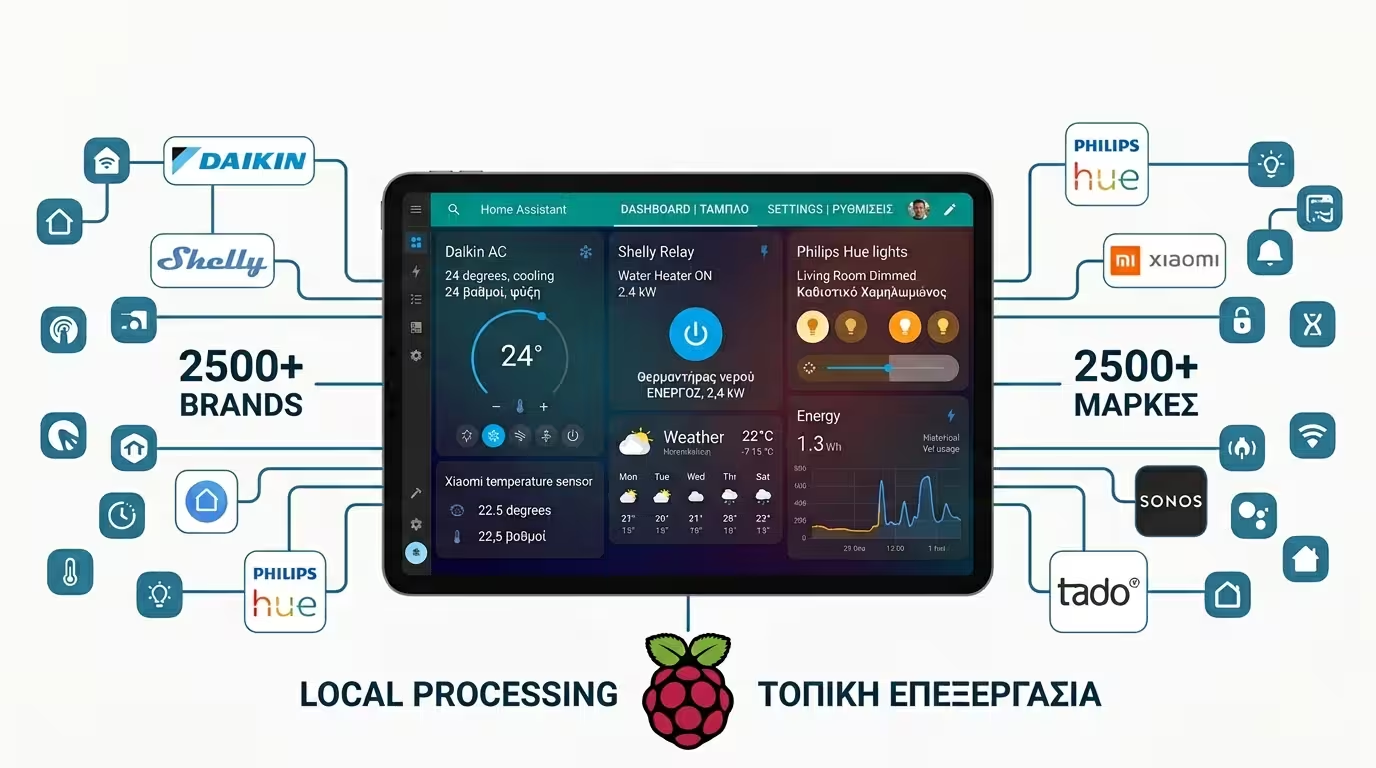
You bought a Daikin AC, Shelly relays, Philips lights, Xiaomi sensors. Result? 5 different apps on your phone that don't talk to each other. And if the internet drops, your "smart" home becomes completely dumb.
Let's meet the tool that unites everything under one roof, locally and for free: Home Assistant.
When you tap the button to switch on your AC from the sofa, the command travels to a server in China or Germany and back. That means delay, dependency, risk.
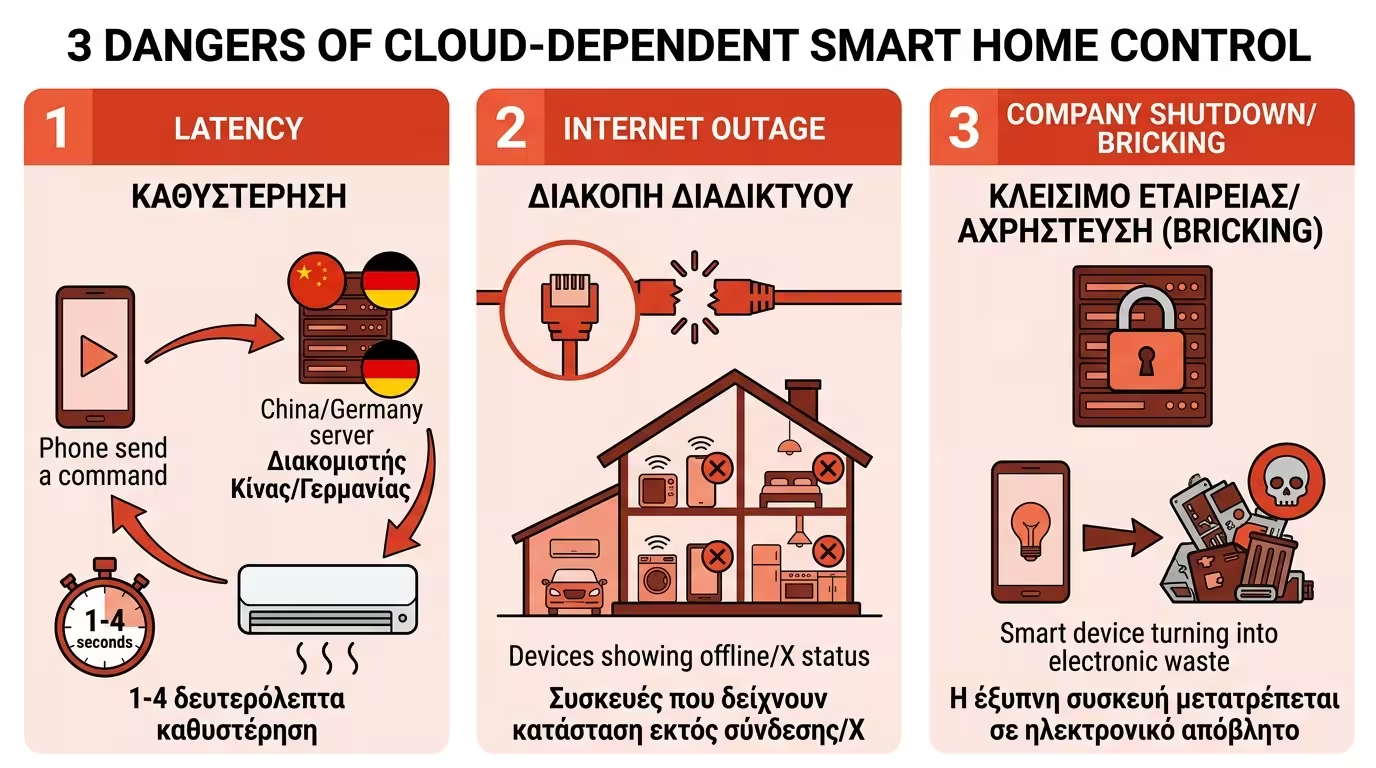
You tap the button and the air-conditioner takes 1-4 seconds to respond. In an automation that must react instantly (e.g. open window → kill AC), this delay is unacceptable.
If your ISP has a fault, you lose control of your home - even though you're sitting inside it! Cloud-based automations stop immediately. You can't even switch on the water heater.
If the manufacturer shuts down its server or demands a monthly subscription, your device becomes electronic waste overnight. It has already happened multiple times with well-known brands (Wink, Insteon, Aqara cloud).
Every command, every temperature reading, every on/off event goes to third-party servers. They know when you leave, when you return, when you sleep. This is a massive privacy concern.
The world's leading free, Open-Source home automation platform. Install it on a small computer (Raspberry Pi or Mini PC) beside your router - it becomes the local "brain" of your home.
Commands travel within the local network (router → AC), never leaving for the internet. Execution in milliseconds. Works even without internet.
Daikin, Tado, Shelly, Philips Hue, Ikea, Xiaomi, Sonos, Samsung TV - all unified on one screen. A single Dashboard replaces 5-6 apps. One app, full control.
There's a native app (iOS / Android) and web interface. You can mount a cheap tablet on the wall as a central control panel - like luxury homes, but costing only €100.
Raspberry Pi 4: €60-80. Installation: download an image, flash an SD card, boot. Within 30 minutes you have a live Dashboard. First integrations are auto-detected.
The real magic happens when devices from different companies start collaborating inside Home Assistant - something impossible with factory apps.
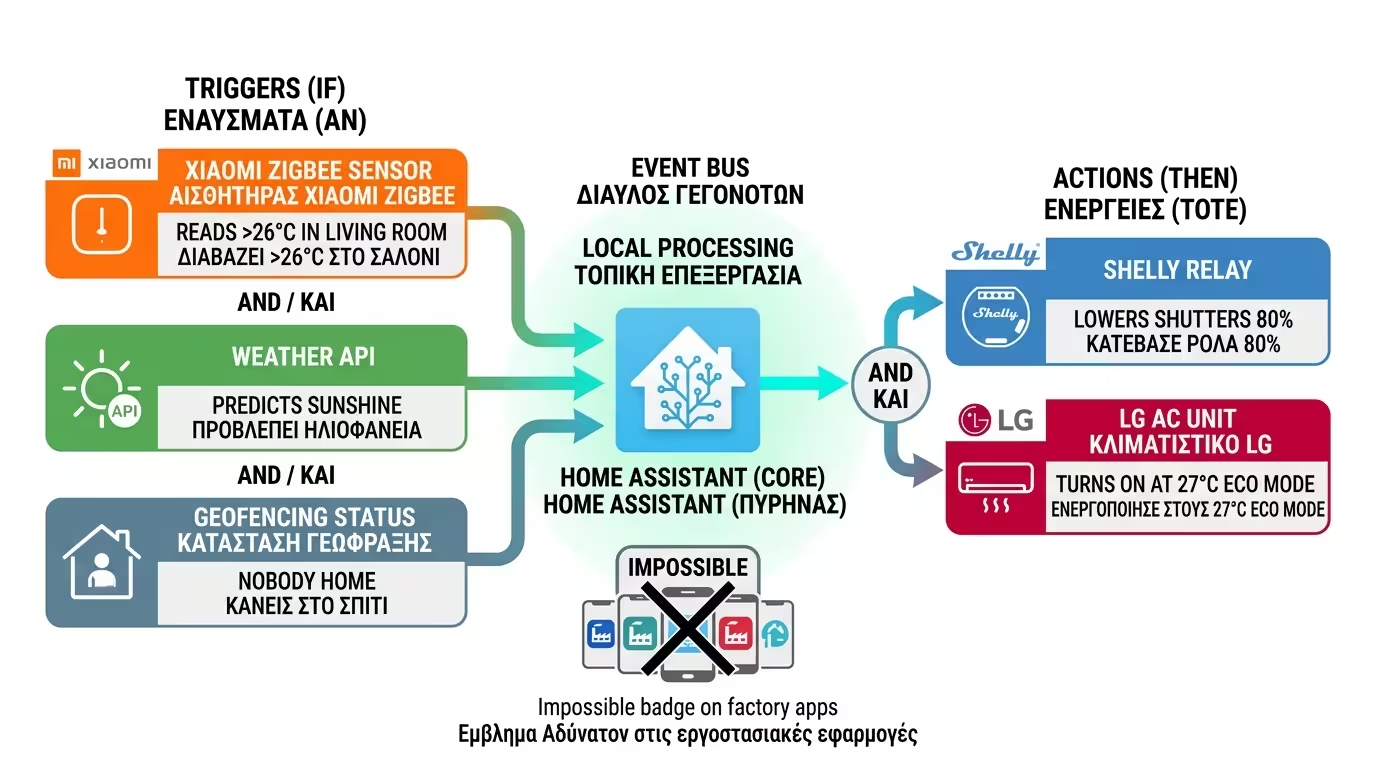
"IF the Xiaomi sensor reads > 26 °C in the living room, AND the weather station predicts sunshine, AND nobody is home (Geofencing), THEN lower the Shelly shutters 80% AND fire the LG AC at 27 °C Eco."
"IF the bedroom sensor drops below 19 °C, AND it's 06:30 (30 min before you wake up), THEN fire the boiler via Shelly dry-contact AND raise shutters 50%."
"IF bathroom humidity exceeds 80%, THEN turn on exhaust AND send phone notification. IF it drops below 60%, turn off exhaust." Zero mould, zero waste.
"IF solar panels produce > 2 kW surplus, THEN turn on the water heater via Smart Plug to store free energy as hot water." Zero grid export.
If you have 2-3 devices, factory apps are fine. If you want a serious Smart Home - heating, VMC ventilation, shutters, solar - Home Assistant is the only way.
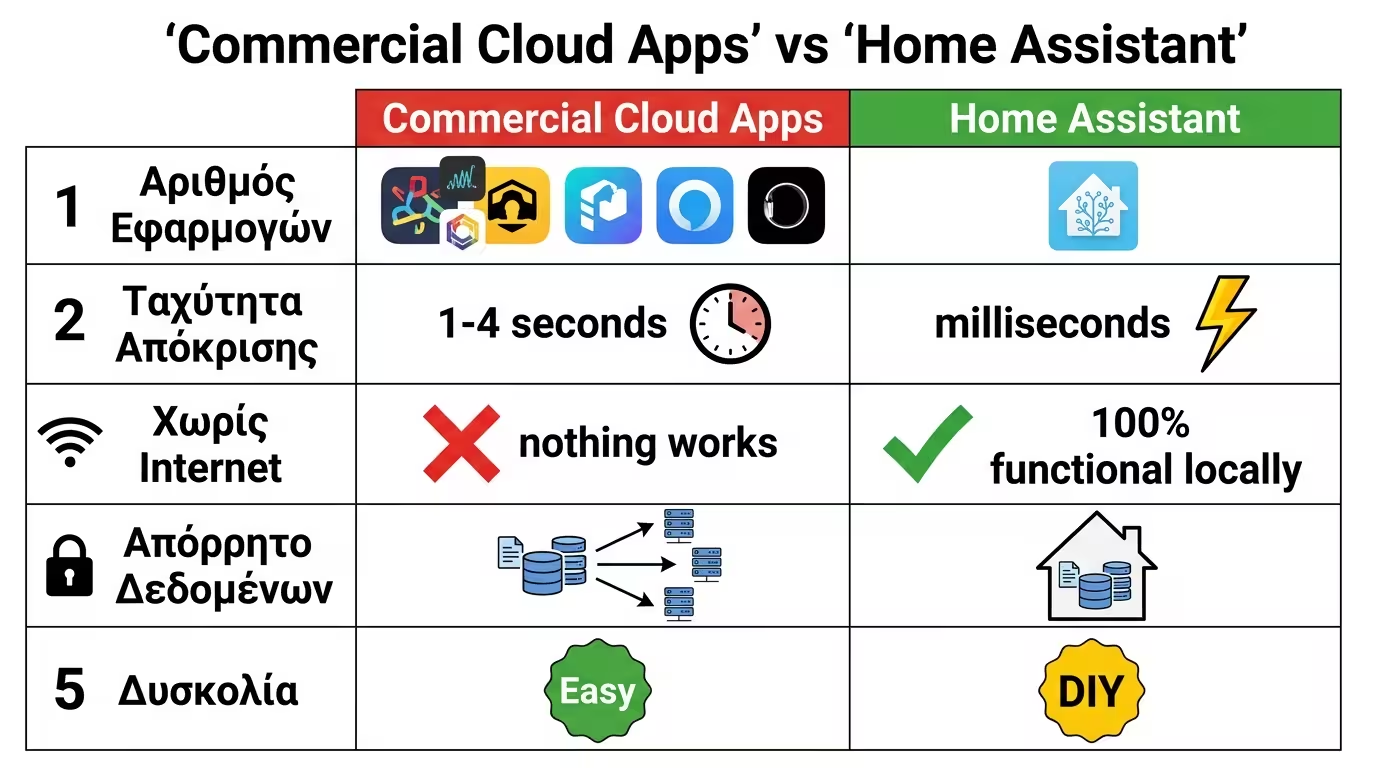
Cloud: one app per brand - chaos with 5-6 apps. Home Assistant: one app for ALL brands, fully customisable.
Cloud: 1-4 second response. Home Assistant: instant, in milliseconds. Huge difference for real-time automations.
Cloud: nothing works. Home Assistant: 100% functional locally. Even if the ISP goes down, the house runs normally.
Cloud: Plug & Play, easy. Home Assistant: requires a bit of reading (DIY community), but the reward is a home controlled by you, not the company.
🏠 Home Assistant breaks down brand barriers. It gives you 100% control of your data and your home. If you're serious about Smart Home, there is no alternative.
Return to category.
Go to categoryReturn to the central guide.
Go to guide