📈 Steep slope (1.5 - 2.0)
For every degree drop, the machine raises water temperature significantly. Suits old, uninsulated homes with small radiators (70-75°C). The house loses heat fast - it needs very hot water.
The Heating Curve is the mathematical rule that "translates" cold into heat: "If it's X degrees outside, send Y-degree water to the radiators."
If you leave it at factory defaults, you're almost certainly wasting electricity. Let's see how to tailor it to your specific home.
The slope determines how "aggressively" the machine reacts when outdoor temperature drops. On screen it appears as a number (e.g. 0.8, 1.2, 1.5).
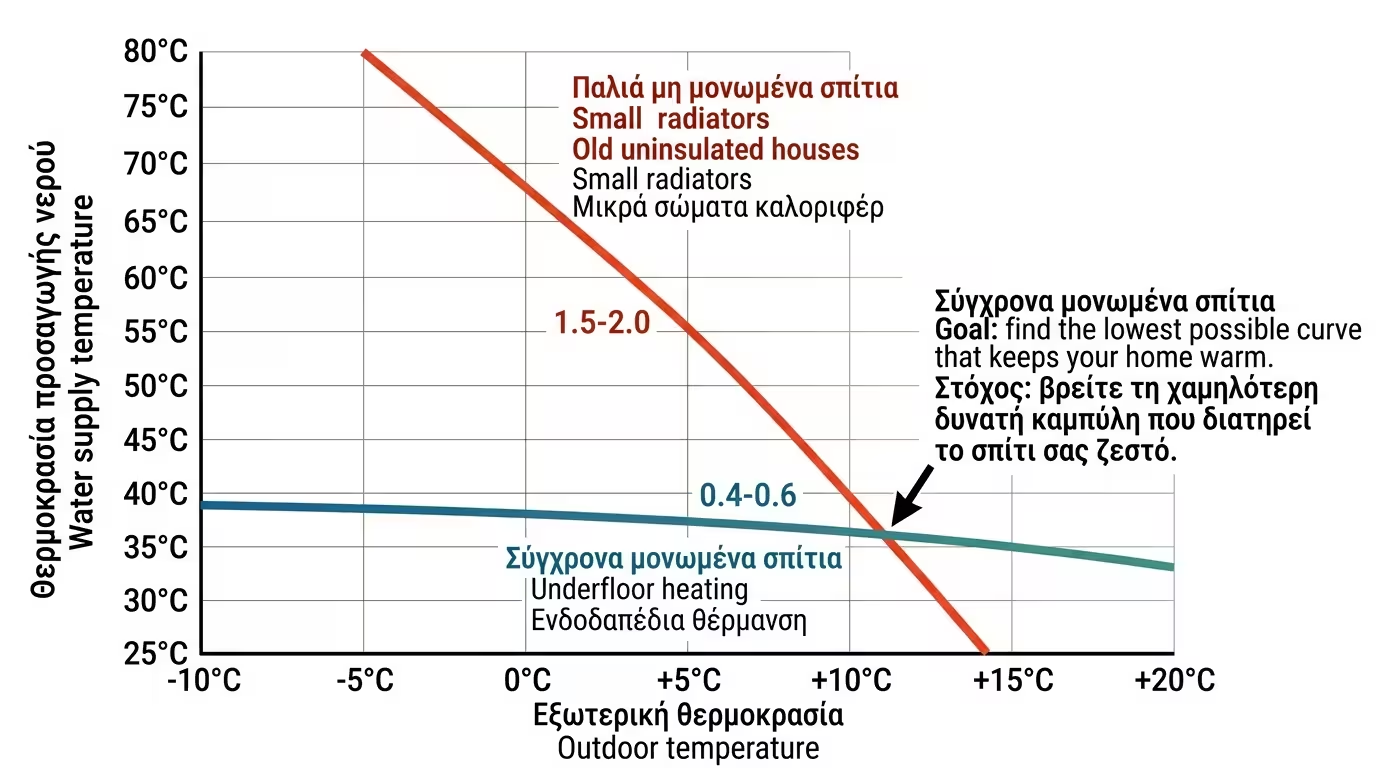
For every degree drop, the machine raises water temperature significantly. Suits old, uninsulated homes with small radiators (70-75°C). The house loses heat fast - it needs very hot water.
Even in snow, water temperature rises very little. Suits modern, well-insulated homes with underfloor or large fan coils (35-40°C). We don't want the machine to "panic."
Find the lowest/flattest curve that keeps the house warm on the coldest days. The lower the line, the higher the COP and the cheaper the bill.
In the boiler/pump menu, usually under "Weather Comp." or "Heating Curve" settings. It appears as a graph or as a slope number. Note: each manufacturer uses a different scale.
You've found the right slope, the system responds to weather changes, but you always feel slightly cold (19°C instead of 21°C) - regardless of whether it's 10°C or 0°C outside. What do you do?
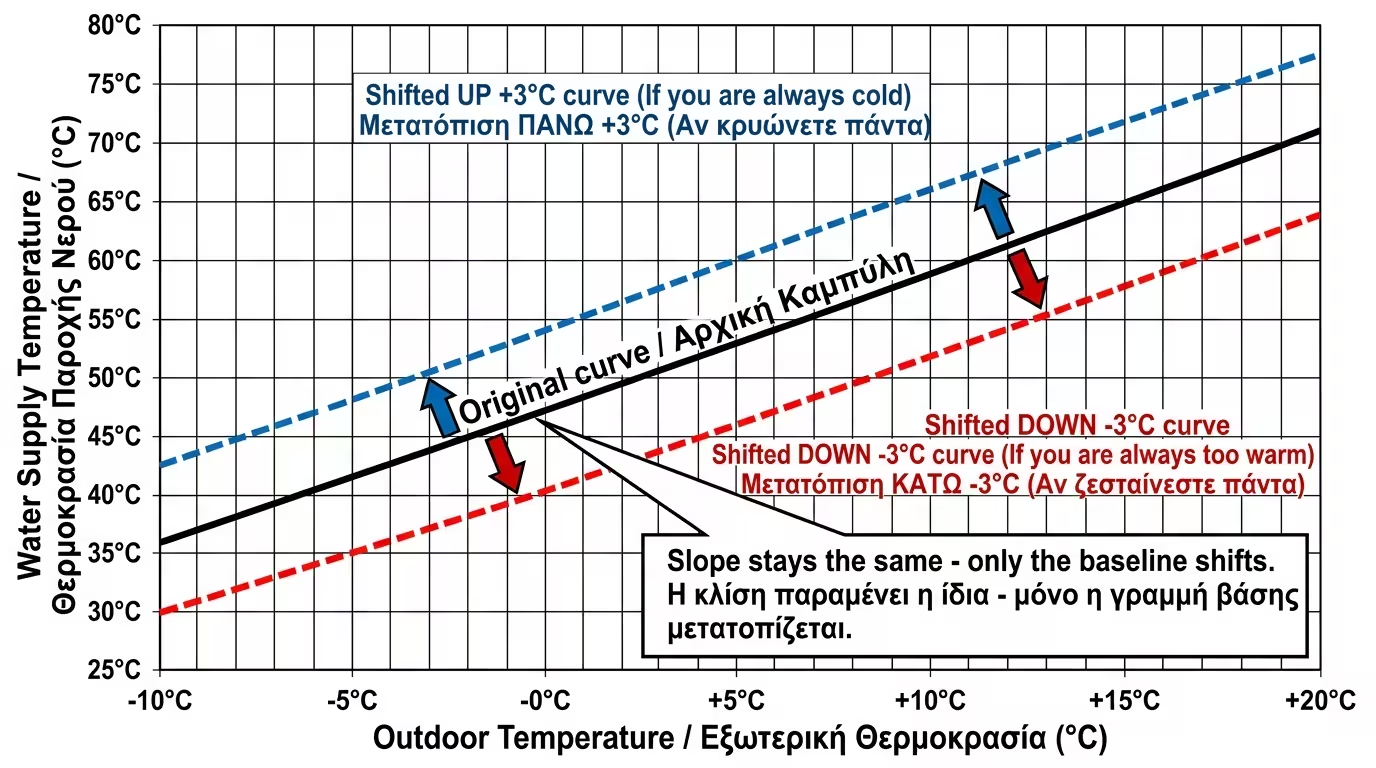
If you're always cold, don't touch the slope. Raise the entire curve by +2 or +3°C. This says: "Do what you do, but always give me 3°C warmer water in all weather."
If you're always too warm, lower the curve by -2 or -3°C. The machine sends cooler water in all weather - huge savings without losing comfort.
Slope = how fast water rises when weather drops. Shift = how warm water is overall. Two completely different settings - don't mix them up!
Adjust slope first (on a cold day). Once the slope is right, then adjust the shift (on a mild day). Never change both at the same time.
Engineers set values based on heat-loss calculations, but the "final touch" is always empirical - from you, living in the house. Use this troubleshooting compass:
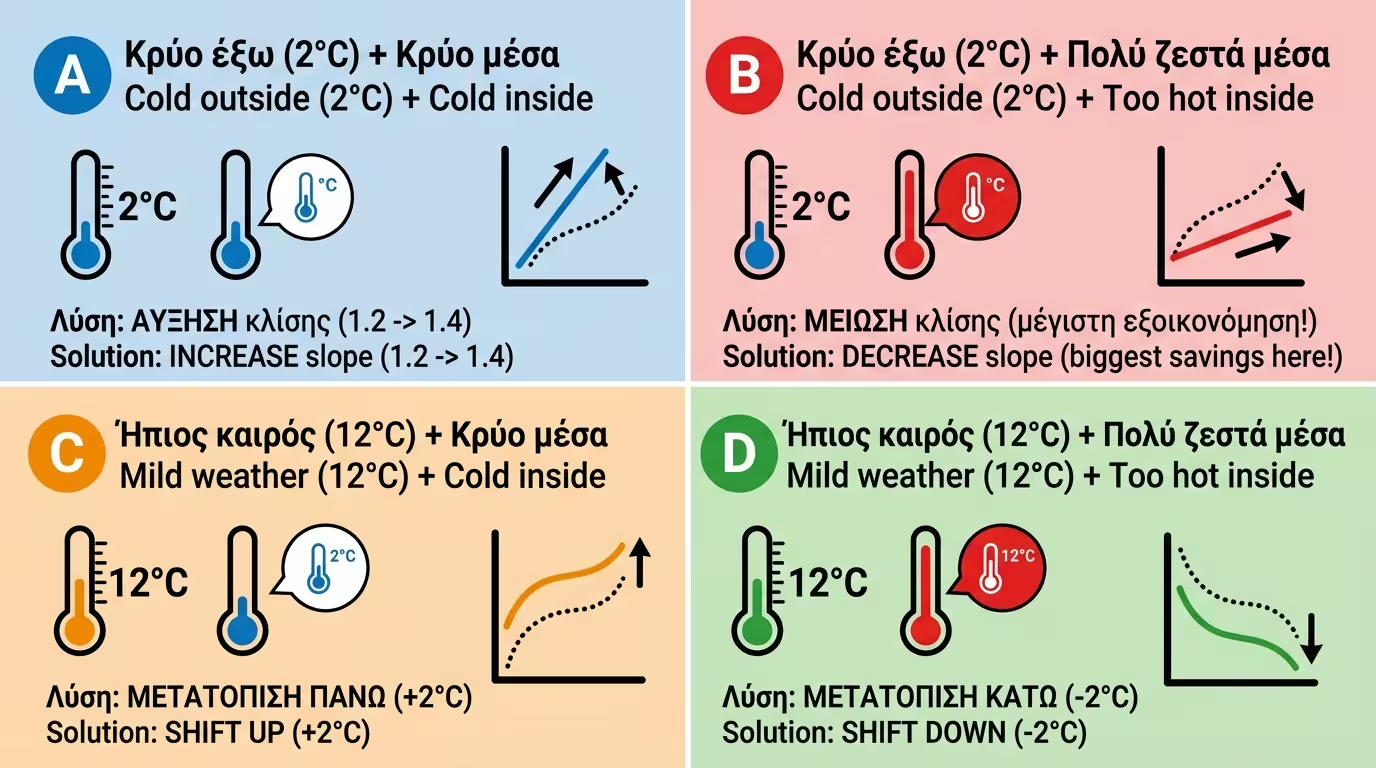
Outside 2°C, inside won't warm up. The curve isn't "aggressive" enough. Increase the slope (e.g. from 1.2 to 1.4). Water will rise more in cold weather.
Outside 2°C, inside is boiling. The machine overdoes it. Decrease the slope. This is where massive electricity savings hide!
Outside 12°C, inside only reaches 19°C. Slope is right but water isn't warm enough on mild days. Shift up (+2°C).
Outside 12°C, inside 23°C. Water is too warm in mild conditions. Shift down (-2°C). Big savings here!
The biggest mistake: you change the curve in the morning, see no difference by noon, and change it again! Why?
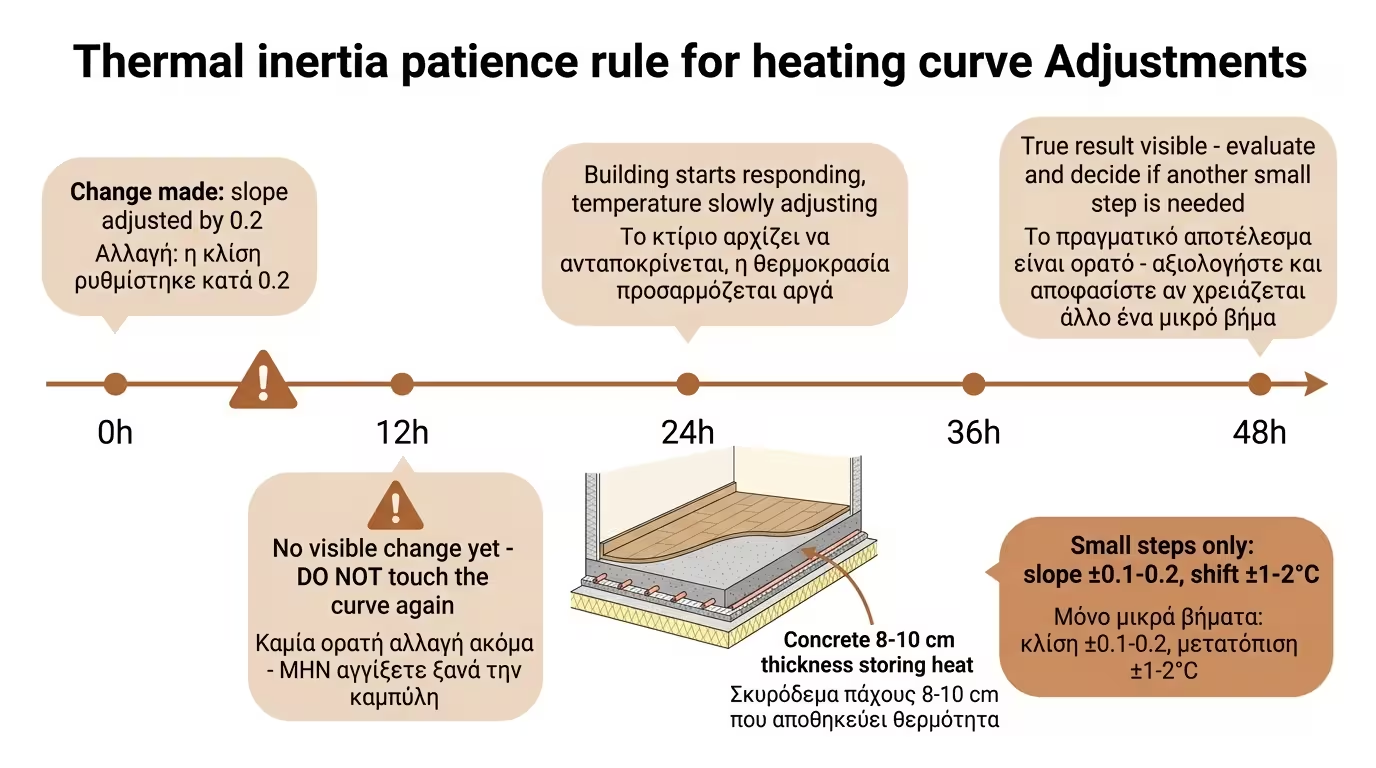
Buildings have thermal inertia - especially with underfloor heating. The concrete slab stores enormous energy. Every curve change needs 24-48 hours to show its true effect.
Change slope by 0.1 or 0.2 at a time. Shift by 1-2°C. Wait two days. If needed, adjust again. Never make big jumps.
Record date, slope, shift, outdoor temperature each time. Within 2-3 weeks you'll find the perfect setting - and never need to touch it again.
Goal: the lowest possible curve that keeps the house warm on the coldest days. Slope first, shift second, patience always. Proper setup saves 30-40% electricity on heat pumps.
🏠 Heating Curve = the "language" between machine and home. Slope for cold, shift for warmth, 24-48 hours patience. Find the lowest possible line - your electricity bill will thank you.
Return to category.
Go to categoryReturn to the central guide.
Go to guide