❄️ Winter: false warmth
You request 22°C. Warm air gets trapped at the ceiling. The sensor "sees" 22°C quickly - and shuts off. You on the sofa (0.8 m height) may still be at 18°C.
How many times have you set the air conditioner to 25°C, and while the display says "reached", you're still sweating on the sofa (or freezing in winter)? The problem isn't the machine - it's where its "eye" is located.
Let's see how the remote control can become the ultimate portable thermostat for your space.
In a standard wall-mounted split unit, the temperature sensor sits inside the indoor unit, behind the filters, high on the wall. That's where hot air rises - and where cold air pools in winter.
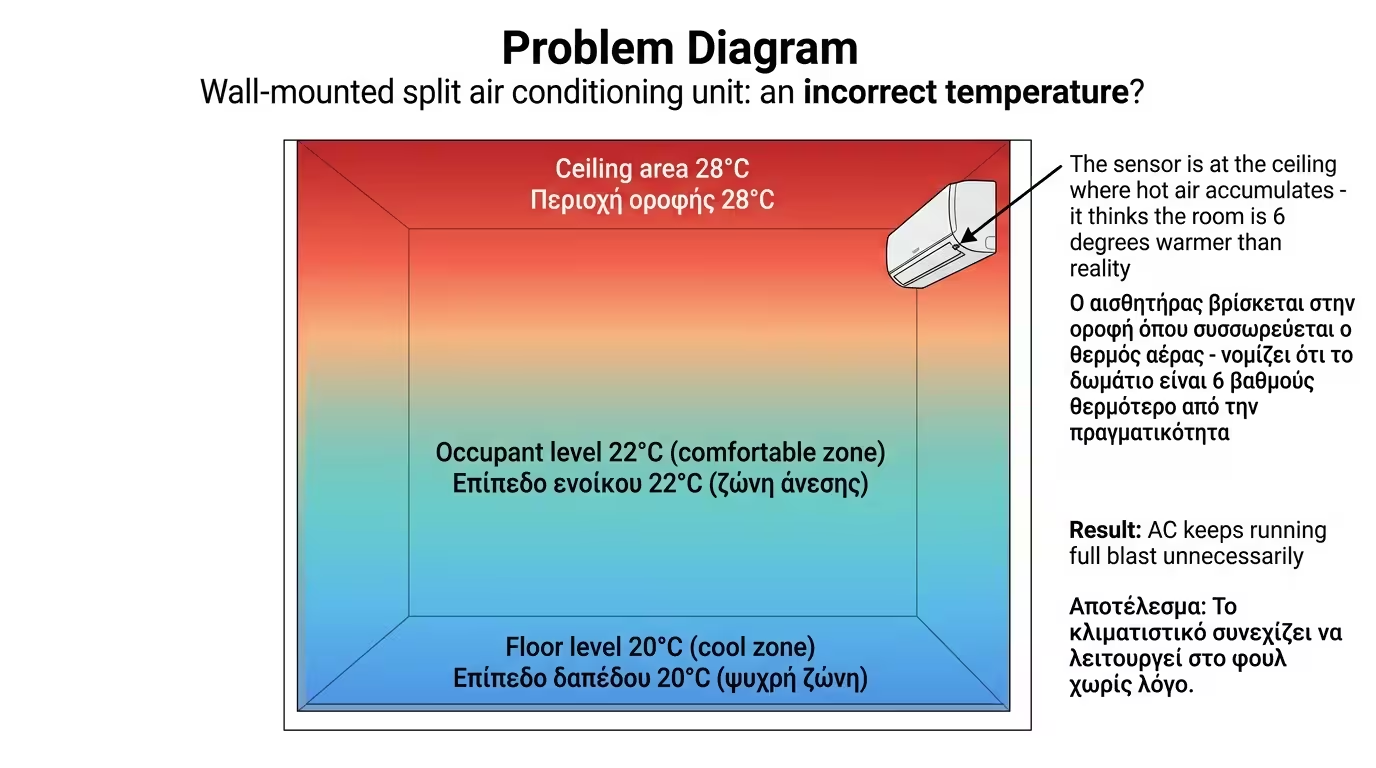
You request 22°C. Warm air gets trapped at the ceiling. The sensor "sees" 22°C quickly - and shuts off. You on the sofa (0.8 m height) may still be at 18°C.
Cold air sinks. The sensor up high still reads 28°C, while your feet are freezing at 20°C. Result: excessive cooling and wasted energy.
In tall rooms (2.80+ m), thermal stratification can reach 3-4°C between floor and ceiling. What the sensor "sees" doesn't match what you feel.
Every degree off-target = +6-8% consumption. If the sensor is fooled by 3°C, you pay ~20% extra for nothing.
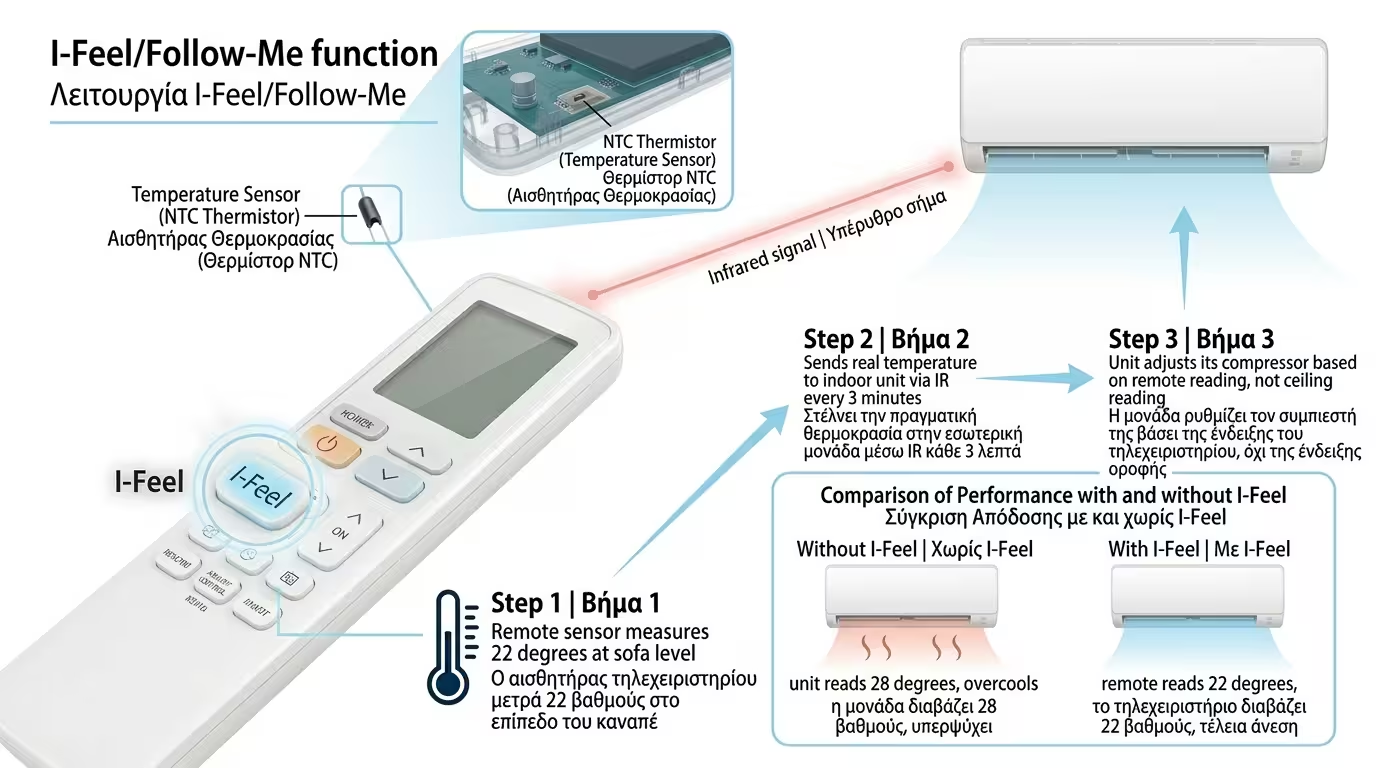
Manufacturers embedded a second, hidden temperature sensor inside the remote control itself. Press the "I-Feel" or "Follow Me" button and something magical happens.
1) The AC's built-in sensor deactivates. 2) The remote's sensor activates. 3) The AC chases the setpoint where the remote is - right beside you.
Every 3-5 minutes, the remote sends an infrared (IR) signal to the unit: "down here it's still 20°C, keep going". Without this signal, the function cancels silently.
With the remote on the coffee table, the AC keeps running until 22°C reaches you - not the ceiling.
Nearly all major brands (Daikin, Mitsubishi, LG, Samsung, Toshiba, Gree, Midea). Look for the person icon or the words "I-Feel" / "Follow Me" on your remote.
The remote is now the system's "brain". Use it wrong and the AC will "go haywire".
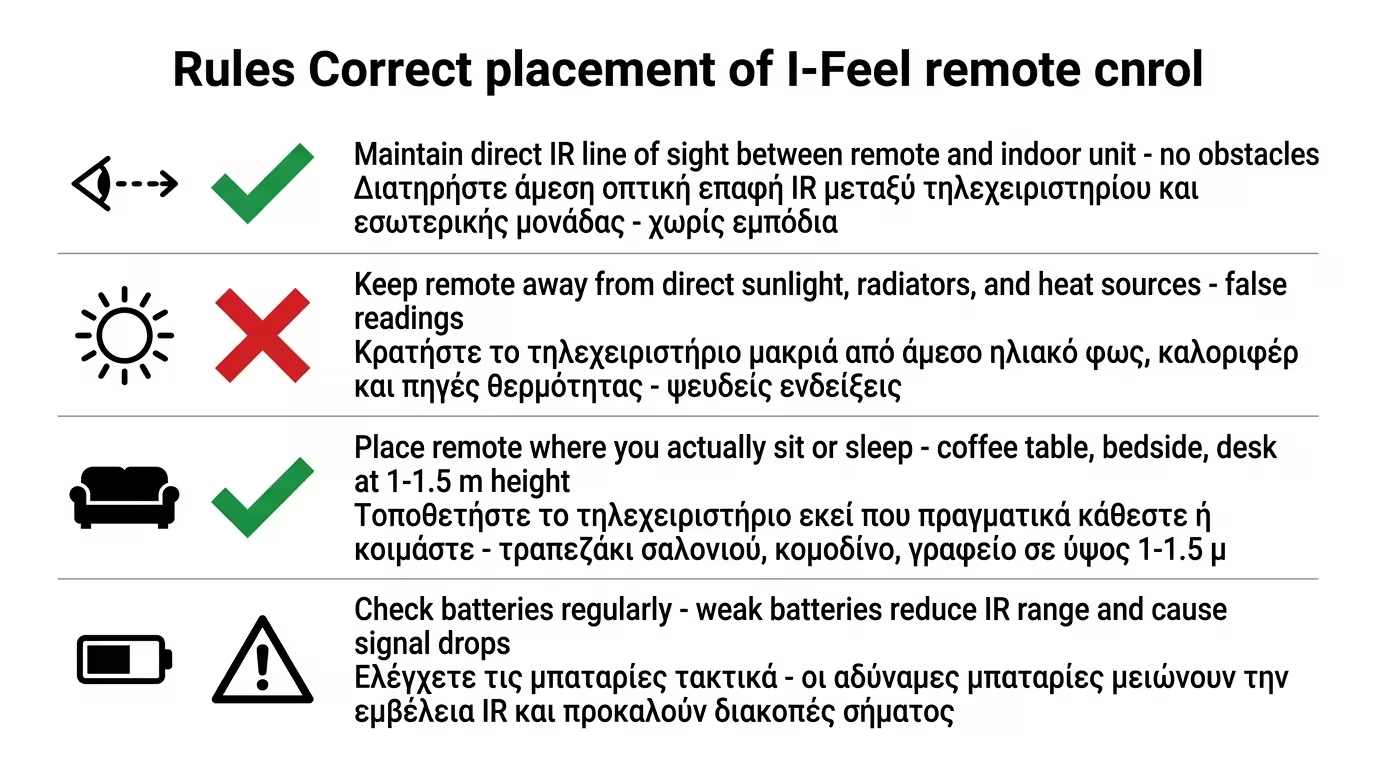
The remote sends an infrared (IR) signal. Hide it under a cushion, in a drawer, or behind a column, and the function cancels silently. It must always "see" the indoor unit.
Rest the remote on a hot laptop, next to a mug of hot coffee, or in direct sunlight, and the sensor reads 30°C. Result: ice-cold air non-stop.
In bed → nightstand. In the living room → coffee table beside you. Don't leave it on the TV unit across the room.
User activates I-Feel, leaves the remote next to the sunny balcony door, then complains "the AC won't stop cooling". The sensor reads 32°C - and that's exactly what it does.
The I-Feel function transforms your remote into a smart, portable thermostat. It overrides the physics error (hot air high up) and forces the AC to work for your real comfort.
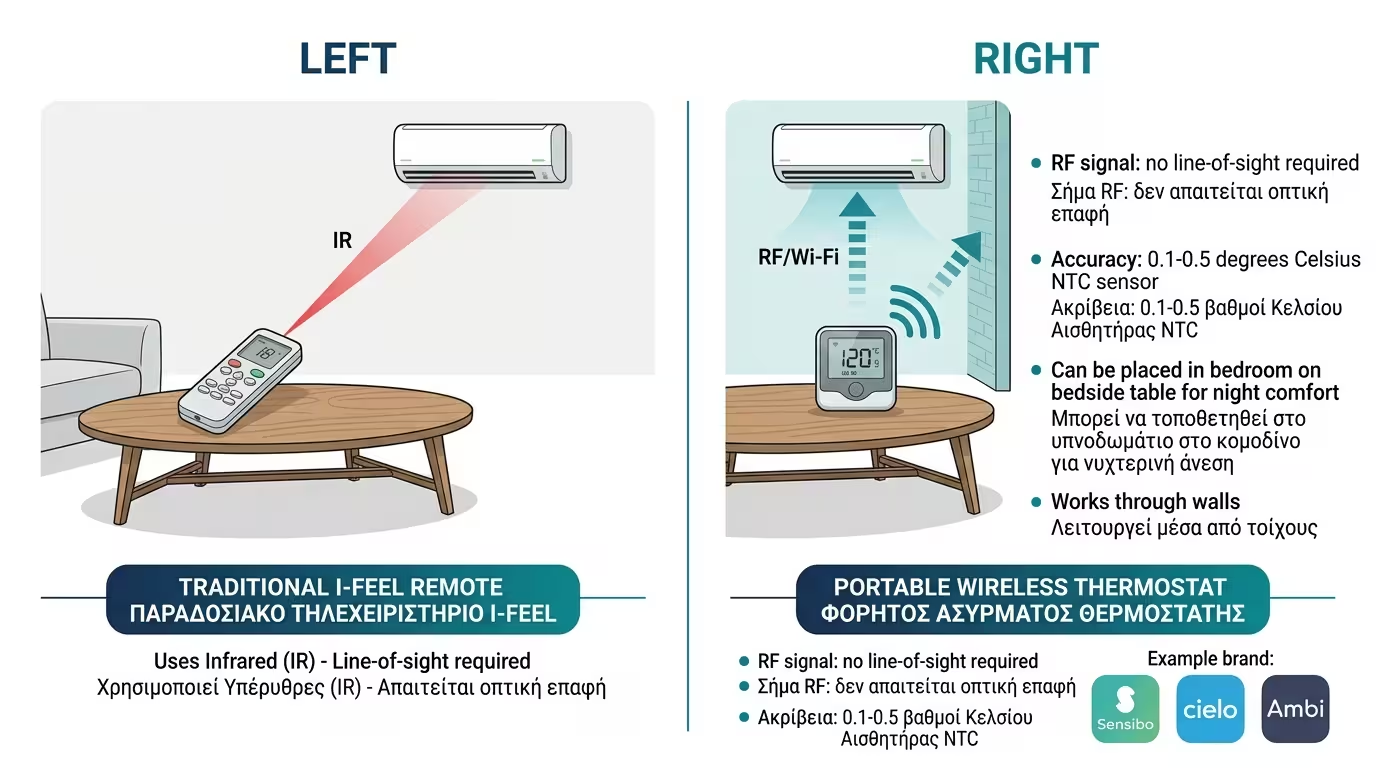
AC in heating, 22°C. Remote on the coffee table (50 cm height). The sensor reads the temperature at human level. Heating stops only when the space is truly warm.
AC in cooling, 25°C. Remote beside you on the sofa. Cooling doesn't shut off until your zone is refreshed - ending the waste caused by the ceiling sensor.
Correcting the 2-4°C gap between ceiling and living level saves 12-25% consumption - at zero purchase cost. The function already exists in your remote.
Line of sight. Away from heat. Beside you. These 3 rules are all you need to turn I-Feel into a real tool for comfort and economy.
📱 I-Feel turns your remote into a portable thermostat. It overrides the false ceiling sensor. Rules: line of sight, away from heat, beside you.
Return to category.
Go to categoryReturn to the central guide.
Go to guide