🔥 What happens
The boiler fires. The radiator heats up instantly. The thermostat "sees" 22°C in 10 minutes and shuts off the heating. Meanwhile you're shivering at 16°C in the bedroom.
Your thermostat is "blind". It doesn't know how warm you feel on the sofa. It only knows the air temperature in its immediate vicinity. Place it in the wrong spot and it will punish you with freezing rooms or astronomical bills.
The golden rule: it must read the average temperature of the room where you spend the most time. Let's see how this rule gets broken.
The classic blunder. The thermostat is mounted on or next to a radiator, near a fireplace, beside the oven, or behind a TV that emits heat. The sensor is "bathed" in hot air and thinks the entire house is warm.
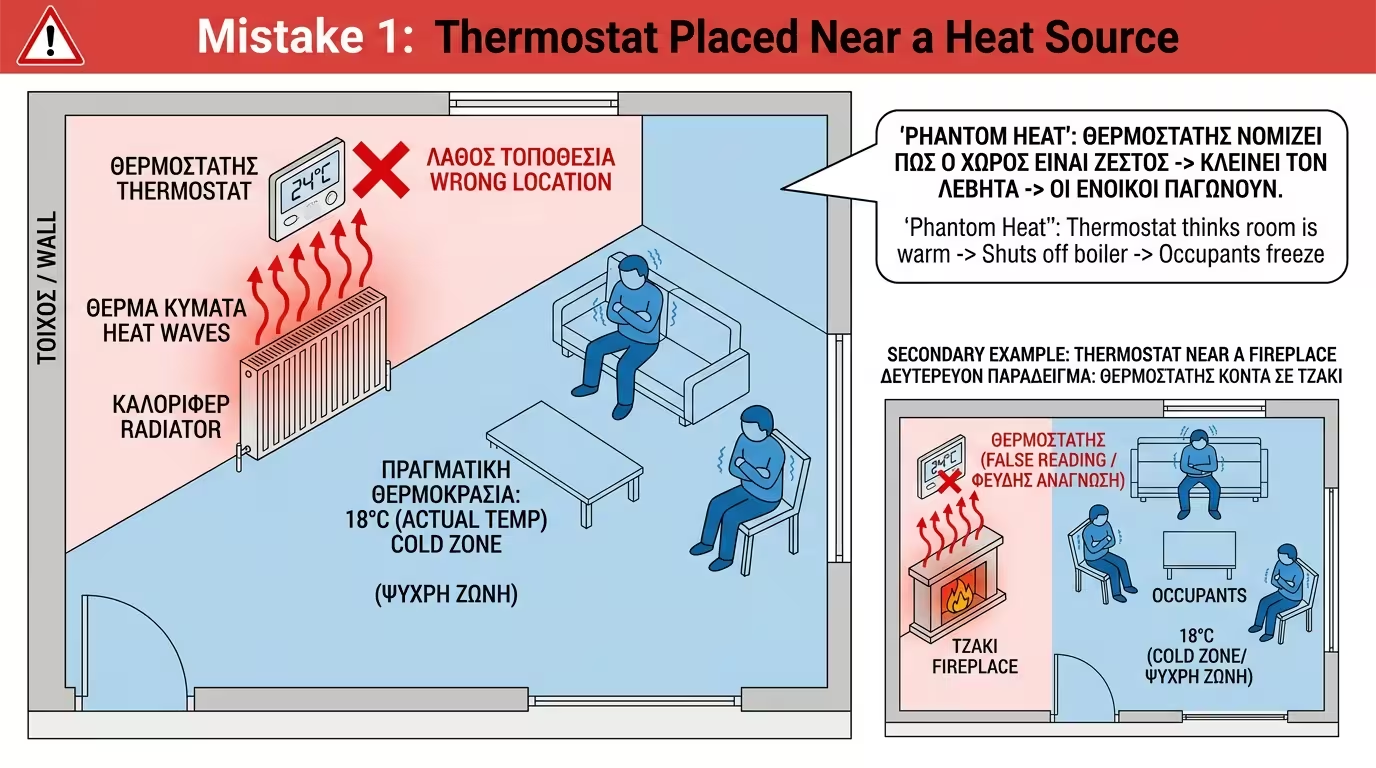
The boiler fires. The radiator heats up instantly. The thermostat "sees" 22°C in 10 minutes and shuts off the heating. Meanwhile you're shivering at 16°C in the bedroom.
Heating switches on and off every 5-10 minutes (short-cycling). The boiler wears out, consumption doesn't drop, and the user freezes .
Small detail: a 55" TV emits 80-100 W of heat. If the thermostat is right behind or next to it, it reads the room as 2°C warmer than it really is.
Minimum 1.5 m from any heat source (radiator, fireplace, oven, large screen). Ideally 2+ metres.
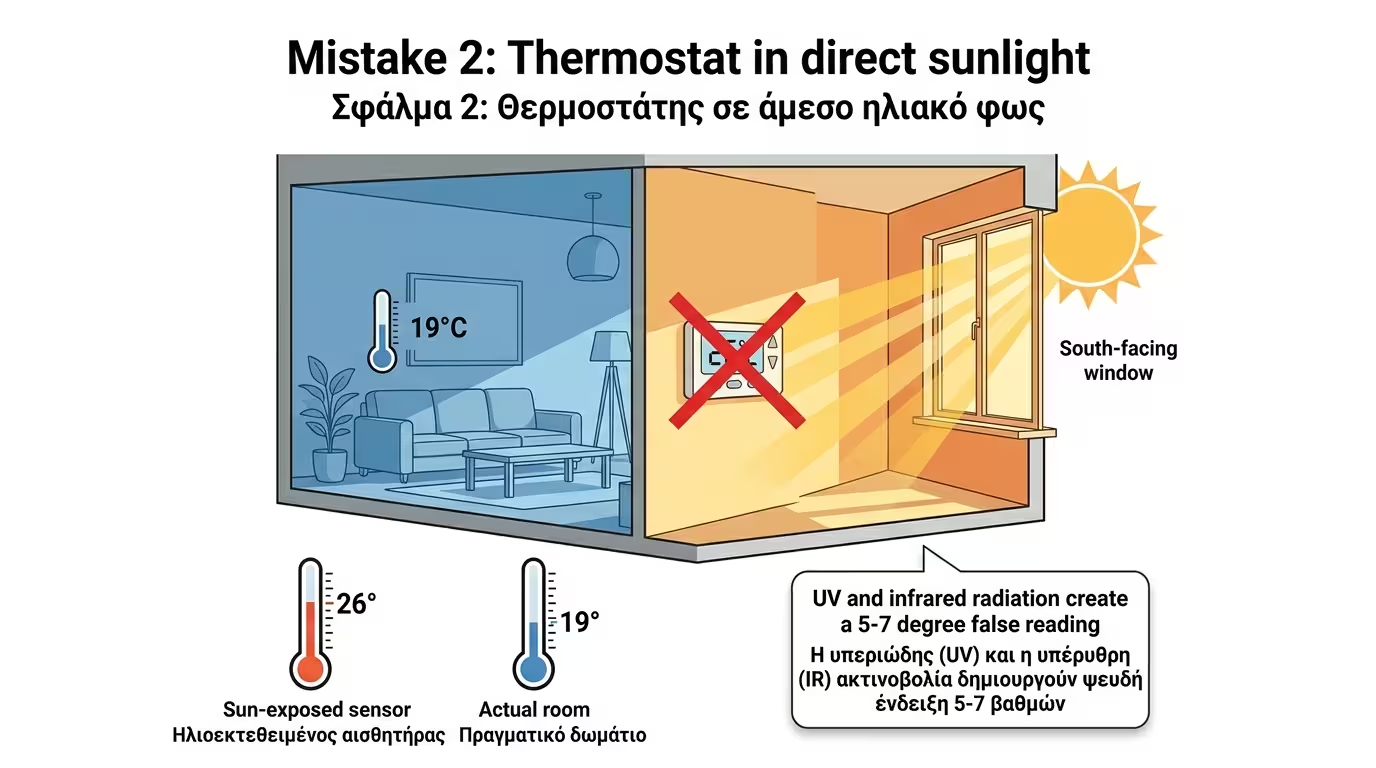
Solar radiation heats the plastic housing directly. The sensor reads 26°C while the actual room may be just 18°C.
The afternoon sun hits the wall through the balcony door. UV radiation heats the sensor locally. Result: heating never fires while the sun is out.
Once the sun drops, the thermostat "wakes up" and demands 100% boiler output - but by then the room has already cooled significantly. A waste cycle begins.
Homes with south-east or south-west living rooms, large glazing. Winter sun enters at a low angle and can even reach the inner north wall.
Mount on a wall that never sees direct sunlight. If impossible, use a thermostat with dual sensors (built-in + external wired probe) to eliminate the error.
This is the mistake that costs you the most money. The thermostat screwed onto an uninsulated exterior (north-facing) wall, next to the front door, or below a draughty window.
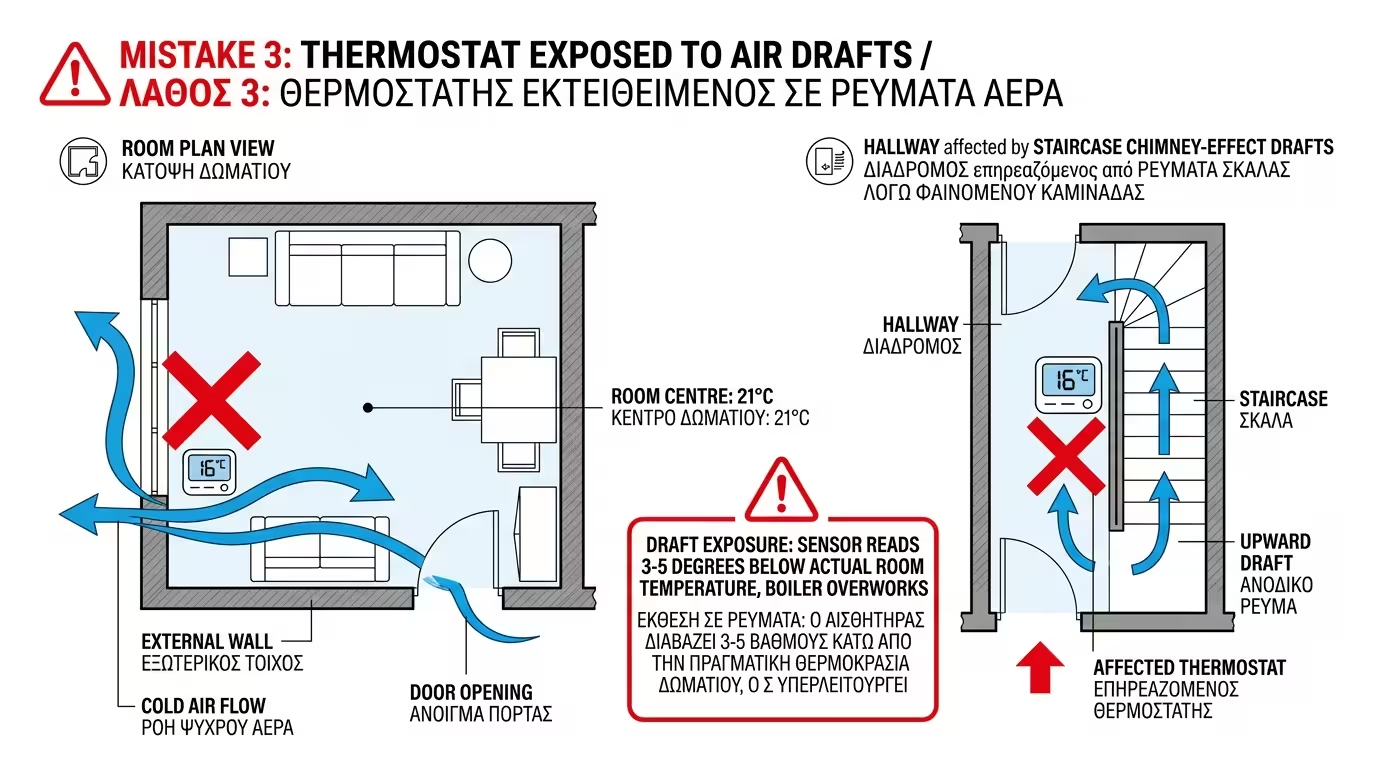
The external wall (or draft) is ice-cold. The thermostat conducts that cold: it reads 17°C while the living room may be at 23°C.
The boiler runs non-stop - burning a hole in your finances. It desperately tries to heat the freezing wall rather than the room. Consumption skyrockets.
Every time the front door opens, a blast of cold air "hits" the thermostat. The boiler fires immediately - even though nobody is cold inside.
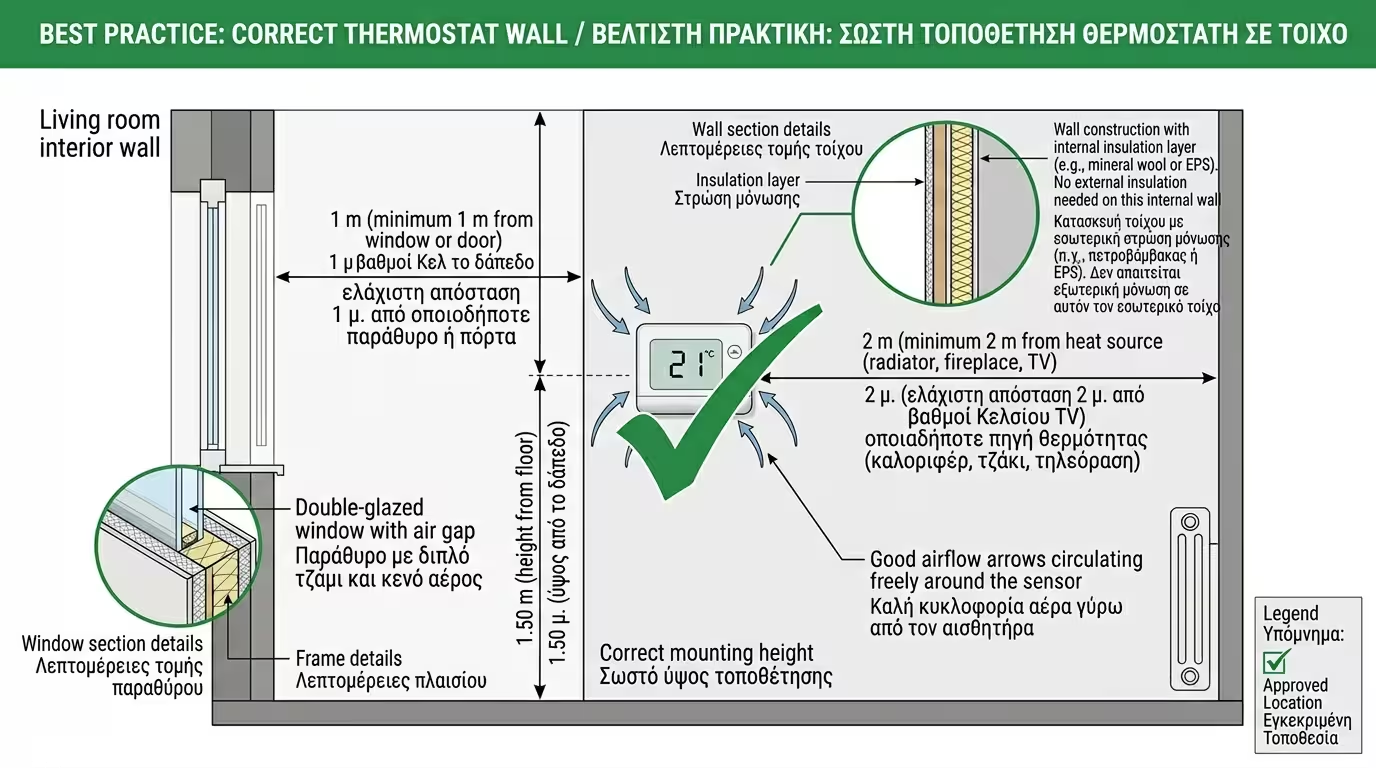
Internal wall (a wall dividing two rooms). At least 1 m from any door or window. If the only free wall is external, insulate it first.
Mistake 4: behind a door, in a bookcase recess, in a hallway no one sits in. Mistake 5: at the wrong height - hot air rises, cold air sinks to the floor.
Hallways, behind doors, in recesses. The thermostat has no free airflow. Its reading is completely wrong and delayed. It represents no actual room.
Too high (1.80 m) → reads warmer (hot air layer). Too low (0.50 m) → reads colder (cold floor draft). Ideal height: 1.50 m - the breathing level whether seated or standing.
Internal wall in the room where you spend the most hours (living room). Away from windows, radiators, vents. Height 1.50 m. Unobstructed airflow around it.
The most expensive PID thermostat becomes "blind" in the wrong spot. The correct position costs €0 - just one drill hole in the right wall. Check your installation today.
📍 Internal wall, living room, 1.50 m, away from heat, sun and drafts. These 5 mistakes cost far more than a thermostat upgrade.
Return to category.
Go to categoryReturn to the central guide.
Go to guide