Thermostatic Radiator Valves (TRVs): Zoning Without Renovation

Your home is already built, has classic radiators, and only one thermostat in the living room. Digging walls for motorised valves? Practically impossible.

Here comes the most ingenious, cheap and instant invention: Thermostatic Radiator Valves (TRVs). Unscrew, screw on, start saving.

1. How the "Magic" Works Without Electricity

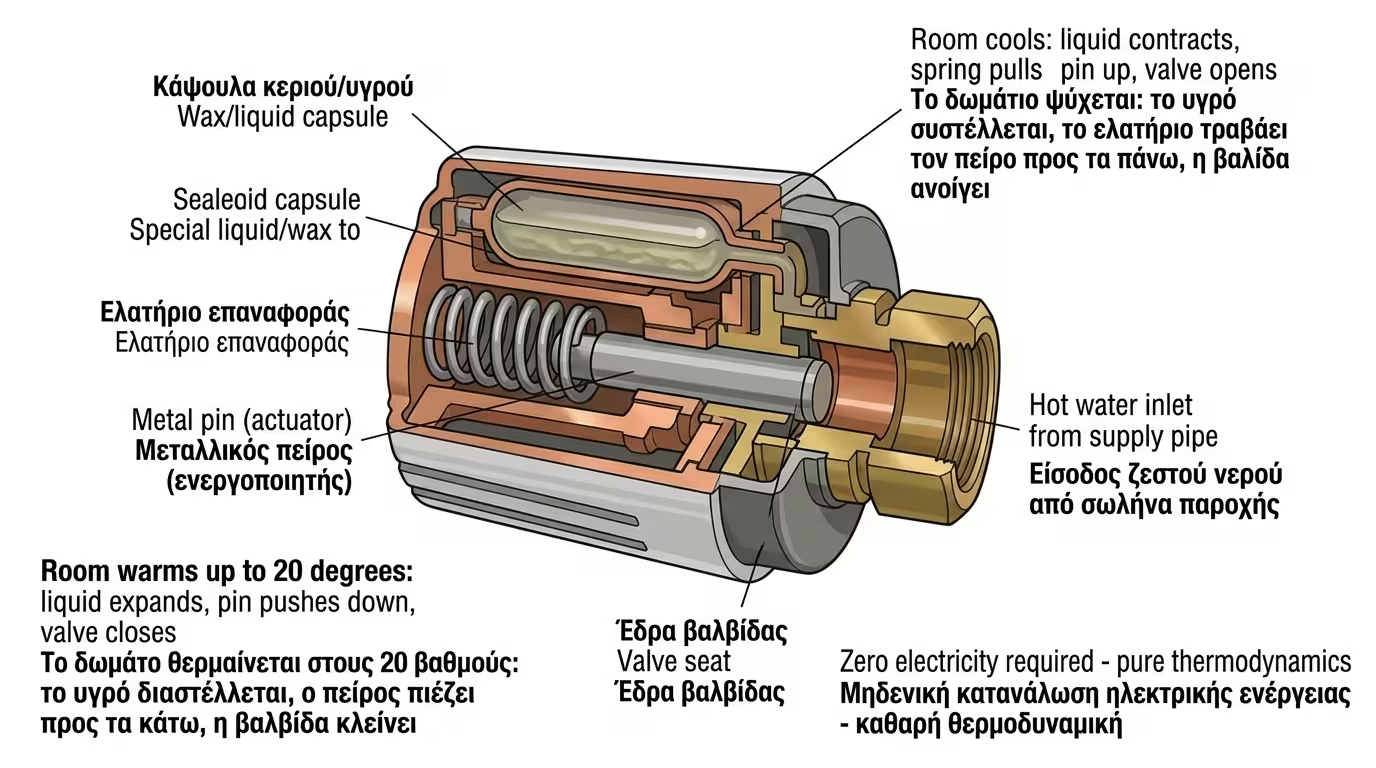
Classic analogue TRVs need no batteries, wires, or Wi-Fi. Inside the "head" hides a small capsule filled with a special liquid, gas, or wax.

TRV head - liquid capsule, expansion, pin, radiator valve

🔬 Mechanism

Room warms up → the material expands → pushes a pin → the pin gradually closes the hot water flow to that specific radiator. When it cools: the spring pulls the pin back and flow resumes. The regulation is proportional (gradual), not just open/closed.
🏠 Per-room autonomy

Each radiator knows by itself when to stop, independently of the rest of the rooms. The bedroom shuts off at 18°C while the living room continues at 21°C. The kitchen can be set to "2" if the oven already provides enough warmth on its own.

💰 Cost

If the valve body already exists: €10-20 per radiator. Unscrew the plastic cap, screw on the head. No plumber, no tools needed. If the body needs replacing, a plumber charges €30-50 per radiator.

⚡ Zero electricity

No cables, no batteries, no Wi-Fi. Physics (thermal expansion) does the work silently. Lifespan: 15-20 years completely maintenance-free. Reliable in every climate.

2. What the Numbers 1 to 5 Mean

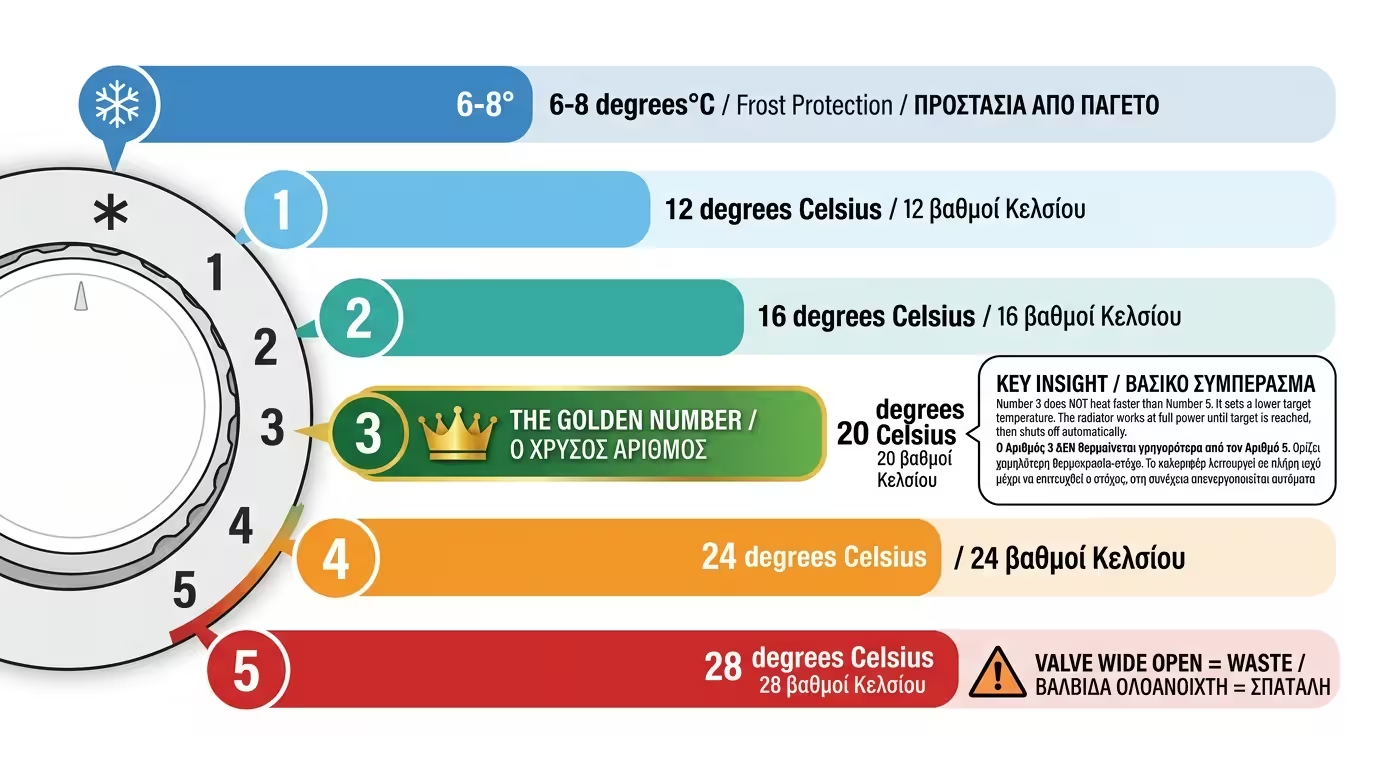
TRV setting 1-5 - target temperature, golden number 3 = 20°C

The numbers are not a throttle. Setting 5 doesn't heat faster. They correspond to a target temperature.

❄️ * (Snowflake)

Frost protection: 6-8°C. Ideal for holidays and vacation homes left closed during winter. Keeps pipes and radiators from freezing and leaking without wasting significant energy.

1-2: Store / Hallway

12-16°C. Suitable for rooms not used regularly: storage, guest room, long hallway, or workshop. Low consumption but the space stays above freezing - perfect for preventing damp and mould.

🏆 3: The "Golden" Number

20°C. The perfect temperature for living room, dining room, bedroom according to energy saving guidelines. The radiator runs full blast until 20°C - then shuts off on its own. No need to touch it again.

4-5: Bathroom / Wide Open

4 = 22-24°C: bathroom (you're undressed from the shower) or nursery only. 5 = 26-28°C: valve stays wide open, as if no head existed. Essentially wasting energy - avoid it.

3. Installation & Avoiding Mistakes

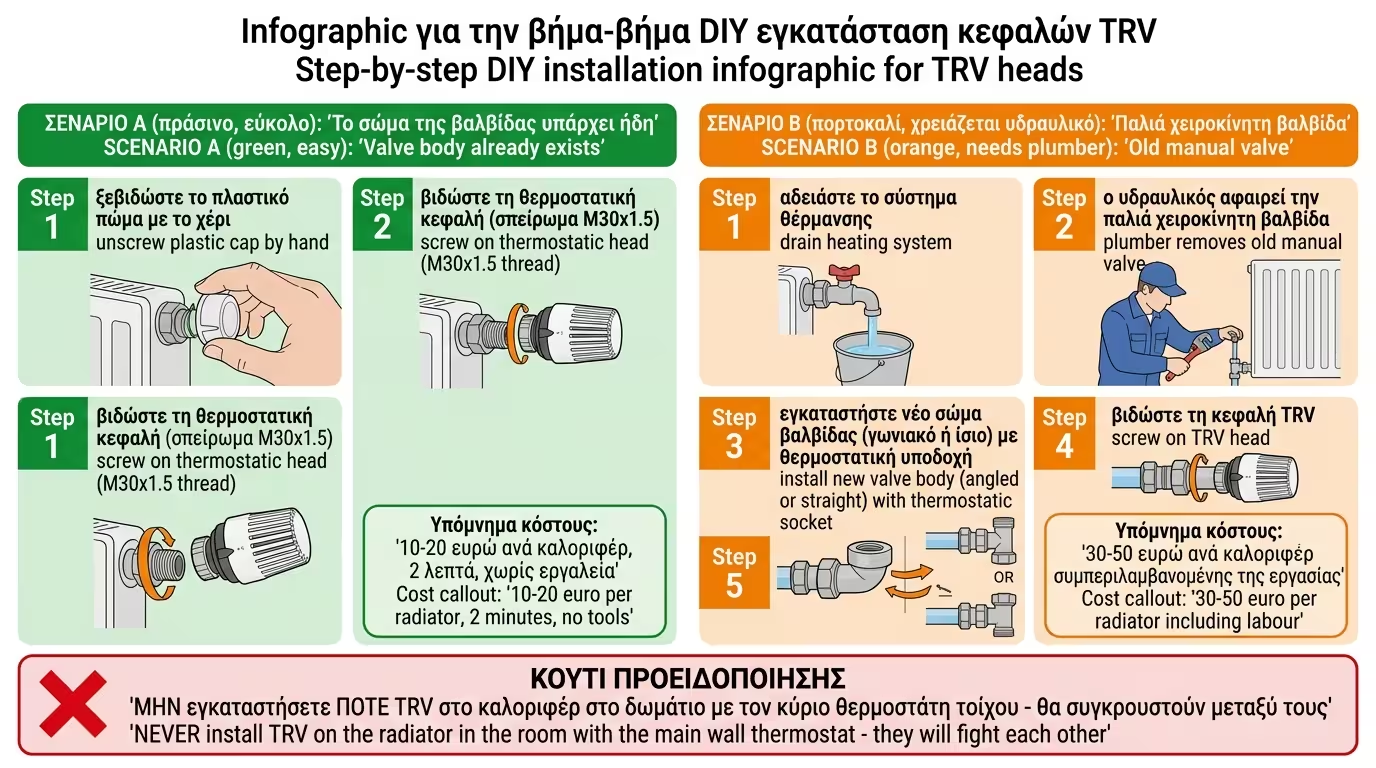
If your radiator already has a valve body, installation takes 2 minutes by hand. If it has an old manual valve, you'll need a plumber - but payback is rapid.

DIY install - unscrew old valve, TRV body, thermostatic head

🔧 Scenario A: Body exists

Many newer radiators already have a valve body that accepts TRV - but the contractor fitted a plastic cap. Unscrew the cap → screw on the head. €10-20/radiator.

🔩 Scenario B: Old manual valve

The plumber drains the water, removes the old valve, fits a new body (angled or straight) with a thermostatic socket. Payback is in the first winter.

⚠️ The big mistake

Never fit a TRV in the room with the main wall thermostat! The two "fight": the head closes at 20°C, the thermostat demands 21°C, the boiler runs at 100% into a closed radiator.

🪟 Curtains & covers

TRV heads need to "breathe". Hide them behind heavy curtains or wooden radiator covers, and they trap heat - shutting the radiator while you freeze.

4. Digital Upgrade: Smart TRVs

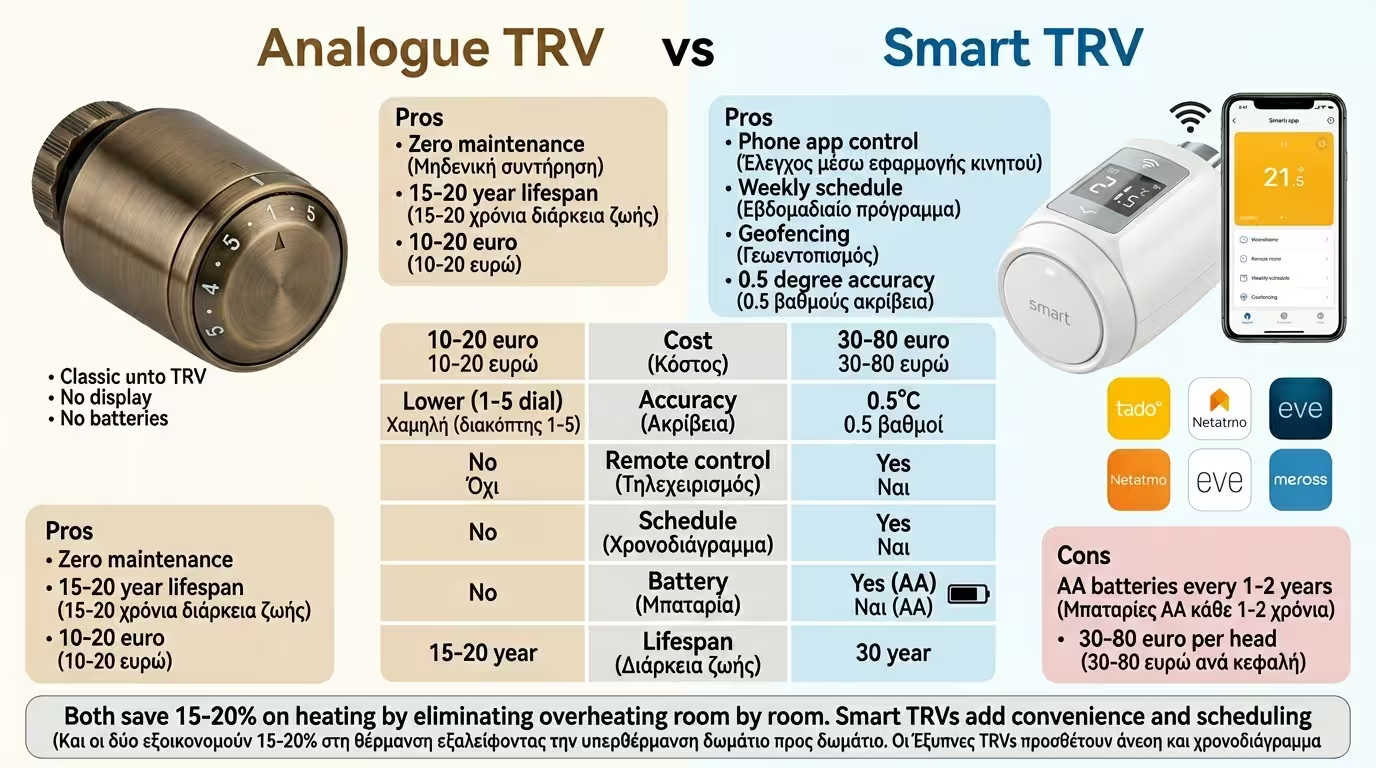
For the ultimate Smart Home, digital heads (Smart TRVs) replace the dial with a display, batteries and Wi-Fi. Control every room from your phone.

Smart TRV - Wi-Fi, display, phone app, zone scheduling

📱 Phone app

Open the app: "Kids' room, 21.5°C, 18:00-22:00". A tiny motor inside the head opens/closes the valve silently with digital precision.

📅 Scheduling

Day-night, weekday-weekend, even geofencing (arrive home → heating starts). Full zone control without tearing up walls.

💰 Cost

€30-80/head (Tado, Netatmo, Eve, Meross). AA batteries, ~2 year lifespan. The 15-20% savings pay for themselves in 1-2 winters.

🎯 Bottom line

TRVs (analogue or smart) are the best gift for a home with old radiators. They give each room autonomy, eliminate overheating, and cut consumption by 15-20%.

🔧 TRVs: zoning without renovation. Each radiator becomes an independent thermostat. Number 3 = 20°C. Never fit a TRV in the main thermostat's room. 15-20% savings.

5. Why TRVs Are the Best Investment for an Older Home

📊 Payback

In a 100 m² home with 8 radiators, the cost of fitting analogue TRVs is €80-160. With average heating bills of €1,500/year, the 15-20% saving means €225-300 in the first winter. Payback happens within a few months.

🌡️ Practical example

Living room: no TRV (controlled by the main wall thermostat). Bedroom: number 2 (16°C during the day). Kids' room: number 3 (20°C). Bathroom: number 4 (23°C). Storage: snowflake (frost protection). Result: every room at the right temperature with zero waste.

🔄 Compatibility

TRVs work with every hydronic system: gas boiler, oil boiler, heat pump, central heating in apartment blocks. Connection uses the standardised M30×1.5 thread (European standard).

🎯 Final verdict

If you have central or autonomous heating with old radiators, thermostatic heads are the cheapest upgrade with the highest return. They give each room autonomy, eliminate overheating, and transform an outdated network into a modern zoned heating system.

Related Articles

Preview