☀️ The south-wall nightmare
January, outside 2°C but sunny. If the sensor is on a south wall, the sun heats the plastic housing and it reads 22°C! The boiler thinks it's spring and shuts off - you're shivering.
Weather compensation is the "brain" of economy, the heating curve its map. But this brain has only one eye: the outdoor temperature sensor - a cheap plastic box the size of a matchbox.
If the installer mounts it in the wrong spot, the sensor will lie, the curve will collapse, and your house will freeze. Here are the golden rules of placement.
The sensor must be mounted strictly on a north (or north-west) exterior wall. This rule has no exceptions.
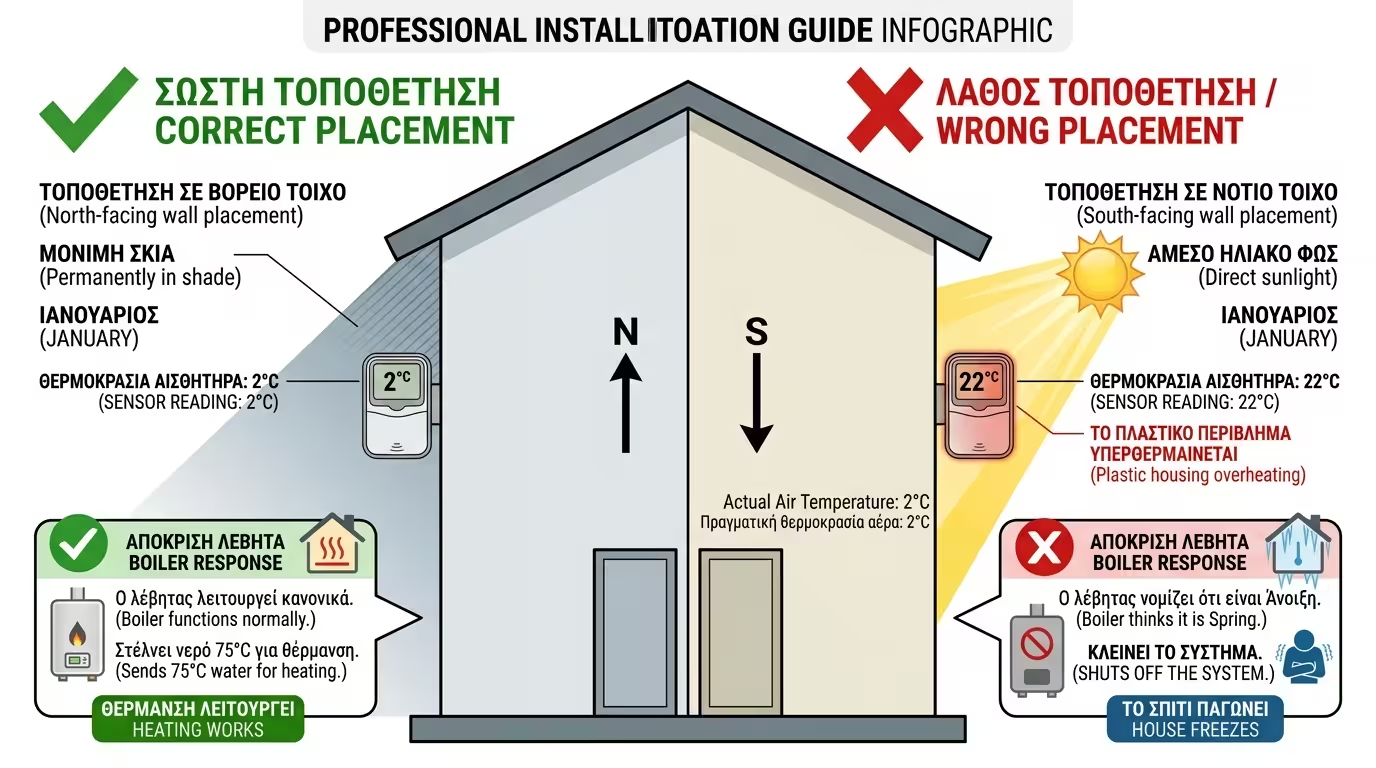
January, outside 2°C but sunny. If the sensor is on a south wall, the sun heats the plastic housing and it reads 22°C! The boiler thinks it's spring and shuts off - you're shivering.
The north wall is permanently shaded year-round. The sensor measures actual air temperature - no solar interference. Exactly what weather stations do.
Use a north-west or north-east wall. If impossible, install a radiation shield cover over the sensor to block direct sunlight.
Wrong placement = wrong data = cancelled compensation. You paid thousands for a heat pump, but the savings depend on a €15 box screwed to the wrong spot.
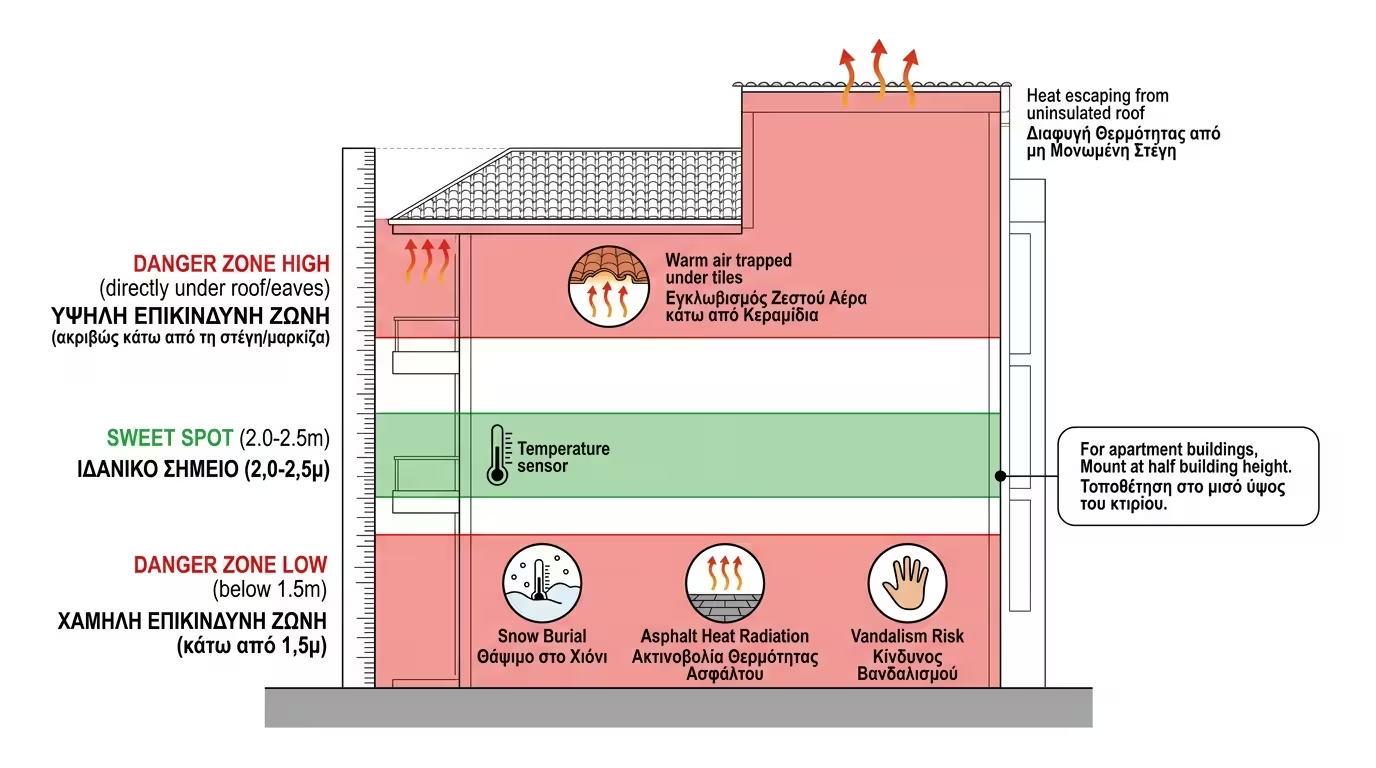
Height matters enormously. The ground radiates heat (or holds ice), while the roof traps warm air. There's a "sweet spot."
In snow, the sensor gets buried (reads 0°C constantly). In summer, asphalt or patio tiles radiate heat upward. Risk of vandalism, pets, children.
Warm air escaping through an uninsulated roof gets trapped under tiles or eaves and heats the sensor. False warm reading in cold weather.
Mount at 2.0-2.5 m above ground. In apartment buildings, at half the building height. Away from eaves, balconies, and ground-level planting.
Screw the sensor onto an open wall section without facades creating "air pockets." If there's an overhang, leave at least 50 cm below it.
Found the perfect north wall at 2 metres? Check that there are no "invisible" heat sources nearby that could fool the sensor.
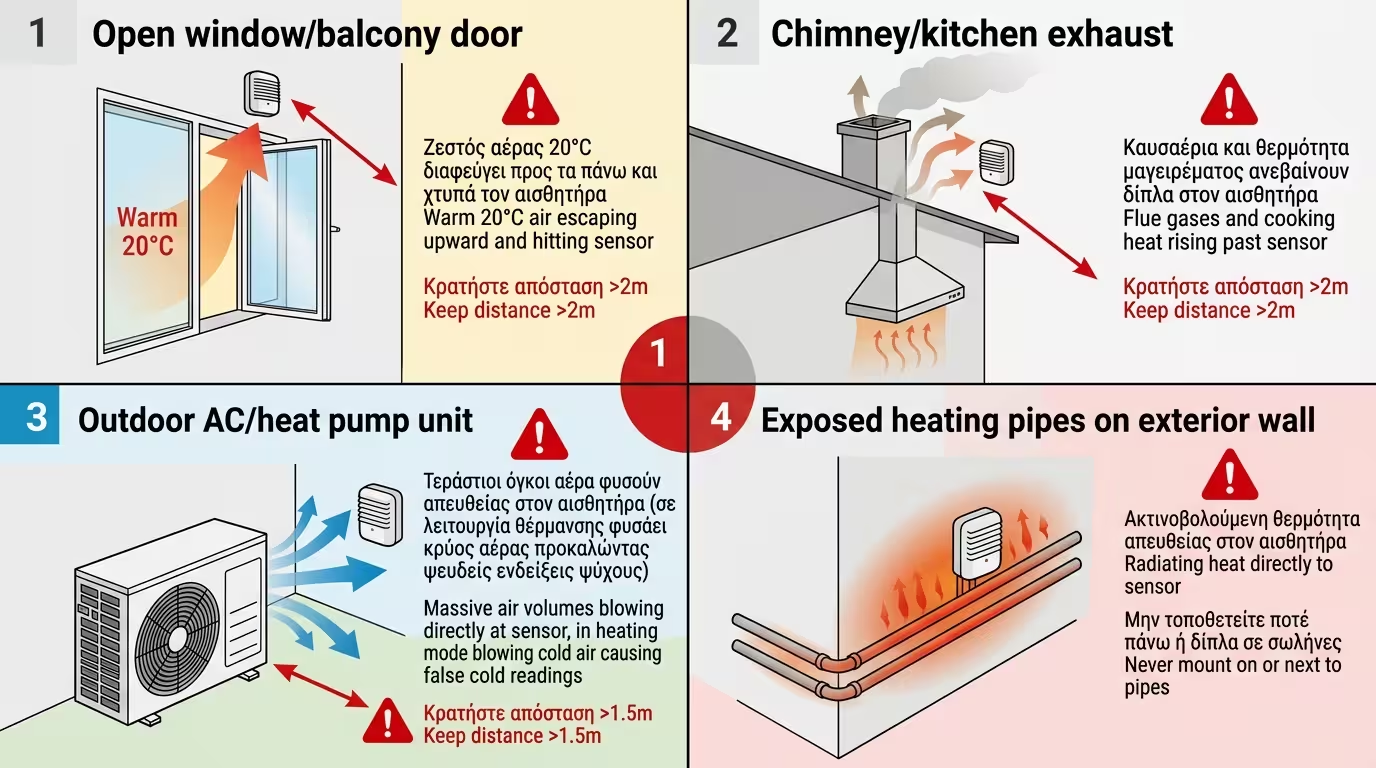
Never above open windows! Every ventilation blast pushes a 20°C warm air wave at the sensor. Result: the boiler shuts down while it's freezing.
Flue gases or warm cooking air instantly heat a nearby sensor. Keep at least 2 metres distance from any exhaust or chimney.
External units blow massive air volumes. In heating mode, the heat pump blows cold air - the sensor reads false cold. Distance: ≥1.5 m.
Visible hot-water pipes on the exterior wall radiate heat. The sensor must never be mounted on or next to exposed heating pipework.
The outdoor sensor is the "eyes" of your boiler. Wrong placement cancels all the compensation technology you've paid for.
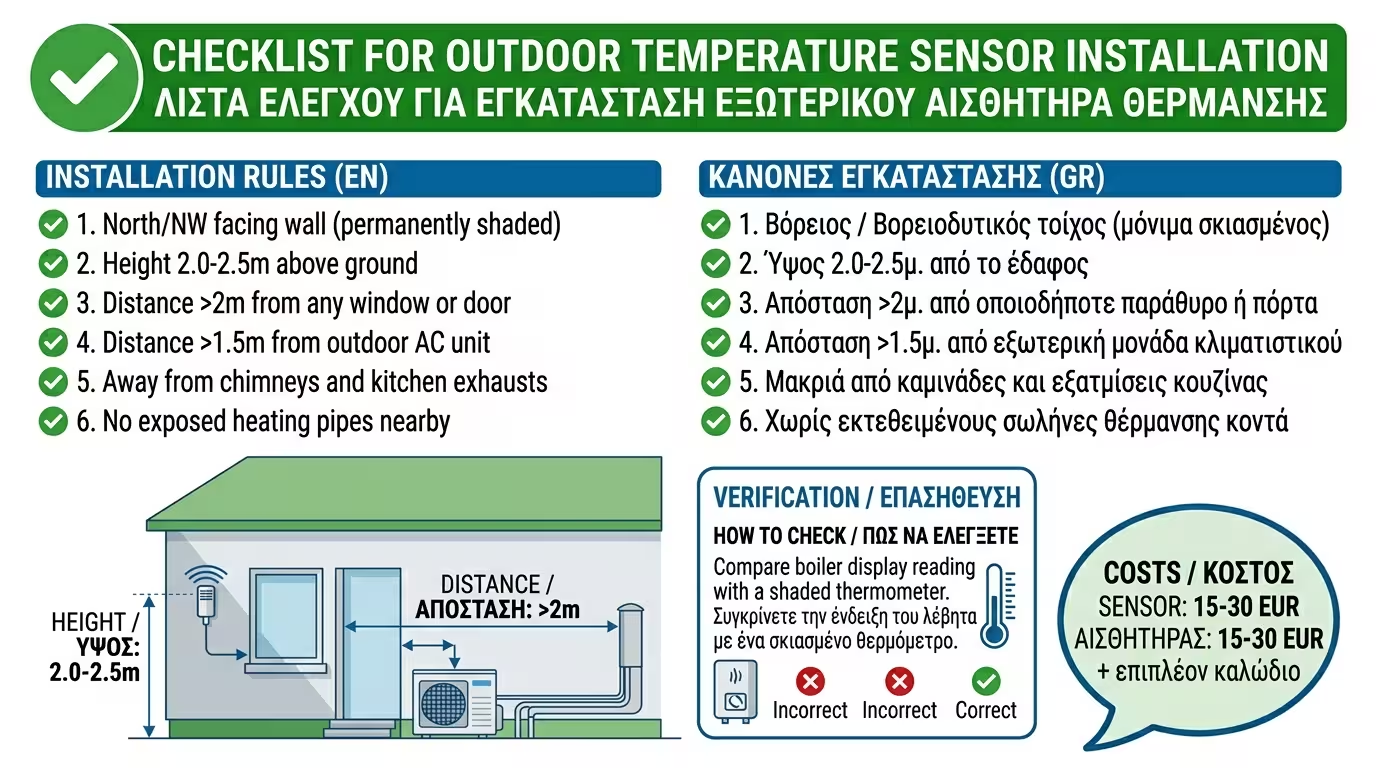
✓ North/NW wall
✓ 2.0-2.5 m height
✓ >2 m from windows
✓ >1.5 m from outdoor units
✓ Away from chimneys
✓ No exposed pipes nearby
The sensor costs €15-30. Correct placement may need 5 extra metres of cable to reach the north wall. Ask your installer not to cut corners - it's worth every euro.
Go outside on a cold day. Check the boiler's display for the outdoor reading. Compare with a thermometer in shade. If the difference is >2°C, the sensor is in the wrong place.
Insist that the installer runs a few extra metres of cable to find the correct, shaded north wall. Only then will compensation work perfectly - and your bill will drop.
🏠 Wrong sensor = blind compensation. North wall, 2-2.5 m height, away from windows and AC units. Cost: €15 + some cable. Value: thousands in savings.
Return to category.
Go to categoryReturn to the central guide.
Go to guide