🏗️ Architectural imbalance
The living room faces south - warmed by the sun. The bedroom faces north: hit by freezing wind. One thermostat cannot serve both.
"Turn off the heating, the living room is boiling!" - "Don't turn it off, the kids' room is freezing!". The classic winter argument. The root cause: one thermostat for the entire house.
Let's see how zone control brings democracy to temperature - and cuts bills at the same time.
For decades, homes were built with a single "brain": one thermostat in the living room controlling the boiler, sending hot water to every radiator simultaneously.
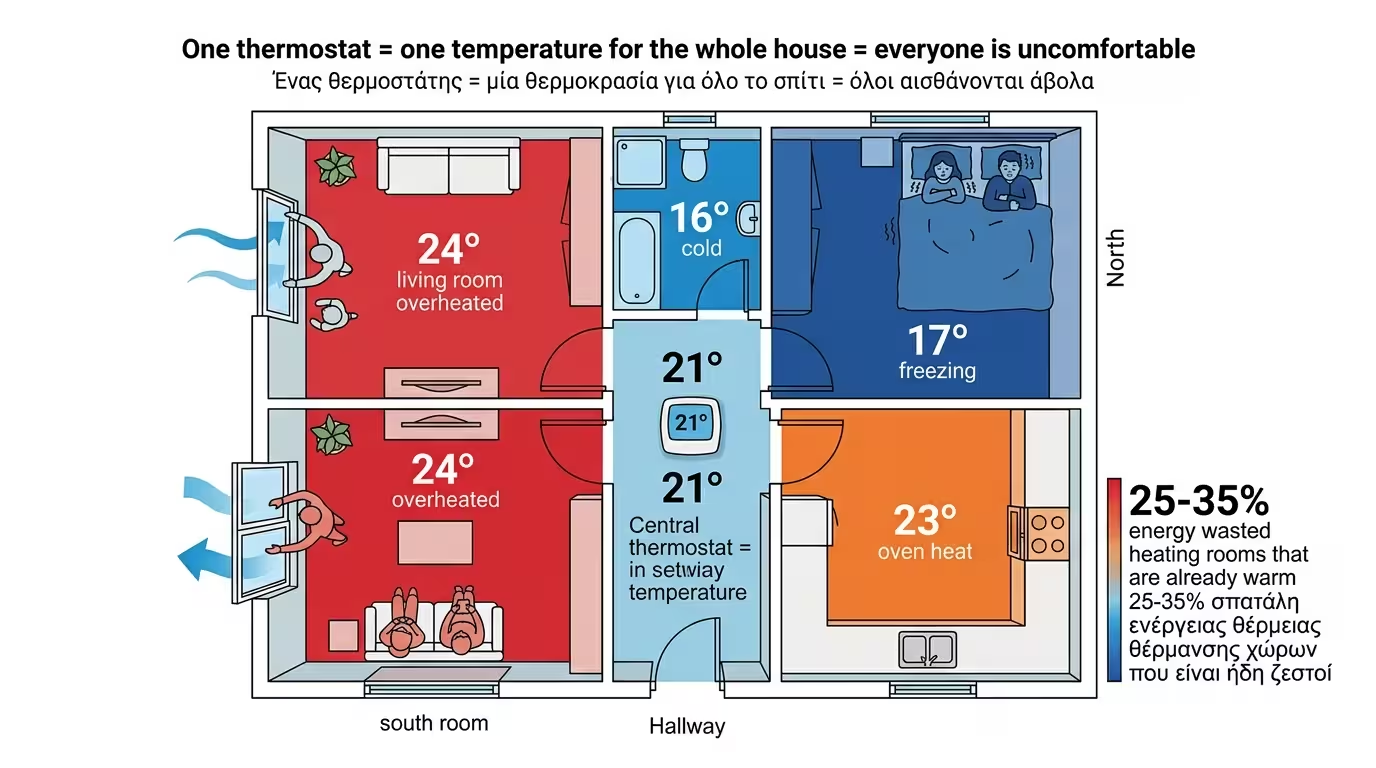
The living room faces south - warmed by the sun. The bedroom faces north: hit by freezing wind. One thermostat cannot serve both.
The kitchen has the oven running - you're warm already. The bathroom needs 24°C (you're undressed). The bedroom wants 18°C for sleep. One thermostat → one-size-fits-all.
In the morning, bedrooms are empty, yet the system keeps heating them. If your home is 100 m² and you occupy 15 m², 85 m² are heated for nothing.
Every room heated without reason = money burned. In a 100 m² home spending €1,500/winter, the waste can exceed €400-500.
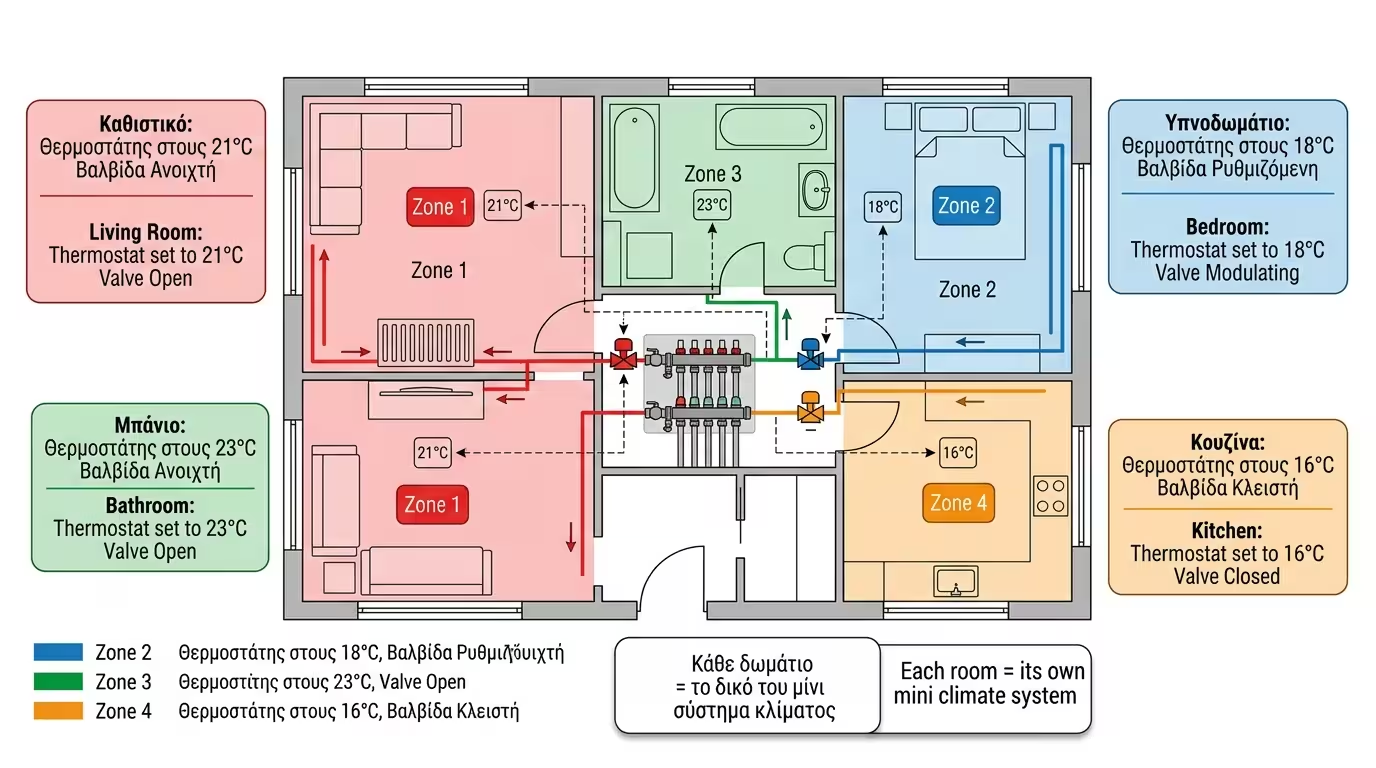
Zoning = dividing the home into independent thermal "zones". Each zone (floor, room, group of rooms) gets its own thermostat.
The boiler / heat pump stays single. The pipe network is fitted with motorised valves. Each zone opens/closes independently.
20°C in the living room, 23°C in the kids' room, 18°C in the master bedroom - simultaneously. Each family member at their ideal temperature.
By closing empty zones, energy flows only where needed. Studies show 30% reduction in heating costs. In large homes, even more.
The heat pump focuses all its power on 1-2 zones instead of the entire house. Result: the room reaches temperature in record time.
The classic zoning method: Day Zone (living room, dining, kitchen) and Night Zone (bedrooms). Each follows its own schedule.
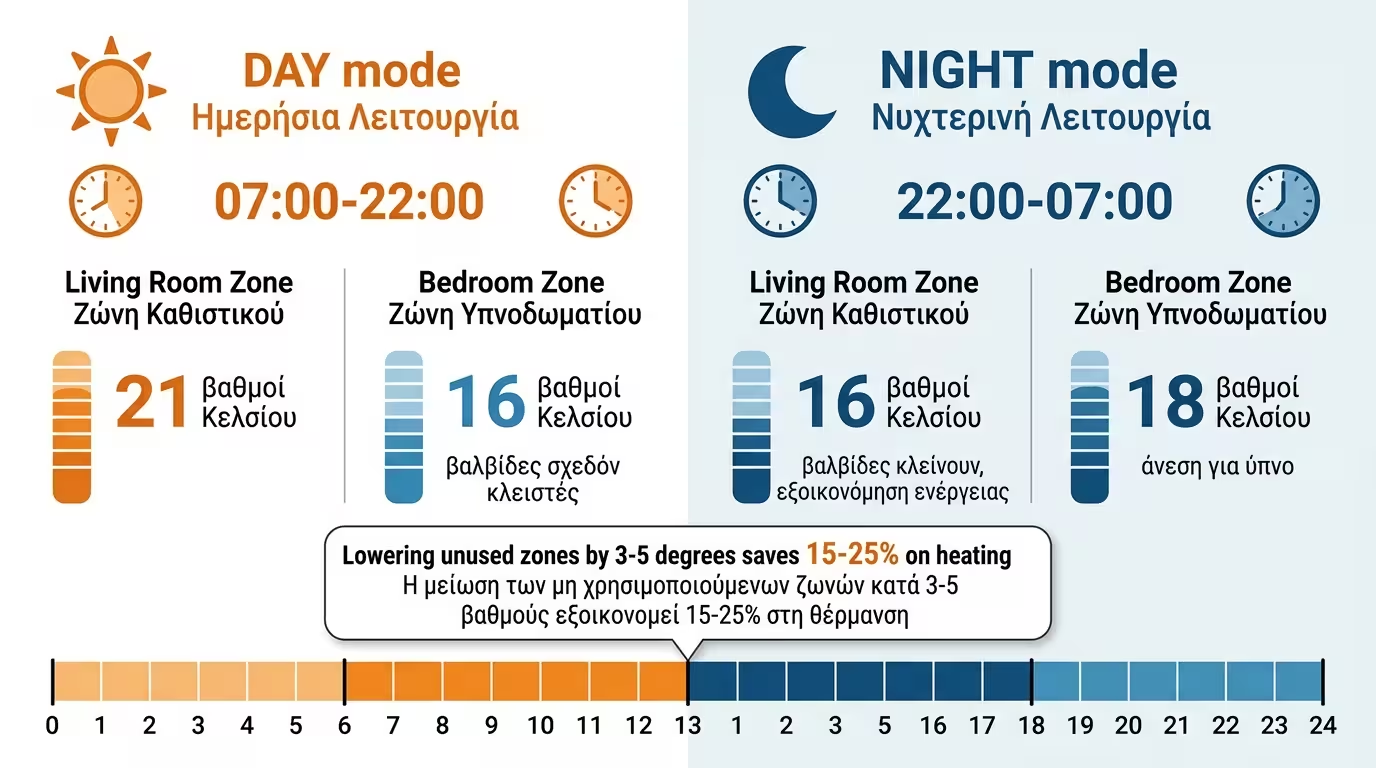
Living room, dining, kitchen: 21-22°C from morning to evening. Drops to 18°C at bedtime. Maximum consumption only during living hours.
Bedrooms: 18-19°C during the day (saving) and begin warming 1 hour before bed. Ideal sleep temperature: 18°C.
With a programmable thermostat per zone, the switch happens automatically. No need to remember anything. The system "knows" when you wake and sleep.
Every apartment or house. Even a 2-room flat can have 2 zones (living vs bedroom) with a dramatic improvement in comfort.
In a two or three-storey home, floor-by-floor zoning is mandatory. Due to the stack effect, warm air travels through the stairwell and rises.
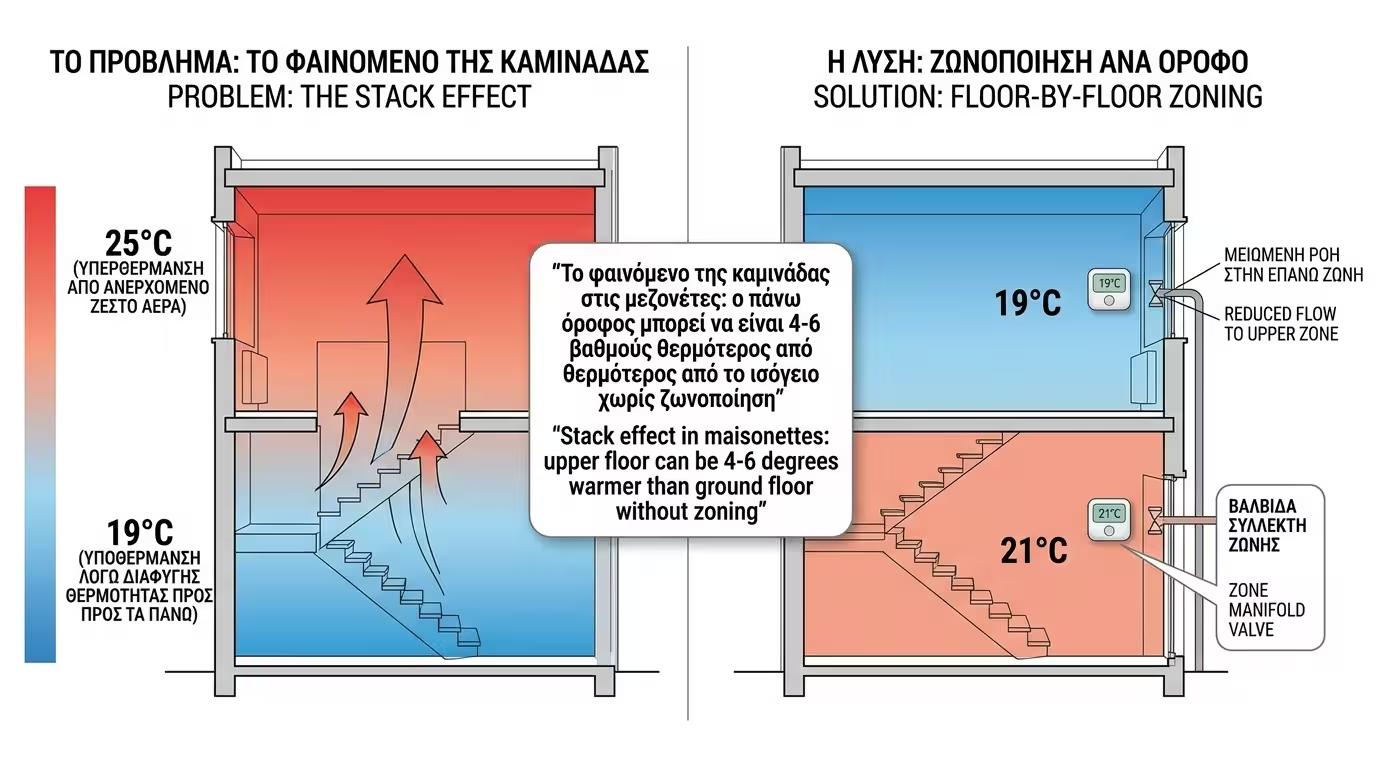
The ground-floor thermostat can't reach 21°C - but the upper floor hits 26°C! Warm air rises through the stairs. You pay heating for rooms already sweltering.
Each floor → its own zone, thermostat, and motorised valve. Ground floor requests 21°C? Upper floor stays off - it already has 23°C from the rising air.
In new builds, the mechanical engineer designs a separate collector per zone. In renovations, wireless TRV heads on each radiator are the simplest alternative.
The era of heating empty rooms is over. Zone control turns a "blind" system into a smart network that sends energy only where needed.
🏠 Zoning = each room at its own temperature. 30%+ savings, no more arguments, faster warm-up. In multi-storey homes, floor zoning is mandatory.
Return to category.
Go to categoryReturn to the central guide.
Go to guide