🟢 Green zone (off-peak)
Typically 00:00 – 07:00 and weekends. Electricity price: €0.08 – 0.10/kWh. This is when you want the heat pump running - heat is "stored" in the building (thermal mass).
Electricity tariffs are changing. There are now "zones" - hours when electricity costs less (green zone) and hours when it costs more (orange/red zone).
If you have a heat pump and a Wi-Fi thermostat, you can exploit these differences and reduce your bill by an additional 15-25%.
Instead of a flat electricity price (e.g. €0.15/kWh), dynamic tariffs change hourly or by zone. In Greece, tariffs with 3 zones (off-peak, mid-peak, on-peak) already exist.
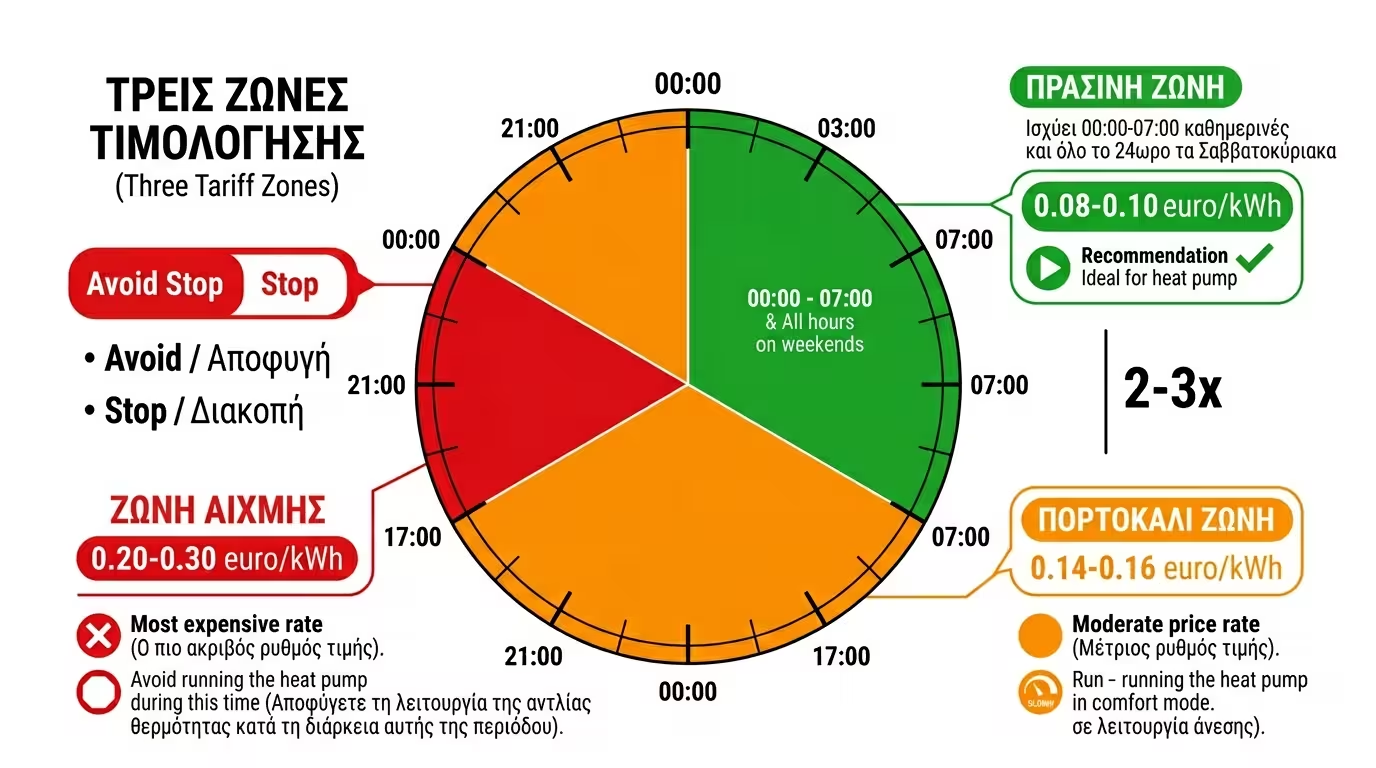
Typically 00:00 – 07:00 and weekends. Electricity price: €0.08 – 0.10/kWh. This is when you want the heat pump running - heat is "stored" in the building (thermal mass).
Typically 07:00 – 17:00 and 21:00 – 00:00. Price: €0.14 – 0.16/kWh. The heat pump can operate but at reduced power (comfort mode).
Typically 17:00 – 21:00. Price: €0.20 – 0.30/kWh. You don't want the heat pump running here if avoidable. "Pre-heating" keeps the home warm without consuming expensive electricity.
Homes with a heat pump, hot water tank and automation (Wi-Fi thermostat or timer). If you can't shift consumption, a dynamic tariff won't help.
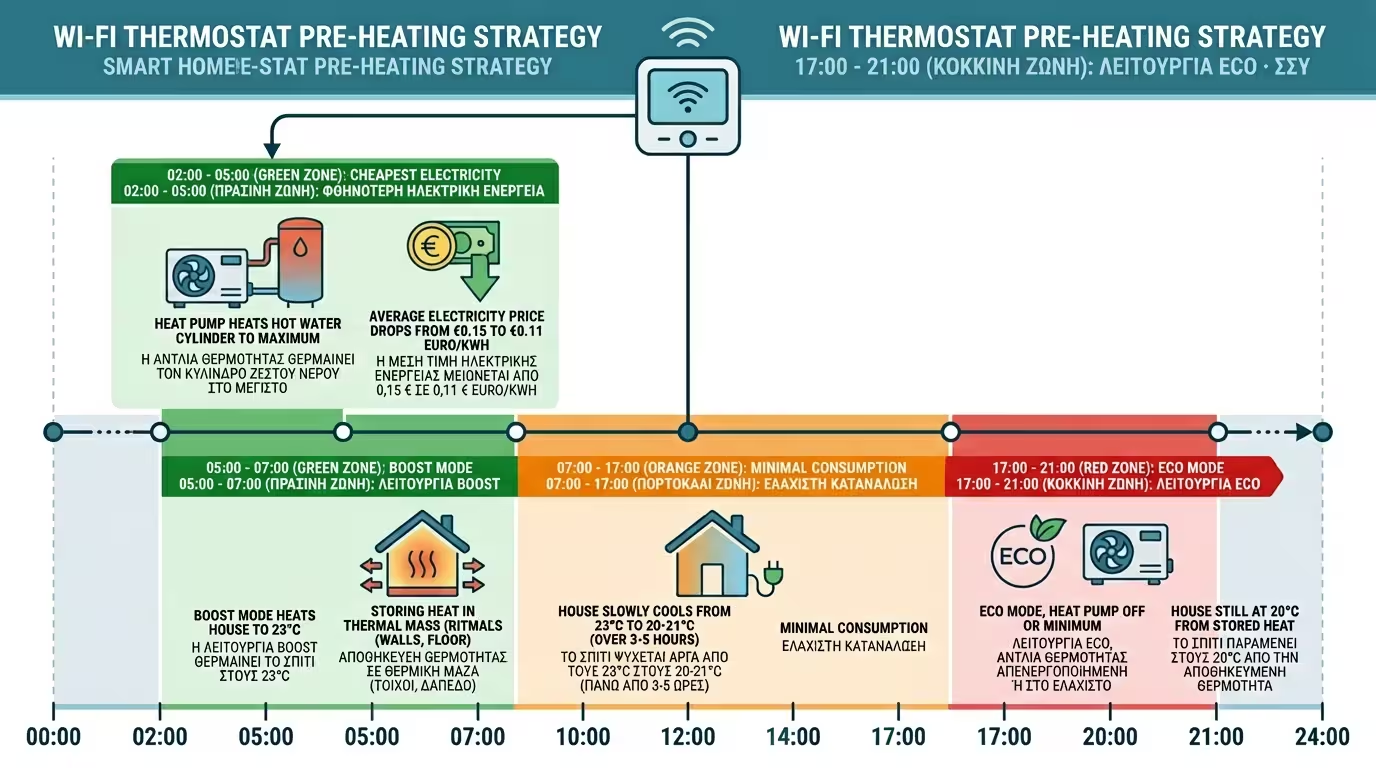
The idea is simple: set the heat pump to warm the house to maximum during cheap hours (green zone), so you "store" heat in the walls, floor and furniture.
An insulated 100 m² home can "hold" heat for 3-5 hours after heating stops. If you heat to 23°C at 5 a.m. (cheap electricity), by 10 a.m. you'll still be at 20-21°C with zero consumption.
Programme 2 modes: (1) Boost during green hours (05:00-07:00), (2) Eco during red hours (17:00-21:00). The heat pump works mainly on cheap electricity .
If the heat pump also heats a DHW cylinder, schedule water heating at night (02:00-05:00). Water retains temperature in an insulated cylinder for 12+ hours - cheap hot water all day!
With proper scheduling, the average electricity price drops from €0.15 to ~€0.11/kWh . Annually, that means €80-150 less - with zero extra investment, just "smarts".
The next step: if you have photovoltaics and a home battery, you can charge the battery during cheap hours and power the heat pump during expensive hours. This is called energy arbitrage .
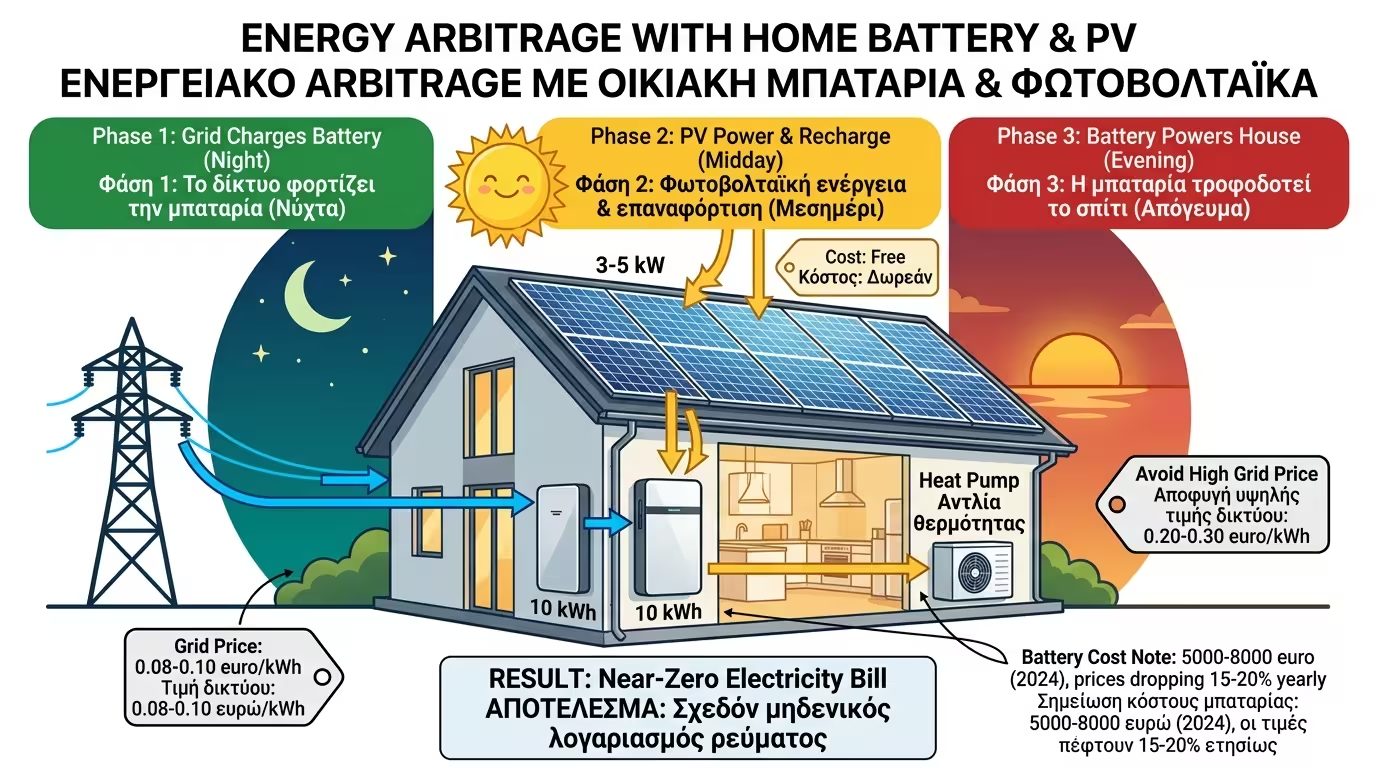
Night (cheap electricity): charge battery. Midday (sunshine): PV panels recharge. Evening (expensive): battery powers heat pump + home. Result: near-zero electricity bill.
A 10 kWh home battery costs €5,000 – 8,000 (2024). Prices drop 15-20% yearly. In 2-3 years it will truly be economically viable for every household.
The ideal combo: 3-5 kW photovoltaics reduce the electricity bill by 50-70%. The heat pump runs on "free" sun during midday hours.
If you live in an apartment, you can join a virtual net metering scheme - install PV panels at a remote location and credit your bill. The heat pump "feeds" on sun without panels on the roof.
Savings don't stop at buying the heat pump. With a Wi-Fi thermostat, dynamic tariff and proper scheduling, you can reduce your energy bill by an additional 15-25%.
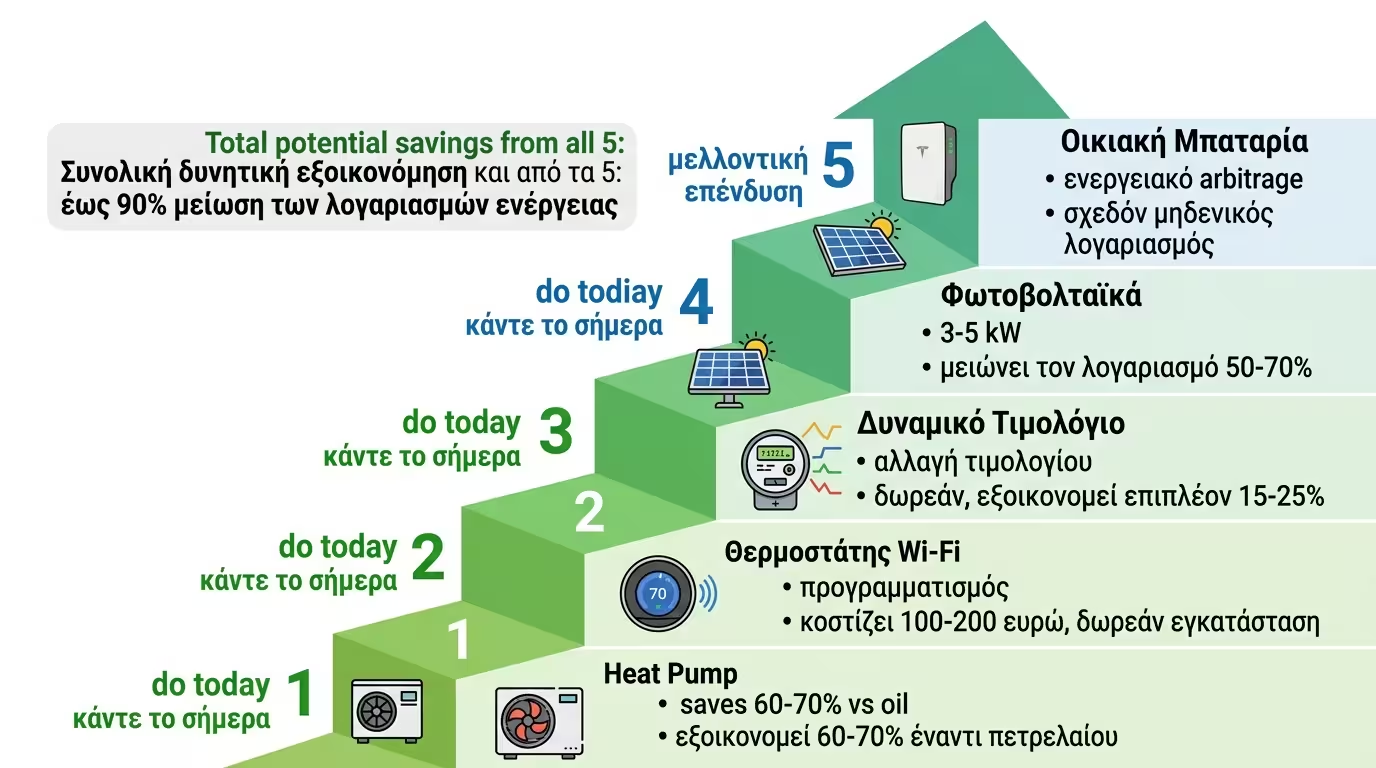
1. Heat pump (foundation). 2. Wi-Fi thermostat (scheduling). 3. Dynamic tariff (cheap hours). 4. Photovoltaics (free electricity). 5. Battery (energy arbitrage).
Steps 1-3 can be implemented today at minimal cost. A Wi-Fi thermostat costs €100-200 and changing your tariff is free.
Steps 4-5 (PV + battery) require investment, but falling prices make them increasingly accessible. In 2-3 years, "autonomy" will be mainstream.
Energy strategy requires planning - buying equipment alone isn't enough. Ask us for a personalised solution combining heat pump, tariff and automation.
⚡ Don't stop at the heat pump - energy strategy (dynamic tariff + smart HVAC) cuts your bill by another 15-25%!
Return to category.
Go to categoryReturn to the central guide.
Go to guide