📏 Oversizing
They check whether the equipment is unjustifiably oversized for the building's needs. A 150 kW boiler in a building that needs just 80 kW is common in Greece. Oversizing means short-cycling, fuel waste and premature equipment ageing.
There is a huge misconception: many building managers believe that because they call the burner technician every autumn to clean the boiler (and he gives them the familiar Inspection Sheet), they are legally covered.
This is wrong. The annual maintenance is about safety. The Energy Inspection is a completely different, state-mandated audit that focuses on performance and energy waste. Let's see who it applies to and what risks negligence hides.
The inspection is not conducted by your technician, but by a certified Energy Inspector (engineer). When they enter the boiler room or climb onto the roof, they check things that the maintenance technician usually ignores.
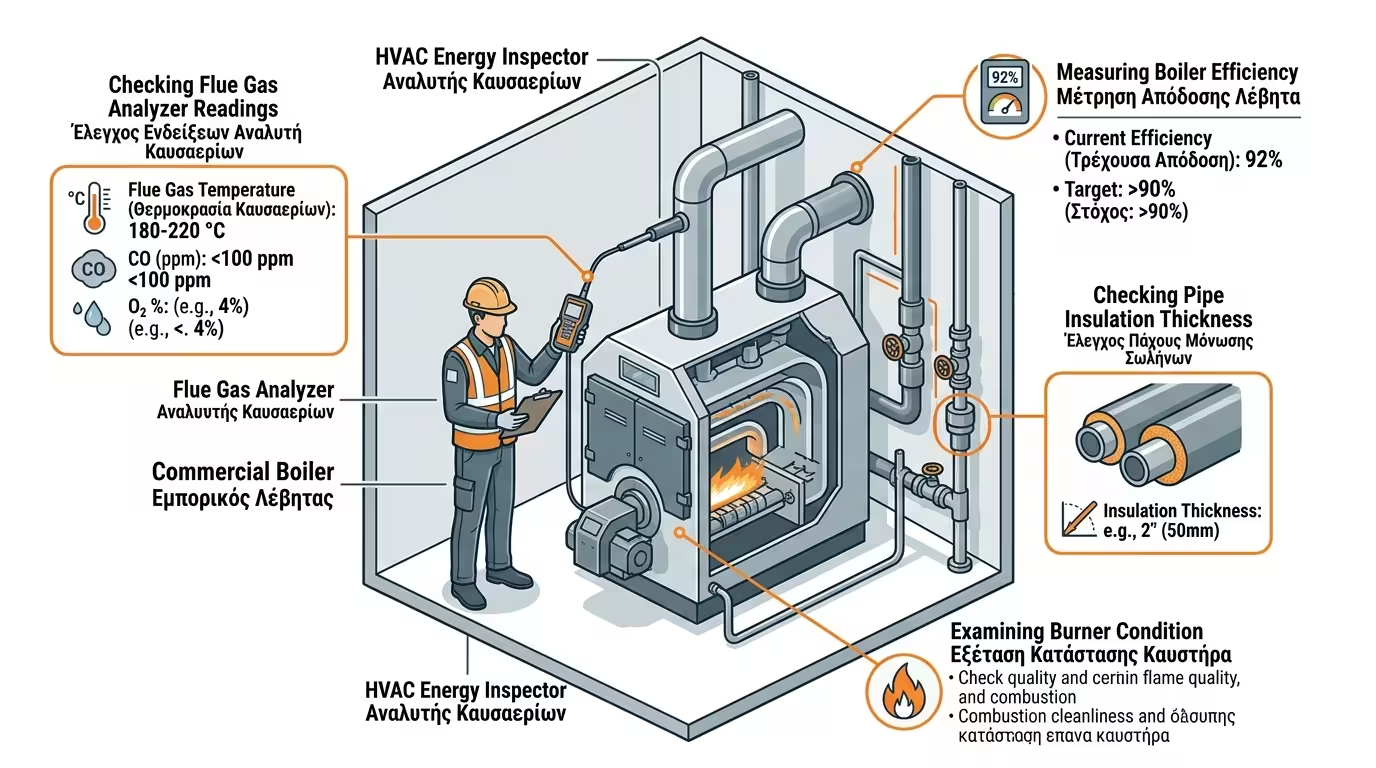
They check whether the equipment is unjustifiably oversized for the building's needs. A 150 kW boiler in a building that needs just 80 kW is common in Greece. Oversizing means short-cycling, fuel waste and premature equipment ageing.
If the pipes carrying hot water through walls or basement are exposed, heat is lost before reaching the radiators. In central heating systems, losses can reach 15-20% of total energy.
They check for proper thermostats, weather compensation (outdoor sensor) and a building management system (BMS). Without these, the boiler runs blind, wasting energy even when it's not needed.
At the end, they issue an official report with improvement recommendations. For example: "If you install an Inverter circulator pump, payback will be 2 years." The report is a savings tool - it reveals exactly where you lose money daily.
You don't need to panic if you have a simple apartment. The law (based on European Directives) targets the "heavy consumers".
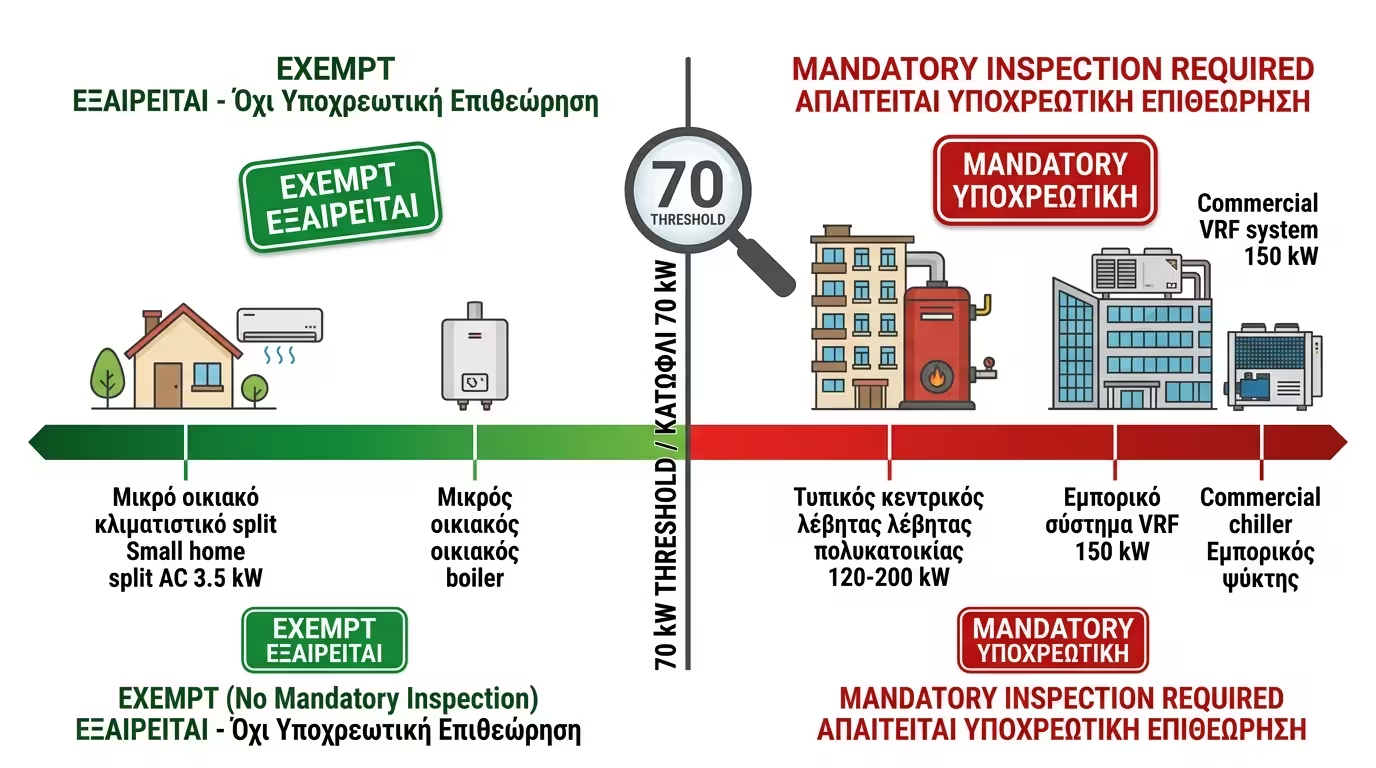
The Energy Inspection is absolutely mandatory for oil/gas boilers and heat pumps with a total useful nominal capacity above 70 kW . This "catches" almost all older apartment buildings with central heating.
Chillers, VRV systems and central air handling units with capacity above 70 kW must also pass inspection. This applies to hotels, offices, hospitals and commercial buildings with large HVAC systems.
If you have a standalone gas boiler on your balcony (e.g. 24 kW) or 3-4 simple air conditioners, you are exempt. The inspection only applies to "heavy" central heating/cooling systems.
In practice, it applies to apartment buildings with central boilers, hotels, office buildings, hospitals, schools and commercial properties. If you are a building manager, the responsibility falls exclusively on you.
The general rule for large systems is that the inspection must be repeated every 4 years. If the building has an advanced BMS, it may be exempted from the physical inspection.
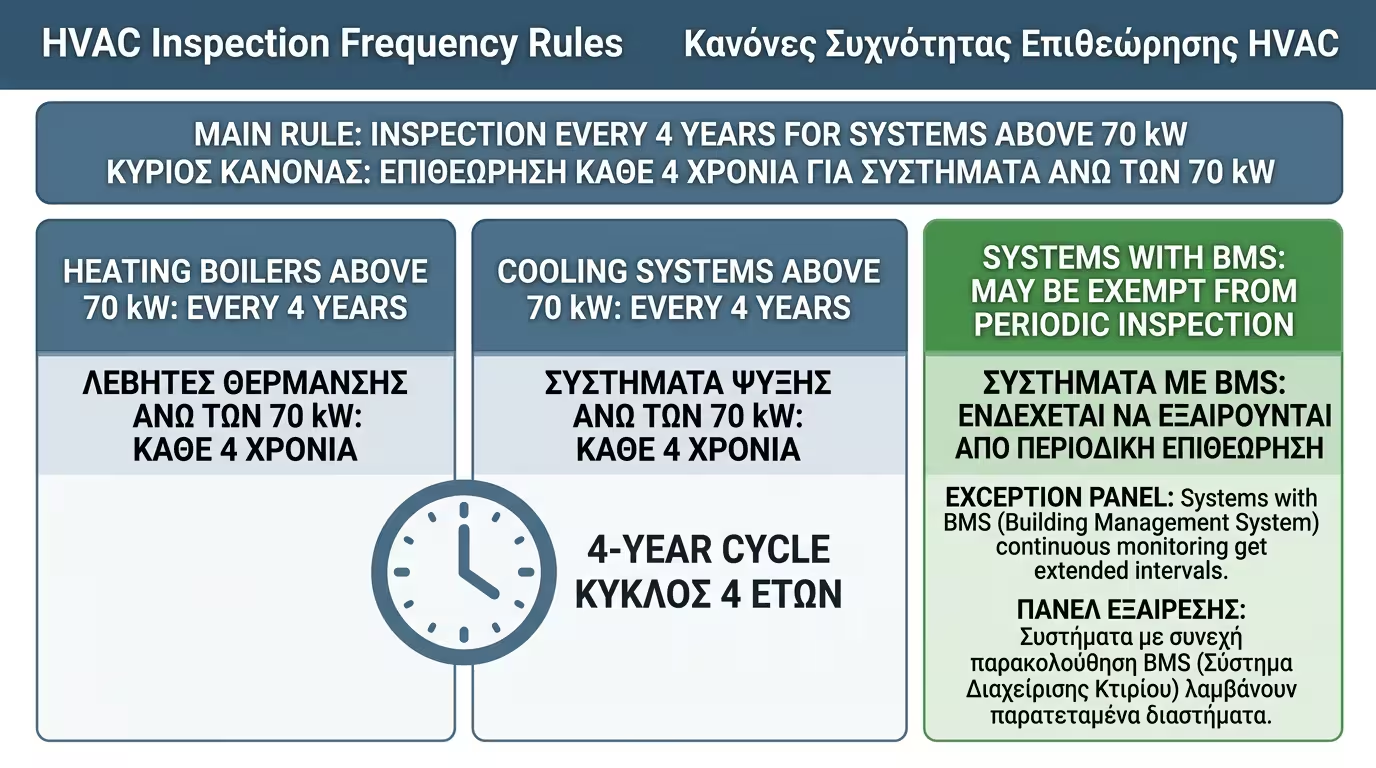
Regulations are updated periodically, but the basic rule remains: inspections are repeated every 4 years. Before the previous report expires, you must call a certified Energy Inspector.
If the building (e.g. a modern hotel) has an advanced automation system (BMS) that continuously monitors performance and alerts when efficiency drops, the state exempts you from the physical inspection obligation.
Administrative fines for non-compliance (in case of a Ministry audit) start from €1,000 and reach €10,000, depending on the severity and building size. In practice, it's far more expensive not to have the inspection.
If the system "sees" that you have a central boiler of 150 kW and the Energy Inspection Report is missing, the building is considered to have a "gap" in its legal documents. It cannot be sold or transferred until the matter is resolved.
The HVAC Energy Inspection is not a tax - it is a savings tool. The Inspector's report reveals exactly where you lose money every day.
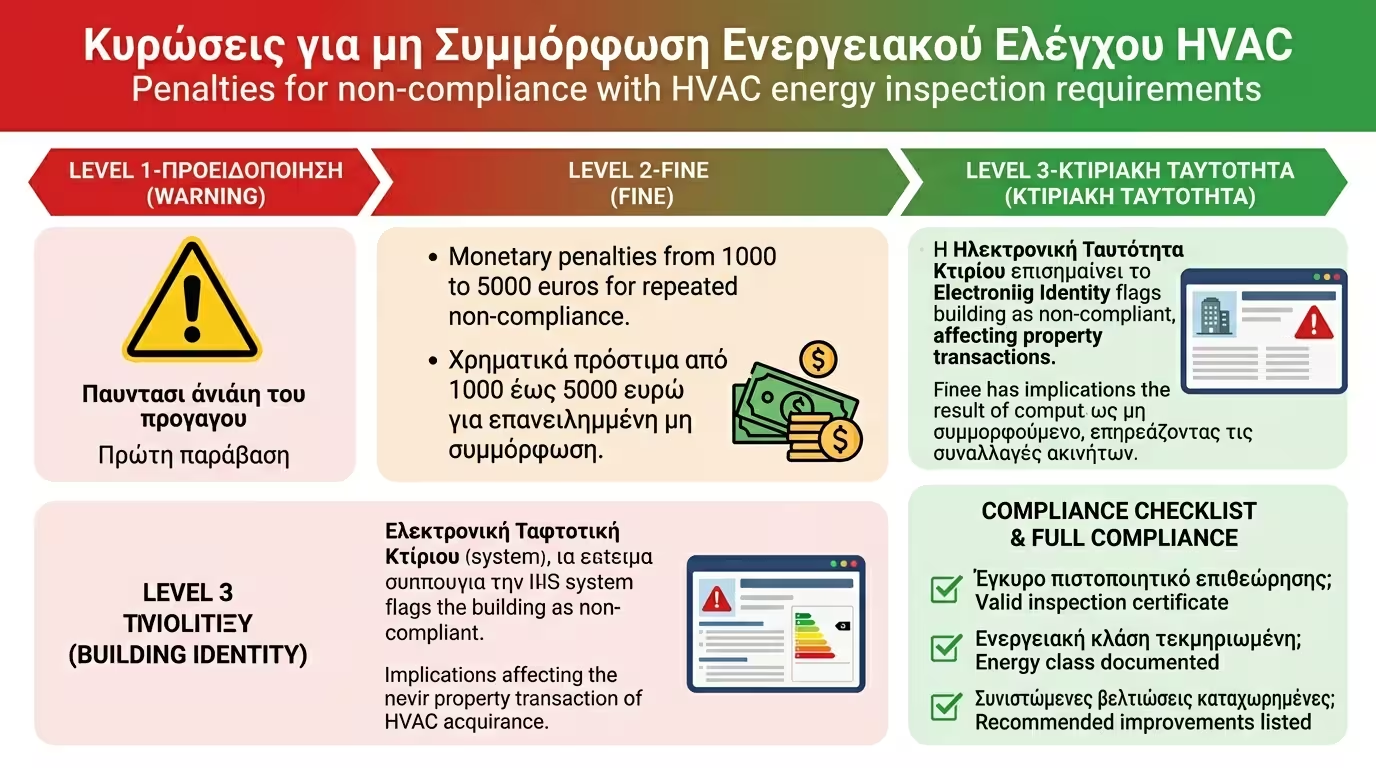
All property documents (permits, plans, EPCs, inspections) are being digitised. The situation is changing rapidly - the system now automatically "sees" if any legal document is missing.
The Inspector doesn't just tick boxes - they provide personalised improvement recommendations . They may reveal that a simple €200 Inverter pump could save you over €500 per year - payback in just 5 months!
If you are a building manager or business owner, ensure you are legally covered. You gain simultaneously in savings and safety. Negligence brings fines, transfer blockage and expensive breakdowns.
You can find a certified Inspector through the Ministry's registry. The inspection typically costs €300-800 (depending on system size), but the savings it identifies usually pay back within the first winter.
🔧 The Energy Inspection isn't "bureaucracy" - it's the X-ray that reveals where you lose money every day in your boiler room.
Return to category.
Go to categoryReturn to the central guide.
Go to guide