💰 Purchase price (10-15%)
The initial price represents only 10-15% of total ownership cost for an HVAC machine. A €7,000 heat pump will "consume" €40,000-60,000 in electricity over 20 years.
You see two air conditioners on the shelf: one for €400 and one for €900. You pick the cheap one because it "does the job". In 10 years, you'll have paid double in total.
This trap is called Life Cycle Costing (LCC) - calculating the total cost of ownership over the machine's entire lifespan.
The purchase price is just the tip of the iceberg. Hidden beneath the surface are: annual electricity, maintenance, spare parts and potential early replacement.
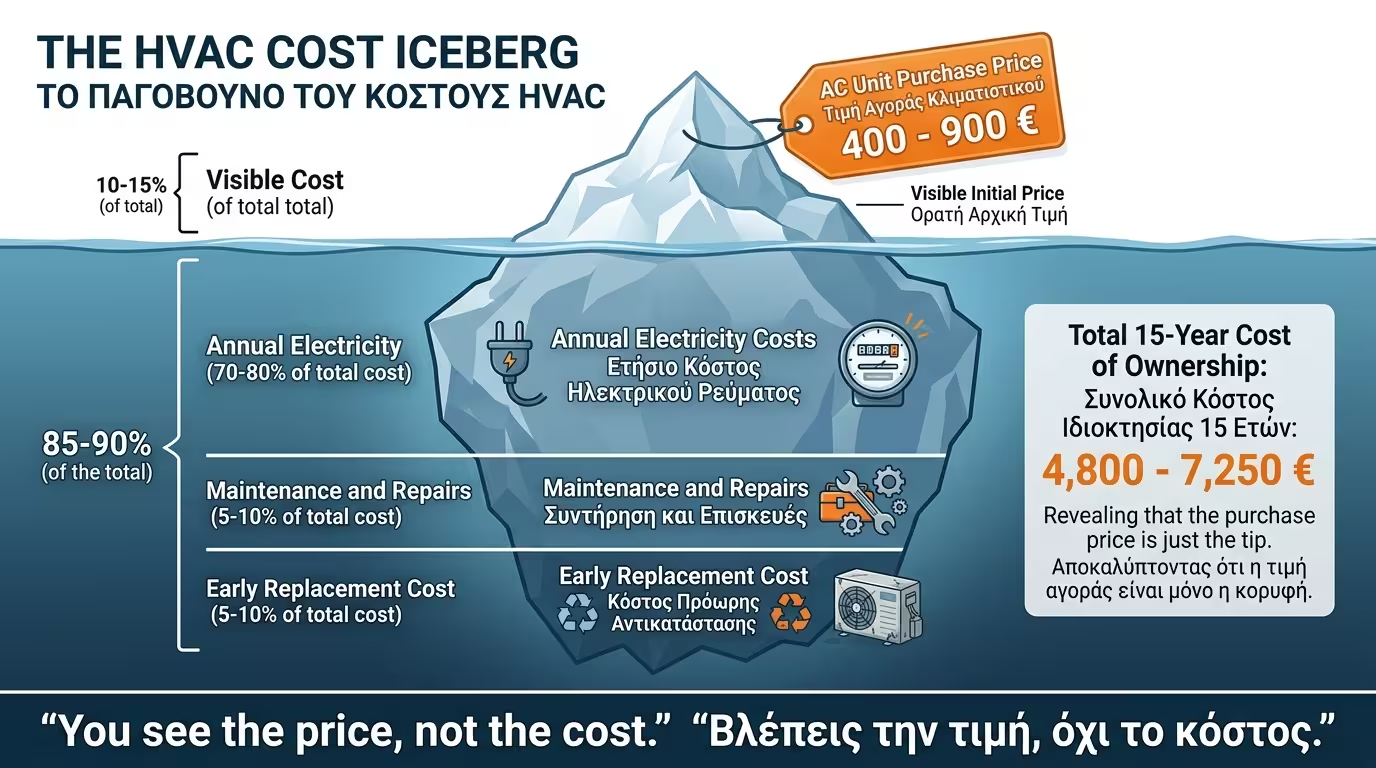
The initial price represents only 10-15% of total ownership cost for an HVAC machine. A €7,000 heat pump will "consume" €40,000-60,000 in electricity over 20 years.
Electricity consumption is the biggest cost. An A+ air conditioner uses 30-40% more electricity than A+++. Over 10 years, the difference reaches €1,000-2,000.
Filter cleaning, servicing, potential faults. Cheap machines break more often - mean time between failures (MTBF) is significantly shorter.
A cheap air conditioner lasts 7-10 years. A premium one 15-20 years . If you replace 2 cheap units instead of 1 quality one, the "savings" evaporate - and you pay for double installation.
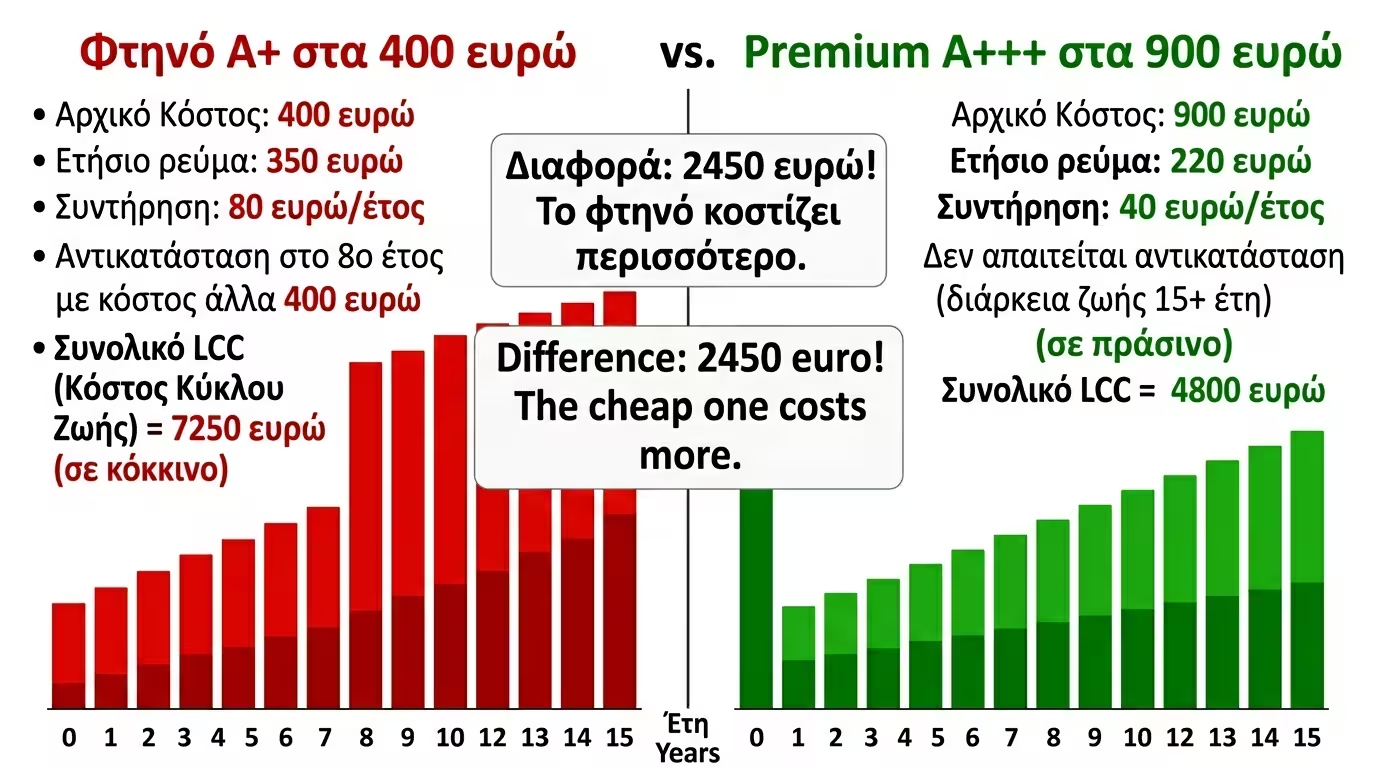
Let's calculate: two 12,000 BTU splits - a B brand at €400 (A+) and a premium at €900 (A+++). 15-year horizon.
Purchase: €400. Annual electricity: €350. Maintenance/repairs: €80/year. Replacement at year 8: €400. Total: 400 + (350×15) + (80×15) + 400 = ~€7,250.
Purchase: €900. Annual electricity: €220. Maintenance/repairs: €40/year. No replacement (15+ year lifespan). Total: 900 + (220×15) + (40×15) = ~€4,800.
Despite the €500 purchase difference, the premium unit is €2,450 cheaper over 15 years. The "savings" on purchase cost you dearly.
Premium Inverter units are quieter, have more stable temperature and better defrosting. Quality of life improves dramatically - something money can't easily measure.
Don't just look at the price tag. Ask the "sister" questions that determine real cost.
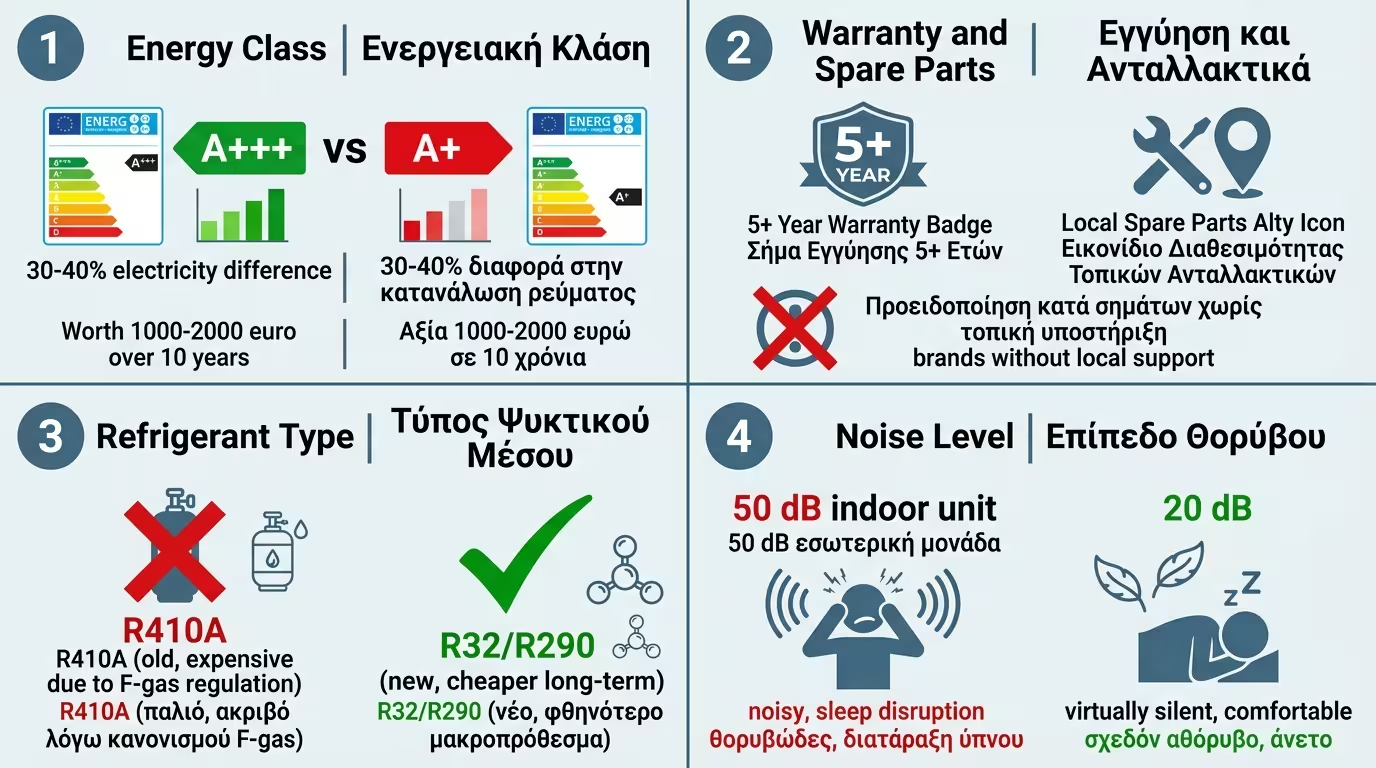
A+++ vs A+ means 30-40% less electricity. Over 10 years, that translates to €1,000-2,000 savings.
5+ year warranty shows manufacturer confidence. Check if spare parts are available locally - an AC without parts is disposable.
The new F-gas regulation increases prices of old refrigerants (R410A). Newer machines with R32 or R290 will have cheaper maintenance long-term.
A cheap split at 50 dB indoor unit will wake you at night. A premium at 20 dB is virtually silent. Sleep comfort is priceless.
The purchase price is only 10-15% of total cost. A "cheap" machine will cost you much more in electricity, repairs and replacement.
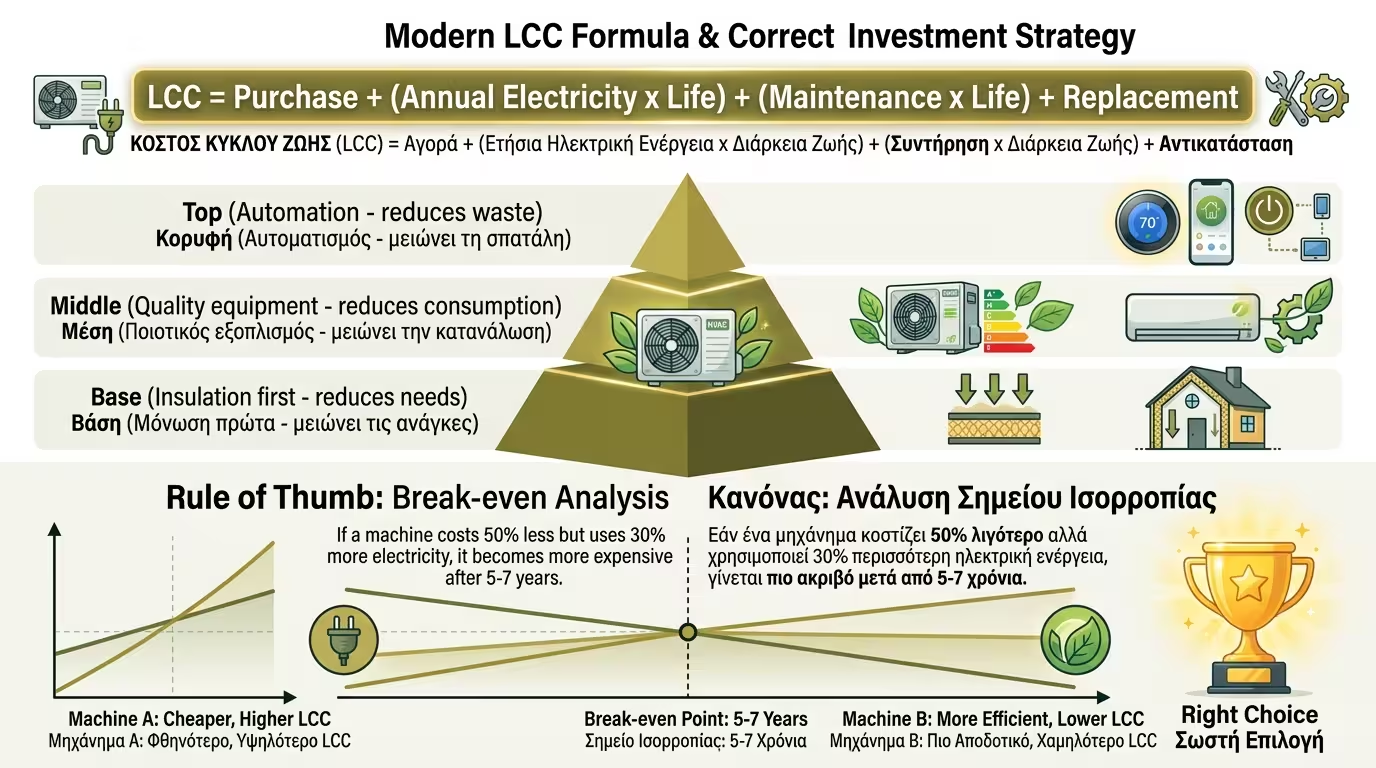
LCC = Purchase + (Annual electricity × Life) + (Maintenance × Life) + Replacement. Calculate this before buying - the numbers speak for themselves.
If a machine costs 100% less (half price) but uses 30% more electricity, in 5-7 years it will be more expensive. Always calculate the LCC.
Insulation first (reduces needs), then quality equipment (reduces consumption), finally automation (reduces waste). This sequence delivers maximum value per euro.
Before buying a heat pump or air conditioner, ask us for an LCC analysis. We'll calculate the true cost of ownership over 15-20 years - free of charge.
🧊 Don't ask "how much does it cost?" - ask "how much will it cost me over 15 years?" That's the right calculation.
Return to category.
Go to categoryReturn to the central guide.
Go to guide