The Oversizing Myth: Why "Getting a Bigger One for Safety" Destroys Your
Wallet
The logic of "get something bigger just in case" works when buying a car
or fridge. But in HVAC, buying equipment with more power than your home
actually needs (Oversizing) triggers a chain reaction
of problems.
Your Heat Loss Study says the house needs 8 kW. But
temptation strikes: "Maybe I should get the 14 kW heat pump, just to be
safe in extreme cold?" If you do, you've just signed your installation's
death warrant.
1. The Short-Cycling Phenomenon (The Machine's "Hiccups")
Modern machines (heat pumps, AC units) feature Inverter
technology: the compressor reduces speed when the target temperature
is reached and "cruises" at minimum consumption. But what happens with a
14 kW "beast" in a home needing only 6 kW?
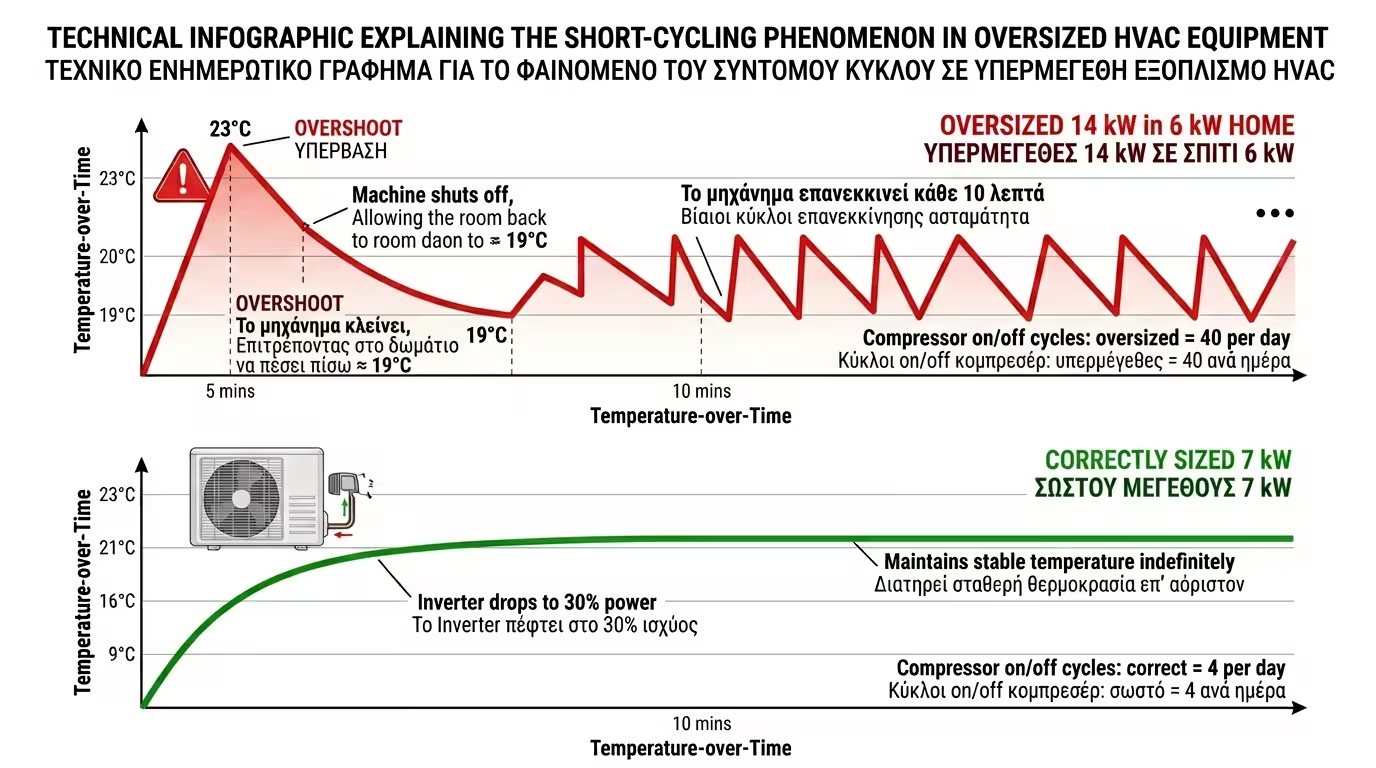
⚡ The Beast Scenario
The overpowered machine "swallows" the room in 5 minutes. It reaches 21°C, but even at its lowest Inverter speed it
produces so much heat that the temperature keeps climbing (Overshoot). With no other option, it's forced to shut down completely.
🔄 The Destruction Cycle
After 10 minutes, the house cools slightly. The beast restarts, runs
for 5 minutes, shuts down again. This violent
On-Off every 10 minutes is called
Short-Cycling - the absolute nightmare for any electromechanical
equipment.
❌ Why the Inverter Can't Save It
Many believe the Inverter "saves" an oversized machine. In practice,
a 14 kW Inverter has a minimum output of 4-5 kW - still
far too much for a 6 kW home. The Inverter saves energy only when it can
"lock" at low speed
continuously.
🌡️ The Discomfort Factor
Each startup blasts hot (or freezing) air. Each shutdown stops the
flow. The result: temperature swings ±2-3°C instead of
staying stable. You feel alternating hot and cold instead of uniform thermal
comfort.
2. Goodbye Economy: Driving in City Traffic
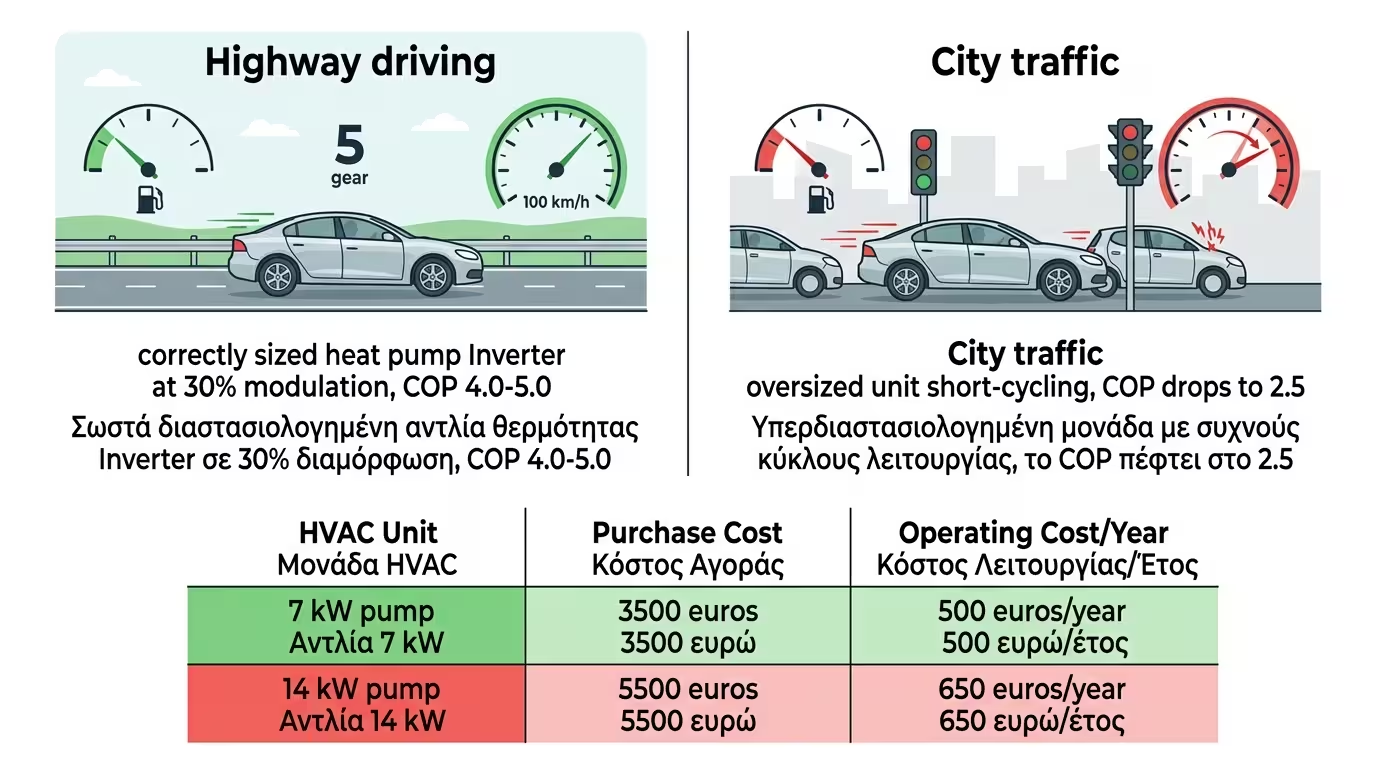
The analogy is perfect: you want to drive Athens-Thessaloniki with
maximum fuel economy. The right machine hits the highway, shifts to
5th gear, "locks" at 100 km/h (Inverter at 30%) and cruises
effortlessly. The oversized one makes the same journey in city traffic
- full throttle, brake, full throttle again...
📉 COP in Freefall
Continuous restarts "gulp" enormous amounts of electricity. The heat
pump's COP plummets because each startup demands
3-5× more current than running. You end up paying more electricity than someone with a smaller, cheaper machine.
💸 Double Damage
You paid 30-50% more for a bigger machine. And now you
pay 15-25% more on the electricity bill every month.
Oversizing punishes twice - at purchase and in operation.
🔋 The Value of Right-Sizing
A correctly sized machine runs almost non-stop at the
lowest speeds, completely silent. The Inverter exploits its full potential:
COP
4.0-5.0 instead of 2.5 during short-cycling.
📊 Numbers That Speak
Example: 100 m² Athens home. Correct 7 kW pump: cost
~€3,500, annual bill ~€500.
Oversized 14 kW: cost ~€5,500, annual bill
~€650. Difference:
€2,000 purchase + €150/year - with zero benefit.
3. Premature Aging and Breakdowns
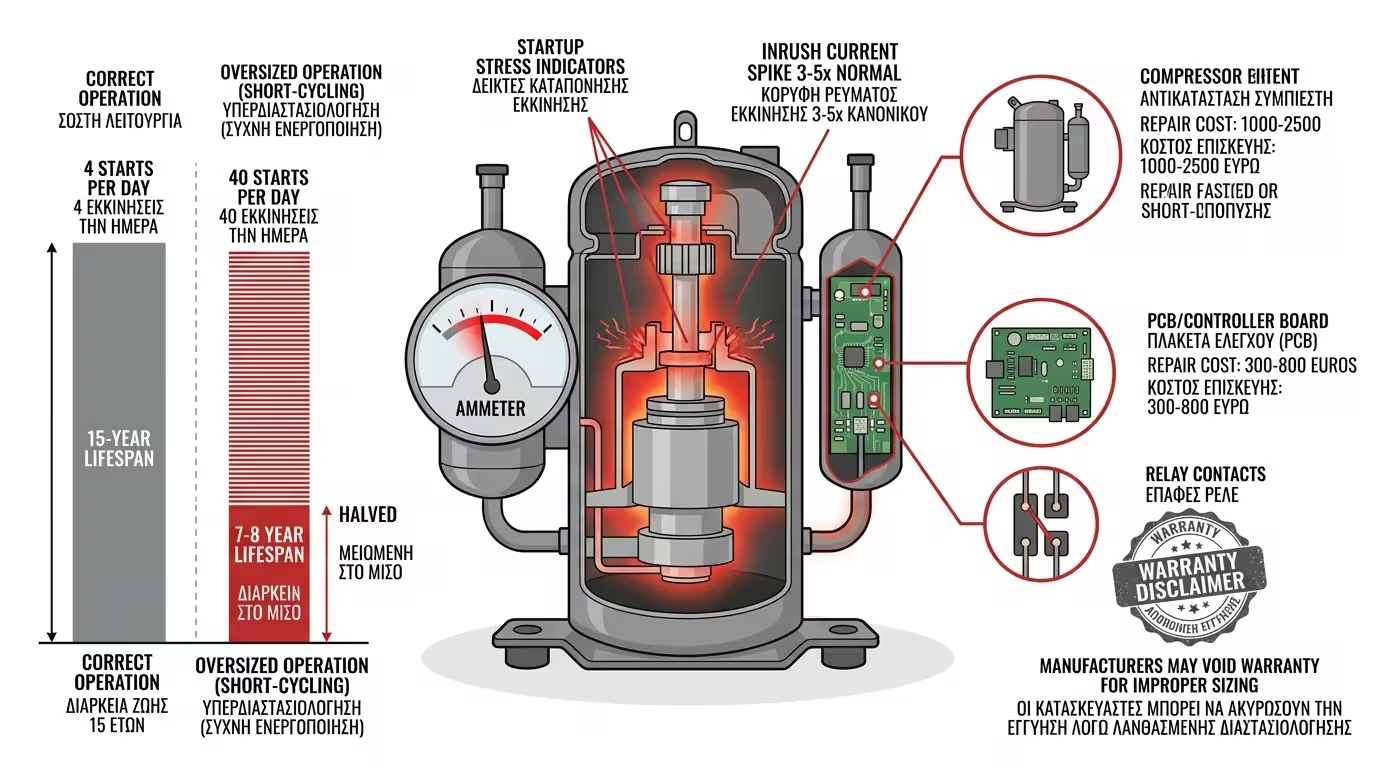
Every electric motor and compressor suffers the greatest mechanical
stress at the moment it starts. Startup current is
3-5× higher, creating thermal shock in electrical and mechanical
components.
⏱️ 40 Starts Instead of 4
If the machine turns on and off 40 times
per day instead of 4, the lifespan of compressor, PCB and relays drops
by half. You bought an expensive 15-year machine
that will last only 7-8 years.
🔧 Early Warning Signs
Startup noises (relay clicks), inrush current tripping breakers,
error codes on the PCB - all signs that
short-cycling is destroying the equipment. Within a few
years, the damage becomes permanent.
💰 Hidden Repair Costs
Compressor replacement: €1,000-2,500. PCB
replacement: €300-800. If these happen 5 years
early due to oversizing, the "safety" you bought becomes the most
expensive mistake.
🛡️ Warranty Won't Save You
Manufacturers know incorrect sizing causes failures. Many warranties explicitly exclude
damage from improper installation or wrong sizing. The engineer must always
document correct sizing.
4. The Summer Trap: Why You're Drowning in Humidity
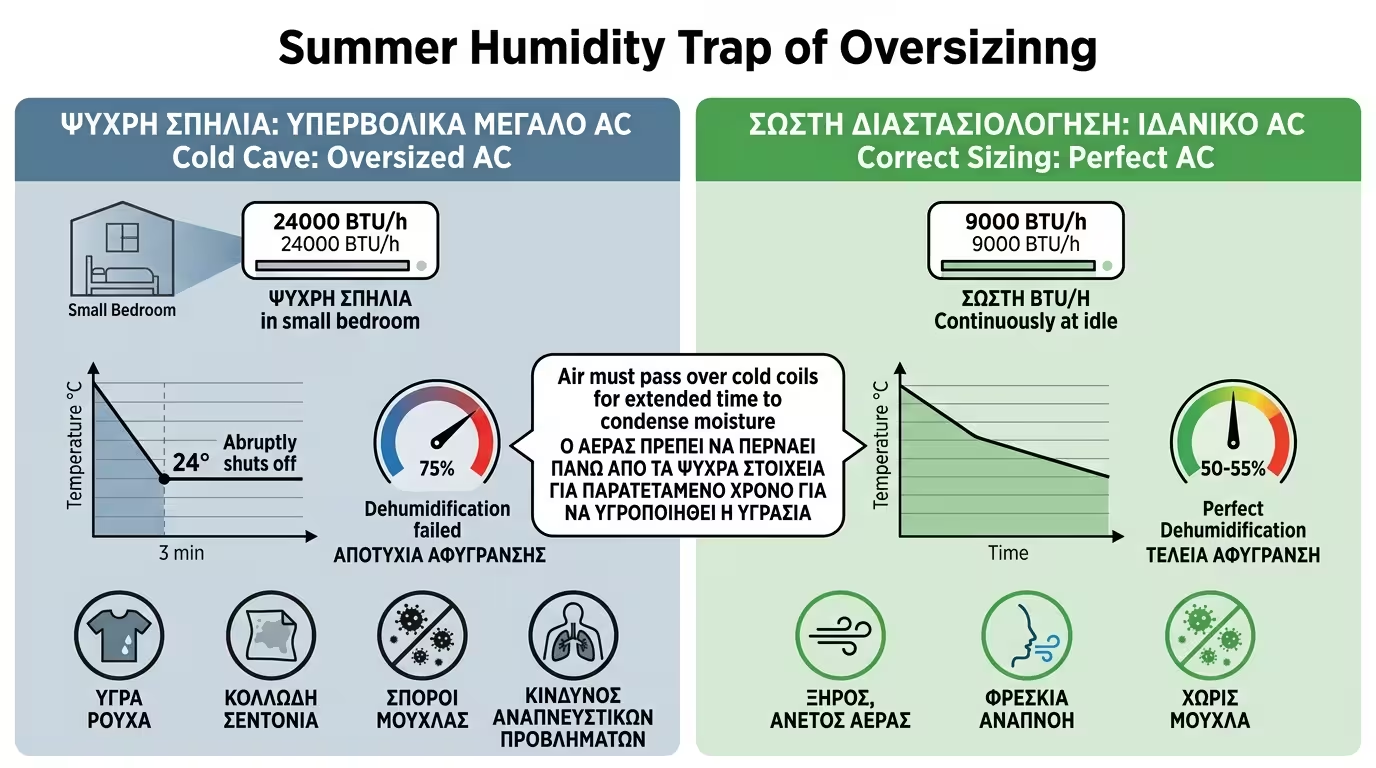
Oversizing is even more destructive in summer. For
real comfort, the AC must act as a dehumidifier - air needs to flow
over the cold coils long enough
to condense moisture.
🧊 The "Cold Cave"
A 24,000 BTU unit in a small bedroom hits 25°C in 3 minutes and
shuts off. The air chilled, but didn't have time to dehumidify. Result: low temperature, but your clothes feel damp, sheets stick
to you - extremely unpleasant and unhealthy.
✅ The Right Solution
A correctly sized 9,000 BTU unit runs continuously at idle, perfectly drying the air. Temperature drops steadily, humidity
falls to 50-55%, and you feel genuine coolness - not cold
suffocation.
🏥 Health Risks
High humidity in a cold room = ideal environment for
mould, dust mites and respiratory problems. An oversized
AC isn't just wasteful - it can actively
harm your health.
📐 The Golden Rule
Trust the Heat Loss Study (EN 12831). Numbers never
lie. A precision-sized system runs almost non-stop at the lowest
speeds, completely silent, delivering
absolute thermal comfort.
⚠️ Buying a bigger machine "for safety" isn't safety - it's
throwing money away twice: more expensive purchase,
higher bills, faster wear, worse air quality.