♨️ Heat pump
Replacing an oil boiler with a heat pump is almost always eligible. The subsidy covers the machine, installation and disposal of old equipment. Coverage: 50% – 75% (depending on income).
The "Exoikonomo" and "Anakainizo" programmes are the largest state funding you can receive for energy upgrades. If you're planning a heat pump, insulation or window replacement, you can get back up to 75% of your investment.
However, there are traps that many people overlook and lose the subsidy entirely. Let's see what's funded, what the criteria are and where most people go wrong.
The heaviest budget allocations go to interventions that dramatically reduce consumption. The heat pump is the star player of every application - it earns the most points towards the energy target.
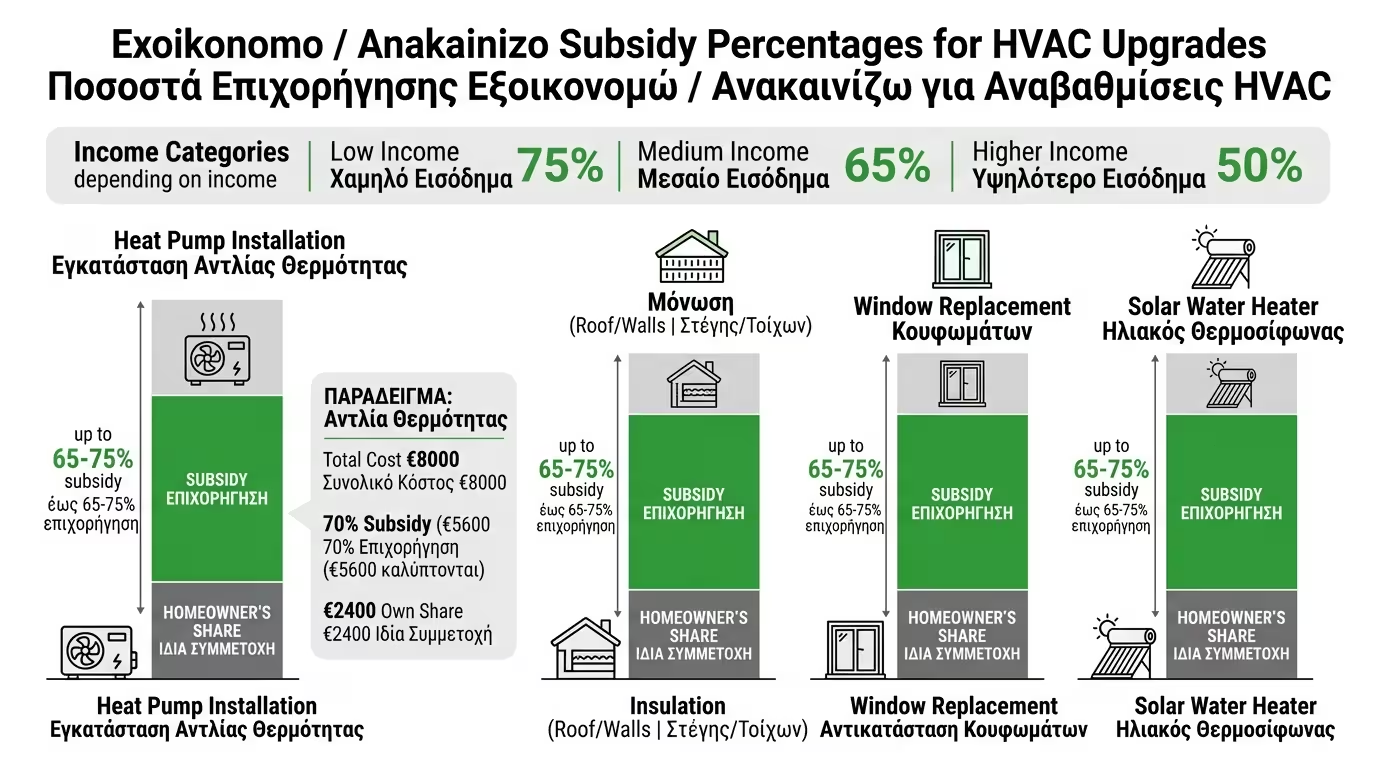
Replacing an oil boiler with a heat pump is almost always eligible. The subsidy covers the machine, installation and disposal of old equipment. Coverage: 50% – 75% (depending on income).
Replacing an electric water heater with a solar one is fully funded. Typical cost €800 – 1,500 , with subsidy up to 75%. Afterwards, free hot water for 8-9 months per year!
External roof, wall and pilotis insulation. Pipe insulation. Window replacement with energy-efficient ones (triple glazing, thermal break). Insulation reduces needs, and the heat pump then works less = less electricity.
Replacing old on/off A/C with modern A+++ Inverter units is also funded (if included in the study). The new machines must meet the minimum energy specifications defined by the Guide.
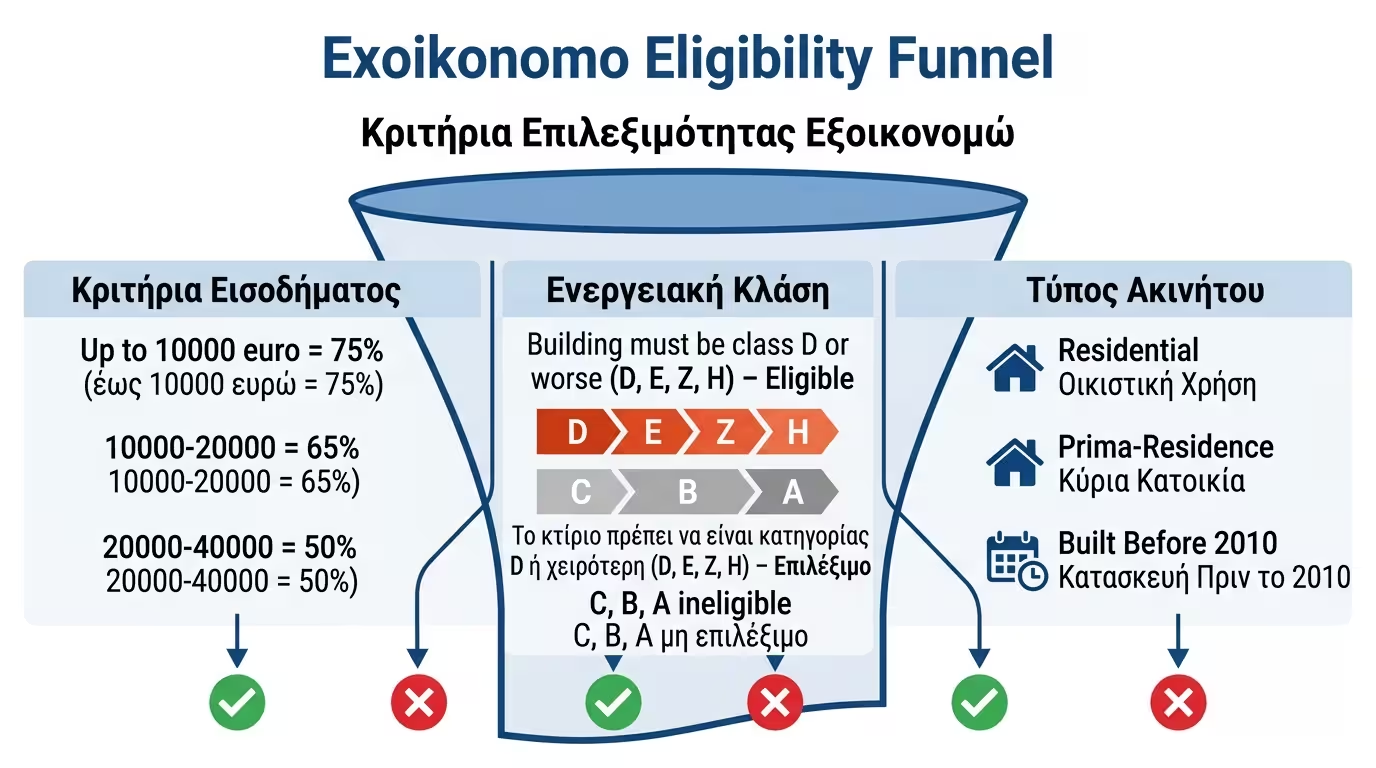
Not everyone gets the same percentage. The subsidy is graduated based on income and the property's energy class.
Individual income up to €5,000 (or family up to €10,000). Subsidy rate: 75% . The highest coverage - 3/4 of the expense is paid by the programme.
Individual income up to €10,000. Subsidy rate: 65%. Still exceptionally generous - don't let it pass.
The subsidy decreases gradually (60%, 50%, 40%...) up to higher incomes that still receive coverage - but smaller percentages. Even the lowest category means thousands of euros back.
To receive the funds, you must hit the energy target. E.g. if starting from "G", you must reach at least "D". If you don't hit it, the subsidy is cancelled and you must return the money.
The "Exoikonomo" isn't "free money". There are strict deadlines, technical requirements and details that, if ignored, cause you to lose the entire subsidy.
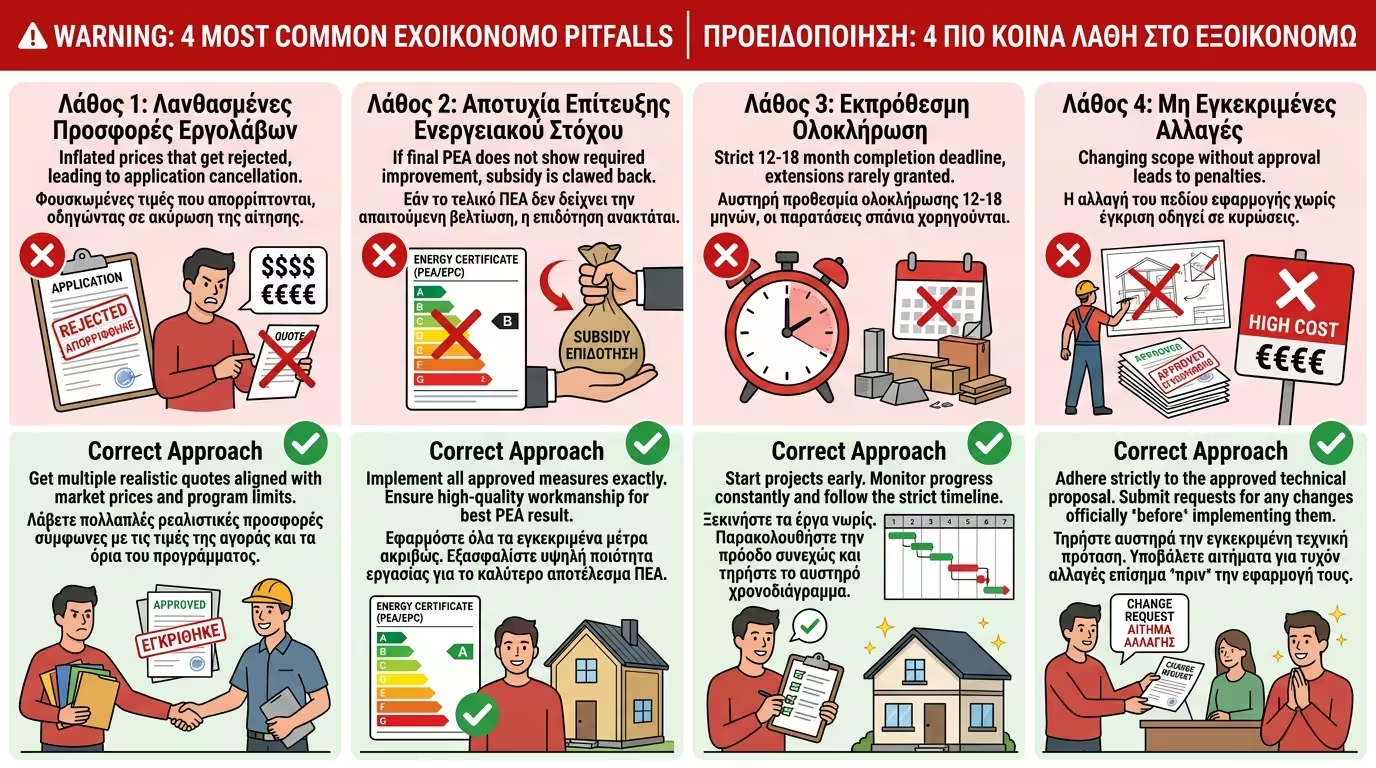
The completion deadline is strict (typically 12-18 months). If the contractor is late, if windows are delayed or materials are unavailable, you'll fall past the deadline = you lose everything.
If the Energy Inspector makes an incorrect recording in the initial EPC (e.g. records more insulation than actually exists), the energy target becomes unachievable. Result: cancellation.
Some suppliers offer equipment that "seems cheap" but doesn't meet the minimum energy specifications of the Guide. If the heat pump doesn't hit the required COP or the AC isn't A+++, the expense is rejected.
If you declare €10,000 but the actual invoiced value is €7,000, you receive subsidy only on €7,000. If you declare €5,000 and the actual cost is €8,000, you lose the remaining €3,000. Accurate costing = maximum subsidy.
The "Exoikonomo" and "Anakainizo" programmes are the biggest opportunity for energy upgrades. Don't let it go to waste.
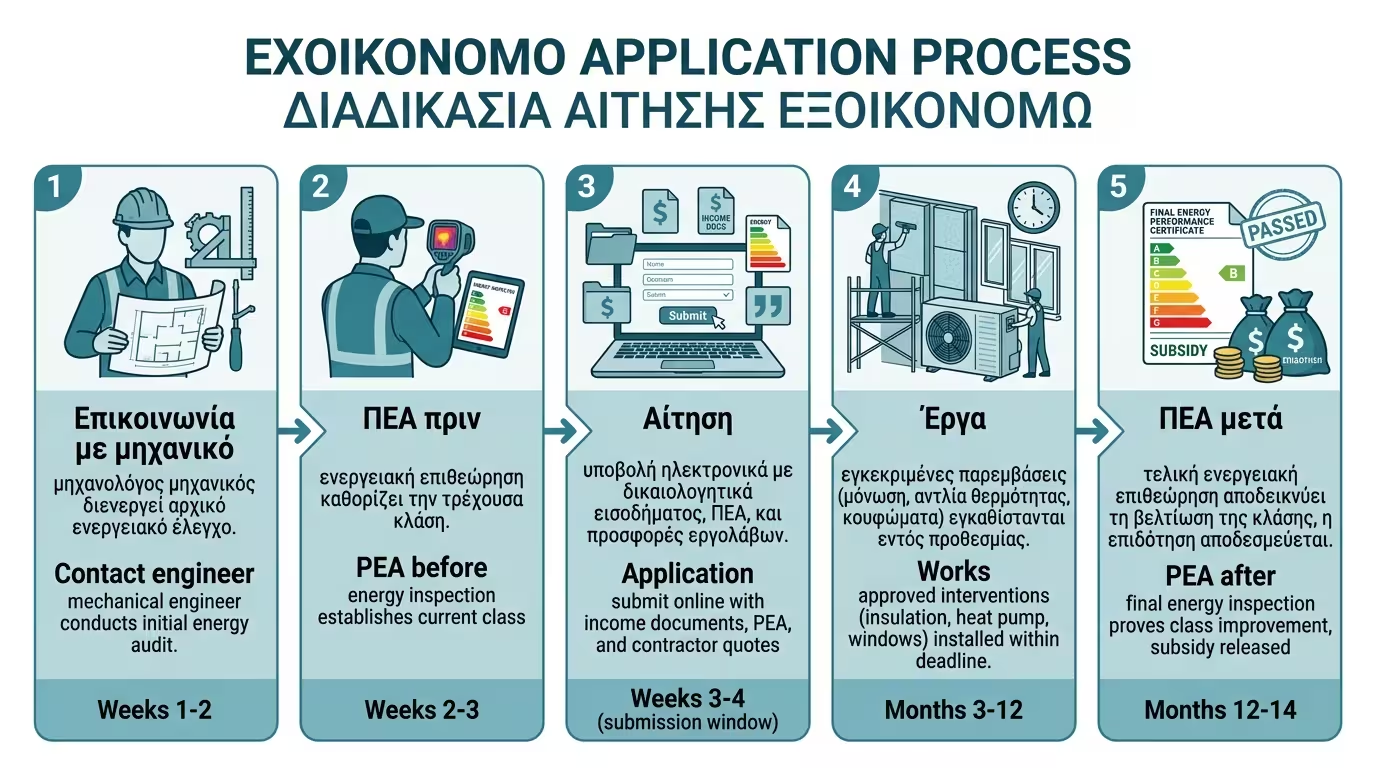
First find a specialised engineer who will correctly design the interventions - heat pump, insulation, windows - to hit the energy target without risks.
Get quotes from reliable suppliers who know the Guide's minimum requirements. Don't choose the cheapest - if equipment doesn't meet specs, you lose the entire subsidy.
Start immediately upon approval of your application. Don't waste months on decisions. Every day of delay brings you closer to missing the deadline.
If you're unsure which interventions hit the energy target, contact us. Proper planning before submission ensures maximum subsidy and zero surprises.
💡 "Exoikonomo" & "Anakainizo" give you up to 75% back - as long as you plan correctly and avoid the traps!
Return to category.
Go to categoryReturn to the central guide.
Go to guide