Insulation & HVAC: Why You Should NEVER Install a Heat Pump in an Uninsulated Home

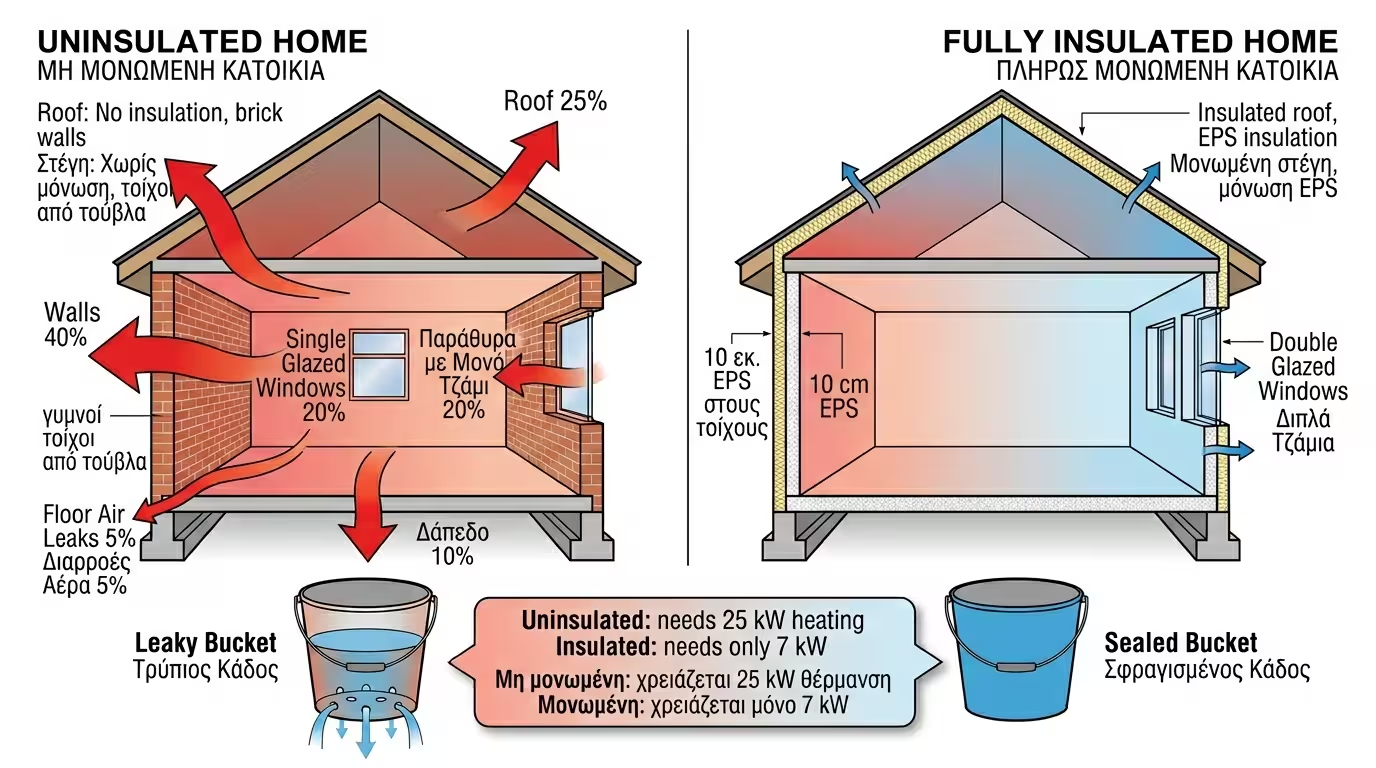
Imagine you have a bucket full of holes and you're trying to keep it filled with water. There are two ways: buy a colossal, expensive hose - or patch the holes first and then fill it slowly. That is exactly the relationship between a building's envelope and its heating and cooling systems.

We open Category A (Envelope & Passive Buildings) by tackling the number-one, tragic mistake homeowners make during energy renovations.

1. The "Magic Solution" Syndrome

Many owners of older homes (built in the '70s, '80s or '90s), fed up with oil prices, decide: "I'll rip out the oil boiler and install a state-of-the-art heat pump!". They keep the uninsulated walls with single-leaf brickwork, leave the old sliding aluminium frames that leak air, and connect a brand-new €8,000 heat pump to their old radiators.

Bucket with holes - analogy for an uninsulated house losing heat

💰 Big investment, zero results

The heat pump costs €6,000 – €10,000, but it has to heat a "sieve" that loses energy everywhere: uninsulated walls, single glazing, a roof with no insulation. The money is "thrown away" before it even reaches the thermostat.
📉 Frustration and bad reputation

The owner watches the electricity bill skyrocket and concludes: "Heat pumps are a scam!". In reality, the machine isn't to blame - the fault lies in the fact that nobody insulated the envelope first.

🏚️ The typical hidden problems

Uninsulated roof (30% losses), single glazing with aluminium frames lacking thermal breaks, external walls with single brickwork, gaps around doors and windows. Each one devours warm air and inflates the bill.

⚠️ The outcome

The brand-new heat pump is not at fault. The building envelope lets heat escape before it can warm the rooms. The "magic solution" was simply an expensive illusion.

2. Why the Heat Pump "Suffers" Without Insulation

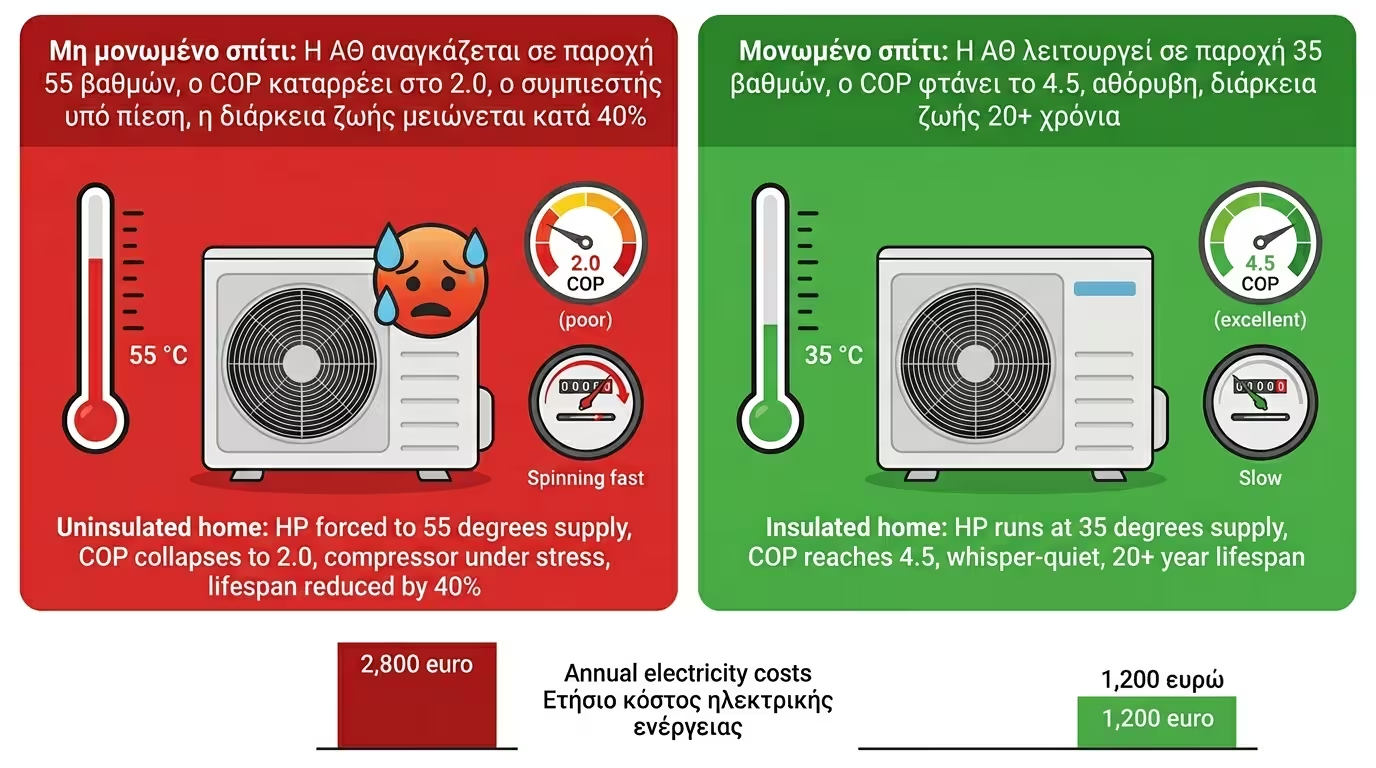
Heat pump in uninsulated home - COP collapse and compressor stress

Old oil boilers were "brute-force" machines. They burned fuel and sent scorching water at 75°C – 80°C to the radiators. That extreme heat managed to overpower the cold pouring through uninsulated walls. A heat pump, on the other hand, is a "delicate" machine - designed to deliver maximum efficiency (COP 4.0 – 5.0) when producing lukewarm water at 35°C – 45°C.

🌡️ Lukewarm water, freezing walls

The lukewarm 45°C water flowing through old radiators is nowhere near enough to compensate for the heat escaping through bare walls. The homeowner feels cold, complains, and asks the installer to "turn up the temperature."

⚙️ Forced to 65°C – 70°C

The installer pushes the heat pump to its limit, producing water at 65°C – 70°C. The compressor strains enormously, refrigerant pressure soars, and components wear out at record speed.

📉 COP → 1.5 – 2.0

At these temperatures, the famous Coefficient of Performance (COP) plummets to 1.5 – 2.0. The heat pump now consumes electricity like a giant electric fan heater - with zero savings compared to the old oil boiler.

💥 Premature wear and astronomical bills

The monthly electricity bill shoots up to €400 – €600. Simultaneously, the compressor wears out prematurely (failing in 5 years instead of 15), turning a "green" investment into a financial disaster.

3. The Golden Rule: Fabric First

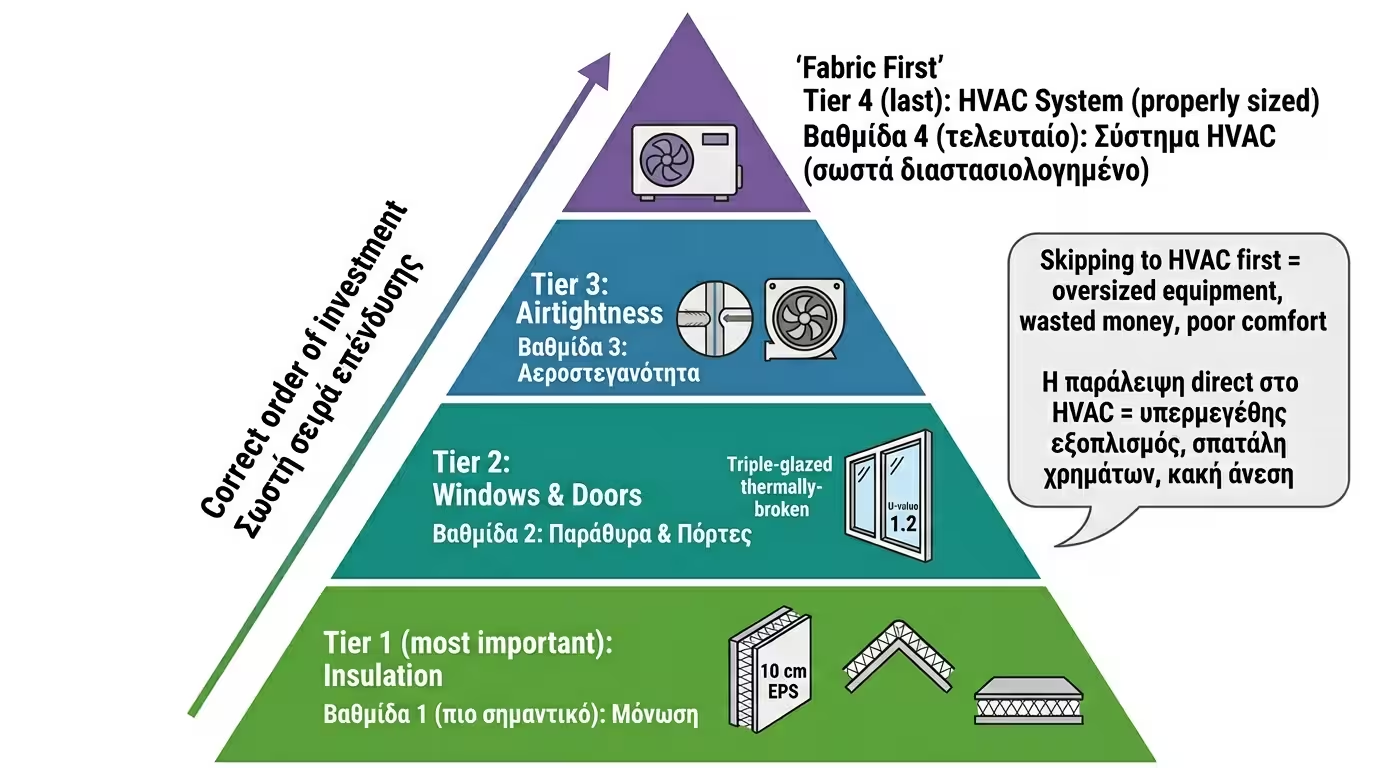
Modern mechanical engineering and architecture follow an inviolable rule known internationally as "Fabric First". Before you spend a single euro on new heating or cooling equipment, the order of investments must be strictly defined.

Fabric First - investment order: insulation, windows, external cladding, HVAC

1️⃣ Roof / Flat-Roof Insulation

Warm air is light and rises. Up to 30% of your heat is lost through an uninsulated roof or flat roof. This is the first, cheapest and most cost-effective intervention. The materials (e.g. extruded polystyrene, mineral wool) are relatively inexpensive yet reduce losses dramatically.

2️⃣ Window Replacement

Replace old single-glazed aluminium frames (without thermal breaks) with modern, energy-rated double or triple glazing. They stop air drafts, cut noise, and increase solar gains in winter.

3️⃣ External Wall Insulation (ETICS)

"Wrapping" the house externally with insulation material (EPS, graphite polystyrene, mineral wool), sealing thermal bridges. External insulation eliminates the concrete spots that transfer cold inside the house (columns, beams, balconies).

4️⃣ LAST - The HVAC System

Once the house has become a sealed, warm "thermos flask", then and ONLY then do you call the mechanical engineer. At this point, the required kW will have been dramatically reduced - and with them, the size and price of the equipment.

4. The "Miracle" of Proper Design

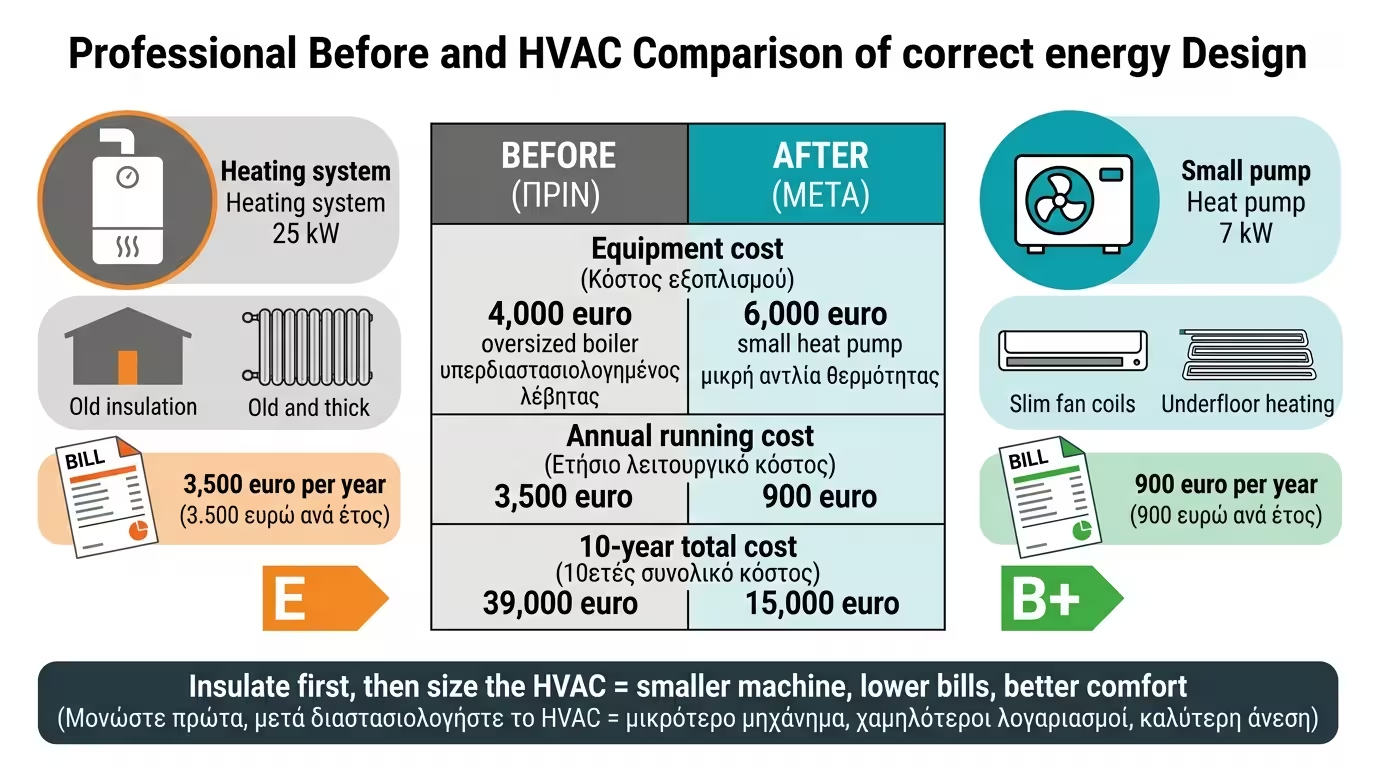
If you follow the Fabric First rule, something magical happens: your house, because it no longer leaks energy, no longer needs that enormous 25 kW boiler you once had. Its requirements will have dropped to under 7 kW!

Proper design - small 7kW heat pump, electricity savings

📦 Smaller machine, half the price

A 7 kW heat pump costs significantly less than a 25 kW unit. Installation is simpler, the electrical feed is smaller, and spare parts are cheaper. The insulation "pays the difference" from day one.

🤫 Silent, gentle operation

The small heat pump cruises at idle, sending lukewarm 35°C water to underfloor heating or fan coils. The compressor is never stressed, COP stays at 4.0 – 5.0, and the electricity bill drops to a minimum.

🔋 20+ year lifespan

Without extreme temperatures and without short-cycling, components wear minimally. The compressor, heat exchanger and electronics last 20 years or more, reducing long-term costs even further.

🏡 Total thermal comfort

The insulated house retains heat uniformly in every room. There are no cold spots, no air drafts. Temperature remains constant 24/7 without abrupt fluctuations - the definition of "real" comfort.

🏠 The Fabric First rule isn't just an engineering recommendation - it's the only strategy that guarantees every euro you invest in your heating/cooling system will actually pay off. Insulate first, then buy the machine!

Related Articles

Preview