DHW Recirculation: How to Get Piping Hot Water at Your Tap in 1 Second

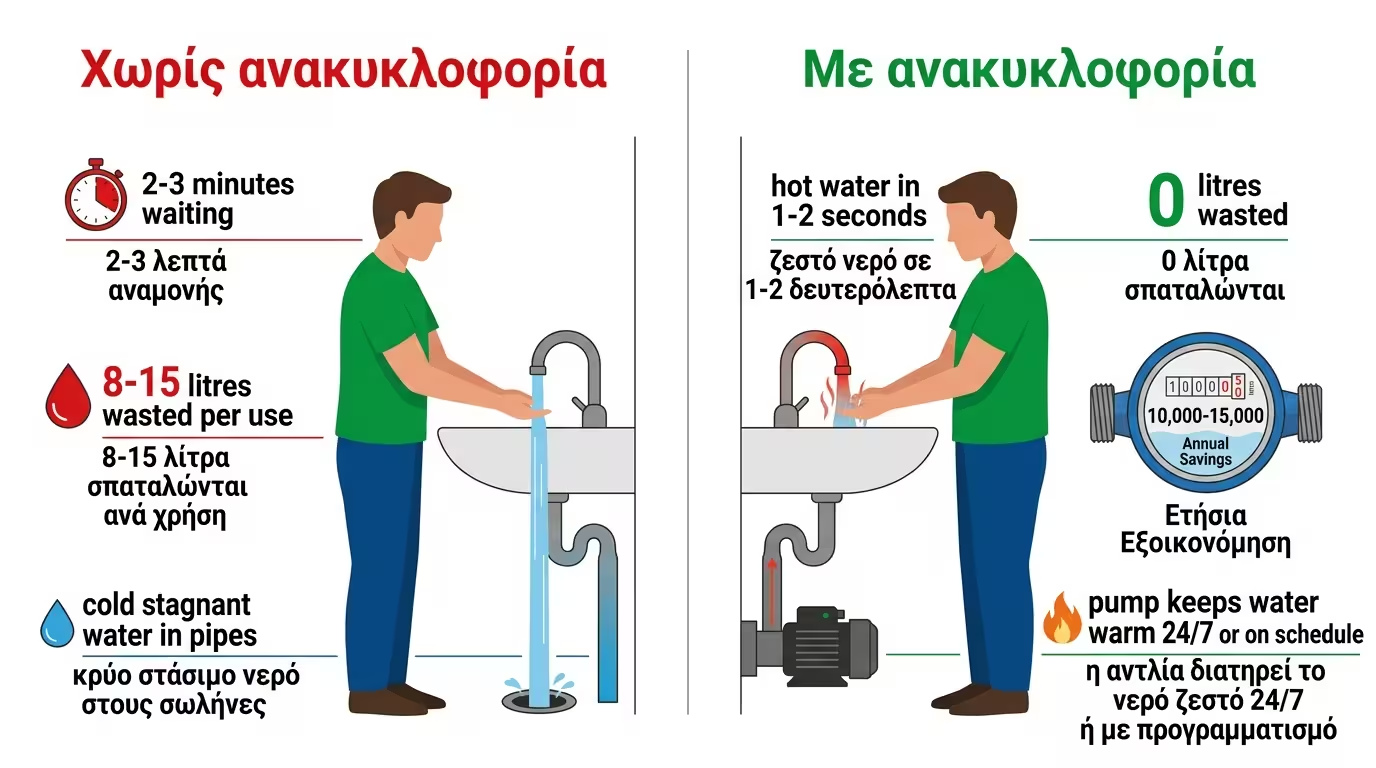
Let's talk about one of the most familiar - and infuriating - winter rituals. You step into the bathroom, turn the tap to "hot" and… wait. You wait naked in the cold, watching 10, 15 or even 20 litres of perfectly clean, drinkable water flow pointlessly down the drain, until the hot water finally arrives from the boiler or solar heater at the other end of the house. This daily waste of water and time is not inevitable. In modern, properly designed plumbing systems, hot water is waiting right behind your tap, ready to flow scalding from the very first second. The secret lies in the Domestic Hot Water (DHW) Recirculation system.

1. How Does It Work? - The Role of the 3rd Pipe

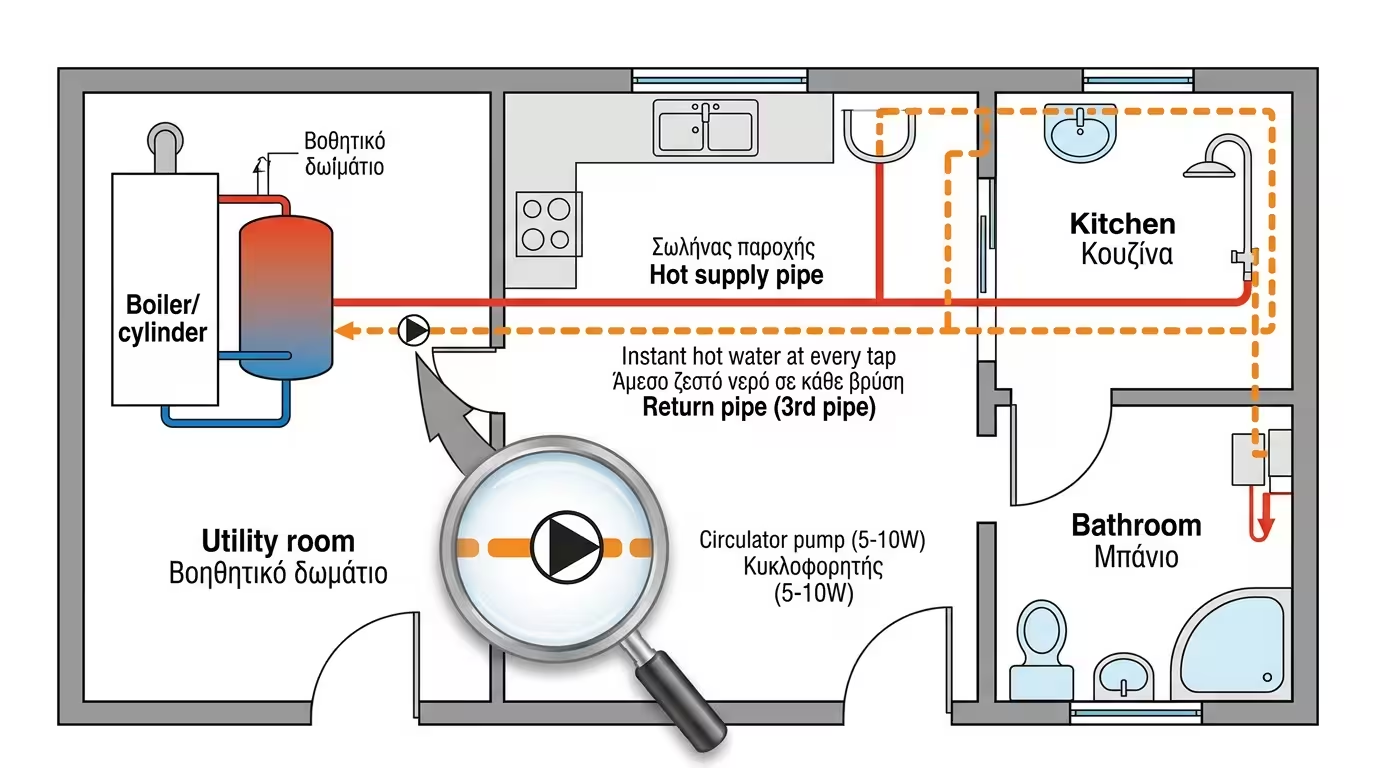
In a typical older home, the water circuit is "blind". The hot pipe starts at the boiler and ends at your tap. When you close the tap, the hot water left inside the pipe gets trapped, gradually cools and turns cold. When you reopen, you must drain all that cold water until fresh hot water arrives. The recirculation system changes this logic by creating a closed loop. In addition to the cold and hot pipes, the plumber runs a third pipe - the return line. It starts at the most distant tap and returns to the boiler. On this pipe, next to the boiler, sits a small, silent circulator pump. This pump pushes the cooling water back to the boiler for reheating, while simultaneously bringing hot water close to the taps.

Recirculation - third pipe, loop, circulator pump

💧 Water Savings

The average Greek family wastes 5,000-10,000 litres per year just waiting for hot water to arrive at the tap. With recirculation these litres are saved entirely, which is particularly important in areas prone to water shortages or drought.

✅ Instant Comfort

You step into the shower, turn the tap and piping hot water flows immediately. No waiting, no waste - especially valuable in large houses where the boiler sits 15-20 metres from the bathroom.

2. The Big Energy Trap: Don't Let the Pump Run 24/7!

This is where the most common and costly mistake occurs. Many installers plug the circulator into a socket and leave it running non-stop, 24 hours a day. Why is this catastrophic? First, massive heat loss: your pipes turn into radiators! Hot water circulates endlessly through the walls, losing its heat. The boiler cools rapidly and the burner (or immersion heater) fires constantly to replace the lost heat. Second, pipe corrosion: continuous, uninterrupted hot water flow (especially with hard water) corrodes copper pipes far faster - a phenomenon known as erosion corrosion.

Waste 24/7 - pump, radiator pipes, boiler cooling

3. The 3 "Smart" Control Methods

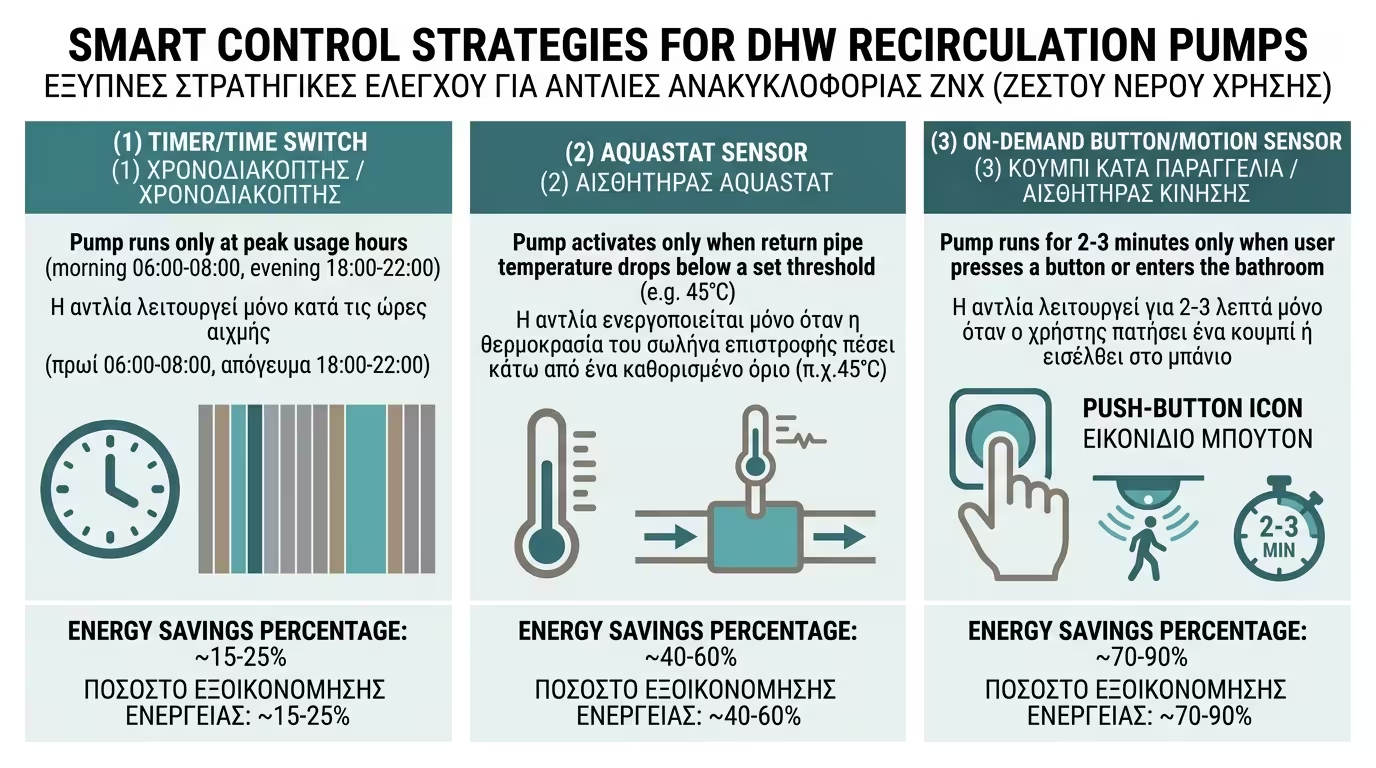
To enjoy the comfort of recirculation without paying a fortune in electricity and fuel, the circulator must be controlled intelligently. There are three proven solutions.

Timer, aquastat, on-demand - smart pump control

⏰ Timer

The simple solution: put the pump on a plug-in timer. Programme it to run only during the hours your family typically uses the bathrooms (e.g. 07:00-08:30 in the morning and 20:00-22:00 in the evening). The rest of the time (and during sleep) the system "sleeps".

🌡️ Pipe-Strap Thermostat (Aquastat)

A small sensor "hugs" the return pipe. If it senses the water is already hot (e.g. 45°C), it shuts the pump off. Once it drops to 35°C, it turns the pump back on for a few minutes. This way, the pump runs only when actually needed.

🔘 On-Demand (Smart Home)

The most modern and ecological solution. A waterproof button (or motion sensor) inside the bathroom. You walk in, press the button, the pump runs for exactly 1 minute (bringing hot water to the tap) then switches off automatically. 100% comfort, 0% waste.

4. What If I Don't Have a 3rd Pipe? - Solutions for Older Homes

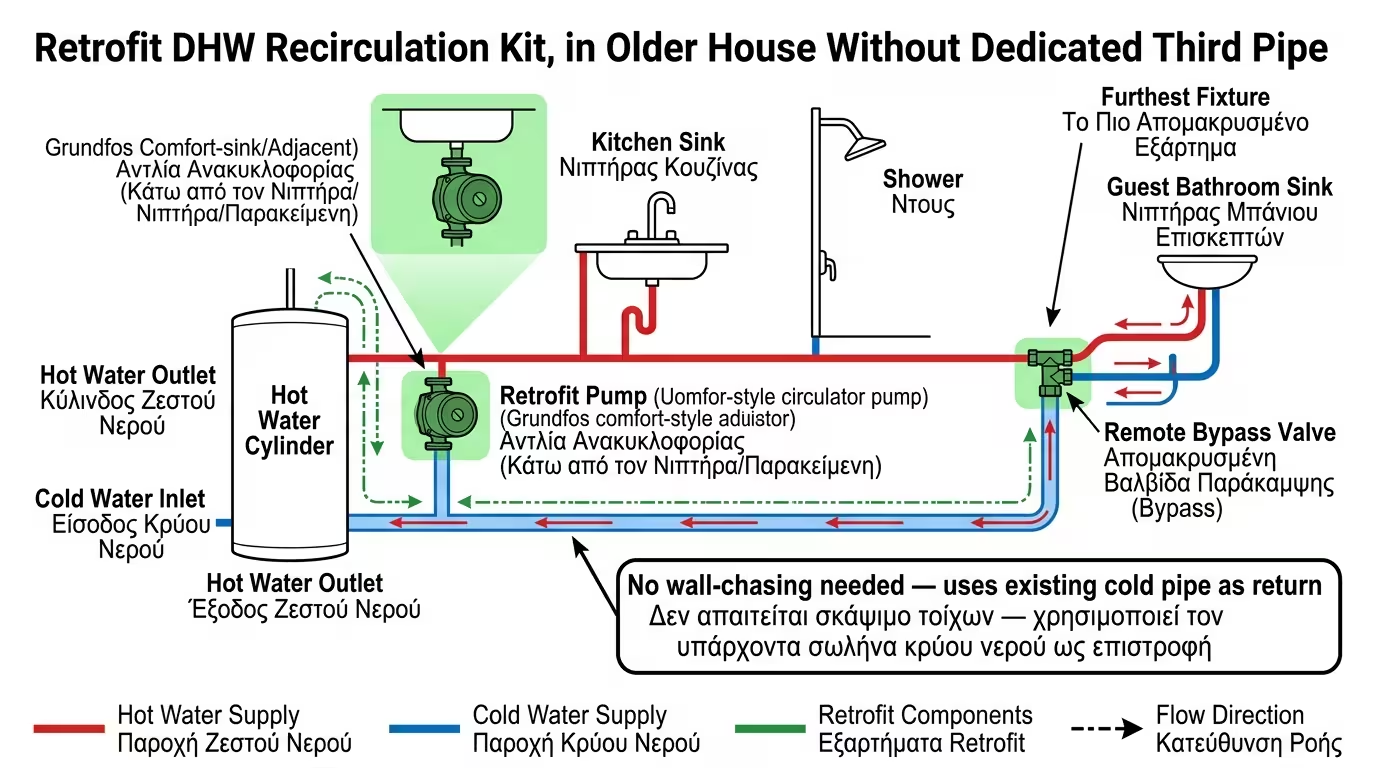
Grundfos Comfort - bypass valve, older home retrofit

If your home is already built and you don't plan to open walls for a third return line, don't despair. Technology has provided for this with Retrofit systems. Companies like Grundfos manufacture dedicated "kits" (such as the Comfort system). You install a dedicated pump at the boiler and a small bypass valve under the washbasin of the most distant bathroom. This valve temporarily connects the hot pipe to the cold pipe! The pump "pushes" the cold water sitting in the hot pipe into the cold pipe, until the hot water arrives. A brilliant, ingenious solution that works perfectly without any wall-chasing. DHW recirculation is now considered essential in every new build or major renovation - you save thousands of litres of clean water every year.

Related Articles

Preview