☀️ Summer: Magical Synergy
When the heat is unbearable and the air conditioner works at full blast, the Greek sun is at its zenith, producing maximum electricity. You cool your home literally for free.
You've done your research, read our previous articles and understood that the heat pump is the most efficient heating and cooling system. But there's an "elephant in the room": The heat pump runs on electricity. And with energy prices fluctuating constantly, the anxiety over the monthly bill remains.
What if you produced the electricity yourself? Combining a heat pump with rooftop photovoltaics is the ultimate definition of energy independence.
The logic is disarmingly simple: Photovoltaic panels (PV) convert free solar energy into electricity. The heat pump takes that free electricity and multiplies it (thanks to its high COP), giving you enormous amounts of free heat!
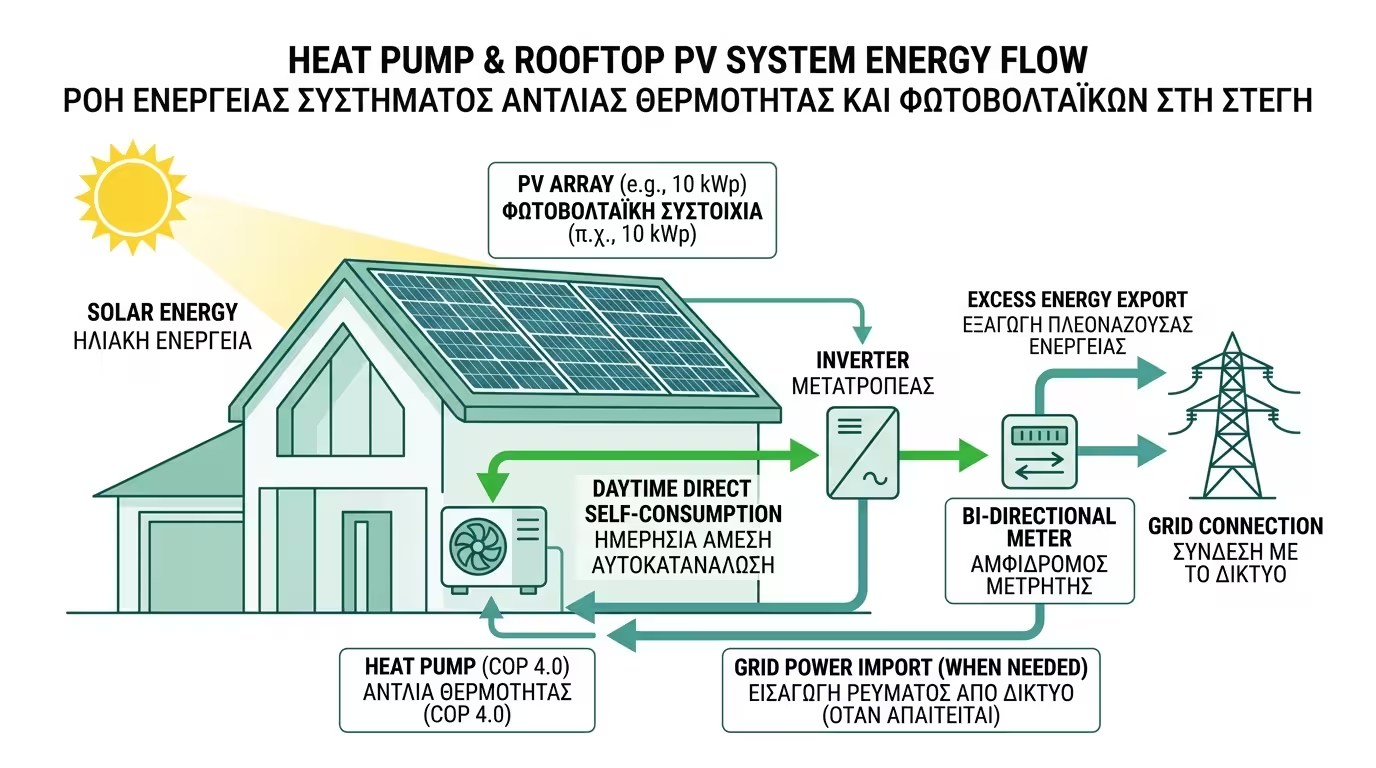
When the heat is unbearable and the air conditioner works at full blast, the Greek sun is at its zenith, producing maximum electricity. You cool your home literally for free.
In winter, things require a bit more strategy, since the greatest need for heating is at night when the panels don't produce. This is where the grid and smart heat storage come into play.
If you'd heard that "the grid acts like a giant battery", that was true under the old Net Metering (Energy Offsetting) scheme. You exported surplus electricity in summer and got it back in winter, paying only for regulated charges. Greece has now moved to Net Billing (Simultaneous Offsetting & Sale).
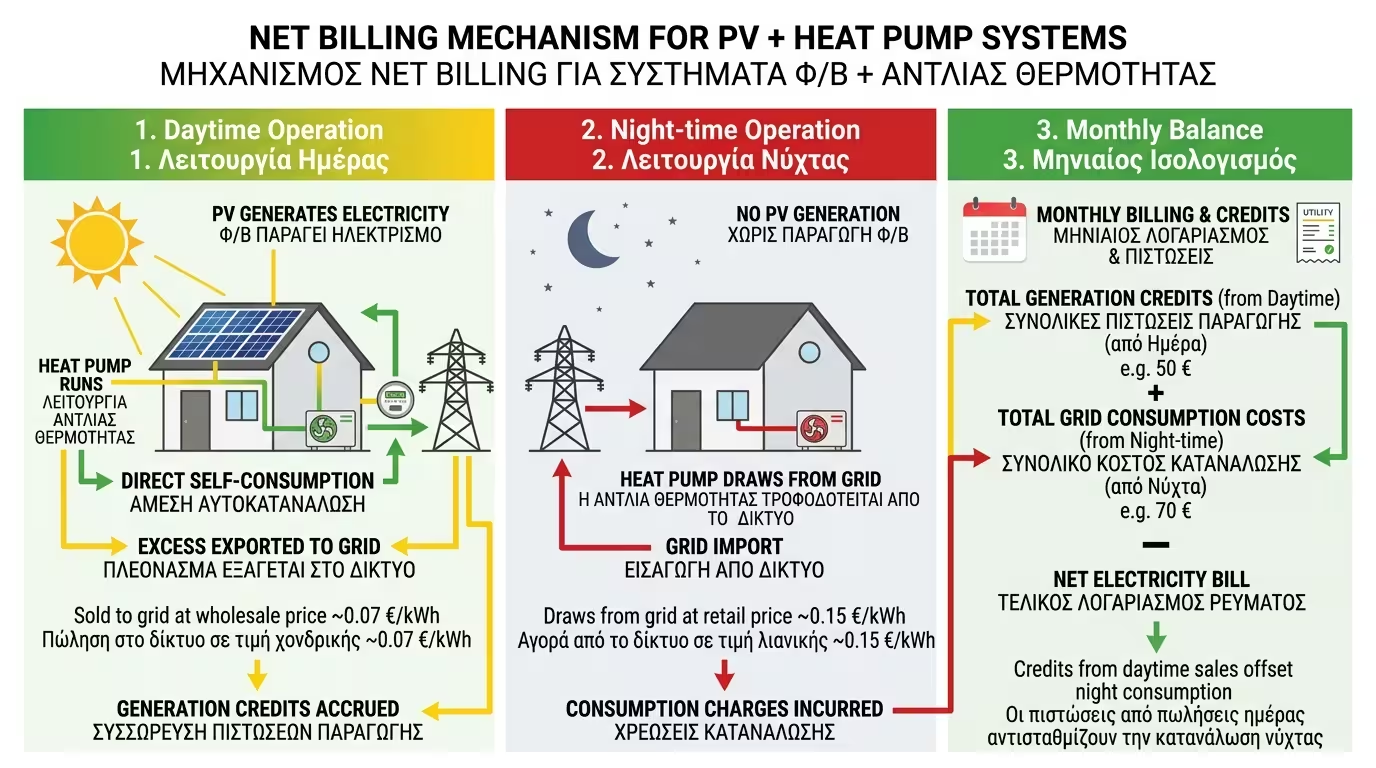
Whatever electricity your panels produce at the moment the heat pump is running, you consume directly, completely free of charge. This is maximum savings and the goal should always be to maximise it.
Electricity you produce at midday but don't consume is sold to the grid at wholesale price. The sale price is determined by the energy exchange price at that moment, which is significantly lower than the retail rate you pay.
At night when you need heating, you buy electricity from your supplier at retail price. Since the selling price is lower than the buying price, the secret to maximum savings is smart synchronisation - consuming electricity when the panels are producing.
How do you force the heat pump to "absorb" all the free solar electricity at midday, so you don't buy expensive electricity at night?
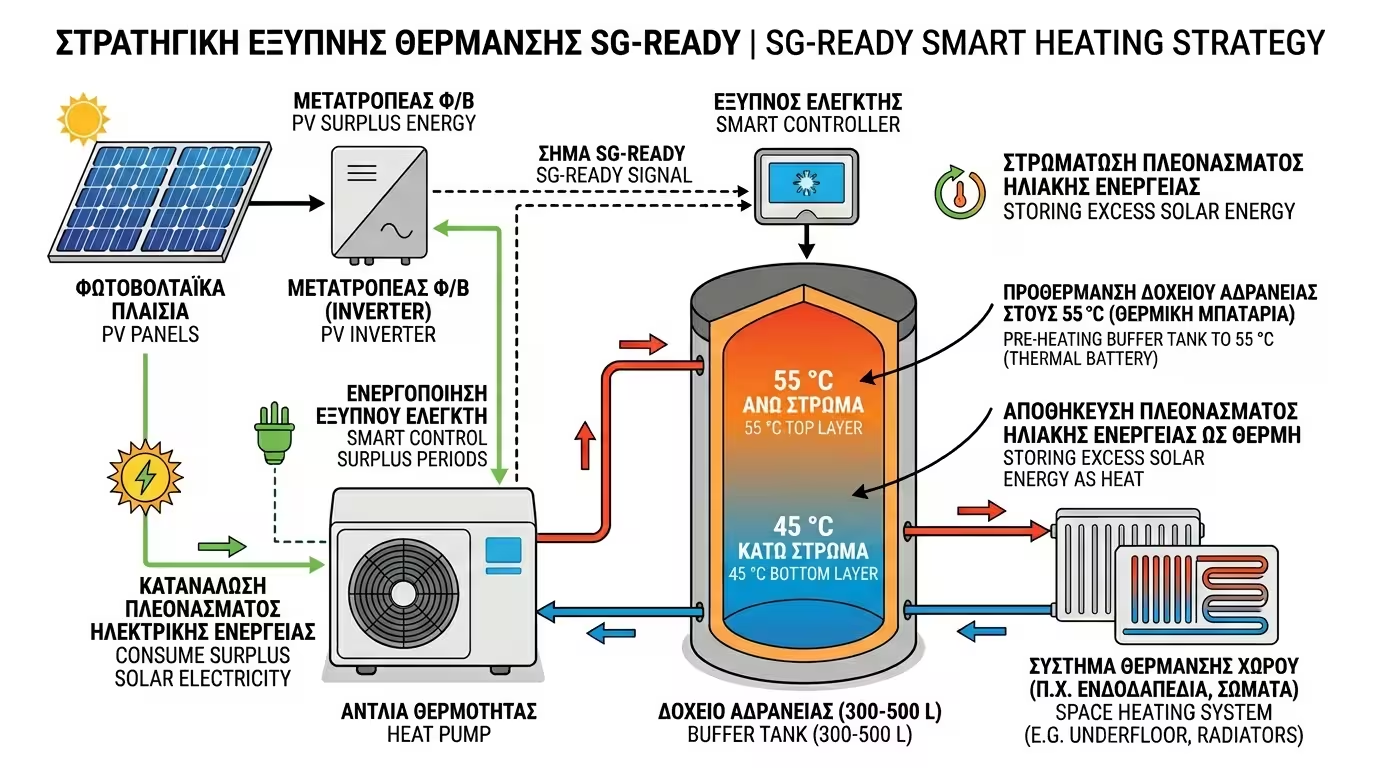
Modern heat pumps communicate with the PV inverter. When the inverter detects abundant sunshine, it tells the pump: "We have free electricity - run at full power!". The pump heats the water to maximum, storing heat for the evening hours without any additional cost.
Instead of buying expensive lithium batteries, store energy as hot water. The pump runs for free at midday, heats the buffer tank to 55°C, and at night the house draws from that stored heat while the pump stays off! A 200-300 litre buffer tank can cover the heating needs of an average house for 4-6 hours.
Set the DHW cylinder to heat strictly between 12:00 and 15:00. This way, you enjoy a hot shower in the evening using energy collected for free at midday. This simple scheduling can reduce evening electricity purchases by 30%.
A realistic, average scenario for a 120 m² detached house with good insulation in Greece:
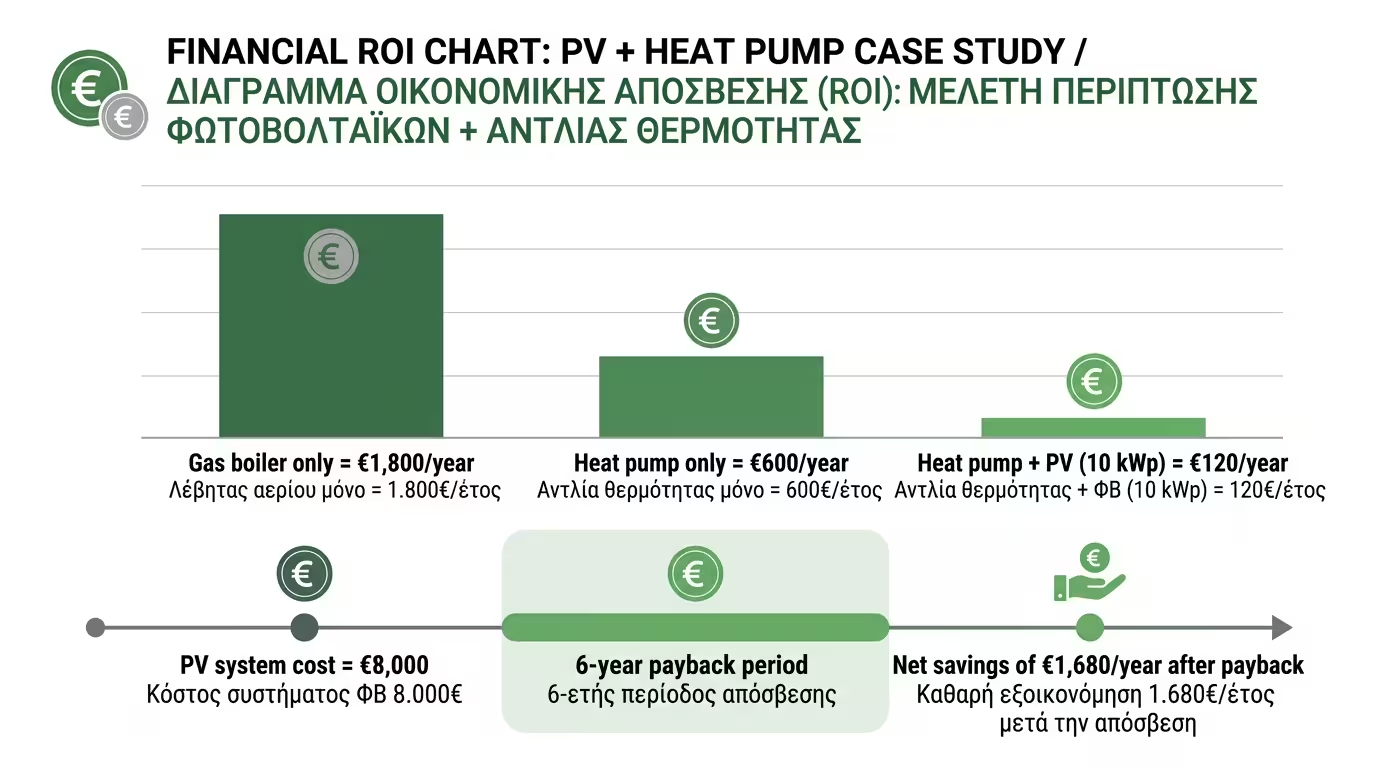
Annual needs: ~8,000 kWh (appliances + pump). PV system: 5-6 kWp → 8,000-9,000 kWh/year. Purchase cost: €13,000-16,000 (PV + pump, excluding subsidies).
If you were paying €1,800-2,200/year for electricity and oil, with proper synchronisation your costs drop to €200-300 (standing charges only). The payback is 4-6 years. From year 7 onwards, you heat and cool practically for free for the next 20 years.
The combination of a heat pump and photovoltaics is the definitive answer to the energy crisis and adds enormous value to your property. With this article we conclude Pillar 1: Heat Energy Production & DHW.
We've seen how to produce heat. What if you live in a city and can't install a heat pump? In the next section we analyse Condensing Boilers - the technology that "squeezes" every drop of gas or oil for maximum efficiency.
Return to category.
Go to categoryReturn to the central guide.
Go to guide