DHW Heat Pumps (Heat Pump Water Heaters): The New Trend Replacing the Electric Water Heater

You live in a 1st-floor flat in Athens or Thessaloniki. You desperately want to cut your electricity bill (hot water often accounts for 20% of annual consumption), but you have no roof access for a solar water heater. Until recently, your only option was the old, power-hungry electric water heater in the attic. Today, the solution comes from inside your own home: the DHW Heat Pump (Heat Pump Water Heater).

1. How Does a DHW Heat Pump Work? - The Fridge... in Reverse

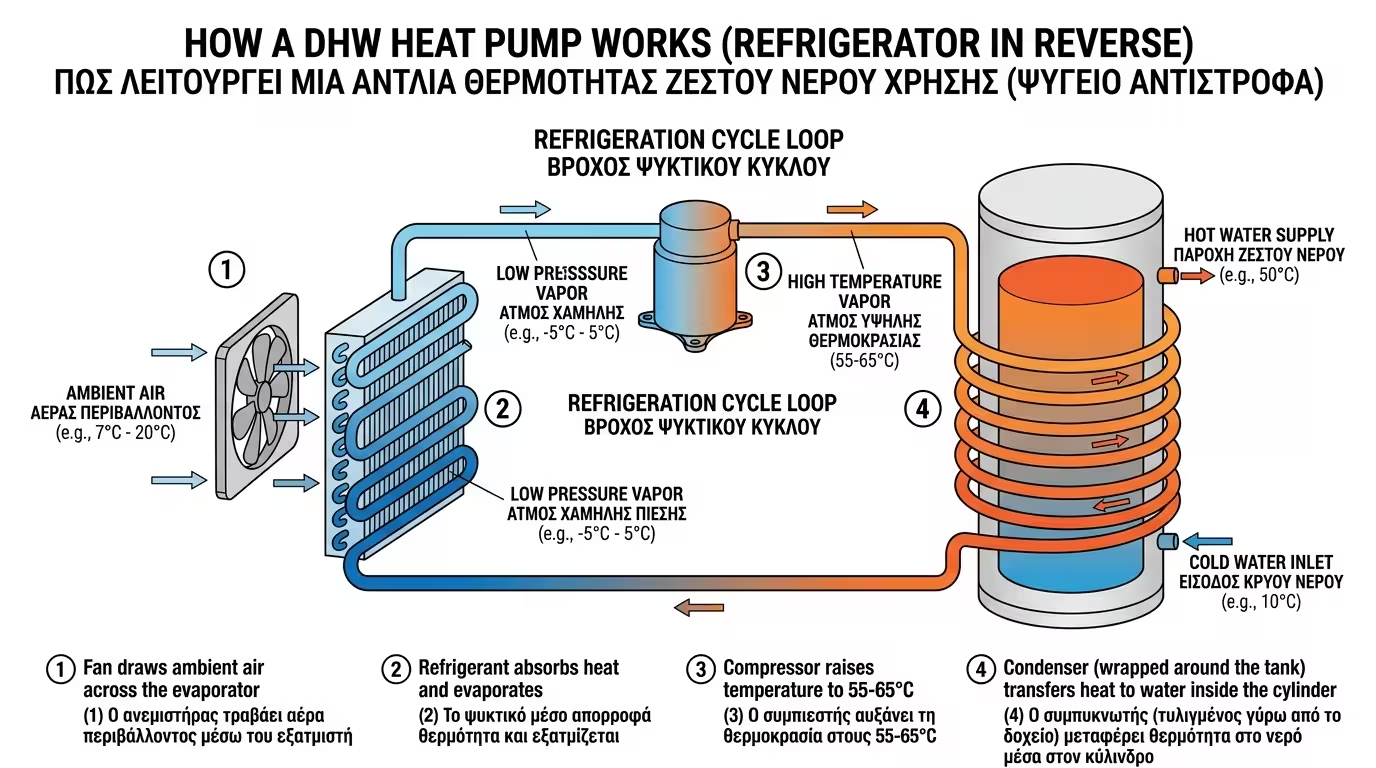
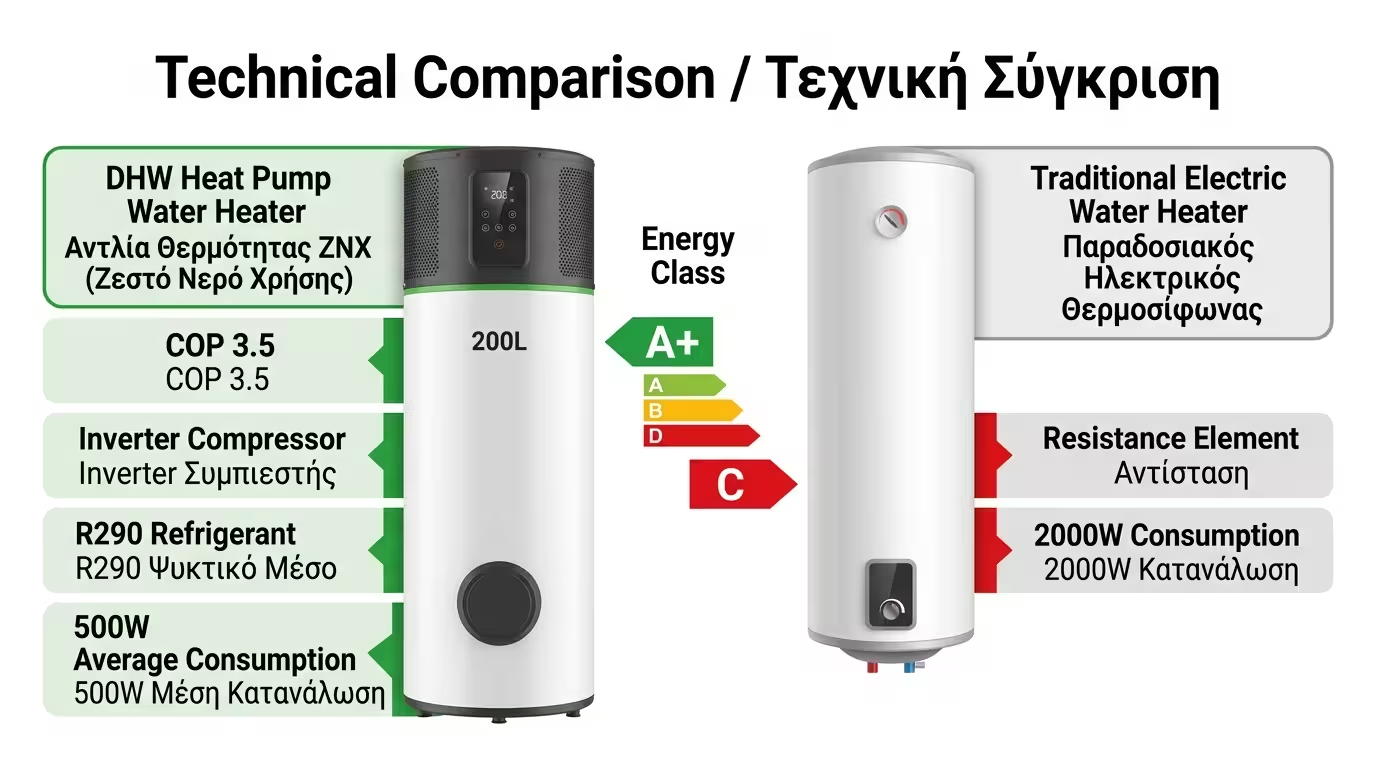
Visually, it looks like a tall, elegant water heater. The magic hides at the top: instead of using a massive electric element, it uses a mini Inverter compressor. It works exactly like your fridge, but in reverse: a fan draws in room air, the refrigerant "steals" the heat, the compressor raises the temperature dramatically, and this heat is transferred to the water, heating it to 55-60°C. Instead of burning 4 kW of electricity (COP 1.0), the unit uses just 1 kW and gets the remaining 3 kW free from the air (COP 3.0-4.0).

DHW heat pump - compressor, air, fridge in reverse

🔄 The Cycle in 5 Steps

1) The fan draws in room air (even at 10°C). 2) The eco-friendly refrigerant "steals" the air's heat. 3) The mini Inverter compressor compresses the gas, dramatically raising its temperature. 4) The hot temperature is transferred to the tank water via a heat exchanger. 5) The cold, dry air is expelled back into the room.
📊 COP: The Key Metric

The Coefficient of Performance (COP) measures how many kW of heat you get per kW of electricity. A classic water heater has a COP of 1.0 - it burns 1 kW and produces 1 kW. A DHW heat pump has a COP of 3.0 to 4.0 - it burns 1 kW but delivers 3 to 4 kW of heat, harnessing free energy from the air.

2. The 3 Major Advantages

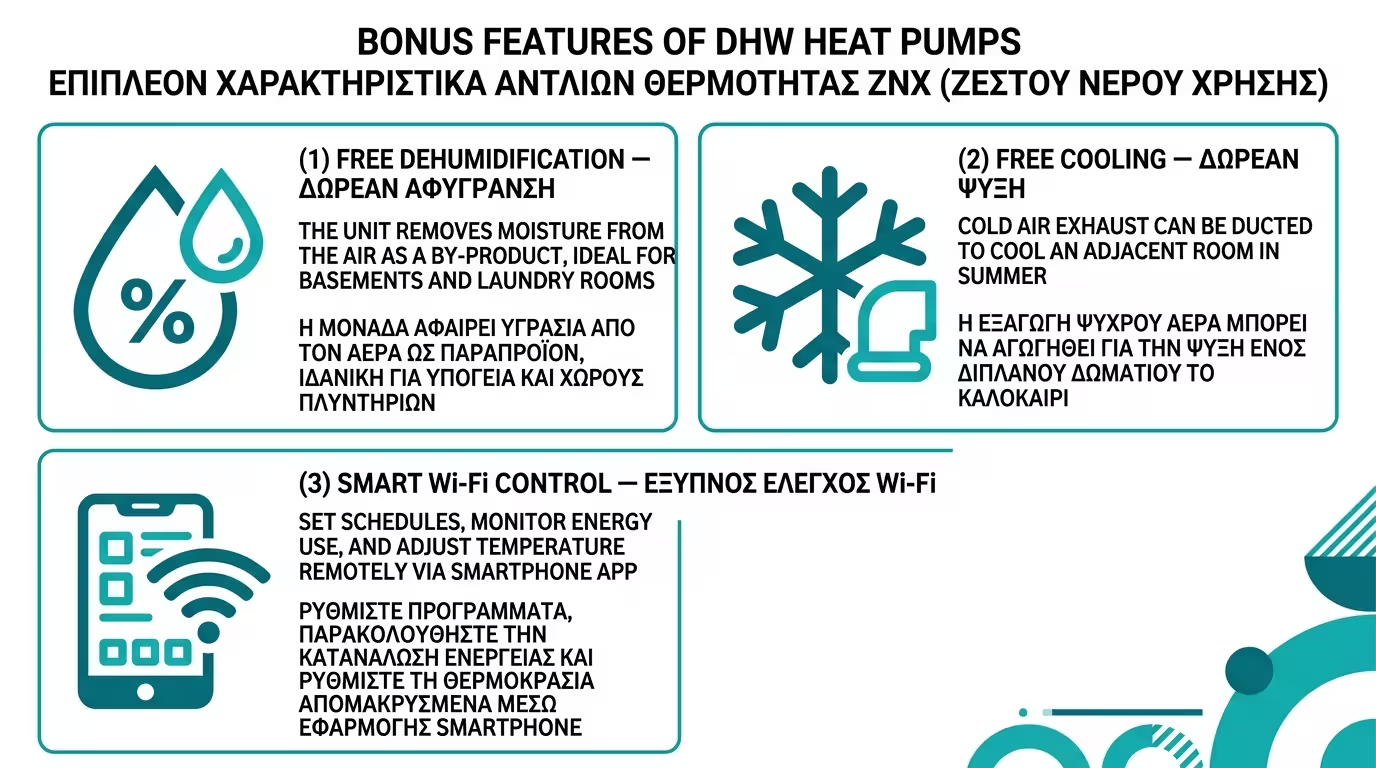
Beyond the massive electricity savings (up to 75%), the DHW heat pump hides two bonuses. First, it simultaneously acts as a powerful, free dehumidifier: install it in a windowless bathroom or utility room and it will eliminate moisture, mould, and dry your laundry in record time. Second, new models feature Wi-Fi, digital displays and timers - programme it to run exclusively on off-peak electricity or when your solar panels are producing power.

Dehumidification, cooling, smart Wi-Fi control

💨 Dehumidification & Cooling

Because it draws in air, extracts its heat and expels cold, dry air, the heat pump simultaneously functions as a high-capacity dehumidifier. In bathrooms it eliminates mould, while in summer it provides a pleasant, light cooling effect - free of charge, without air conditioning.

🌙 Off-Peak Tariff

Thanks to the built-in timer, you can set the unit to operate exclusively between 23:00 and 07:00, taking advantage of cheap off-peak electricity. Alternatively, if you have solar panels, the heat pump runs during your peak production hours - reducing the cost of hot water to virtually zero.

3. Disadvantages and Installation Requirements

Before buying, know three key limitations. The unit needs abundant air to "breathe". If you lock it in a dark 1×1 metre attic with no ventilation, it will suck all the heat out of the space in 10 minutes, turn the room into a freezer, and stop working efficiently.

DHW heat pump - Inverter boiler introduction

📏 Space Requirements

The DHW heat pump needs an installation space with a volume of at least 20-30 cubic metres - a large bathroom, a utility room or a laundry room. Alternatively, you can install dedicated air ducts that draw outside air from the balcony and expel the cold air back. This solution frees up indoor floor space entirely.

🔊 Noise & Speed

The unit features a fan and Inverter compressor. Its noise level (around 50 dB) is comparable to a modern fridge - don't install it next to the bedroom, but in the bathroom or basement instead. Additionally, because it runs on a mini Inverter at 500-800 Watts (instead of 4,000 Watts), it takes 2-3 hours rather than the 40 minutes of a classic water heater. That's why tanks are larger (100-200 litres) so you always have stored hot water ready.

💡 The Electric Element as Backup

Every DHW heat pump features a built-in electric immersion heater (typically 1.5-2 kW) that activates automatically in extreme conditions (e.g. room temperature below 5°C or excessive demand). Although it temporarily increases consumption, it ensures you never run out of hot water, even on the coldest winter days.

4. ROI Analysis: When Do You Break Even?

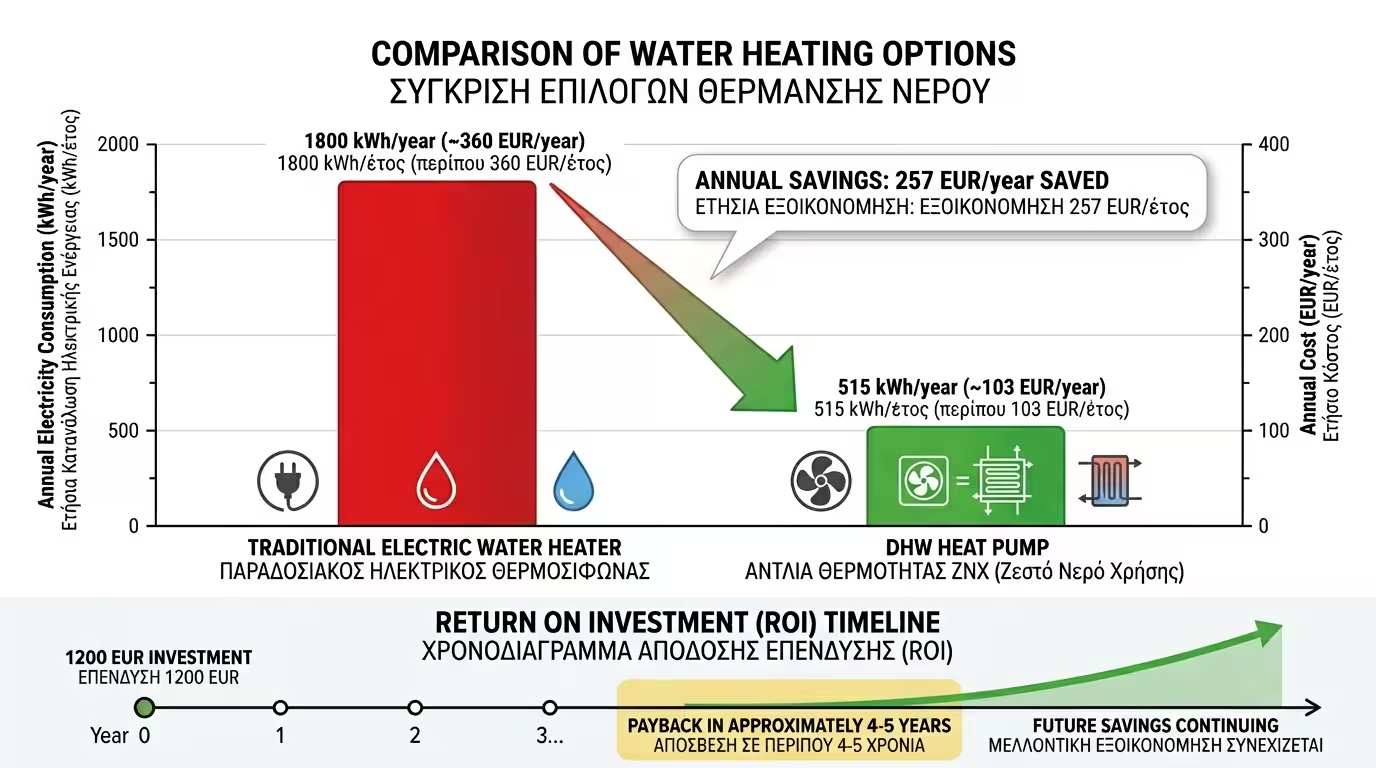
ROI analysis - consumption 1800 vs 515 kWh, payback

Let's do the renovation maths for a family of four. The old electric water heater consumes around 1,800 kWh per year. At an electricity price of €0.16/kWh, the annual cost for hot water is approximately €288. The new DHW heat pump (COP 3.5) will consume just 515 kWh for exactly the same amount of water. The annual cost drops to €82. Net gain: you save over €200 every year. Purchasing and installing a quality 100-150 litre DHW heat pump costs €900 to €1,200. The payback period is 4.5 to 5.5 years. With a service life exceeding 10-15 years, the remaining years are pure profit.

Related Articles

Preview