Solid Fuel Boiler Room Requirements: Stainless Steel Chimneys, Ventilation & Fire Safety

Biomass heating (wood, pellets, briquettes) offers tremendous savings and comfort. However, unlike a heat pump that sits on the balcony or a gas boiler that hangs on the wall, a solid fuel boiler hosts a real, large fire inside it. The room that houses it must comply with strict mechanical engineering and fire safety regulations. Three points allow no compromise: the chimney, the room's oxygen supply, and fuel storage.

1. The Chimney: The Boiler's "Lungs"

For a gas boiler the chimney is a simple plastic pipe. For solid fuels, the chimney is the most expensive and important component after the boiler itself. It determines the draught (the "pull" of air that keeps the fire alive) and the safety of your entire house.

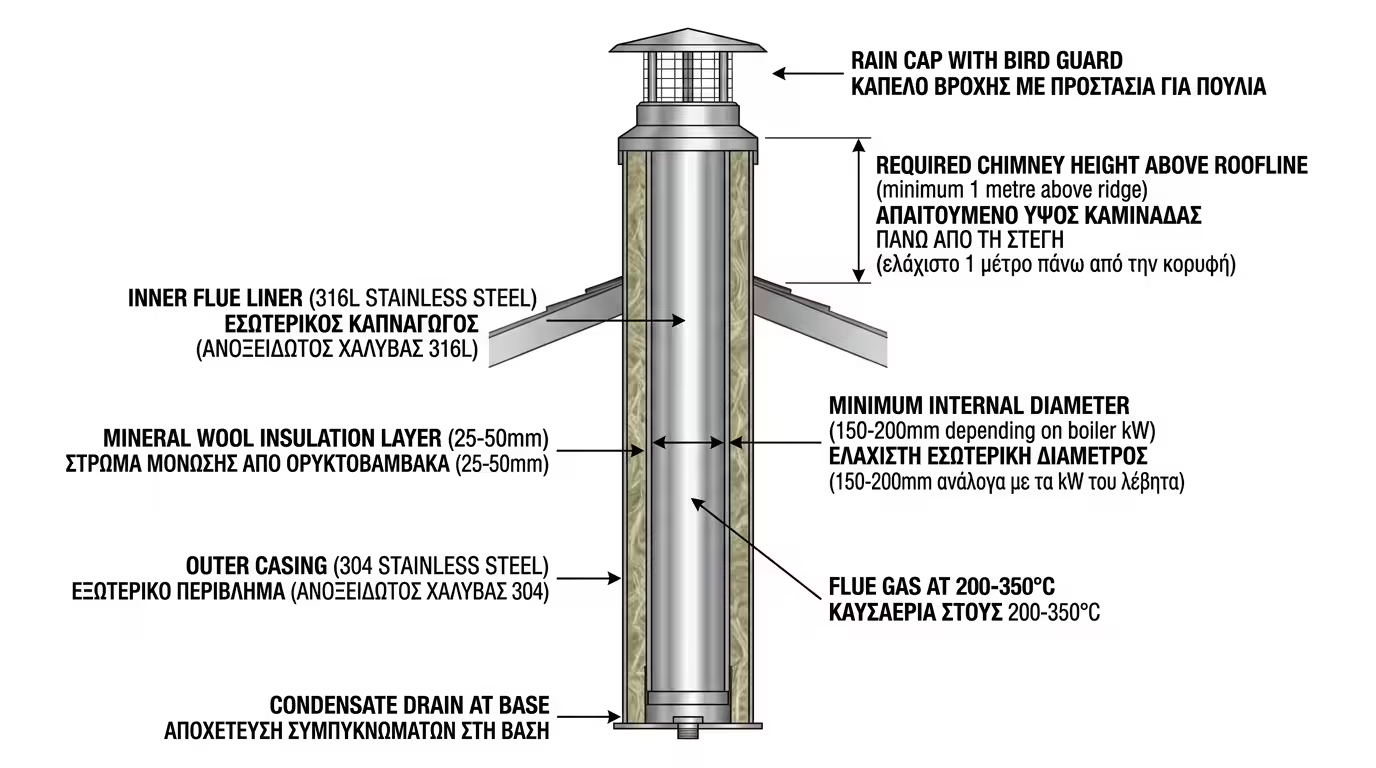
Insulated double-wall stainless steel chimney

🚫 Why Galvanised Pipe Is Forbidden

If you install a single, uninsulated galvanised pipe on the exterior, the flue gases (200°C) will cool abruptly upon contact with cold winter air. This creates condensation and tar (creosote). Creosote is extremely flammable and is responsible for 90% of chimney fires - the well-known phenomenon where the chimney "catches fire" and shoots flames like a rocket, putting your entire home at risk.
✅ Insulated Stainless Steel Chimney (Double-Wall)

An insulated stainless steel (Inox) chimney with double walls is mandatory. Between the inner and outer tube sits thick rock wool insulation (25-50 mm). The flue gases stay hot all the way to the rooftop, draught is perfect and no creosote ever forms. A T-piece fitting with a removable cap is installed at the base for cleaning and collecting condensate.

2. Room Ventilation: Fire Needs Oxygen

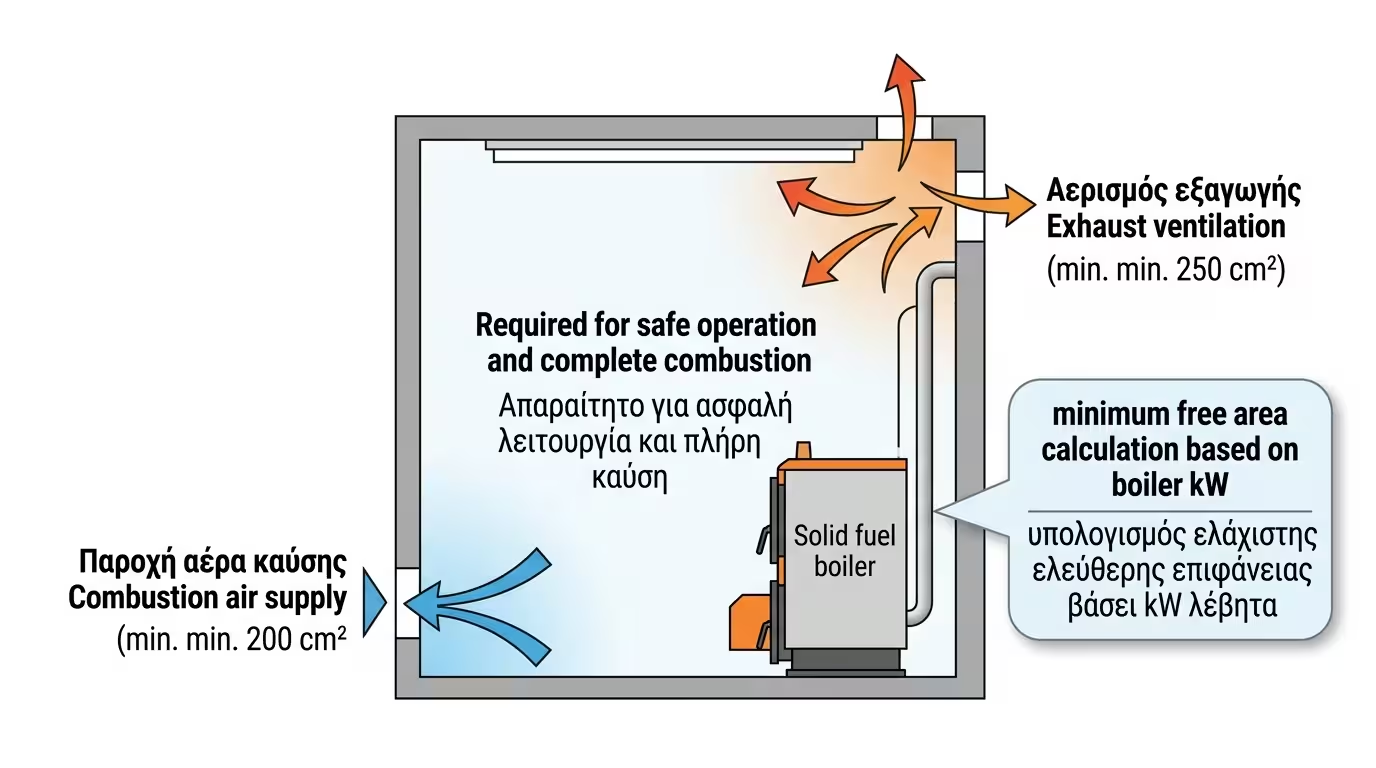
A common problem in basement boiler rooms is "choking": the fire smoulders, smokes, the glass blackens. The owner blames the wood or the machine, but the real issue is different: the fire is suffocating. If you seal doors and windows, the boiler consumes all available oxygen. Combustion becomes incomplete and produces Carbon Monoxide (CO) - an odourless and lethally toxic gas.

Boiler room ventilation - louvres, oxygen, boiler

🌬️ The 2-Louvre Rule

Every solid fuel boiler room MUST have direct communication with the outside air via two permanent openings (louvres) that never close. One louvre placed low (near the floor) for fresh air intake (oxygen). One louvre placed high (near the ceiling) for heat and smoke exhaust. The minimum cross-section of each opening is determined by the engineer's study based on the boiler's output rating.

⚠️ Signs of a Suffocating Boiler

If you notice black soot on the fireplace or boiler glass, difficulty lighting, low water temperature despite a full load of wood, or a yellow and weak flame, your boiler room is choking. Don't adjust the boiler - open a window first, or install the permanent ventilation louvres that are missing from the design.

3. Fire Safety Measures: Fuel Storage & Ash

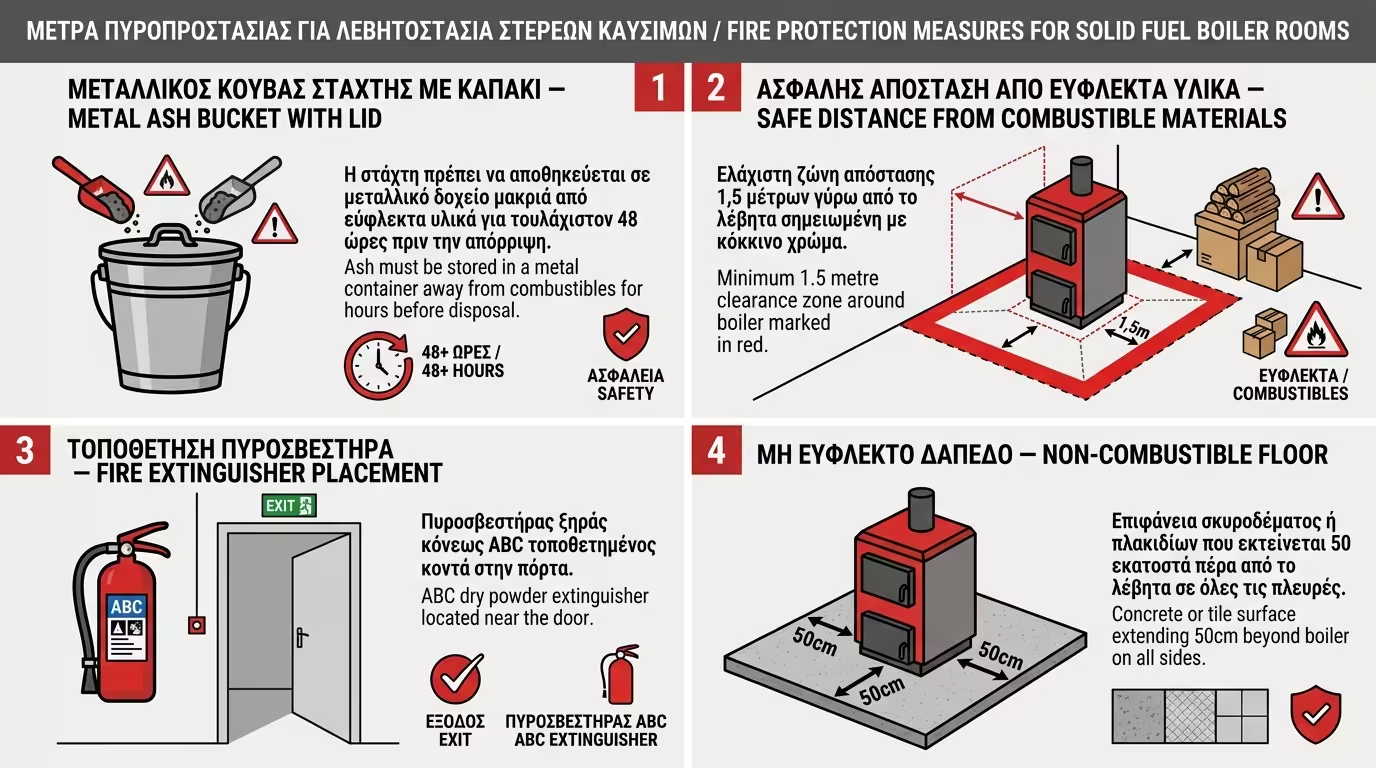
Fire safety - ash, metal bucket, safety distances

Having fuel in the same room as a fire is an inherent safety challenge. Follow these non-negotiable rules to keep your family safe at all times.

📏 Safety Distances

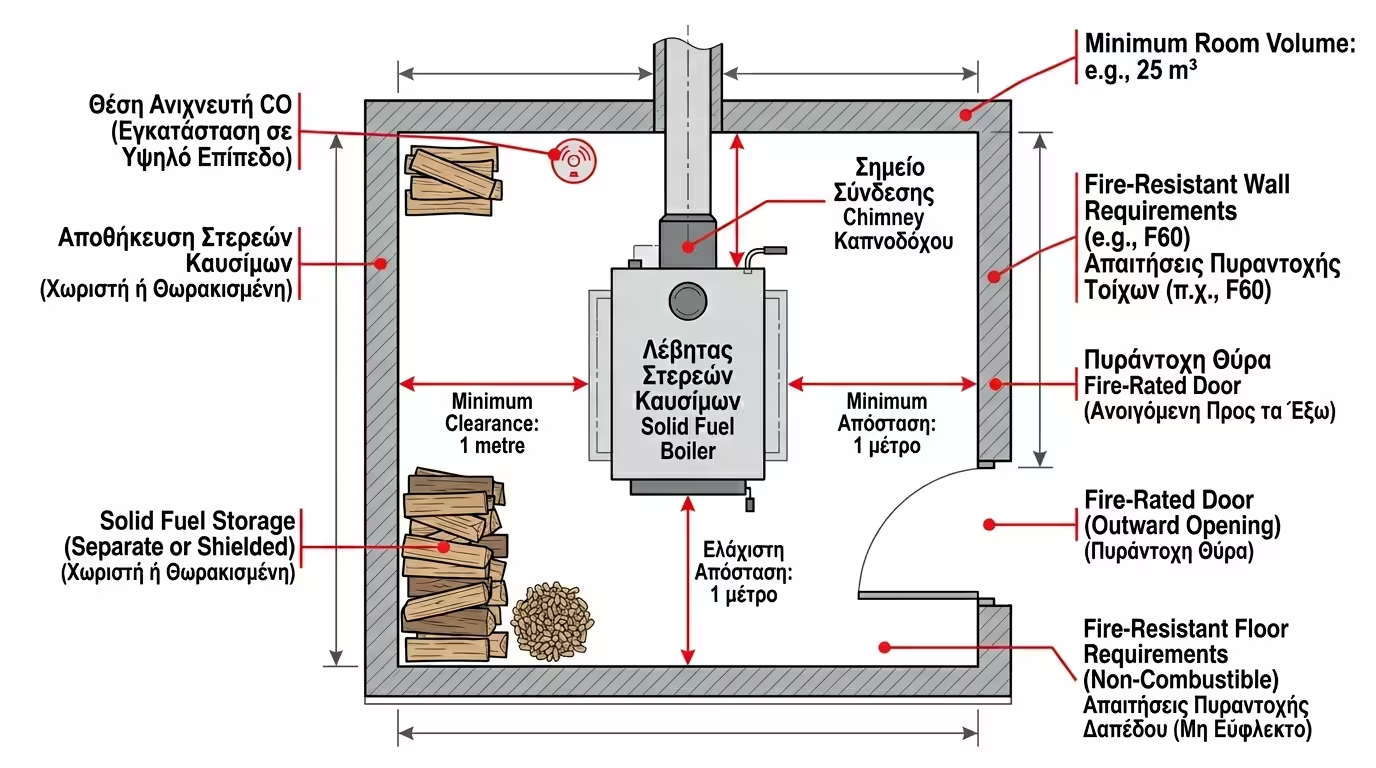
Never stack firewood or pellet bags right up against the boiler! Leave at least 1 metre of clear space around the machine. The boiler (especially the flue pipe connecting to the chimney) radiates enormous heat and can ignite dry wood. The boiler room door must be a fire-rated metal door, so that in the event of an accident the fire doesn't spread into the house.

🪣 The Hidden Danger of Ash

The most common cause of fire isn't the boiler - it's the dustpan! Ash can harbour invisible glowing embers for up to 48 hours after the fire has gone out. Never dispose of ash in plastic bins or plastic bags. Always use a metal bucket with a lid and leave it in a safe outdoor area (on the concrete in your yard).

🧯 Fire Extinguisher & Detector

Install a 6 kg dry powder fire extinguisher outside the boiler room door - not inside, because if a fire breaks out you won't be able to enter to grab it. Mount a smoke detector on the boiler room ceiling so you're alerted immediately in case of ignition, even if you're on the upper floor.

4. Summary & Next Step

Solid fuel heating is wonderful, provided you respect its power. A proper double-wall stainless steel chimney, abundant fresh air through permanent louvres, correct safety distances from fuel, and proper ash management in a metal bucket will ensure your boiler operates at 100% efficiency while keeping your family completely safe.

Solid fuel boiler room introduction

➡️ What Comes Next

We've completed the Biomass category. In the next articles we move to Solar Energy: open vs closed circuit solar water heaters, and the comparison between flat-plate selective collectors and vacuum tube collectors.

Related Articles

Preview