Condensate Management (Acidic Water): Why Your Gas Boiler Destroys Pipework

Have you ever stepped onto your balcony in winter and noticed a small plastic tube hanging from your gas boiler, dripping continuously? If that water falls freely onto the marble, you may have already spotted a stubborn white stain that won't clean off. That water isn't just water - it's acid.

The proper management of these liquids (condensate) is the single most critical yet most neglected aspect of a heating installation. Let's see exactly what this "acidic water" is and the correct way to drain it.

1. Why Does the Boiler Produce Acid? (The Chemistry in Simple Terms)

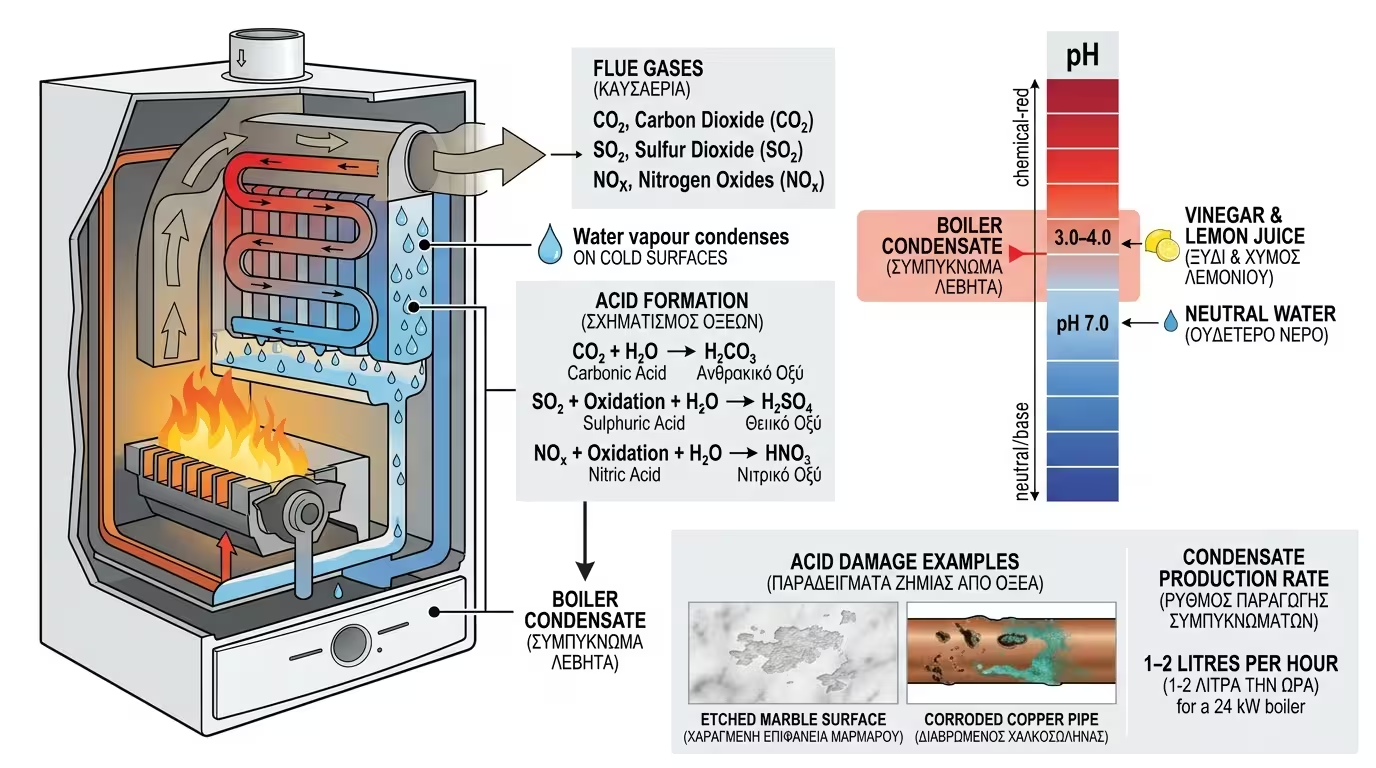
The boiler cools flue gases, turning water vapour into liquid. However, natural gas and oil contain traces of sulphur, nitrogen and carbon. When burned, these combine with the condensed water to create a "cocktail" of nitric, sulphuric and carbonic acid. This is an unavoidable chemical reaction in every condensing boiler.

Condensate: acidic water pH 3.0 - marble destruction

🧪 pH 3.0-4.0

Condensate has a pH between 3.0 and 4.0 - the same acidity as vinegar or lemon juice! A typical 24 kW domestic boiler produces 1 to 2 litres of this acid every hour of operation. The acid eats marble's calcium carbonate, corrodes copper, cast iron and galvanised steel. Over an entire heating season, a boiler can produce hundreds of litres of this acid - enough to completely destroy a copper downpipe.
🚫 What's Prohibited

Free discharge onto the balcony or street (risk of ice in winter), use of metal pipes (copper/galvanised) for boiler drainage, and direct connection to old cast-iron drains without treatment. Only plastic pipework (PVC or polypropylene PP) is permitted. Condensate must be routed, with proper gradient, to a foul-water drain.

2. The Odour Problem: Why You Need a Special Trap

If the installer connects the boiler's drain tube directly to the sewer without a trap, gases and fumes from the drain will travel in reverse. They'll enter the boiler, corrode the electronics (control boards, heat exchangers) and, worst of all, bring unbearable odours to the balcony or even into the house. This is the single biggest trap in a heating installation.

Condensate trap and dry trap for odour prevention

💧 Condensate Trap

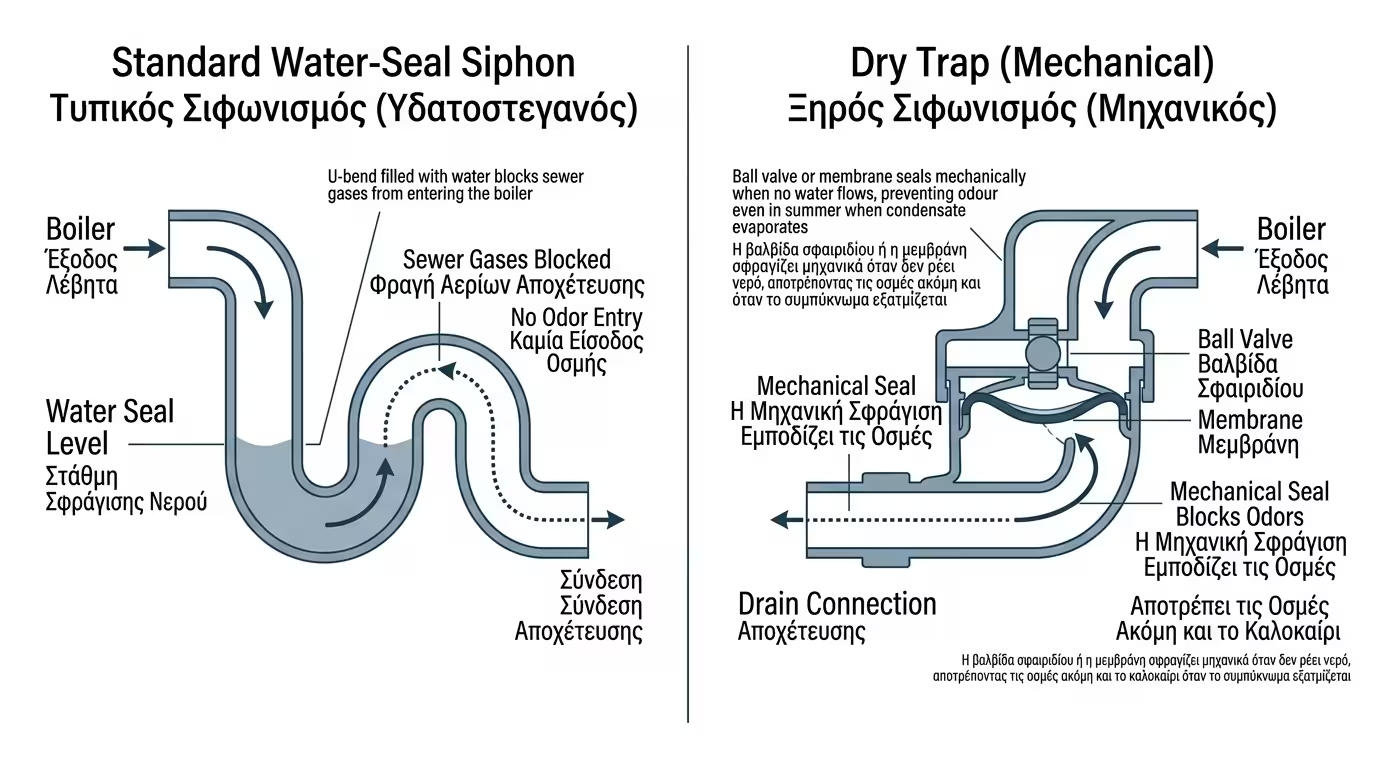
The solution is to install a condensate trap. It works just like a sink trap - holding a small amount of water that blocks odours from rising up. It must always be placed between the boiler outlet and the drain pipe.

🔒 Dry Traps

In summer, when the boiler barely runs, the water inside a standard trap can evaporate. Top technicians use Dry Traps - featuring a ball or membrane that mechanically seals the pipe when no water flows, preventing odours 100%.

3. Condensate Neutralisers: The Pipe-Saver

Neutraliser - calcium carbonate granules

If your building has old metal or cast-iron drains, discharging acid will destroy them within a few years. Even with plastic pipes, sending litres of acid daily to the municipal treatment plant isn't ecologically responsible.

⚗️ How It Works

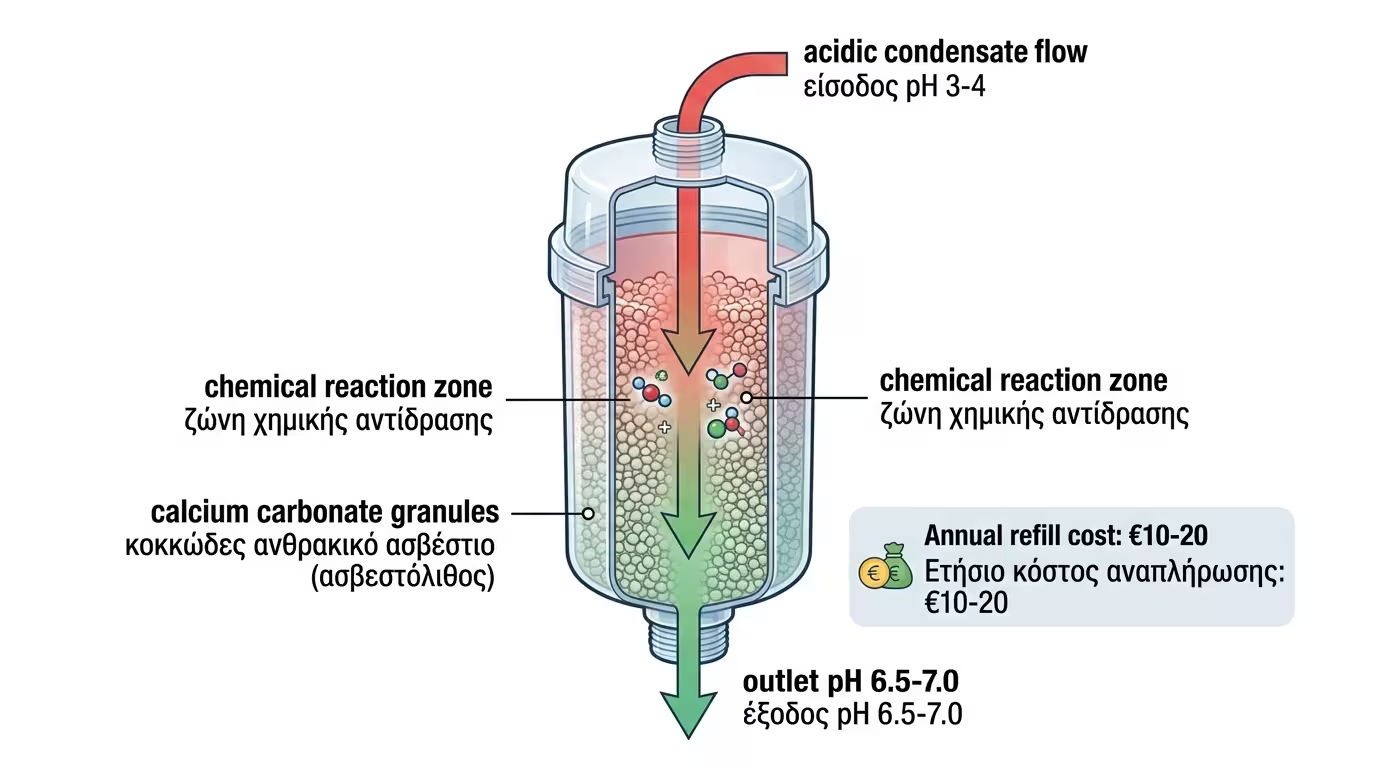
The neutraliser is a small plastic filter filled with calcium carbonate or magnesium oxide granules. It sits at the boiler outlet, before the water reaches the drain. As the acidic water passes through the granules, a chemical reaction "kills" the acidity. The water exits at pH 6.5-7.0, completely neutral and harmless.

🔄 Maintenance

The media inside the neutraliser is gradually consumed and must be topped up during the annual service. A minor cost (€10-20/year) compared to the thousands needed to replace destroyed pipework.

4. Condensate Pumps: When Water Must Go "Uphill"

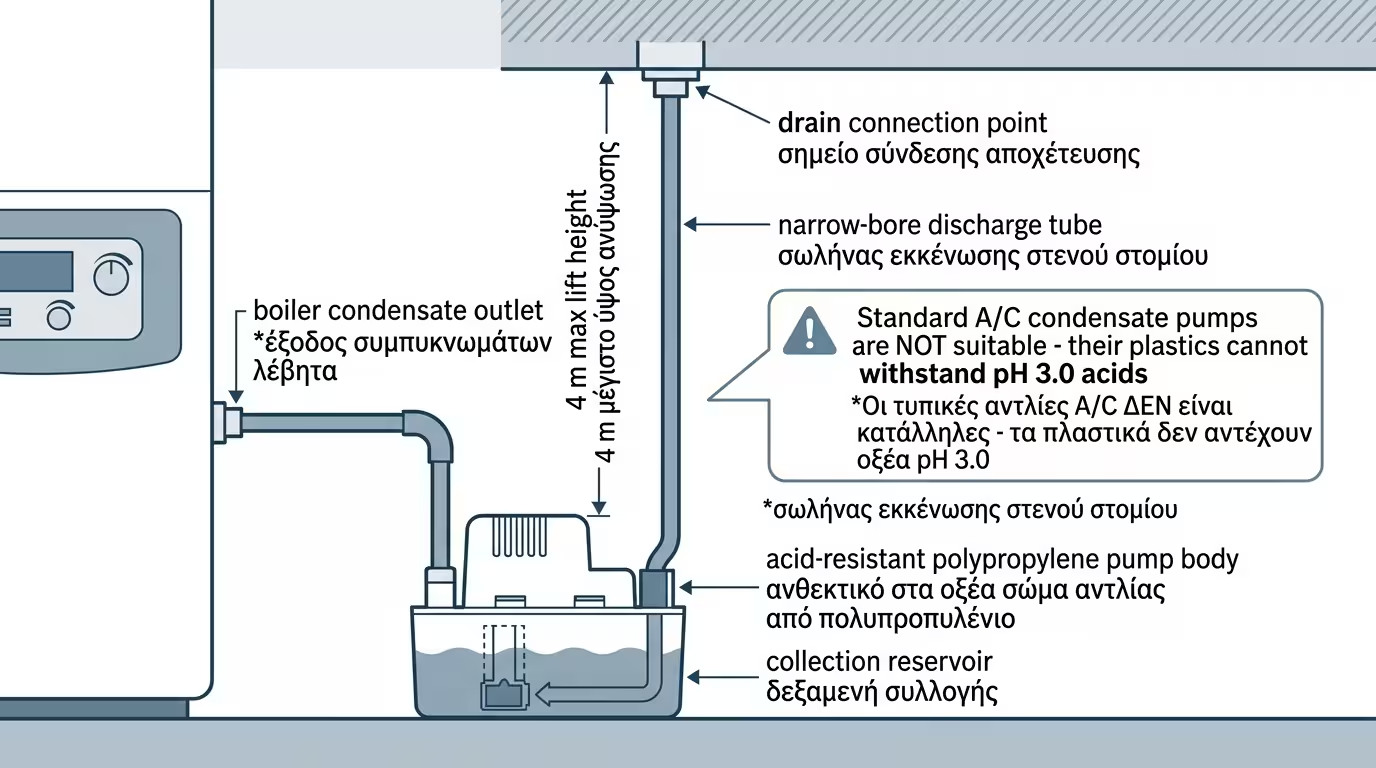
What if the boiler is in a basement boiler room, or the drain on your balcony sits higher than the machine's outlet? Water doesn't flow uphill - unless you use a condensate pump. This is a specialist fitting designed to solve precisely this problem.

Condensate pump - basement, uphill drainage

⬆️ How It Works

A small, silent device collects the water in a reservoir and, once full, "pushes" it under pressure through a thin tube to the nearest drain point (even 4 metres higher). The pump must be specifically designed for condensing boilers, with components that resist acid corrosion.

⚠️ Important

A standard air-conditioning condensate pump won't do - its plastics can't withstand pH 3.0 acids. Use only models made from acid-resistant materials (e.g. polypropylene PP).

5. The Correct Route: What's Allowed and What Isn't

✅ Permitted Drainage

Condensate must be routed, with the correct gradient (at least 1%), to a foul-water floor drain on the balcony or the kitchen sink drain. The connection must always use a special trap (or dry trap) to prevent sewer fumes. The drainage pipe must be exclusively plastic (PVC or polypropylene PP) - never metal.

⚠️ Common Mistakes

Many unskilled technicians leave a tube dripping freely onto marble or connect to the rainwater downpipe. If an installer tells you "we'll just run a tube to drip in the yard", you know to find a different technician - that one doesn't know the proper practice.

6. Summary & Next Step

📖 Key Takeaways

Condensing boiler condensate is acidic (pH 3-4). It requires exclusively plastic drainage, a special odour-prevention trap (or dry trap), a neutraliser to protect metal pipework, and a pump if the boiler sits lower than the drain. Always ask your installer: "How will the condensate be drained?"

➡️ Next Step

In the next article we bust the myths: Electric Boilers & Ion Boilers - when they're genuinely worth it and when they're "black holes" of consumption.

Related Articles

Preview