⛽ Heating Oil
Price: ~€1.20-1.35/litre. Energy content: ~10 kWh/litre. With a condensing boiler (~94% efficiency): ~€0.13-0.145/kWh. An oil boiler requires a storage tank, seasonal bulk purchasing, and dedicated space.
If you live in a Greek city served by a natural gas distribution network, you'll probably face this question sooner or later: Is it worth switching to natural gas, or should I stay with oil? If you're building a brand-new house or carrying out a major renovation, the same fundamental dilemma stands before you. In this guide we make an impartial, analytical comparison using real-world data and current market prices.
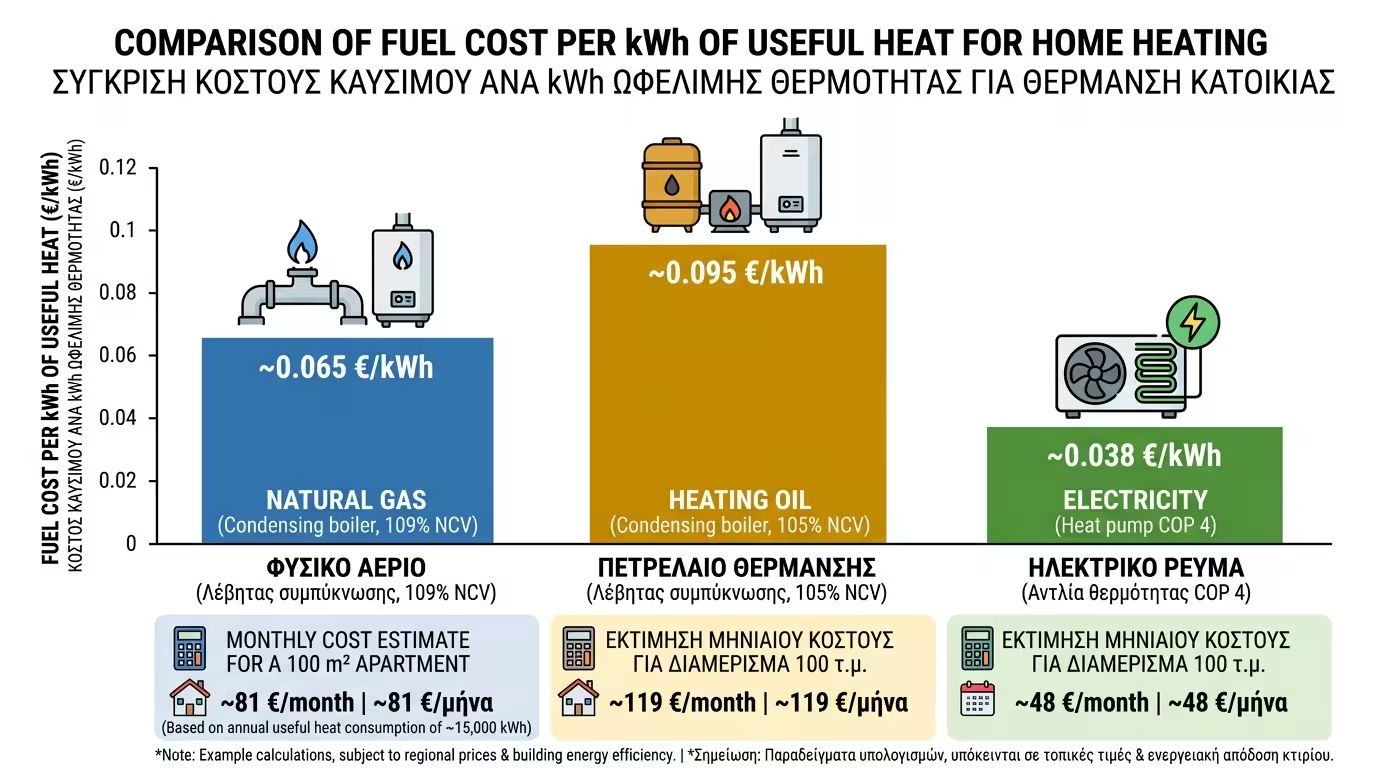
To compare the two fuels fairly, we need to convert their prices into a common unit: €/kWh of delivered heat. This unit tells you how much the warmth reaching your radiators actually costs, after accounting for the boiler's efficiency.
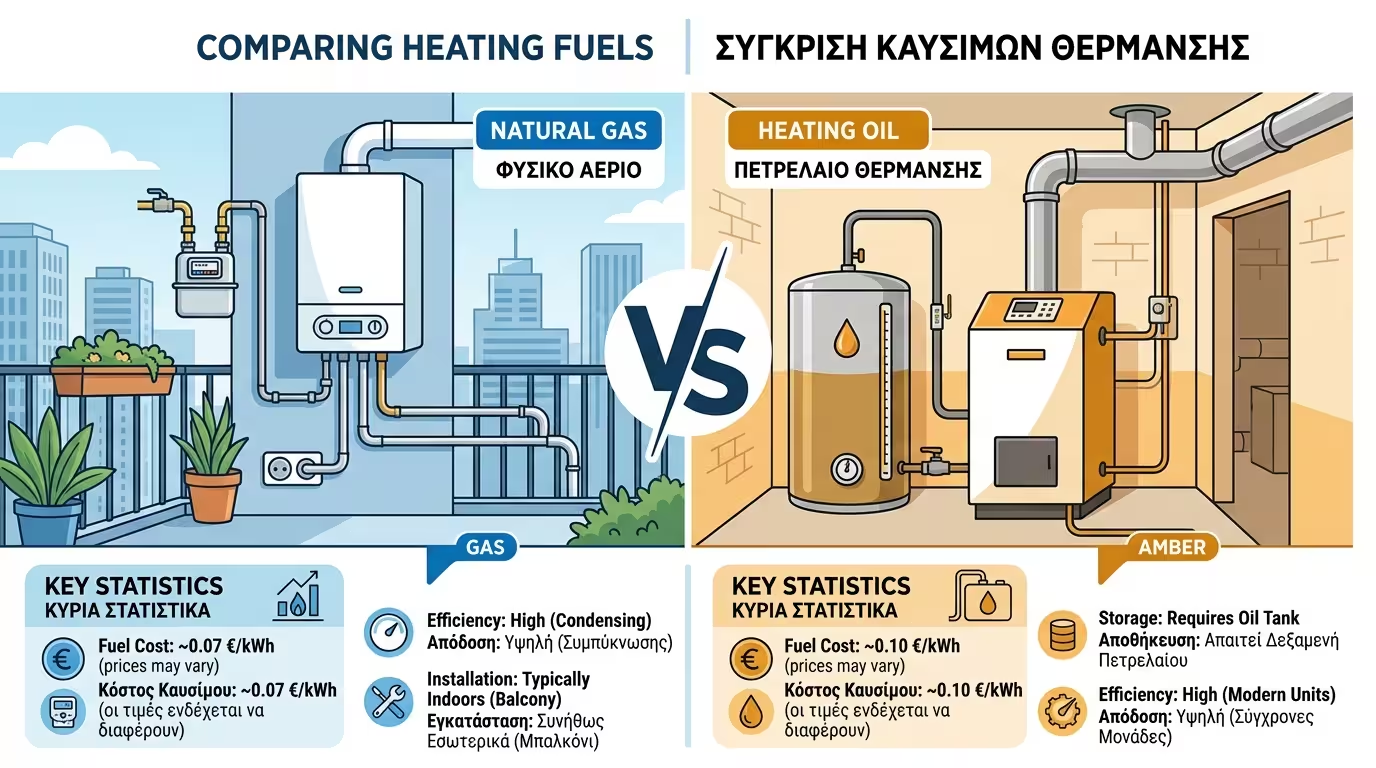
Price: ~€1.20-1.35/litre. Energy content: ~10 kWh/litre. With a condensing boiler (~94% efficiency): ~€0.13-0.145/kWh. An oil boiler requires a storage tank, seasonal bulk purchasing, and dedicated space.
Price: ~€0.06-0.085/kWh (varies by supplier). With a condensing boiler (~97% efficiency): ~€0.065-0.09/kWh. Unlimited 24/7 supply without a tank. You pay only for what you use, billed monthly.
💡 Cost conclusion: Today, natural gas is almost always 30-50% cheaper per kWh of delivered heat compared to heating oil.
The initial investment differs significantly. A wall-hung gas condensing boiler costs €1,800-3,500 installed. A floor-standing oil condensing boiler costs €2,500-5,000 plus a storage tank at €500-1,000.
A gas boiler mounts on the wall (or balcony) - saving precious space. An oil boiler requires a dedicated boiler room or basement, together with the fuel tank that must be refilled every autumn.
For natural gas, a distribution network must exist in your area (EDA Attica, EDA THESS, DEDA). The connection costs €800-2,000 for internal piping. Without a network, the only fossil fuel option is oil (or LPG in cylinders/tanks).
Beyond cost, there are practical differences that affect your daily life and your relationship with heating. Let's see what you need to know about each system before making your decision.
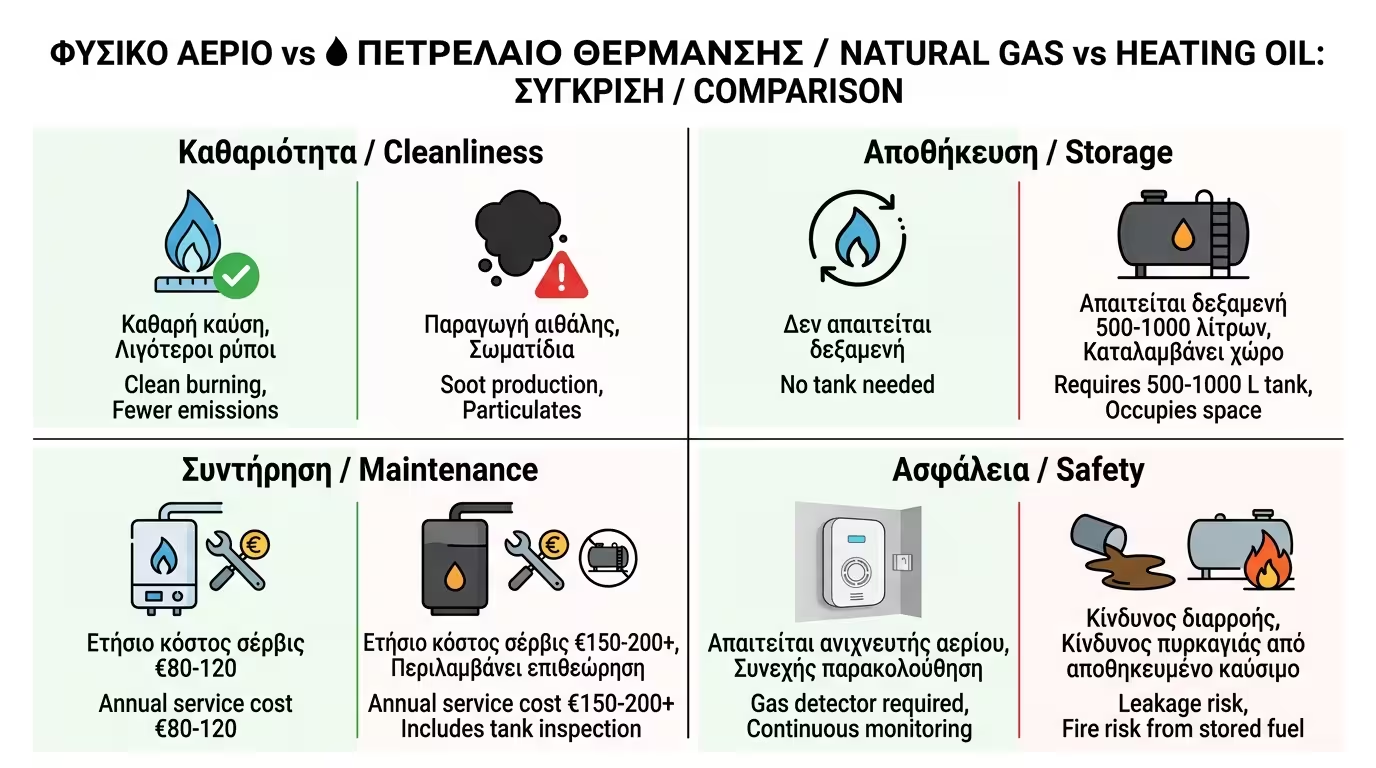
The oil boiler requires annual cleaning (dirt, soot on the burner), nozzle replacement, fuel filter change and flue gas analysis. Annual cost: €100-200. The oil burner is a more complex machine with a pressure pump and wearing parts. Additionally, the tank must be inspected regularly for leaks and sediment build-up.
The gas boiler burns "cleanly" - producing almost no soot. Annual servicing is lighter (heat exchanger cleaning, flue gas analysis, gas pressure inspection). Annual cost: €80-150. However, you pay a monthly standing charge to the gas supplier even when not heating - this can amount to €100-150/year in fixed fees.
Natural gas emits approximately 25% less CO₂ per kWh of heat compared to oil. It produces no particulate soot or sulphur oxides - a significant advantage in densely populated urban areas and apartment blocks. Nevertheless, both remain fossil fuels, so the heat pump is the superior long-term "green" solution.
Both fuels require proper installation and maintenance. Natural gas requires a certified licensed installer and an annual Internal Installation Inspection Certificate. Oil carries the risk of tank leaks. In either case, regular maintenance ensures safe operation.
The answer depends on three key factors: Is there a gas network in your area?, What's your budget? and How long-term are you thinking?
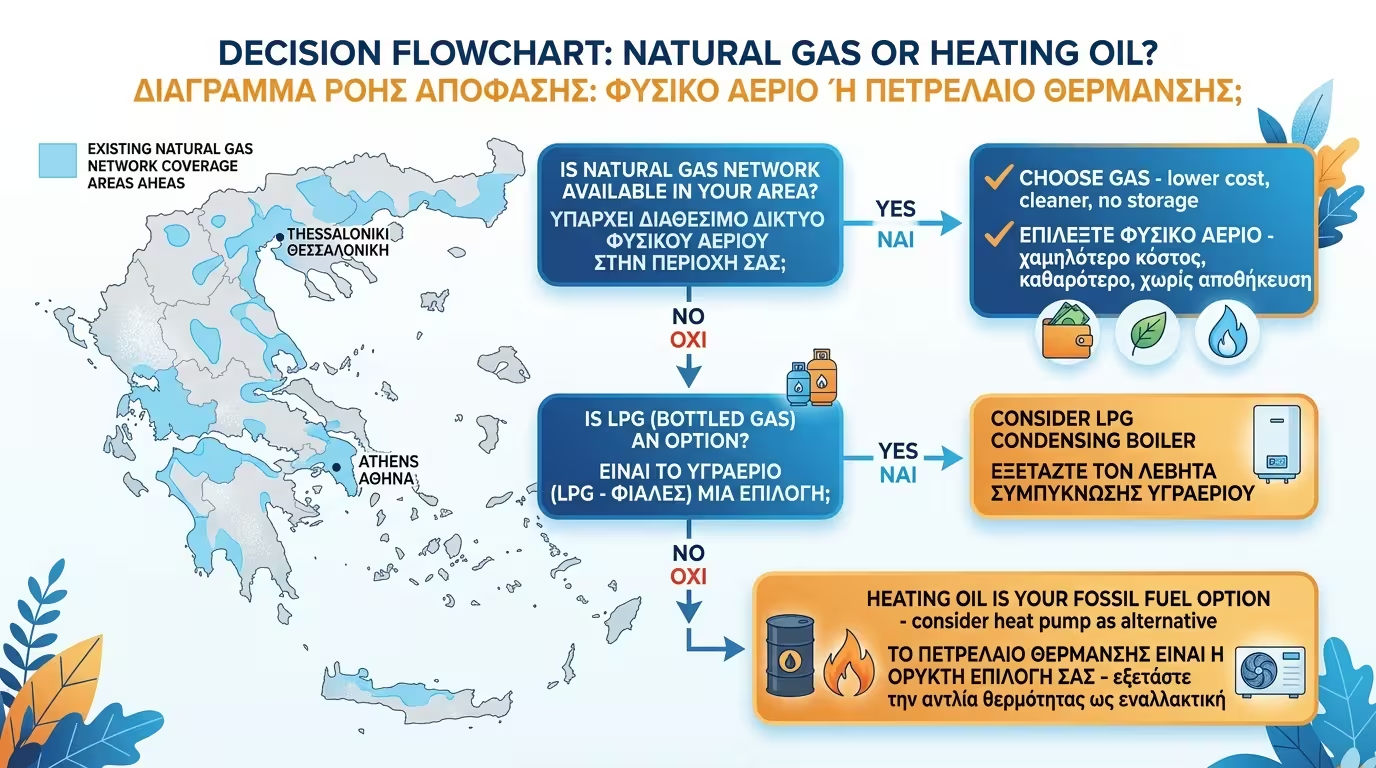
If there's a gas network in your neighbourhood and your oil boiler has aged, the conversion costs €2,500-4,000 (boiler + connection) while savings start from day one. Payback is 2-4 years.
Heating oil remains a viable option only if there's no gas network, installation of a heat pump isn't feasible or your oil boiler is relatively new (under 10 years old). In that case, make sure it's a condensing type.
If you're thinking long-term, the heat pump surpasses both fossil fuels. If a heat pump isn't possible right now, install gas condensing as a transitional solution - and leave the door open for a hybrid system later.
Natural gas is 30-50% cheaper per kWh, more practical (no tank needed) and cleaner than oil. The heat pump surpasses both in the long run.
Decided to go with gas? In the next article we analyse the regulations for installing a gas boiler on a balcony - distances, permits and everything in practice.
Return to category.
Go to categoryReturn to the central guide.
Go to guide