⚠️ Where the Bacterium Thrives
In boilers, water heaters, unused plumbing runs (dead legs), cooling towers, and air conditioners with humidifiers. Anywhere warm water stagnates without recirculation is a potential breeding ground for the bacterium.
Legionella pneumophila is a bacterium that lives naturally in fresh water - in lakes, rivers, even in the tubes of your car's air conditioning. In low numbers it's harmless. It becomes lethal only when it finds the right conditions to multiply - and domestic hot water cylinders (boilers) are the perfect "five-star hotel" for it. In this article we'll see exactly why certain boilers become breeding grounds, what temperatures ensure your safety, and which protection protocols professional installers follow.
Legionella isn't caught by drinking water. It's caught only by inhaling microscopic water droplets (aerosol): during a hot shower, in a jacuzzi, or even from a garden sprinkler. If these droplets carry a high population of Legionella, they reach deep into the lungs and cause a severe form of pneumonia - Legionnaires' Disease. The most vulnerable groups are the elderly, immunocompromised individuals, smokers, and very young children. Mortality reaches 5-30% without treatment, and even in a hospital setting it can reach 10%.
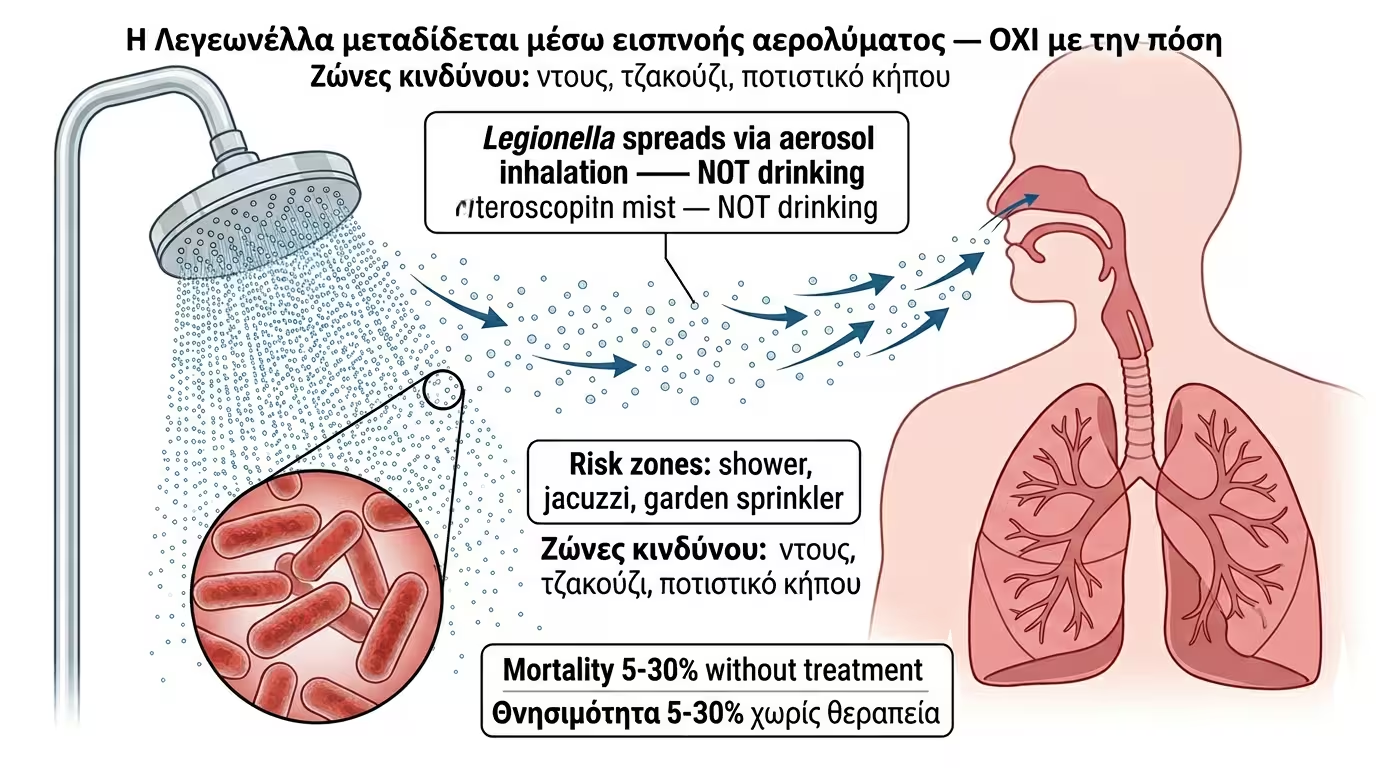
In boilers, water heaters, unused plumbing runs (dead legs), cooling towers, and air conditioners with humidifiers. Anywhere warm water stagnates without recirculation is a potential breeding ground for the bacterium.
Across Europe, approximately 10,000 cases are recorded annually. Hotels and apartment complexes are frequent contamination points, especially when DHW systems are poorly maintained or thermostats are set too low.
Legionella thrives in water between 20°C and 45°C. The optimal "multiplication zone" is 35-40°C - exactly the temperature many people set their water heater to! At this temperature, the bacterium multiplies rapidly and forms biofilm on pipe walls, making contamination even harder to eradicate. Below 20°C, the bacterium "sleeps" (it doesn't die, it simply doesn't reproduce). At 50°C it weakens significantly. At 55°C it dies within a few hours. At 60°C it dies in 2 minutes. At 70°C it dies instantly. This is why your boiler's storage thermostat should never be set below 60°C.
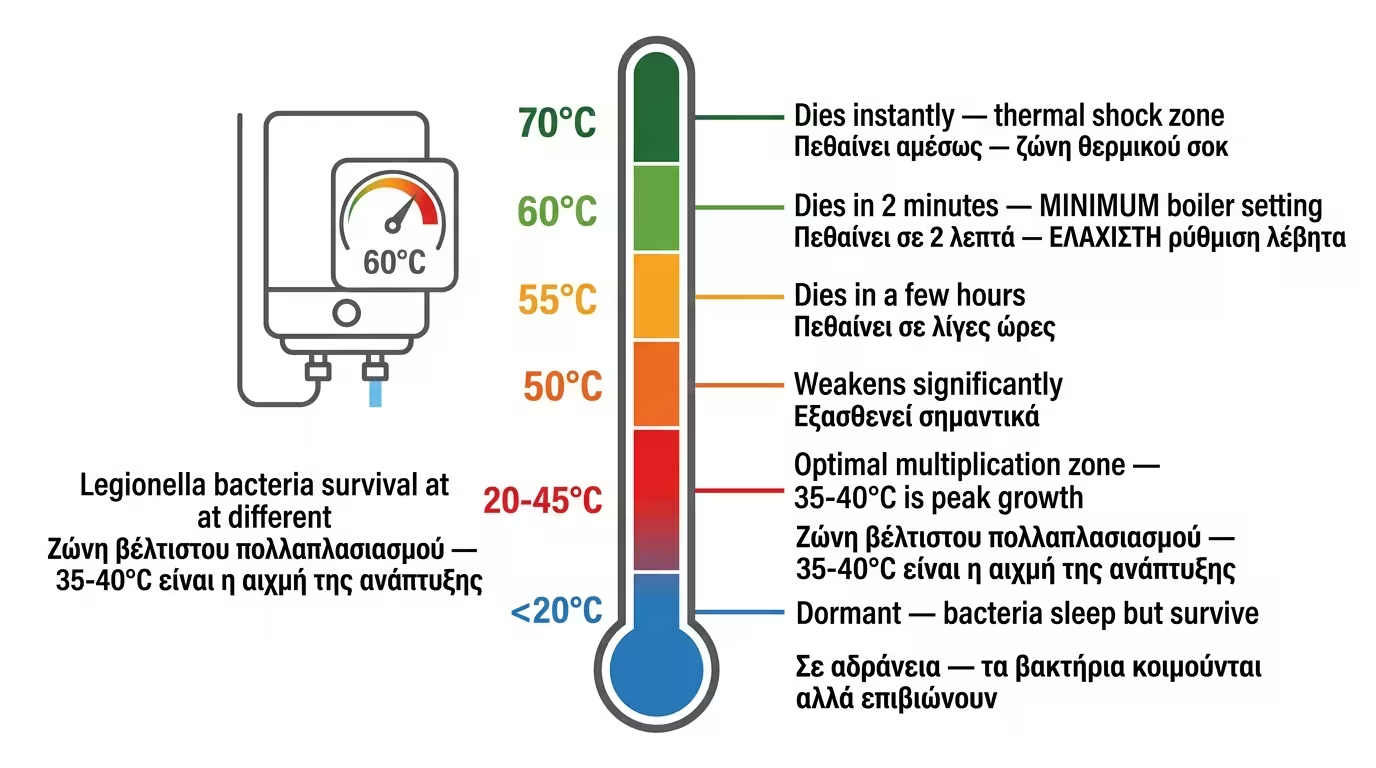
The bacterium "sleeps" - it doesn't grow but it doesn't die either. The moment the water warms to 25-35°C, it wakes up and begins multiplying. This is why cold water pipes should never run alongside hot pipes or radiators.
Here Legionella dies within 2 minutes. That's why the boiler's storage thermostat must be set consistently to 60°C. If you lower it to 40°C "to save energy", you effectively turn your boiler into a bacterial incubator.
Professional installers apply three core strategies to protect against Legionella. Each has a different role, but combining them ensures maximum safety.
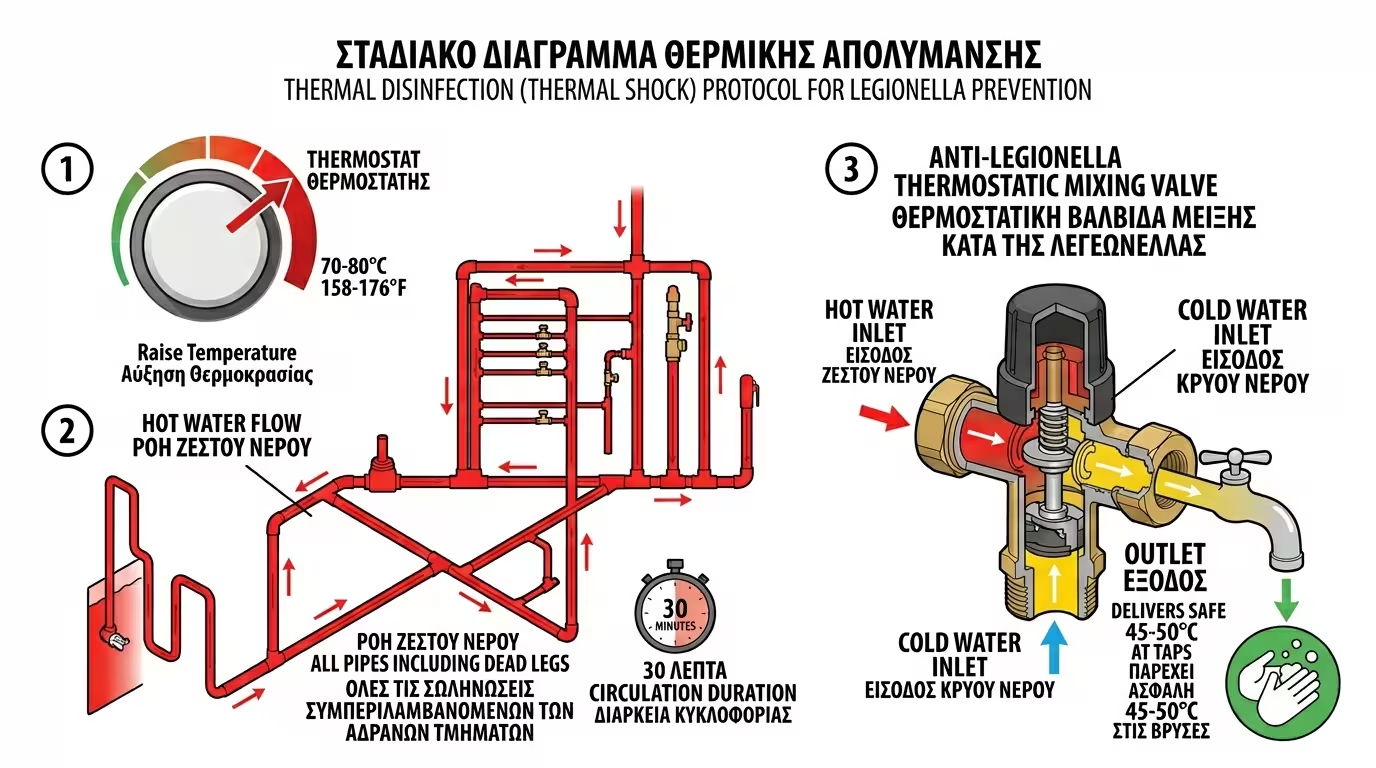
The boiler's storage thermostat must be set firmly to 60°C. This is the minimum temperature that reliably kills Legionella. Never set it lower than this threshold, no matter how much you want to save on energy costs.
Once a week (or month), the thermostat is raised to 70-80°C for 30 minutes. The scalding water circulates through the entire system, eliminating any bacteria hiding in dead legs and low-flow areas of the pipe network.
The anti-Legionella thermostatic mixing valve sits at the boiler outlet. Inside the boiler, water is stored at 60°C (lethal to Legionella). The valve automatically mixes in cold water, dropping the delivery temperature to 45-50°C so there's no risk of scalding at the taps.
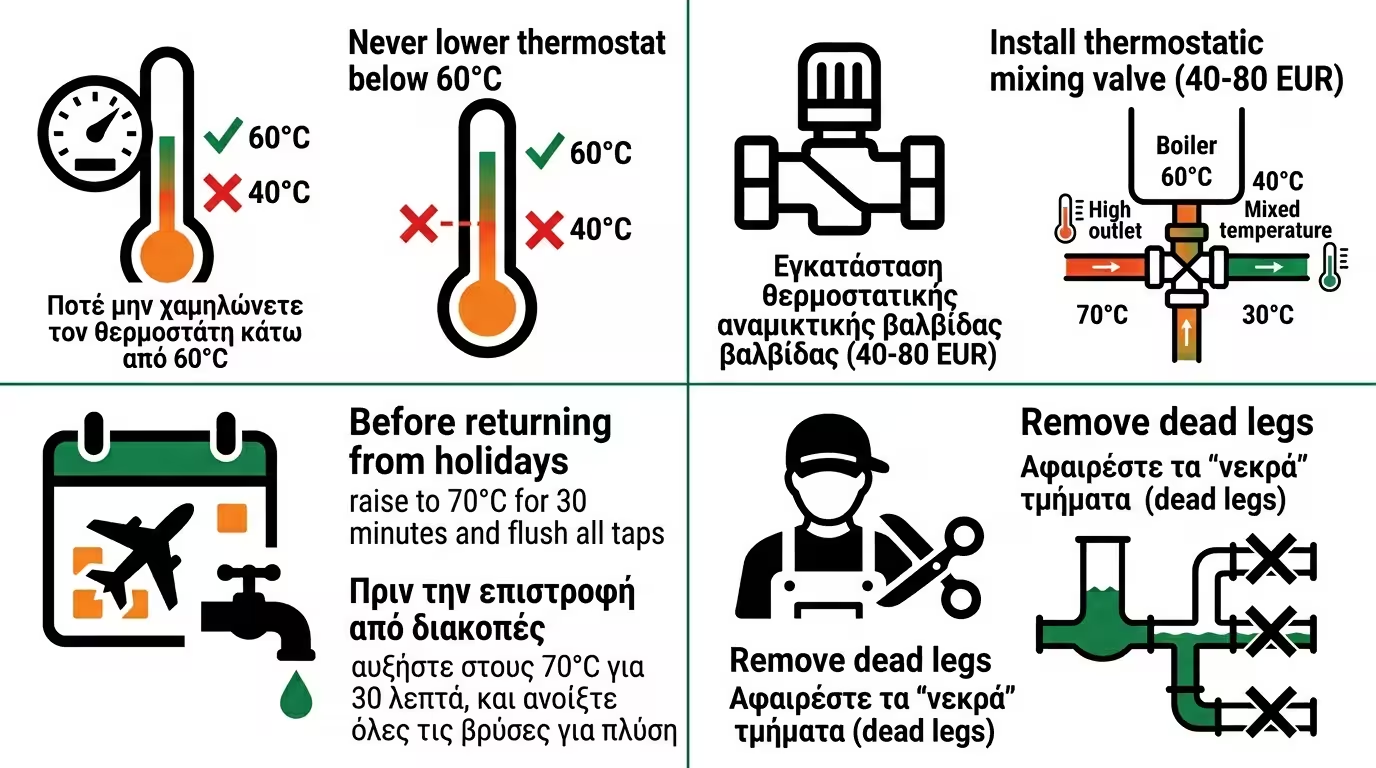
Never lower your thermostat below 60°C, even if you want "energy savings". The risk far outweighs any gains. Instead, install a thermostatic mixing valve (costing €40-80) at the boiler outlet to bring the delivery temperature down to a safe, scald-free level. If you leave home for holidays (more than 1 week), don't leave the water heater off with stagnant water at 30°C. Either drain the tank completely, or raise the thermostat to 70°C for 30 minutes before using the taps again. In holiday homes and Airbnbs that sit empty for weeks, this is critical. Finally, if you have pipes that are never used (dead legs in the network), ask your plumber to cut them out, because water stands there, cools down, and becomes a contamination hotspot. For older apartment buildings and hotels, annual microbiological water analysis is also recommended as a preventive Legionella check.
Return to category.
Go to categoryReturn to the central guide.
Go to guide