Instant Water Heaters (Electric & Gas): Advantages, Disadvantages and
the Three-Phase Power "Trap"
Have you ever stepped into the shower, enjoying the hot water, when
suddenly it turns ice-cold because someone else used up the entire tank
earlier? Or perhaps you have a small holiday cottage or an Airbnb studio
where there literally isn't a single spare square metre to hang a bulky
water tank? The solution comes from Tankless Water Heaters (Instant Water Heaters). These units don't store any water - they heat it instantly as it
flows through, delivering unlimited hot water.
1. The Operating Principle: No More Standby Losses
A traditional water heater (with a tank) heats 80 litres and keeps
them hot. If you don't shower, the water slowly cools (standby losses)
and the element kicks in again, burning electricity for water you're
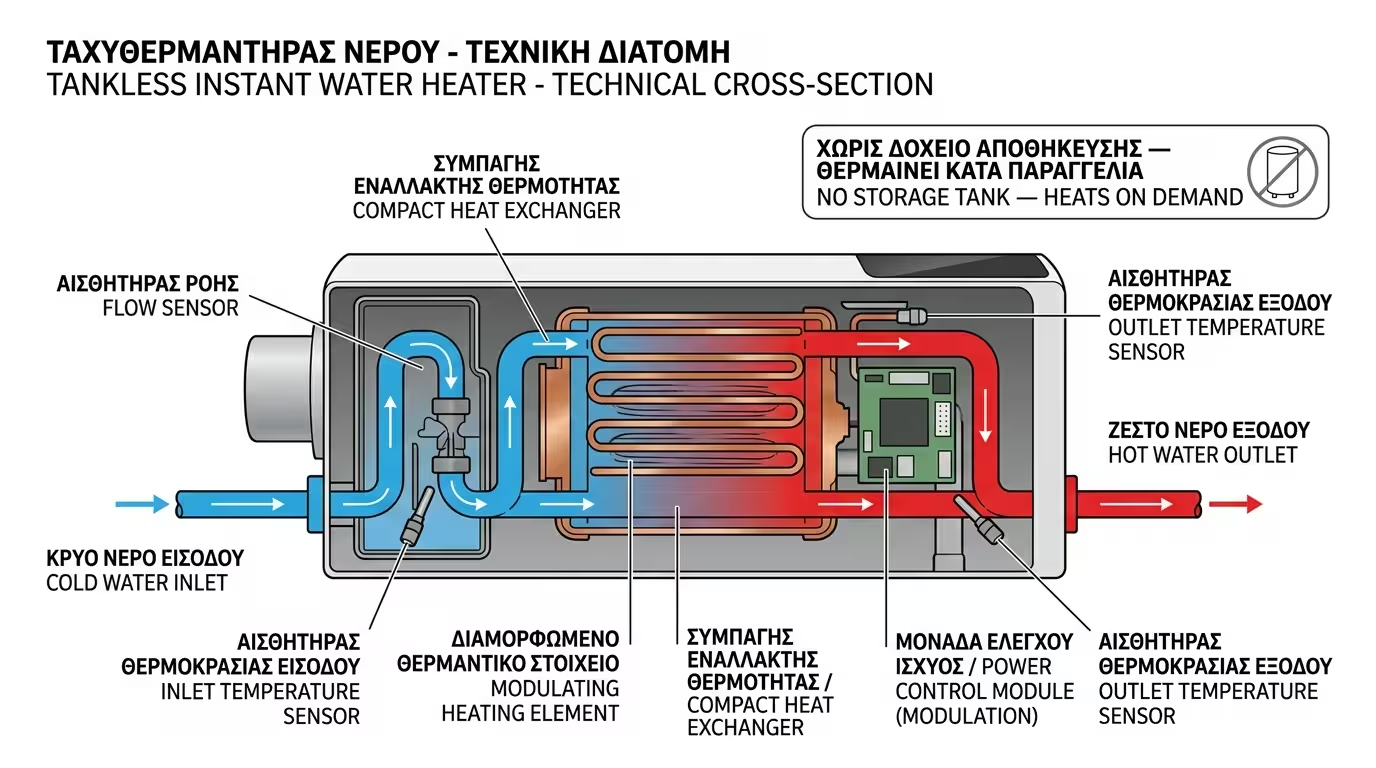
not using. The tankless unit eliminates the tank entirely. It stays completely off. The moment you open a hot tap, a flow
sensor detects the water movement and fires the heating source
instantly. Cold water enters, passes through the heat exchanger, and
comes out piping hot in 2 seconds. The moment you
close the tap, the unit switches off completely. Result: you only burn
energy for the water you actually use.
♾️ Unlimited Hot Water
Unlike a traditional water heater that "runs out" when two people
shower back-to-back, the tankless heater provides hot water for hours on end without ever leaving you cold. This makes it ideal for large families,
Airbnb properties, and holiday homes with multiple guests.
📐 Space Savings
Without a bulky 80-100 litre tank in the attic or bathroom, you
reclaim valuable space. Electric tankless heaters mount on the wall
like a book, while gas units sit on the balcony - inside the house you don't lose a single centimetre.
2. Electric Tankless Heaters: The Big Power Trap
They're small (the size of a shoebox), sleek, mount inside the
bathroom or under the kitchen sink, and are very cheap to buy. But
here's the massive trap (physics): in winter, the
mains water in Greece is freezing (around 10°C). For a comfortable
shower, it needs to reach 40°C - meaning the unit must raise the
temperature by 30 degrees, in a fraction of a second,
while the water flows at 8-10 litres per minute.
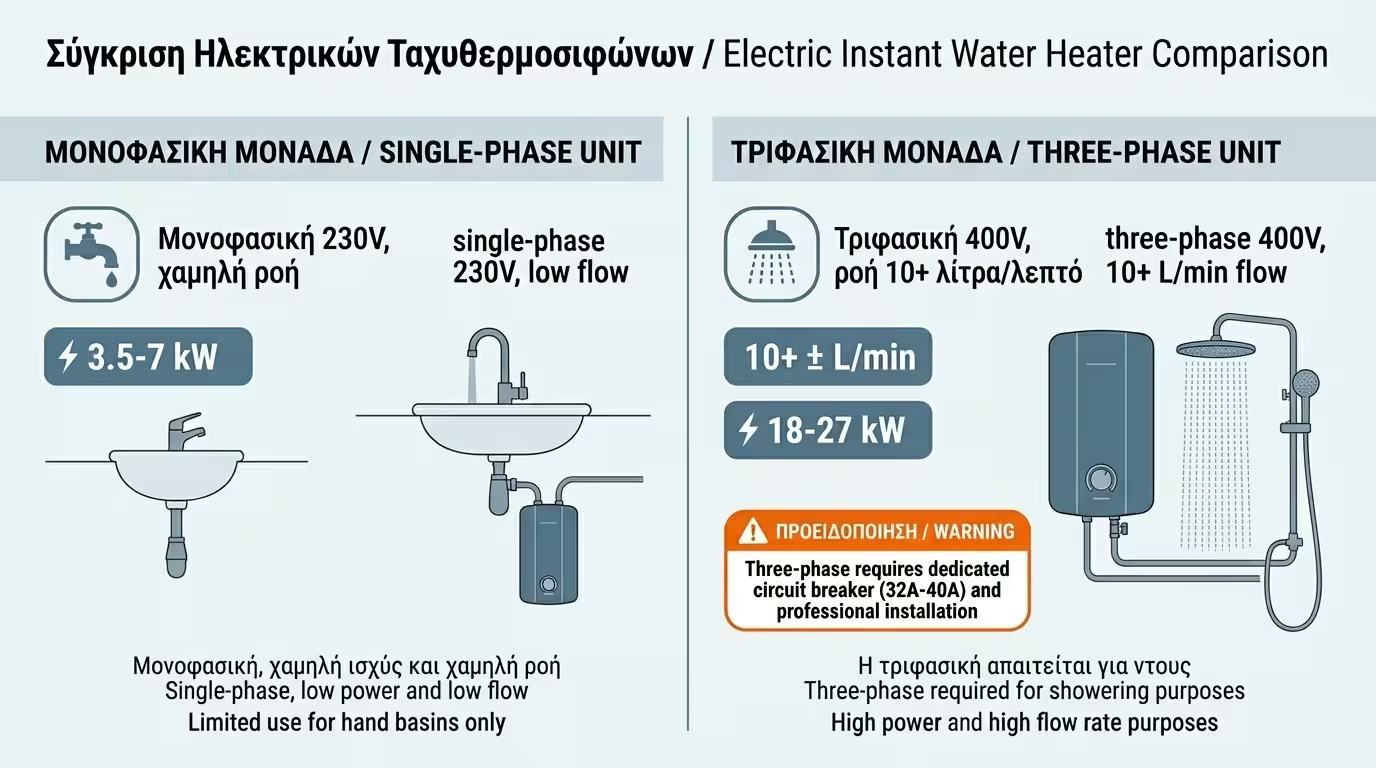
⚡ Single-Phase = Lukewarm Water
If you buy a cheap single-phase tankless heater (5-8 kW) and plug it
into a standard socket, in winter you'll get a lukewarm trickle.
It's suitable only for washing dishes or summer showers (when mains water is already at 25°C). For a proper hot shower in winter,
you need a unit rated at 18 kW to 24 kW.
🔌 Three-Phase Mandatory
Such a unit requires a three-phase power supply,
heavy-duty cables run directly from the distribution board, and
upgraded breakers. If your home has a single-phase meter, the cost
of upgrading with the utility company and rewiring makes the
purchase of a tankless heater completely uneconomical.
3. Gas Tankless Heaters: The Powerful Alternative
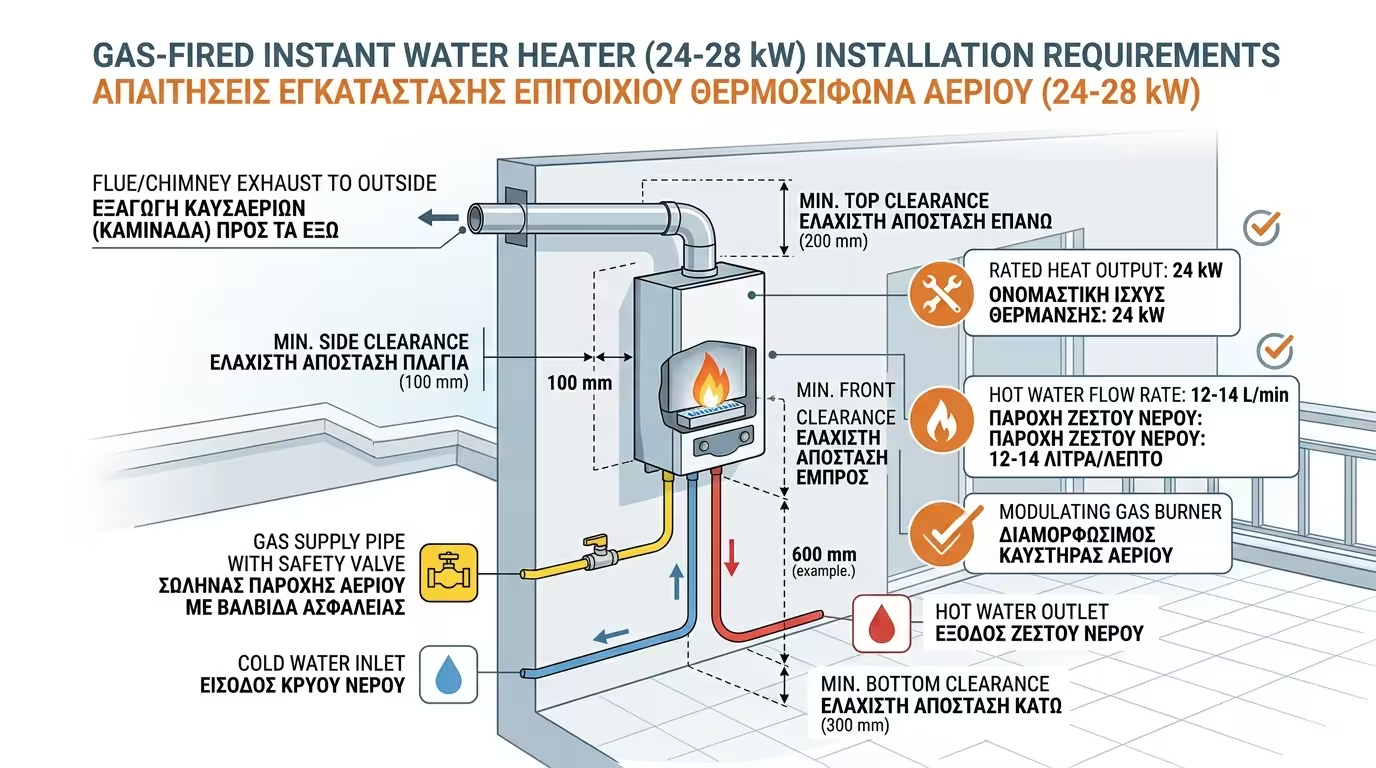
If you already have a natural gas connection (or LPG bottles), the gas
tankless heater is by far the best option. It delivers 24 kW of thermal power effortlessly - you can shower while someone else washes dishes in the
kitchen, with no drop in temperature. It plugs into a standard socket (just
for the control board and ignition spark), never trips the breakers, and
natural gas is cheaper than electricity.
✅ The Advantages
Massive power (24 kW without electrical strain), zero cable stress on breakers and wiring, and low running costs thanks
to gas pricing. In modern condensing models, efficiency reaches 94-98%, utilising almost every unit of energy burned.
⚠️ The Disadvantages
Because it burns gas, it produces flue gases - it must be installed on the balcony (with a flue) and plumbing needs to be run to the bathroom. It can't
be hidden under the washbasin. Additionally, it requires an annual inspection by a licensed gas technician, as with every gas appliance.
4. The Enemy of Tankless Heaters: Limescale & Final Verdict
Whether you choose electric or gas, the tankless heater has one major
vulnerability. Because water passes through extremely narrow channels
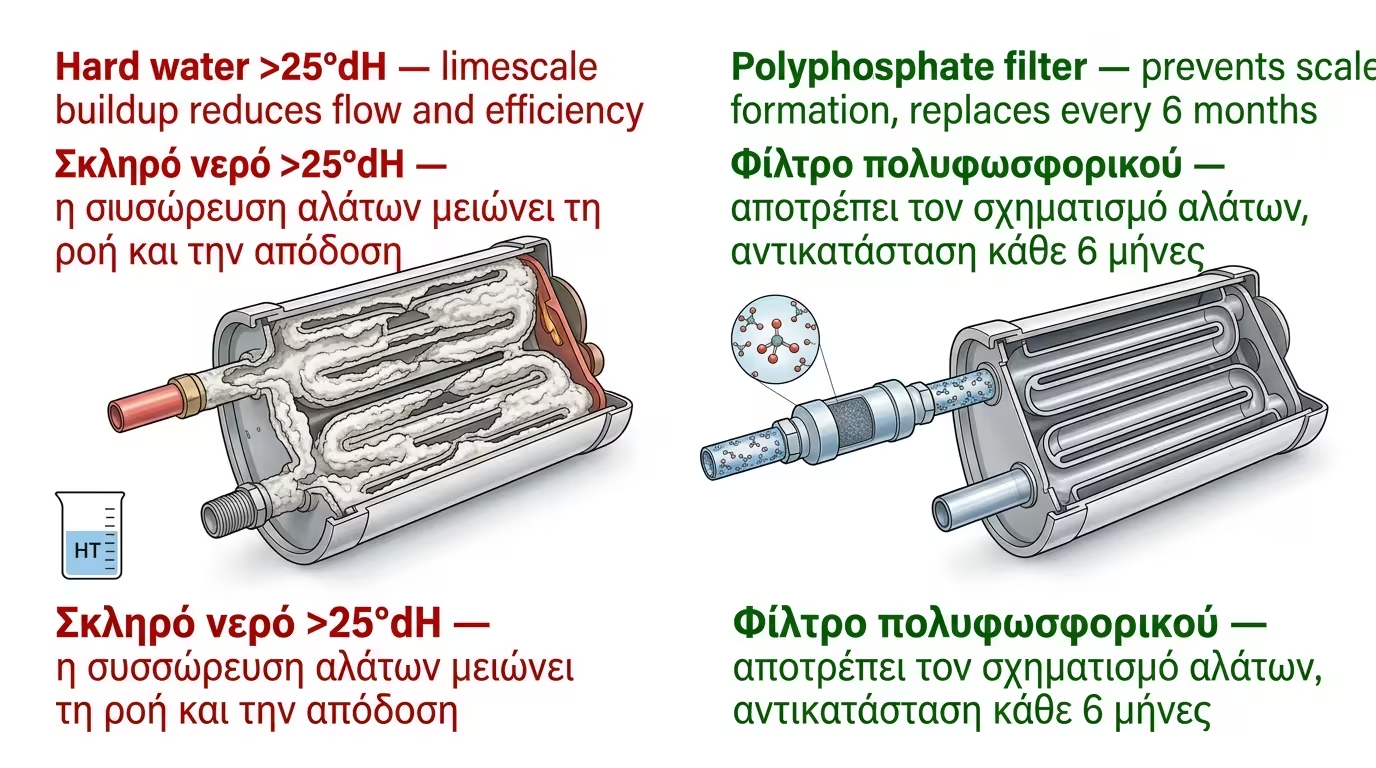
and is heated abruptly to very high temperatures, limescale
crystallises rapidly. In areas with "hard" water (islands,
borehole-fed areas), the heat exchanger will clog, pressure will drop
dramatically, and the unit will shut down on overheat protection. The
solution: a polyphosphate filter fitted to the cold water
inlet. Yes, choose one if: you have three-phase power (electric)
or natural gas, you want to shower for hours without running out, and you
want to free up space by eliminating bulky tanks. No, avoid it if: you have single-phase power and plan to buy a cheap 7 kW unit thinking
you'll enjoy a hot shower in January - you'll be bitterly disappointed.