✅ Advantages
Plug & Play simplicity: Low upfront cost - place it on the roof, connect water pipes and it works. Easy maintenance: They do not use water for condenser cooling, so there are no scale, chemical treatment or Legionella concerns.
When a building exceeds a certain size (e.g. a massive shopping centre, a hospital or an industrial plant), circulating refrigerant through kilometres of copper piping becomes unfeasible and environmentally risky in case of a leak.
At this scale, engineers turn to the most natural, inexpensive and safe energy-transfer medium: water. The "heart" of these systems is the Chiller. It cools large volumes of water (typically to 7°C), which is then pumped to Fan Coil Units or Central Air Handling Units (AHUs) throughout the building.
The great dilemma is not how the building is cooled, but how the Chiller itself is cooled. This is where two dominant categories emerge: Air-Cooled and Water-Cooled Chillers.
As their name suggests, these chillers use the ambient air to dissipate heat. They look like giant outdoor air-conditioning units on the roof, with massive fans cooling the condenser.
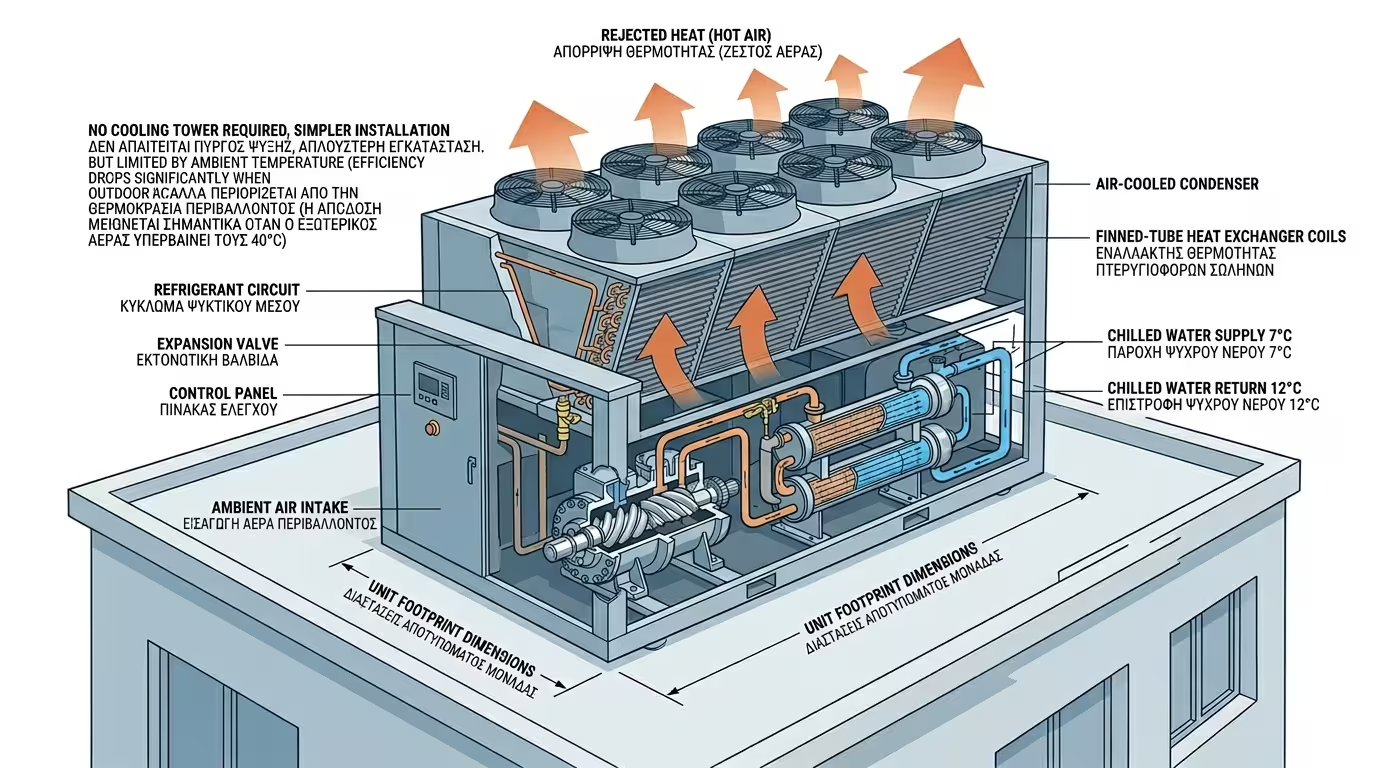
Plug & Play simplicity: Low upfront cost - place it on the roof, connect water pipes and it works. Easy maintenance: They do not use water for condenser cooling, so there are no scale, chemical treatment or Legionella concerns.
Reduced efficiency in heatwaves: At 40°C ambient the compressor strains, COP drops and electricity consumption rises. Shorter lifespan: Exposed 24/7 to sun, rain and sea salt, they typically last 15–20 years. Noise: The large fans are audible and occupy significant rooftop area.
Here, engineering goes to the next level. Water-cooled chillers use water instead of air. They are always installed indoors (basement plant room) and send the hot water to the roof, to a Cooling Tower.
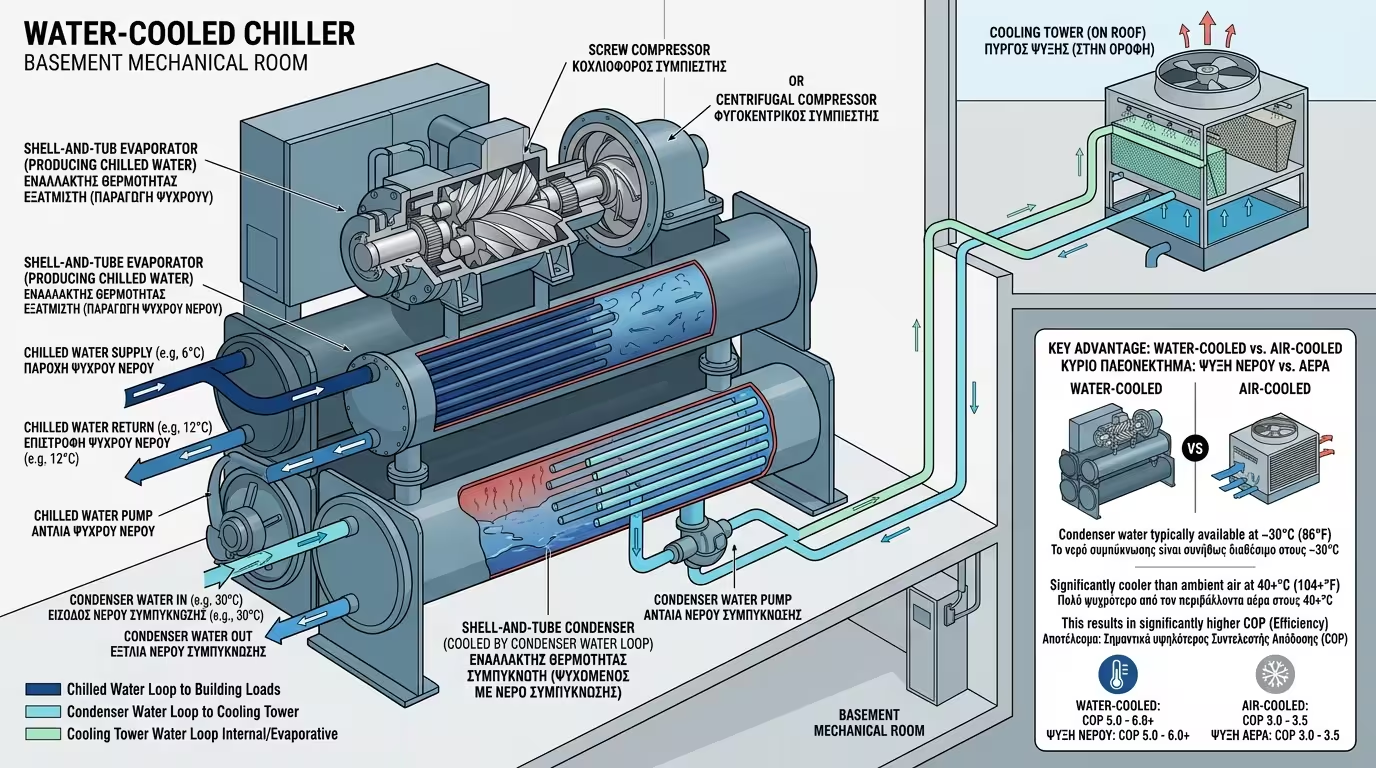
Unmatched efficiency: Water absorbs heat far more effectively, even in heatwaves. Longevity: Protected in the basement, they last 25–30+ years. Zero environmental noise (only the relatively quiet cooling tower fan).
Complexity: They require a separate condenser water circuit, powerful pumps and a rooftop Cooling Tower. Water consumption: The tower continuously evaporates water (utility cost). Chemical treatment: Strict water chemistry to prevent scale and Legionella.
The battle between them is a classic CapEx (Capital Expenditure) vs OpEx (Operating Expenditure) trade-off. Air-cooled chillers cost less upfront but more in electricity. Water-cooled chillers cost far more to install but save enormous sums in energy over their lifetime.
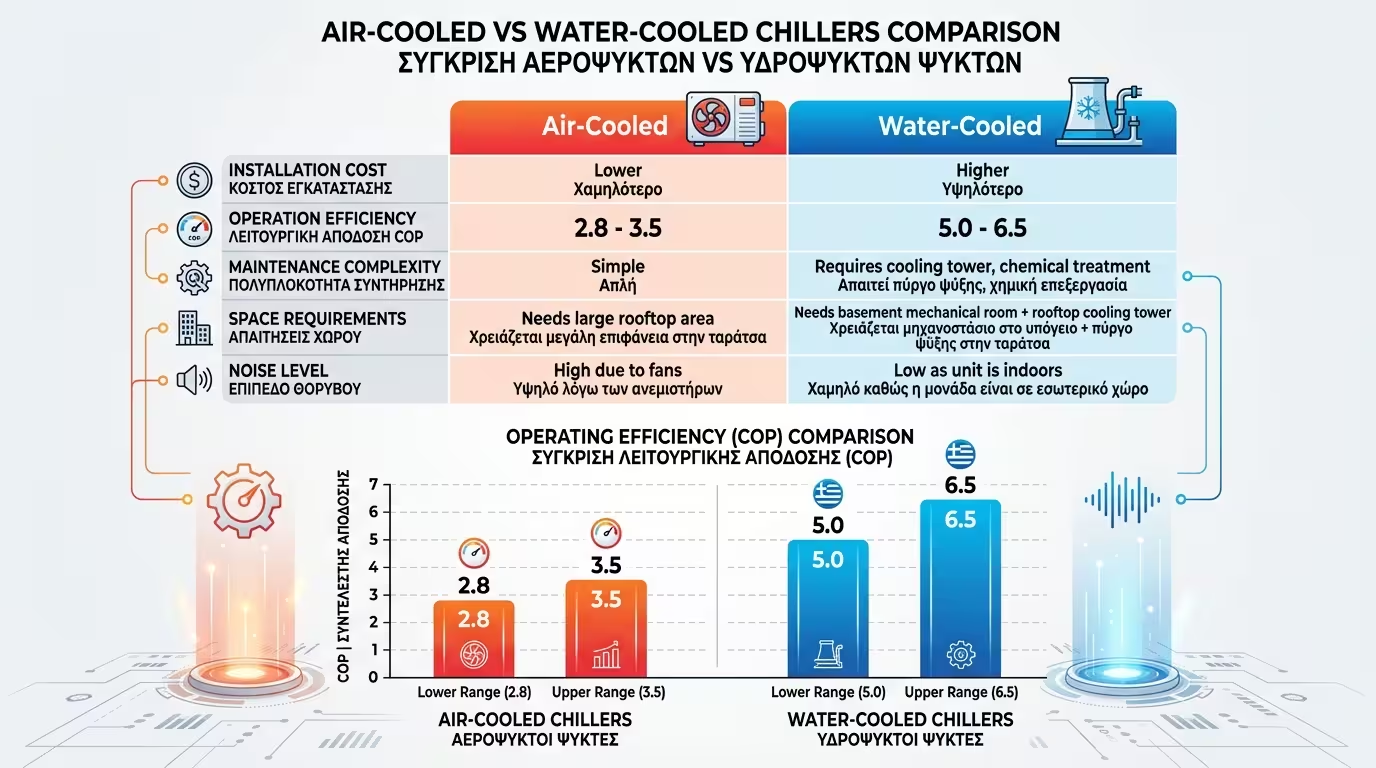
A 200 RT air-cooled chiller costs significantly less to purchase and install, since it requires no separate condenser water circuit, pumps or Cooling Tower. Conversely, an equivalent water-cooled system requires roughly triple the initial budget - but its monthly electricity consumption can be 30% lower.
A typical water-cooled chiller achieves a COP of 6.0–7.0, while an air-cooled unit reaches only 2.8–3.5 at ambient temperatures of 35°C and above. This enormous difference translates into fewer kilowatt-hours per tonne of cooling and a directly smaller electricity bill.
The air-cooled unit needs only filter and condenser cleaning. The water-cooled unit requires monthly water chemistry analyses, Cooling Tower cleaning, fill-media replacement and regular Legionella sampling. The operational maintenance cost of the water-cooled system is noticeably higher.
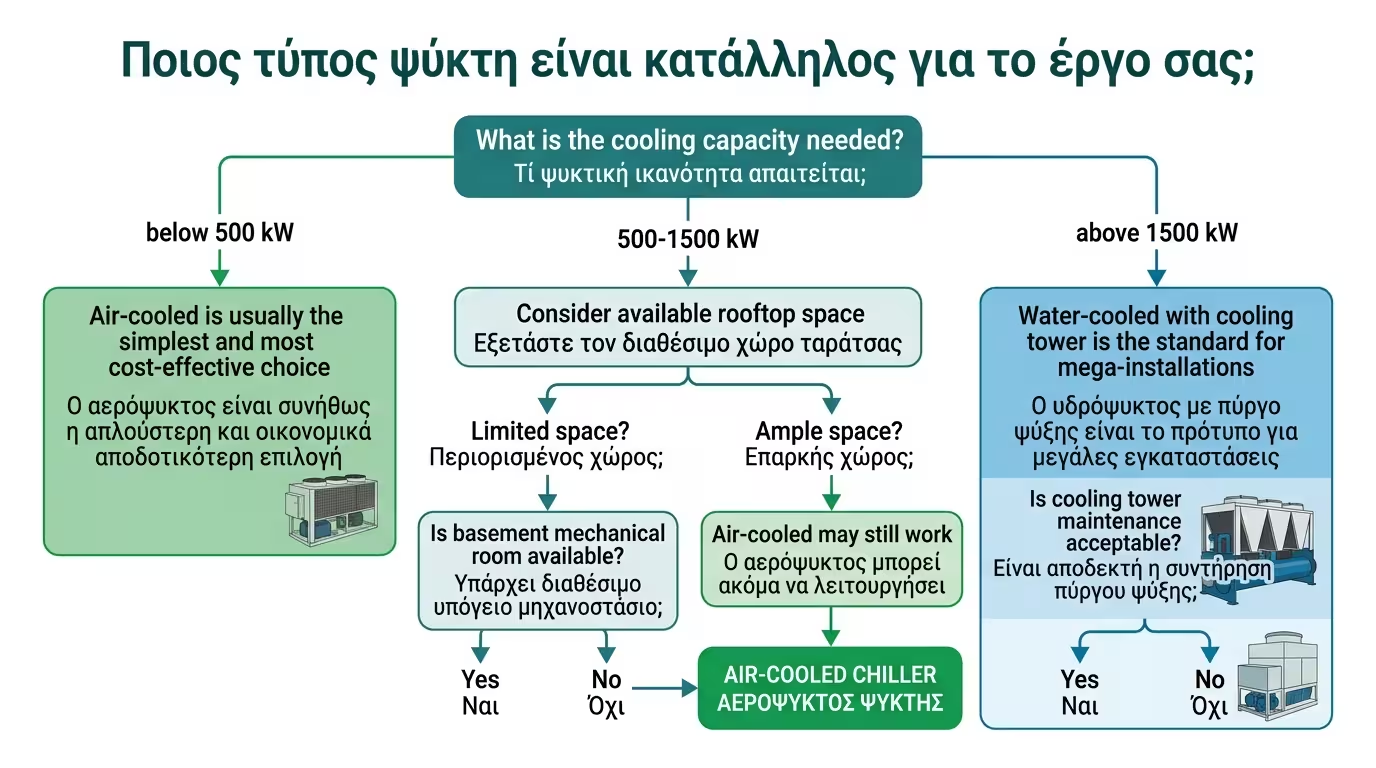
The decision is rarely based on personal preference. It is strictly determined by the building's data.
For medium-sized buildings (offices, city hotels, retail), when there is no basement plant room available, when you want low upfront cost and simple maintenance without the hassle of water chemistry analyses. The go-to choice for 80% of commercial applications in Greece.
For massive industrial complexes, large hospitals, skyscrapers or buildings with loads exceeding 400–500 Refrigeration Tonnes (RT). There, the enormous electricity savings quickly outstrip the increased installation, maintenance and water costs, making water-cooled chillers the only viable long-term solution.
The key factors determining the decision are: Availability of a basement plant room, rooftop slab load capacity (air-cooled units are heavier), proximity to residential areas (fan noise), local water utility pricing and the operating period (year-round or seasonal).
Air-cooled chillers offer convenience and simplicity, while water-cooled chillers deliver ultimate efficiency for heavy loads. When we choose the “heavy” water-cooled option, we introduce a new, massive piece of rooftop equipment that demands special handling: the Cooling Tower - which we examine in detail in the next article.
Return to category.
Go to categoryReturn to the central guide.
Go to guide