External Shading Systems: The invisible shield and the end of the
"Greenhouse Effect"
We consume infinite energy trying to push heat outside our homes with
air conditioning, while the simplest and most natural solution is… to
never let it in! The ultimate guide to external shading systems, the
true "shield" of your building.
There is a huge myth in Greece: "The sun is hitting the window? Close the internal curtains or the
internal blinds to cool down." This is a tremendous physics mistake. When solar radiation passes through
the glass, it has already entered the house. The internal curtain simply absorbs
the heat and turns into a massive radiator emitting heat
inside your living room (the well-known Greenhouse Effect).
The only way to passively cool your home - reducing air conditioning
needs by up to 40% - is to stop the sun outside the glass. Let's explore the 4 top systems on the market.
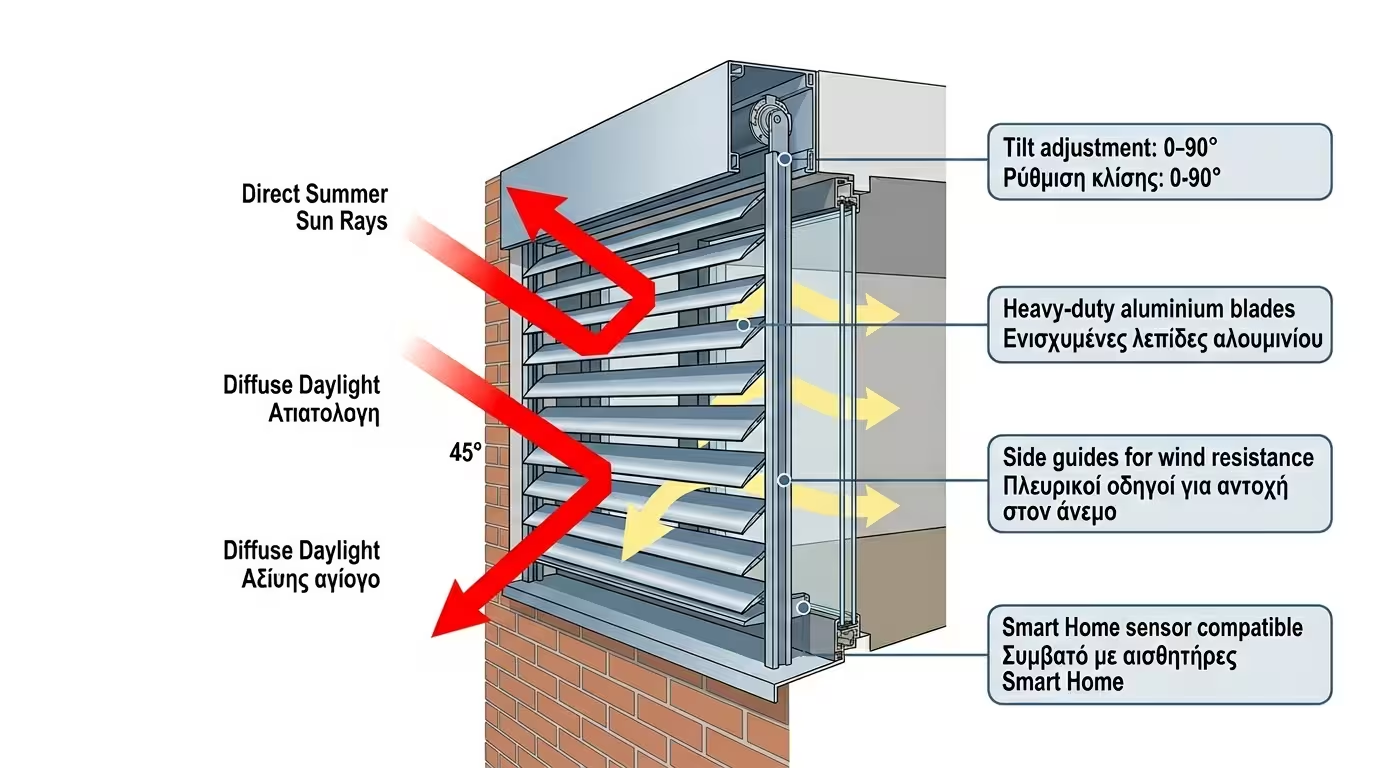
1. Movable Aluminium Louvres (Raffstores): The "high-end" choice
This is the ultimate "high-end" choice for those who want full
control. Imagine the classic office internal blinds, but made from
heavy-duty aluminium and installed externally. The only system that
allows you to adjust the blade tilt angle.
🌡️ Dynamic lighting
You can "cut" the vertical rays of the summer sun that bring heat,
while simultaneously allowing natural, indirect light to enter the room. No more dark houses in summer! The tilt adjusts according
to the sun's angle throughout the day.
🛡️ Wind resistance
The louvres run inside stable, side aluminium guides, offering excellent wind resistance. They don't "rattle" even in strong gusts, unlike older-technology
free-hanging external fabrics.
🏠 Smart Home integration
They integrate perfectly with home automation systems. If the sun sensor detects strong sunlight, they lower and close automatically. Similarly,
they open when the sun sets or if very strong wind picks up (wind sensor).
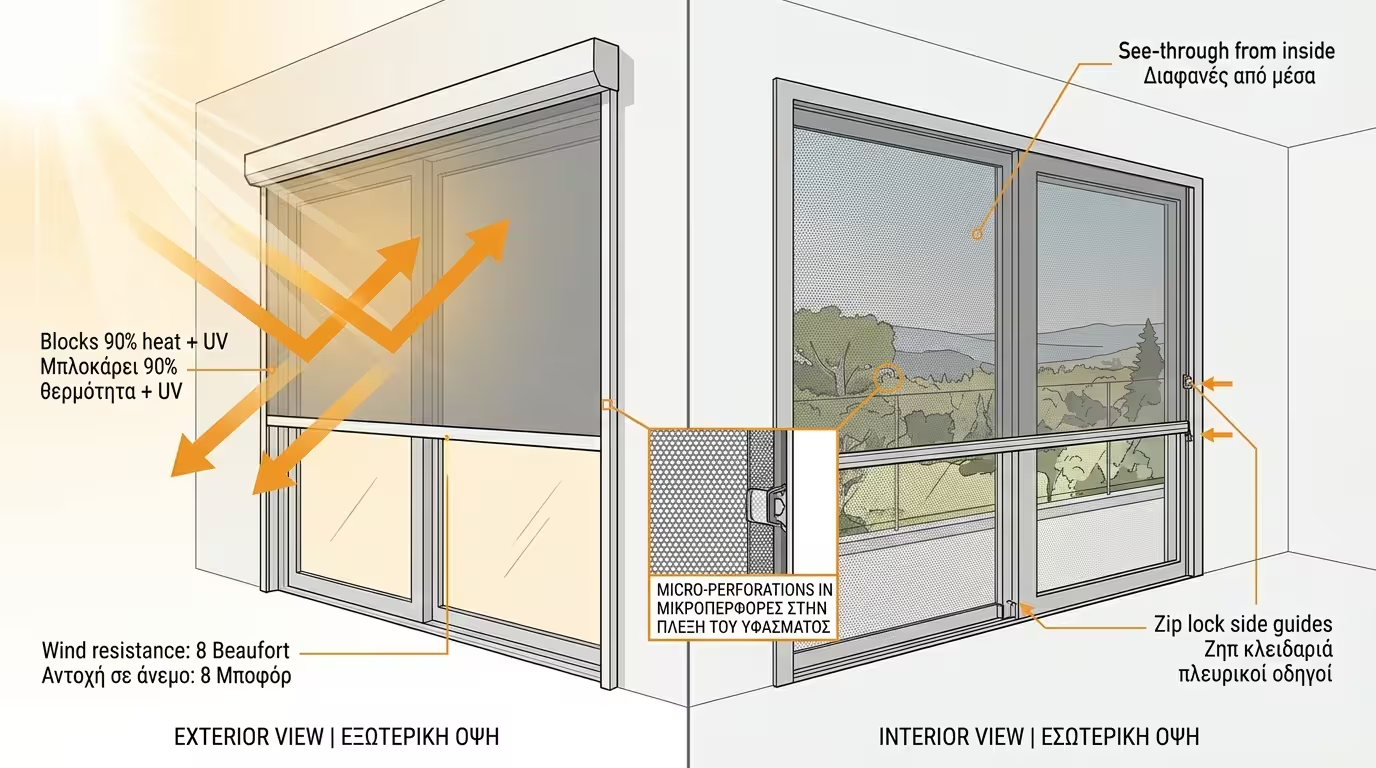
2. Perforated Fabrics (Zip Screens): The magic of visibility
If you don't like the industrial aesthetics of aluminium and you have
large openings (e.g. huge balcony doors), Zip Screens are the magic of
modern fabric technology. They are called "Zip" because the fabric
edges have a zipper that locks into the side guides.
🪞 Visibility "magic"
Made from special micro-perforated fabrics (e.g. Soltis, Screen).
The amazing thing is that during the day they block 90% of heat and UV rays, while you can see outside and enjoy your view, without
being seen from the outside! They work like a mirror.
💨 Resistance up to 8 Beaufort winds
The Zip technology means they stretch perfectly taut and don't "rattle" even in 8 Beaufort winds, thanks to the zipper system that locks firmly
into the side guides. Ideal for seaside residences.
🎯 Ideal applications
Living rooms with great views, open-type balcony
doors, and openings where you want to keep the view without
"closing" the space. The light control is on/off only (tilt cannot
be adjusted like louvres).
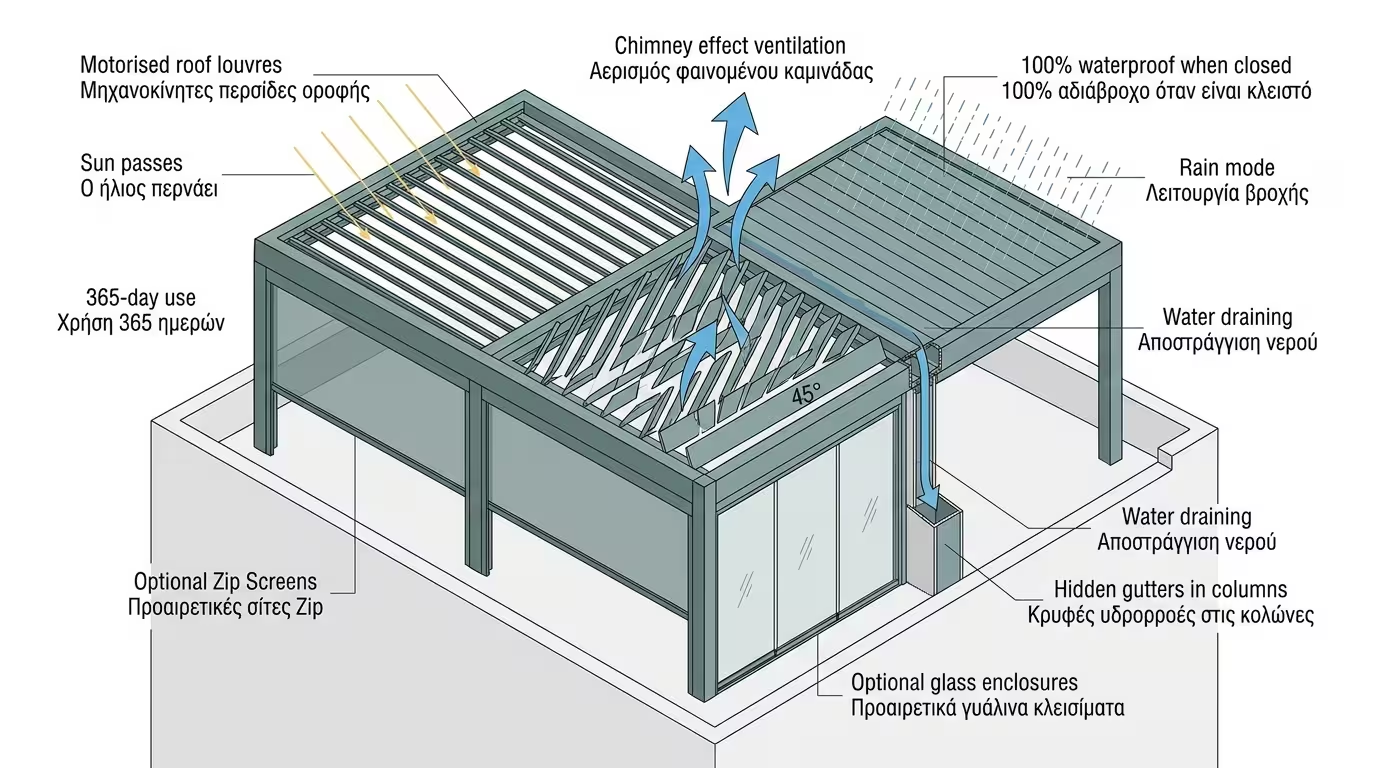
3. Bioclimatic Pergolas: 365-day use of outdoor spaces
These are not the old wooden pergolas with lattice screens. The
bioclimatic pergola is an imposing aluminium structure that functions
as a natural extension of your living room onto the balcony or garden.
Its roof consists of motorised louvres.
🌬️ Chimney effect
Open the motorised roof louvres slightly to create an
air current (chimney effect) that pushes hot air upwards, while maintaining
shade. Effective natural cooling without any electricity consumption.
💧 100% waterproof
When it rains, the louvres close hermetically,
water is channelled into hidden gutters inside the columns, and you
can enjoy your coffee outside, completely dry. Modern pergolas can
even withstand snow loads.
⚙️ Full integration
They can accept Zip Screens, glass panels, or heating panels around the perimeter, converting your balcony into a proper room for
365-day-a-year use. Ideal for rooftops, gardens, and
large balconies.
4. Architectural Brise-Soleil: Permanent sun protection without moving
parts
The word comes from French and means "breaking the sun". These are
architectural "fins" (usually from heavy-gauge aluminium or treated
wood) permanently fixed to the facades of modern buildings. Ideal for
a minimalist appearance with zero motor maintenance needs.
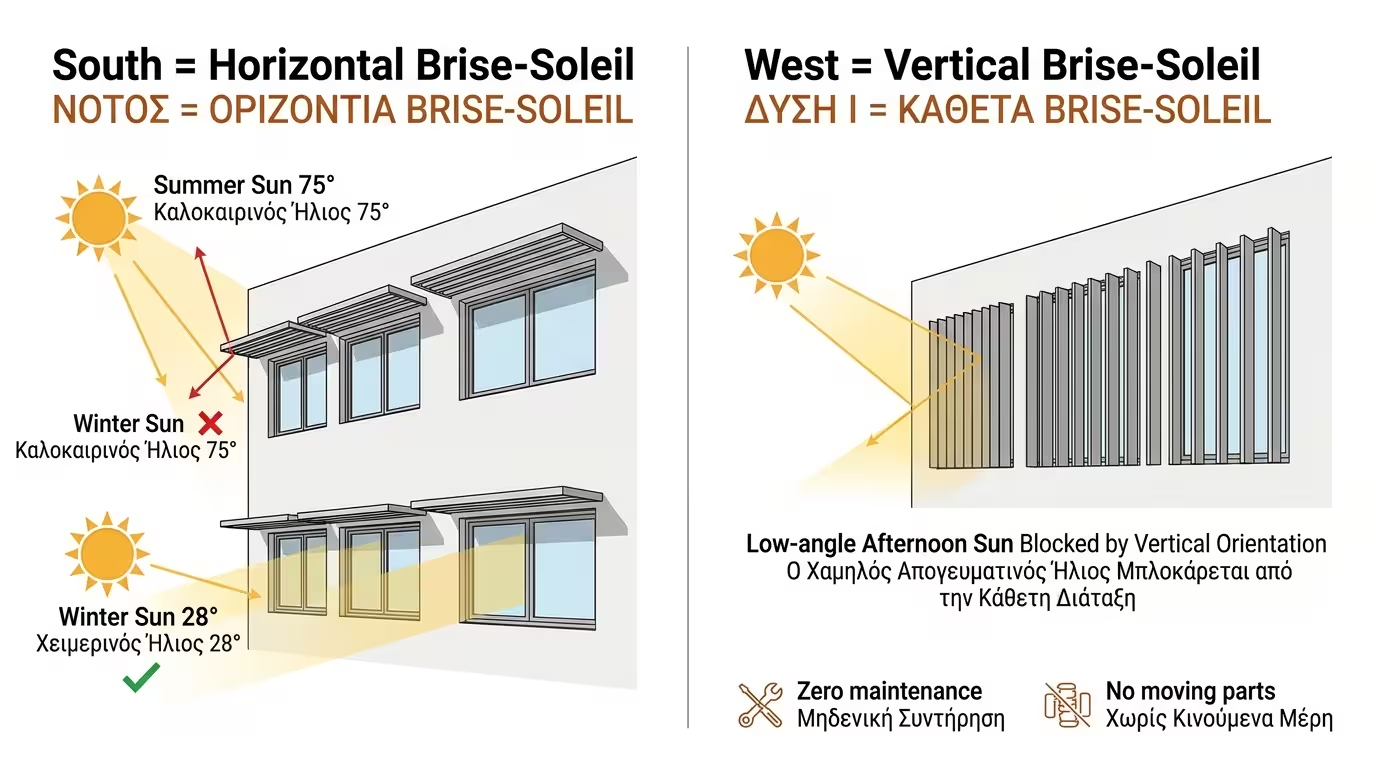
📐 Geometry matters
For South-facing windows, Horizontal Brise-Soleil are installed (like small canopies). In winter (sun low
at 28°) they let rays pass and heat the house for free. In summer (sun
high at 75°) they create deep shade. For West-facing windows - the worst, horizontal afternoon sun - Vertical Brise-Soleil
are mandatory.
🏗️ Zero maintenance
No moving parts, no motors, no electrics. The fixed fins never break and require absolutely no maintenance. Their geometry does the work
instead of automation, relying on the sun's angle.
🎨 Architectural aesthetics
Ideal for modern, minimalist building facades. They create a striking visual impression without visible machinery and roller shutters. Combining aesthetic excellence
with sun-protection functionality.
5. Final comparison table & Summary
System
Light Control
Wind Resistance
Visibility
Ideal Use
Movable Louvres (Raffstores)
Excellent (full adjustment)
Good
Moderate
Bedrooms, Offices
Zip Screens (Perforated)
Moderate (on/off)
Excellent
Excellent (from inside)
Living rooms with great views
Bioclimatic Pergolas
Excellent (roof)
Excellent
Depends
Rooftops, Gardens, Balconies
Brise-Soleil (Fixed)
Moderate (geometry)
Absolute
Good
Modern Facades
✅ The conclusion
Having the summer sun hit your windows directly is the equivalent of
turning on the heater in July. External shading - whether fabrics or
movable louvres - is an investment in "passive cooling".
💰 The savings
The purchase cost may seem considerable, but reducing your home's
temperature by 5°C to 8°C - before you even turn on the
air conditioning - translates to immediate and permanent savings on your electricity bill, with up to 40% reduction in cooling consumption.