Heat Recovery Chillers (Desuperheaters): The Hotel Secret for Free Hot Water (DHW)

In managing a large building (hotel, hospital, gym), the two biggest drains on the energy budget in summer are: Paying for electricity to cool the spaces, and simultaneously burning gas or electricity to heat water (DHW) for showers and pools.

What if we could "capture" the heat that the chiller uselessly throws into the environment and use it for free hot water? That is precisely the job of Heat Recovery Chillers.

1. Partial Heat Recovery (The Desuperheater System)

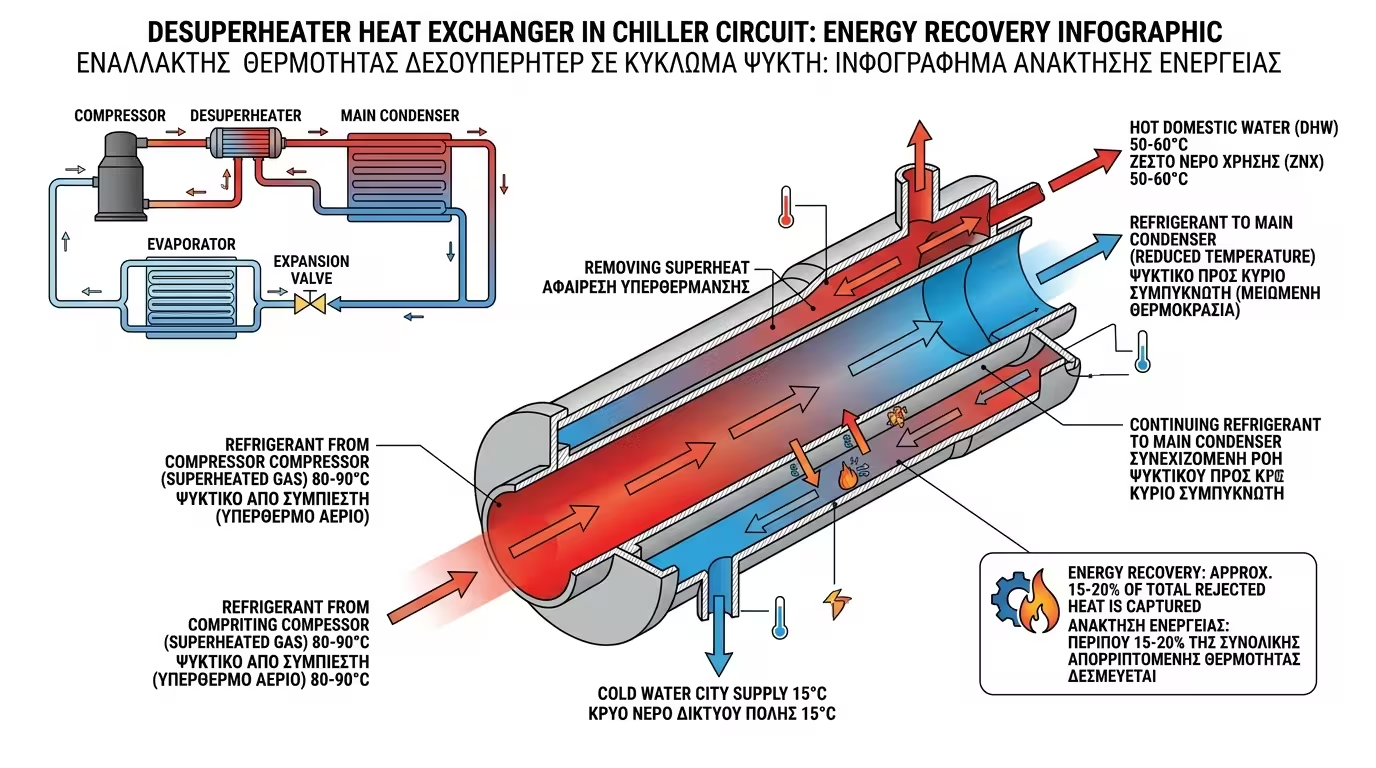
This is the most popular application. When the refrigerant gas exits the compressor, it is extremely hot (80°C–90°C). This state is called "superheated gas". In a chiller with partial recovery, engineers insert a small heat exchanger - the Desuperheater - immediately after the compressor.

Desuperheater heat exchanger after the compressor – recovering superheated refrigerant for hot water

🔥 How does it work?

The hot refrigerant (80°C) passes through the Desuperheater. Simultaneously, cold mains water (e.g. 15°C) passes through the opposite circuit. The refrigerant transfers its "extreme" heat to the water. Result: hot water at 50°C–60°C, ready for showers.
💰 The economics

Partial recovery captures approximately 15%–20% of the total rejected heat. It also slightly improves the chiller's own efficiency by helping it shed the difficult, initial superheat before reaching the condenser.

2. Total Heat Recovery

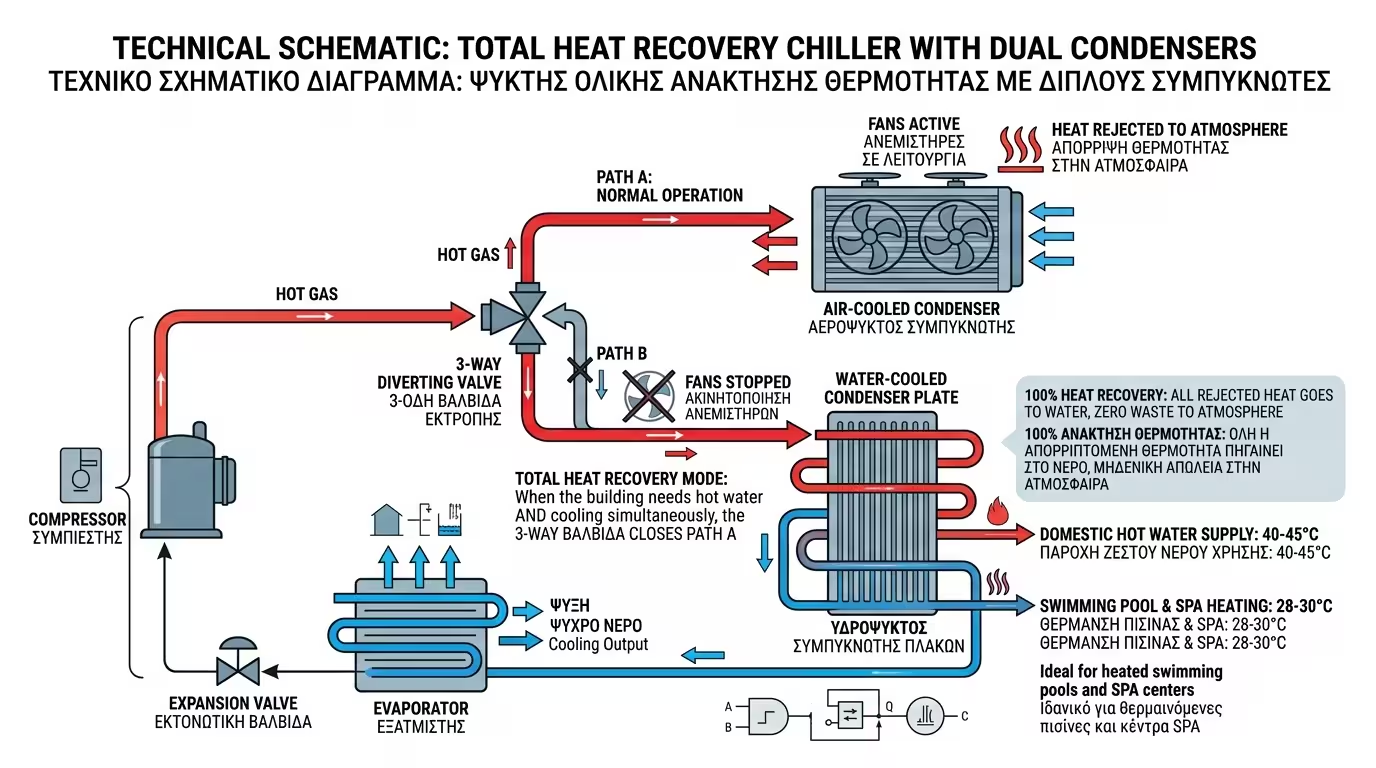
What if we want to exploit all the rejected heat? Total heat recovery chillers feature a second, parallel water-cooled condenser. Instead of dumping heat into the air via fans, the machine closes the valve to the fans and routes ALL the hot refrigerant through the water heat exchanger.

Total heat recovery – second water-cooled condenser replaces the air-cooled fans

♻️ 100% recovery

100% of the rejected heat is recovered. The water produced is "warm-hot" (~40°C–45°C). Ideal for hotels with heated pools or SPA centres - the chiller cools the rooms while simultaneously maintaining the large pool at 28°C for free.

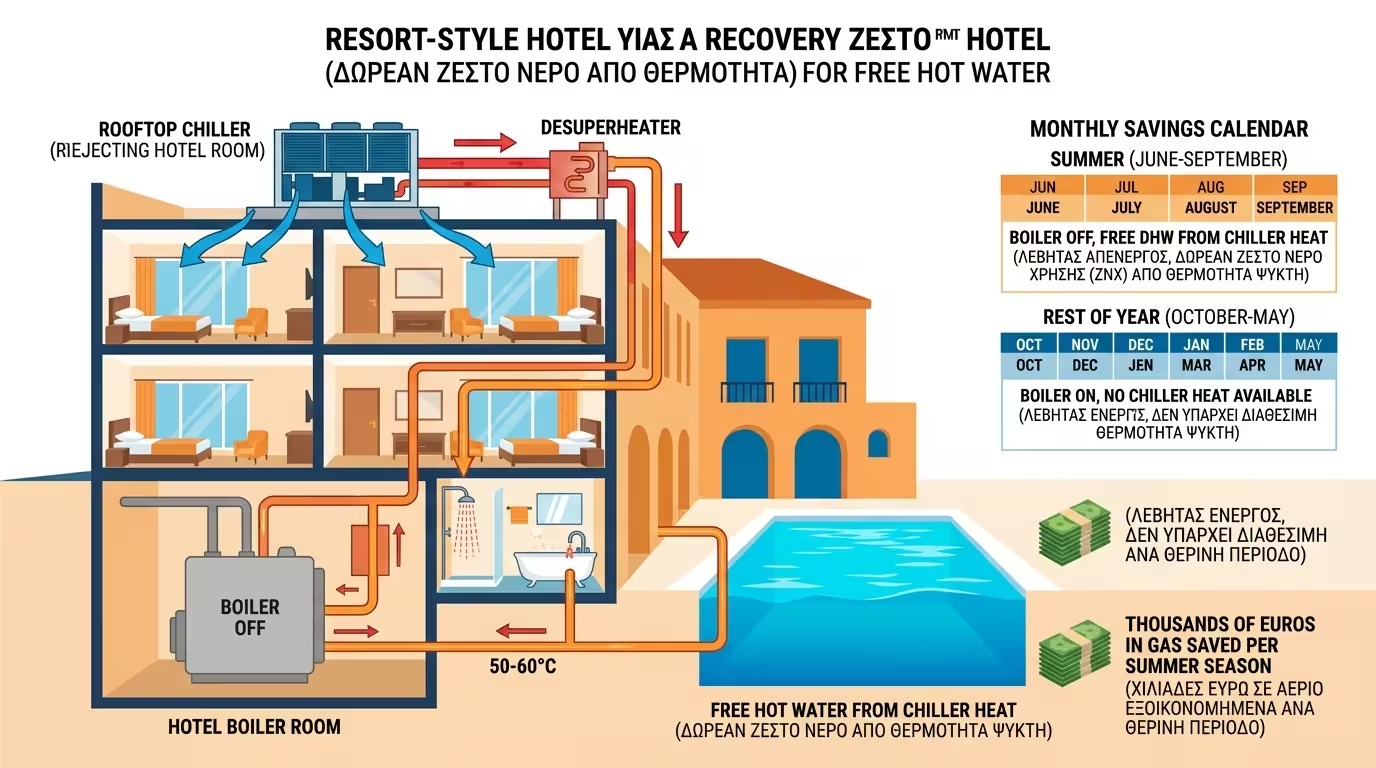
Free Hot Water in Practice: Hotels & SPAs

Every summer, the chiller runs at 100% to cool the rooms. Instead of dumping ALL that heat into the air, the Desuperheater (or total recovery unit) sends it to the boilers. Result: the gas boiler stays off for 3–4 months per year, saving thousands of euros in gas or heating oil. In a typical 100-room hotel, this translates to savings that significantly exceed the component's purchase cost.

Hotel with pool – free hot water from the cooling chiller in summer

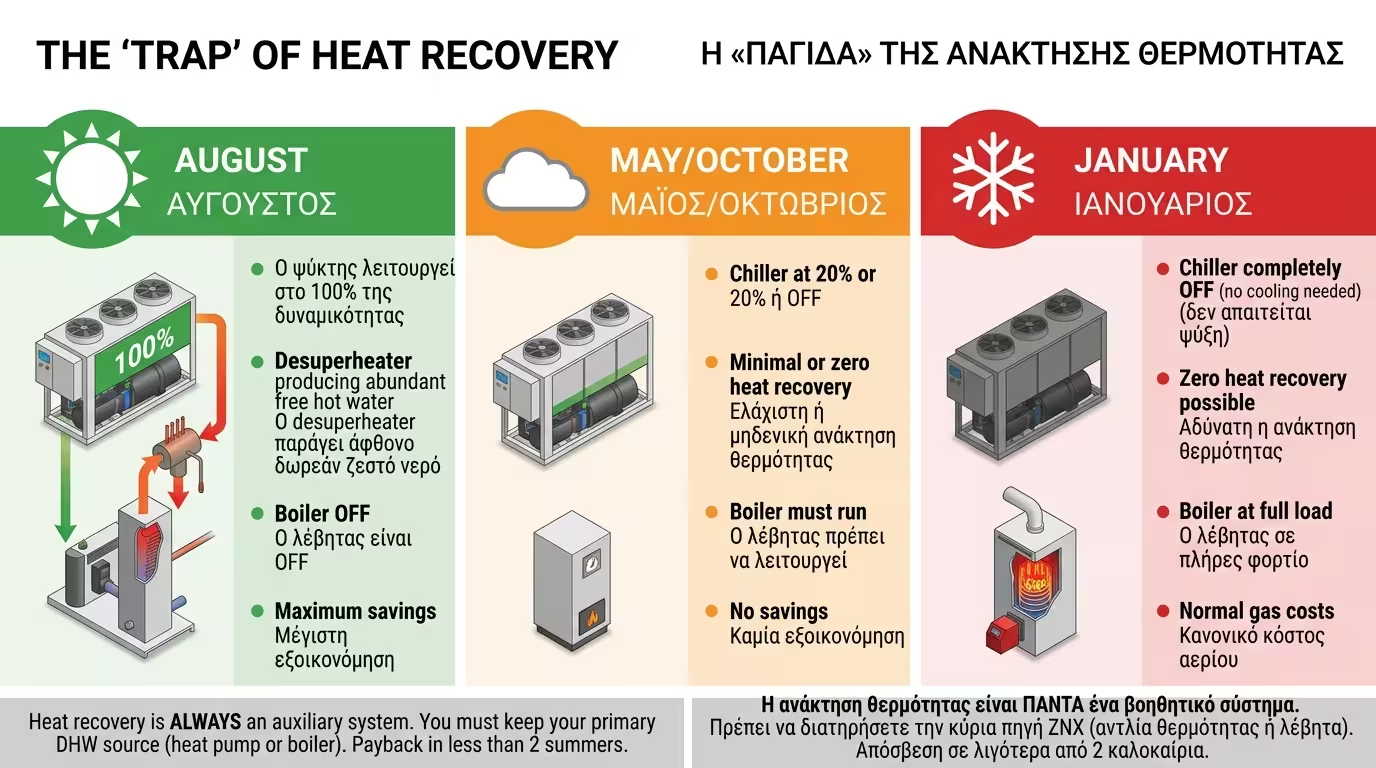
The "Trap" of Heat Recovery: What You Need to Know

Heat recovery – auxiliary system, payback in 2 summers

If it's so "magical", why don't we eliminate boilers entirely? To get free hot water, the building MUST be requesting cooling.

☀️ August = full recovery

The chiller runs at 100%. The boilers overflow with free hot water. The gas boiler stays off, saving enormous amounts of energy.

🍂 May / October = zero

The rooms don't turn on their ACs. The chiller is off. No rejected heat means no hot water produced at all. The primary source (heat pump or boiler) takes over completely.

🔑 Auxiliary system

Desuperheaters always operate as auxiliary systems. You still need a primary DHW source. But during the 3–4 hardest summer months, you save thousands of euros.

✅ Final summary

Adding a Desuperheater slightly increases the initial purchase cost of the machine, but in installations with high DHW demand (such as hotels and hospitals) the payback takes less than 2 summers. It is the very definition of circular, green engineering.

Related Articles

Cooling Energy Production & Air Conditioning

Return to category.

Go to category

Preview