Cool Roofs & Green Roofs: Dropping the Roof Temperature by 20°C

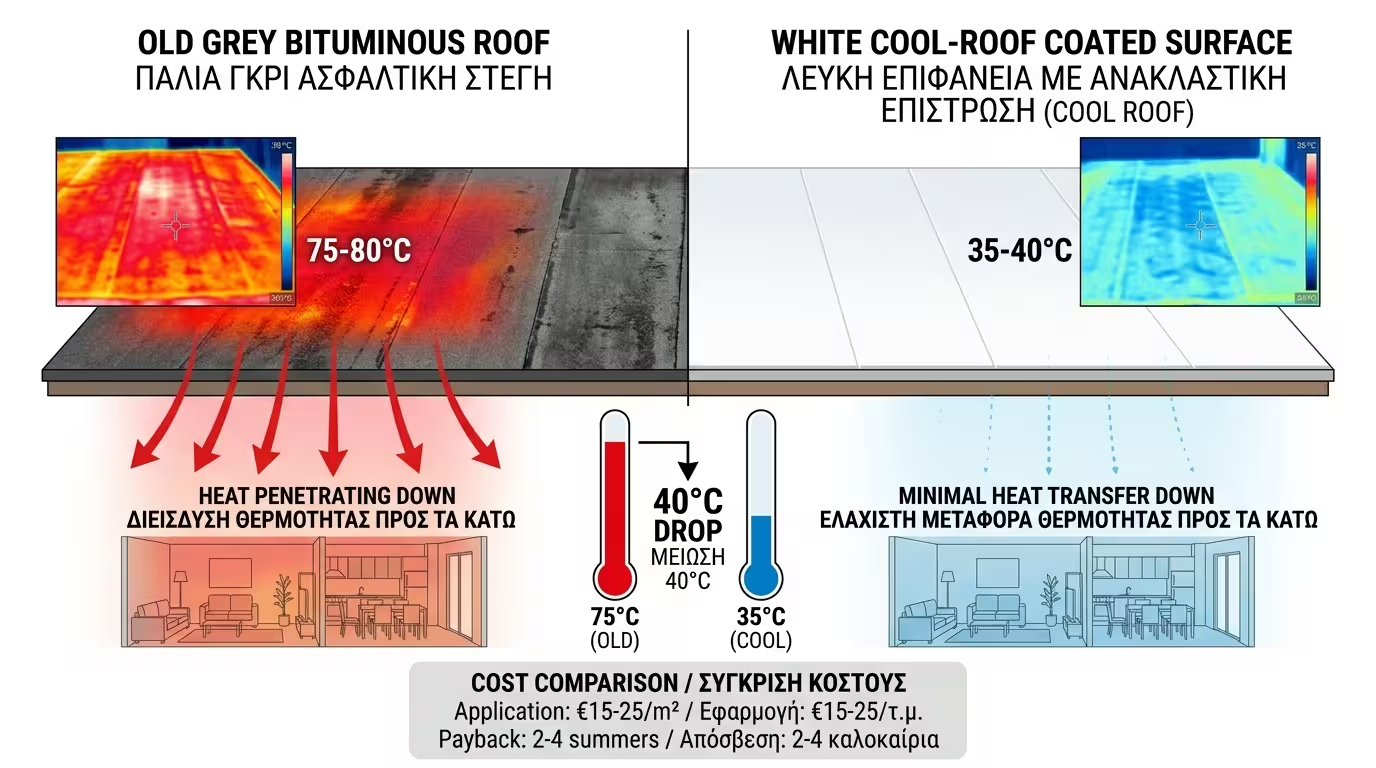
The roof terrace is the largest, continuous surface of a building that is mercilessly exposed to the midday sun. A typical grey bituminous membrane or bare concrete on your roof, on an August midday during a heatwave, isn't just hot - it's "boiling". Its surface temperature can easily reach 75°C to 80°C.

This enormous heat doesn't stay there. It gradually passes through the concrete slab (thermal mass) and begins radiating downward, directly onto the heads of those living on the top floor. Classic thermal insulation (polystyrene panels) is essential, but bioclimatic design proposes solving the problem at the source.

Cool Roofs: The "Magic" of Reflectivity

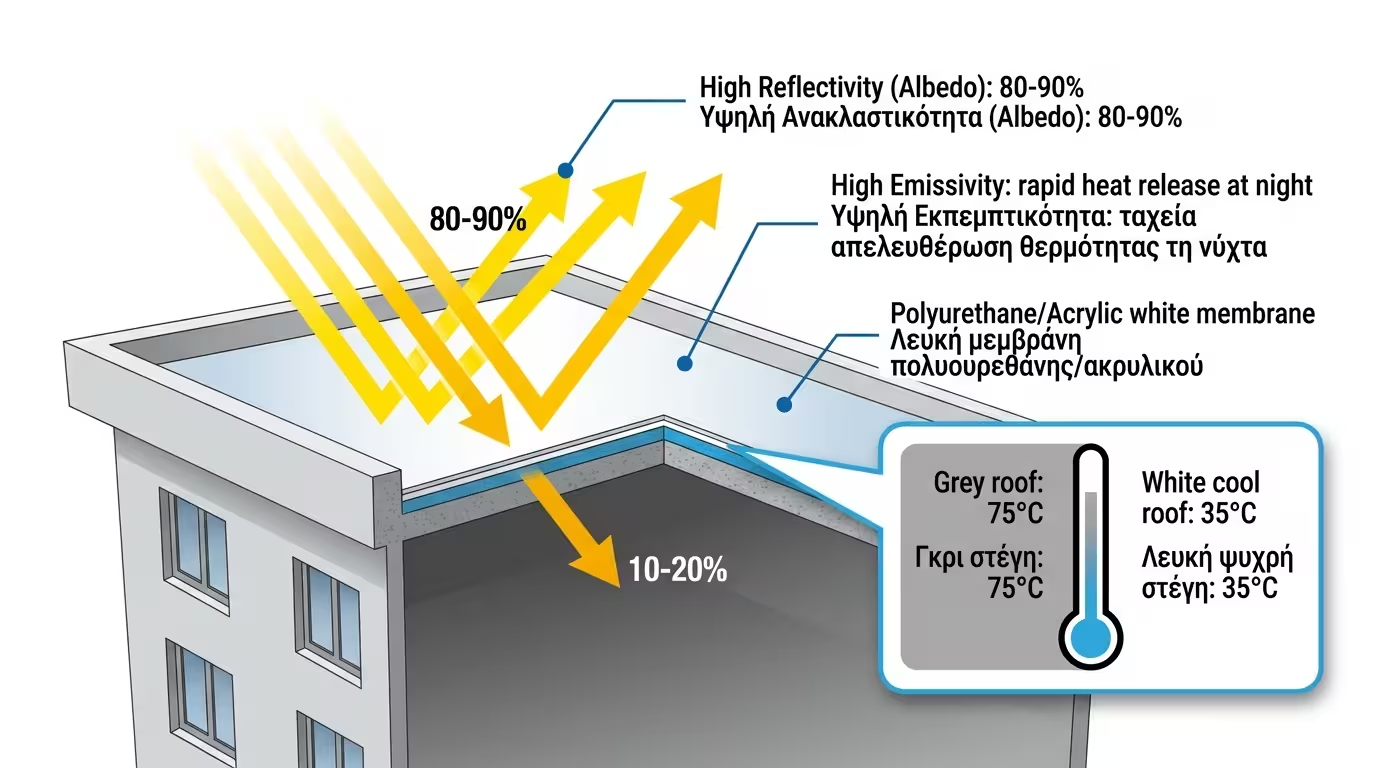
The most immediate, affordable and spectacular solution is applying "Cool Materials" - special, brilliant-white coating membranes (polyurethane or acrylic) or dedicated white tiles. They are called "cool" not because they contain a built-in fridge, but because they possess two exceptional physical properties that make them act as a shield against heat. This technology has been certified by the National Observatory of Athens and is widely used on public buildings and schools across Greece.

Cool roof material white terrace – high reflectivity albedo, reflects 80-90% of solar radiation

☀️ High Reflectivity (Albedo)

Being brilliant white and made from specialised polymers, they function as mirrors. They reflect 80% to 90% of solar radiation straight back into the sky before it has time to convert into heat. The energy literally bounces off the surface without being absorbed.
🌡️ High Thermal Emissivity

Even the small fraction of heat that does warm them, these materials "dump" rapidly back into the atmosphere (especially at night), preventing the slab from becoming incandescent. This combination of reflection and emission makes them exceptionally efficient.

The Result: 75°C vs 35°C

While your neighbour's old, grey roof "bakes" at 75°C, your white cool-roof terrace won't exceed 35°C to 40°C. We're talking about a colossal drop in surface temperature, translating directly into immediate relief for the penthouse floor and a dramatic cut in air-conditioning bills.

Roof temperature comparison – grey 75 degrees vs white cool roof 35 degrees

💰 Application cost

Applying a cool material costs €15–25/m², depending on the product (polyurethane membrane or acrylic coating). For a typical 80 m² roof, the investment ranges between €1,200 and €2,000. Payback typically occurs within 2–4 summers via reduced electricity bills.

🔧 Application

The material is applied on top of the existing waterproofing (if in good condition) with a roller or spray gun. No structural interventions required. The work is completed in 1–2 days and the building can be used immediately afterwards. Durability is typically 10–15 years before renewal is needed.

Green Roofs (Vegetated Rooftops): The Living Roof

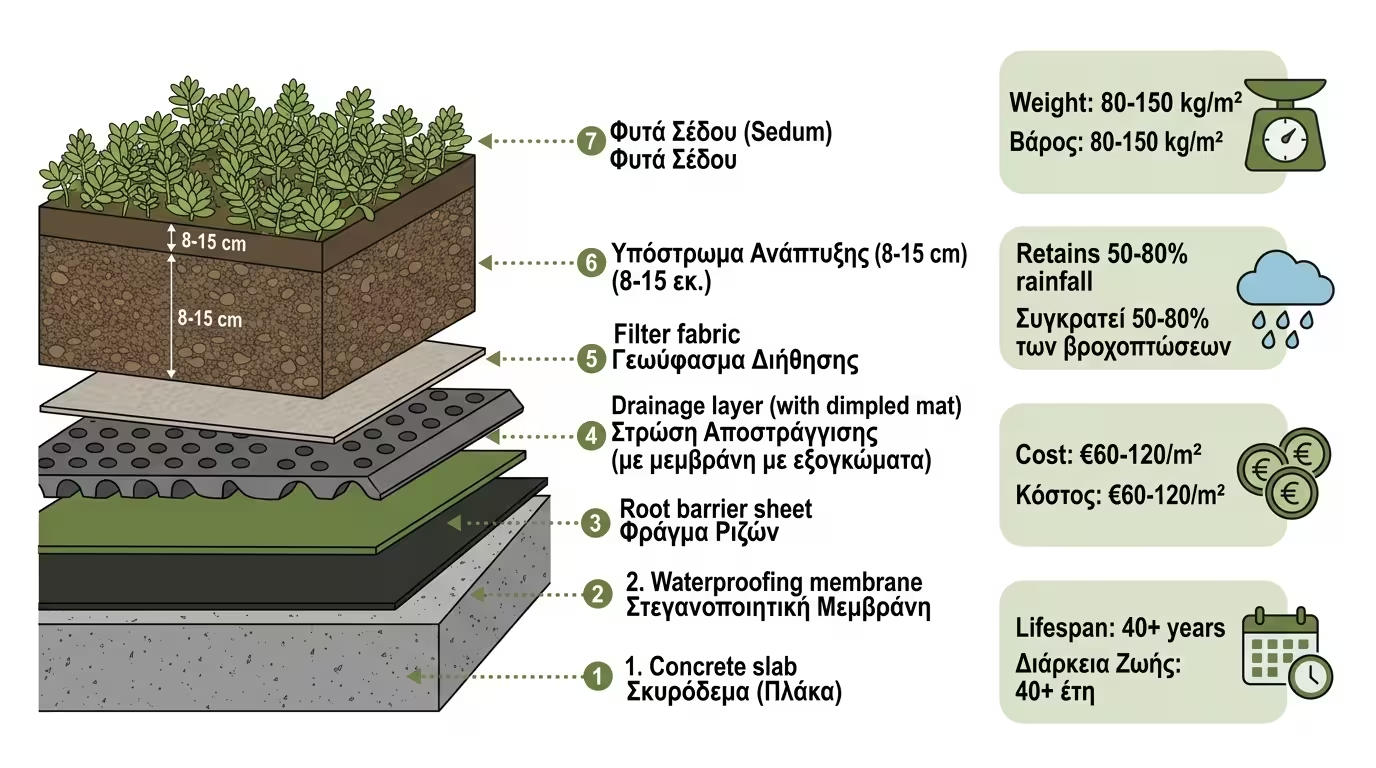
If you want to take your roof to the next architectural and energy-performance level, the solution is to turn it into a garden. A Green Roof is built in layers: waterproofing → root barrier → drainage layer → growing substrate → plants (usually Sedum, an extremely hardy plant that requires minimal water).

Green roof vegetated rooftop – Sedum layers, drainage, root barrier, insulation

🌿 How it works

The sun strikes the foliage, which reflects part of the radiation. Water in the substrate evaporates (evaporative cooling), absorbing enormous amounts of heat. The plants remove CO₂ and improve the atmosphere, while the concrete slab "never sees the sun", keeping the top floor cool.

🌧️ Stormwater management

The vegetated roof retains 50–80% of rainfall, reducing the risk of urban flooding. It functions as a "sponge": absorbs water, stores it, and releases only the surplus slowly through drainage.

⚠️ Cost & structural adequacy

The cost is higher (€60–120/m²) and requires a structural adequacy study, as the additional weight can reach 80–150 kg/m² (extensive type). However, the lifespan exceeds 40 years and the property value increases significantly.

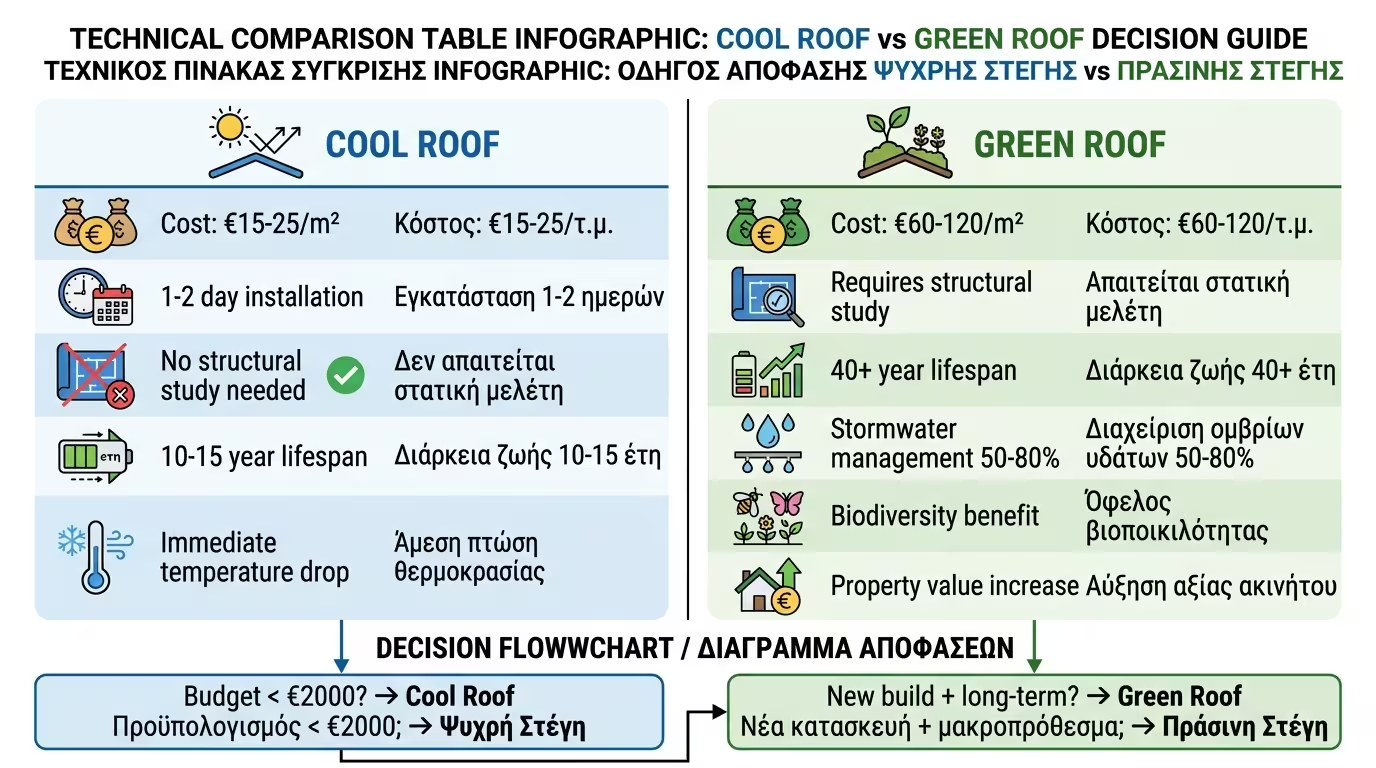
Cool Roof or Green Roof? The Decision Guide

Choosing between cool roof and green roof – cost, result, lifespan comparison

Which solution best fits your building? The answer depends on budget, the structural capacity of the slab and the desired level of thermal protection. Either way, both solutions are a massive upgrade compared to a bare, grey rooftop.

🔵 Cool Roof: The quick solution

Ideal for tight budgets, existing buildings without a structural study and anyone wanting instant results. Applied on top of the existing waterproofing without structural changes, completed in 1–2 days.

🟢 Green Roof: The premium solution

Ideal for new builds or major renovations with a long-term horizon. Offers multiple benefits beyond cooling: aesthetic improvement, sound insulation, biodiversity, stormwater management and increased property value.

🔗 Next step

If you're seeking even greater savings without machinery, there's a technique that harnesses the stable ground temperature: Earth-to-Air Heat Exchangers. Free pre-cooling (or pre-heating) of air through underground pipes. Read the next article.

Related Articles

Cooling Energy Production & Air Conditioning

Return to category.

Go to category

Preview