Cooling Towers: How They Work, the "Smoke" Myth and Water Management

As we saw in the previous article, water-cooled chillers cool the building but themselves overheat dramatically. To avoid failure, they send all that unwanted heat into a water circuit. This hot water (~35°C) travels through pipes to the roof, where it meets the Cooling Tower.

The Cooling Tower is essentially the building's "evaporator". Its sole job is to take this hot water, reduce its temperature (e.g. to 29°C) and send it back to the basement. Let us see how it works, why it appears to "smoke" and why its maintenance is strictly enforced by law.

The Operating Principle: The Magic of Evaporation

Nature has a perfect cooling mechanism: evaporation. When we perspire in summer, the breeze evaporates the sweat, absorbing heat and cooling us. The Cooling Tower does exactly the same thing.

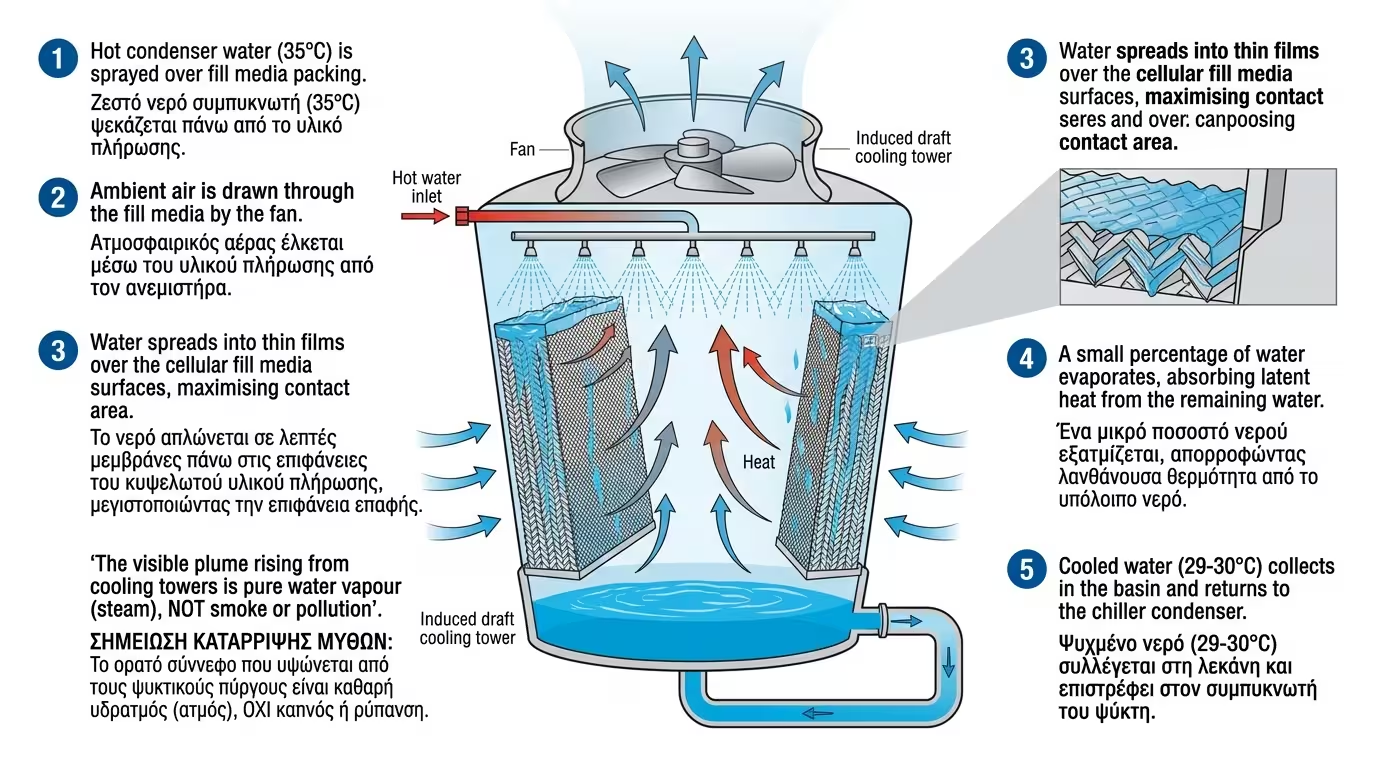
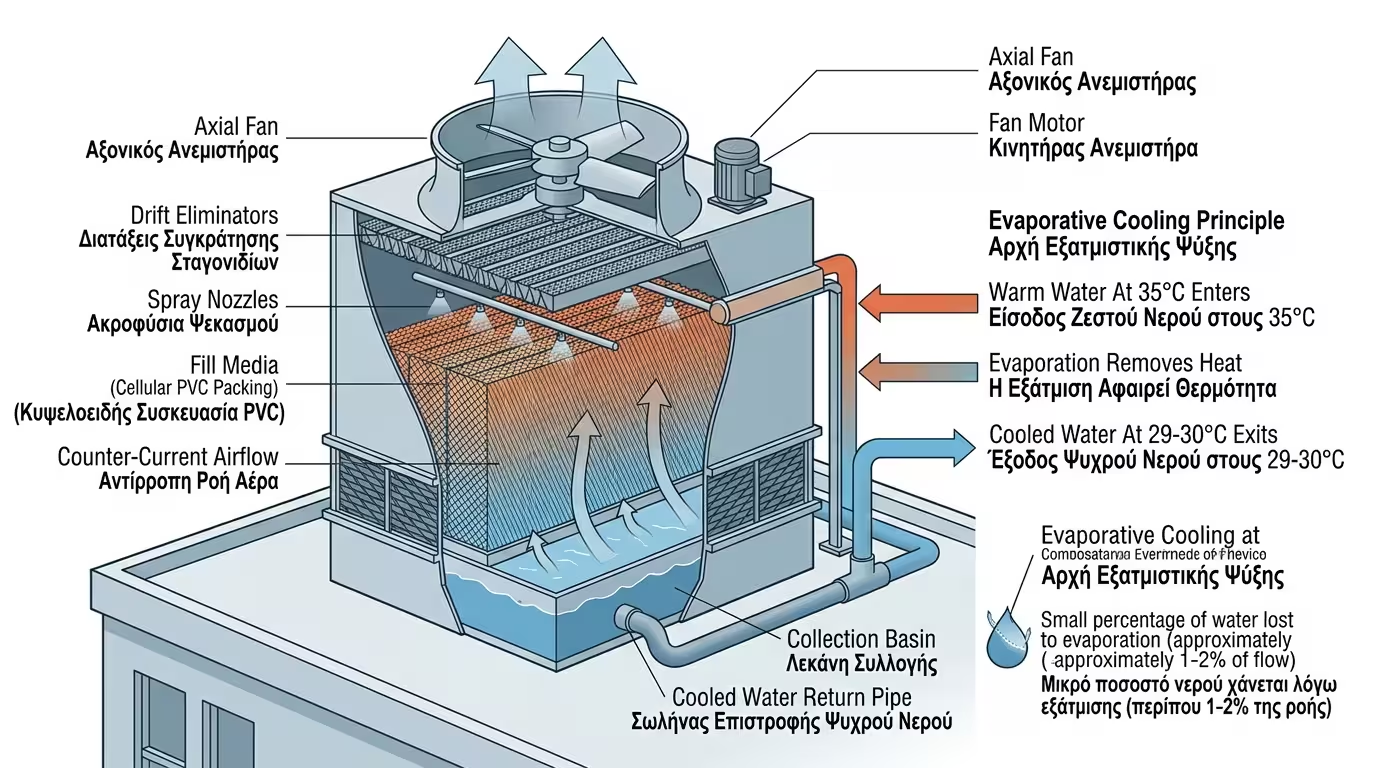
Cooling tower operating principle – evaporative cooling, fill media cells, water spray

💧 1. The spray

Hot water (35°C) reaches the top of the tower and is sprayed like rain through special nozzles. It falls onto cellular plastic grids (Fill Media) that break the water into millions of microscopic droplets, dramatically increasing the contact surface area.
💨 2. The fan

A massive fan draws in fresh, dry ambient air and forces it through this "rain" in a counter-flow direction (from bottom to top), maximising heat transfer between air and water.

❄️ 3. The cooling

As the air meets the droplets, approximately 1–2% of the water evaporates instantly. This evaporation "steals" the heat! The remaining 98% falls cold (at 29°C) into the tower basin and returns to the chiller.

The "Smoke" Myth (The Plume Phenomenon)

One of the most common concerns of neighbours, especially on cold days, is the dense white "smoke" emerging from the tower. It is not smoke, it is not exhaust and it contains no pollutants.

Cooling tower on a rooftop with white vapour plume – not smoke, just condensed water vapour

☁️ Condensed water vapour

The air exiting the tower is warm and 100% saturated with humidity. When it collides with the cold ambient air, the moisture condenses instantly, creating a visible cloud - exactly like your breath on a freezing day. It is entirely harmless.

Water Management: The War Against Scale

Since the tower continuously evaporates water, a problem arises: The water evaporates, but the dissolved minerals stay behind. Without proper management, scale deposits petrify on the pipes.

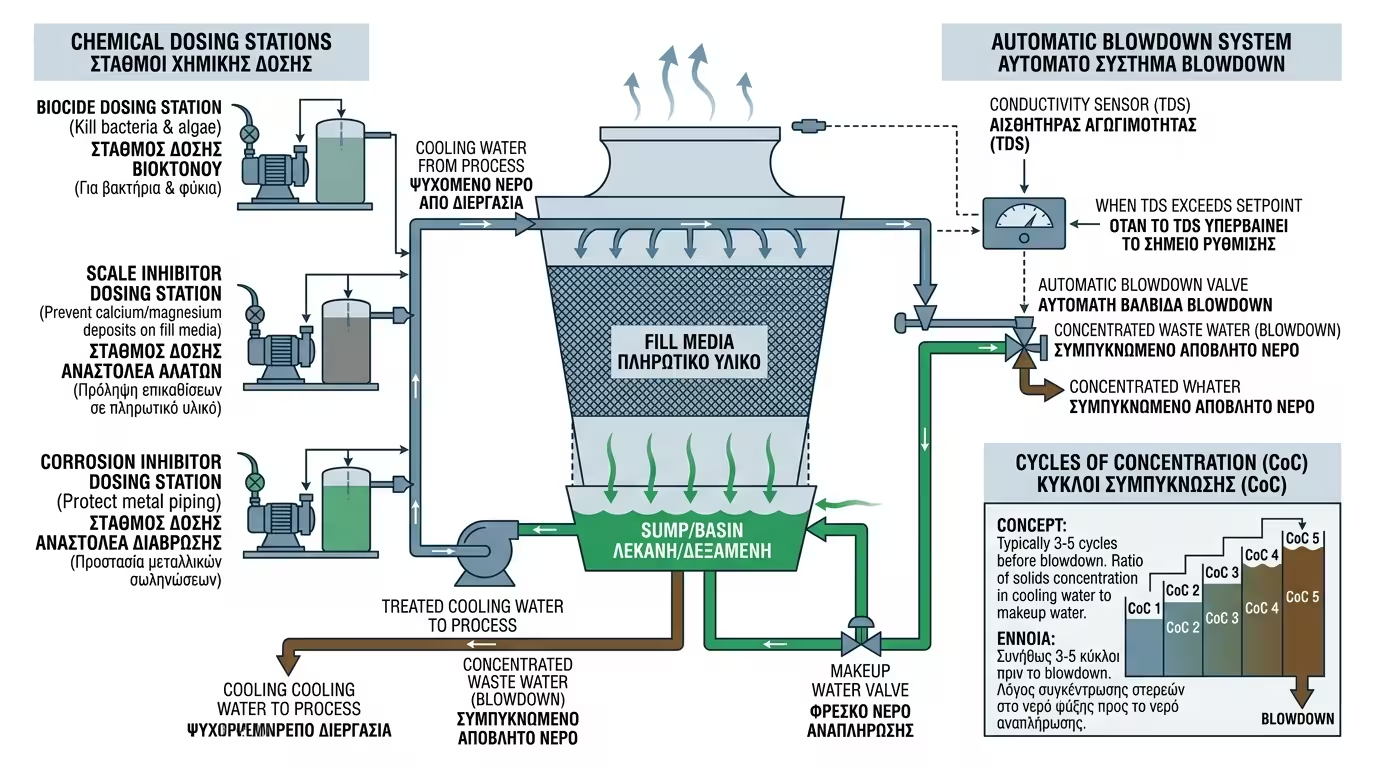
Cooling tower water treatment – blowdown valve, chemical dosing pump, anti-scale agents

🚰 Automatic Blowdown

A solenoid valve opens regularly and dumps a quantity of the "concentrated" dirty water into the drain, preventing mineral build-up from exceeding the acceptable conductivity threshold.

💧 Make-up Water

Fresh water from the mains enters the system to replace both the evaporated water and the blowdown discharge. This water consumption represents a significant operating cost.

⚗️ Chemical Dosing Pumps

Small pumps automatically inject corrosion inhibitors and anti-scale agents, keeping the pipes clean and preventing scale deposits on the heat exchangers.

The Legionella Nightmare (Strict Legislation)

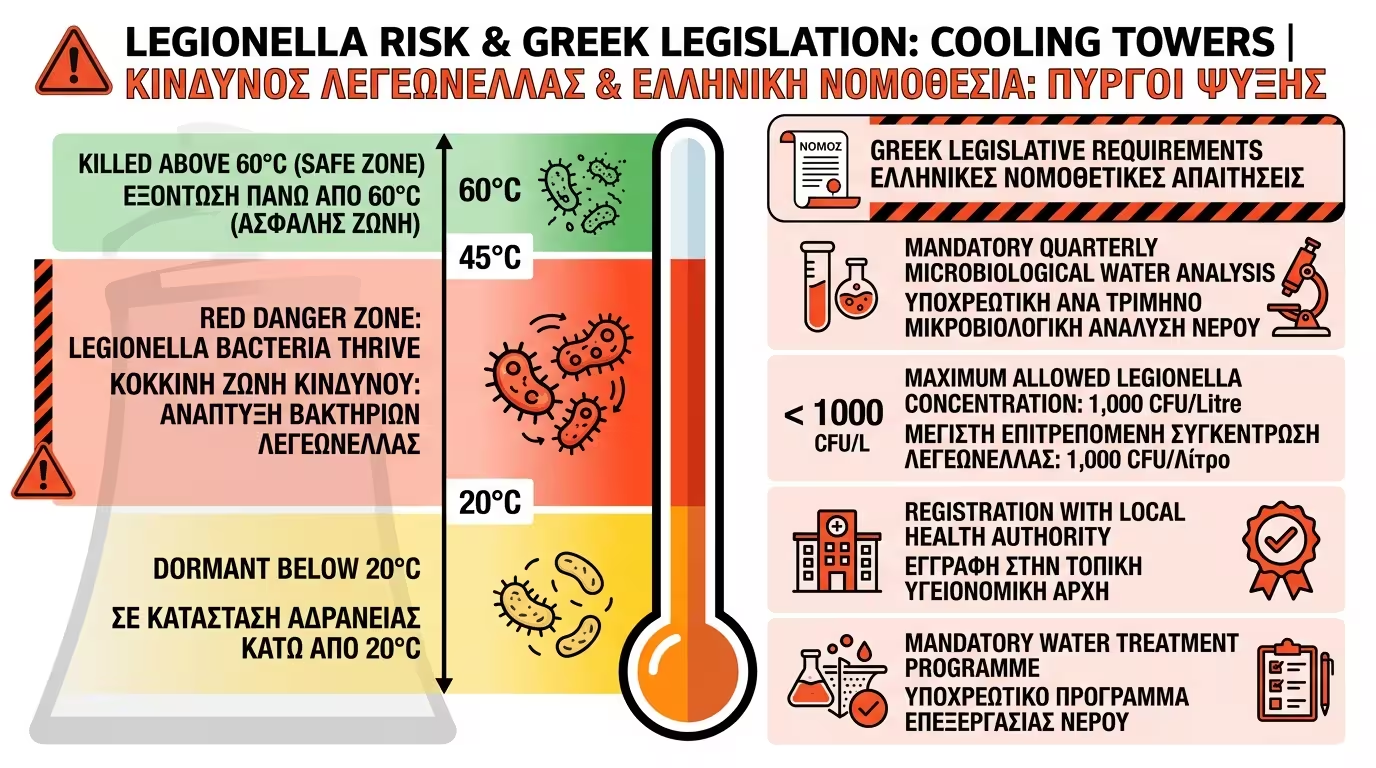
Legionella legislation – microbiological water analysis, chlorination of cooling towers

The water at the base of a cooling tower (~30°C, rich in oxygen) is the ideal environment for Legionella bacteria. The massive fan can disperse contaminated droplets over a radius of several kilometres.

📜 The legislation

Greek and European legislation is uncompromising: An automatic chlorination (or biocide dosing) system running 24/7 is mandatory, along with regular mechanical cleaning of the basin and compulsory monthly chemical and microbiological water analyses at certified laboratories.

⚠️ Why so strict?

The largest Legionnaires' disease outbreaks worldwide have originated from poorly maintained cooling towers. Contaminated aerosol droplets are carried by the wind and can be inhaled by pedestrians several kilometres away.

✅ Final summary

Cooling Towers are engineering marvels that cool enormous buildings economically. But they are not "set and forget" equipment. They require serious water management, correct chemical usage and scrupulous adherence to hygiene regulations.

Related Articles

Cooling Energy Production & Air Conditioning

Return to category.

Go to category

Preview