
Underfloor Heating Layering (Wet Build).
What lies beneath your floor? A guide to the material layers: vapour barrier, thermal insulation panel with studs, pipe and thermal screed.
Read more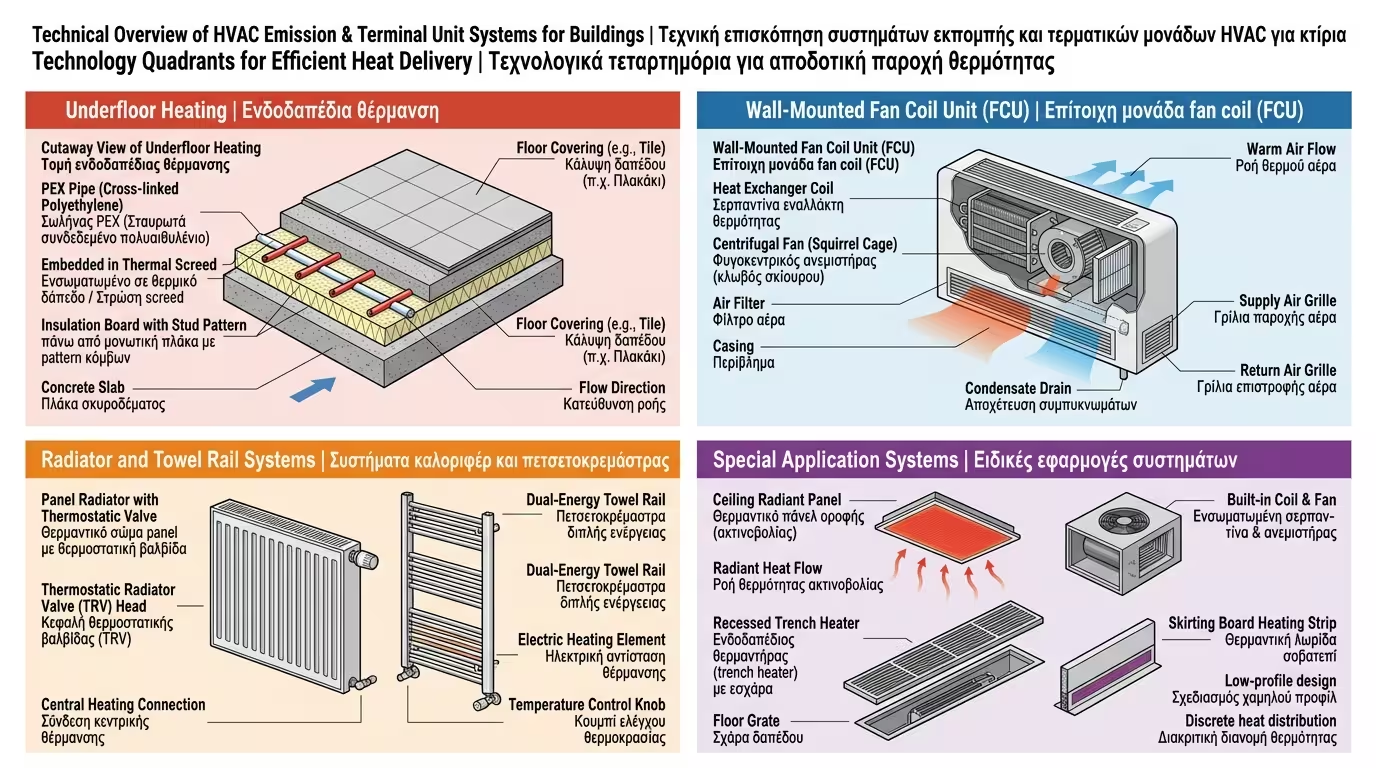
The energy your heat pump or boiler produces is completely useless if it is not properly transferred into your space. Emission systems (or terminal units) are the final stage of your building's climate control and the only part you "see" and feel.
In this section, we dive into the construction secrets of ultimate comfort: from the layering of ideal underfloor heating, to the correct sizing of classic radiators and the selection of silent fan coils. Discover which system suits your space and budget.
Rightly considered the top choice for new homes, offering ideal temperature distribution and complete freedom in architectural design. Let us look step by step at its construction, from the concrete slab to the final tile, preventing the most common construction errors.
What lies beneath your floor? A guide to the material layers: vapour barrier, thermal insulation panel with studs, pipe and thermal screed.
Read moreHow much cement should go above the pipe? Learn about ideal mechanical strength, thermal conductivity, and why plain concrete is never used in underfloor systems.
Read more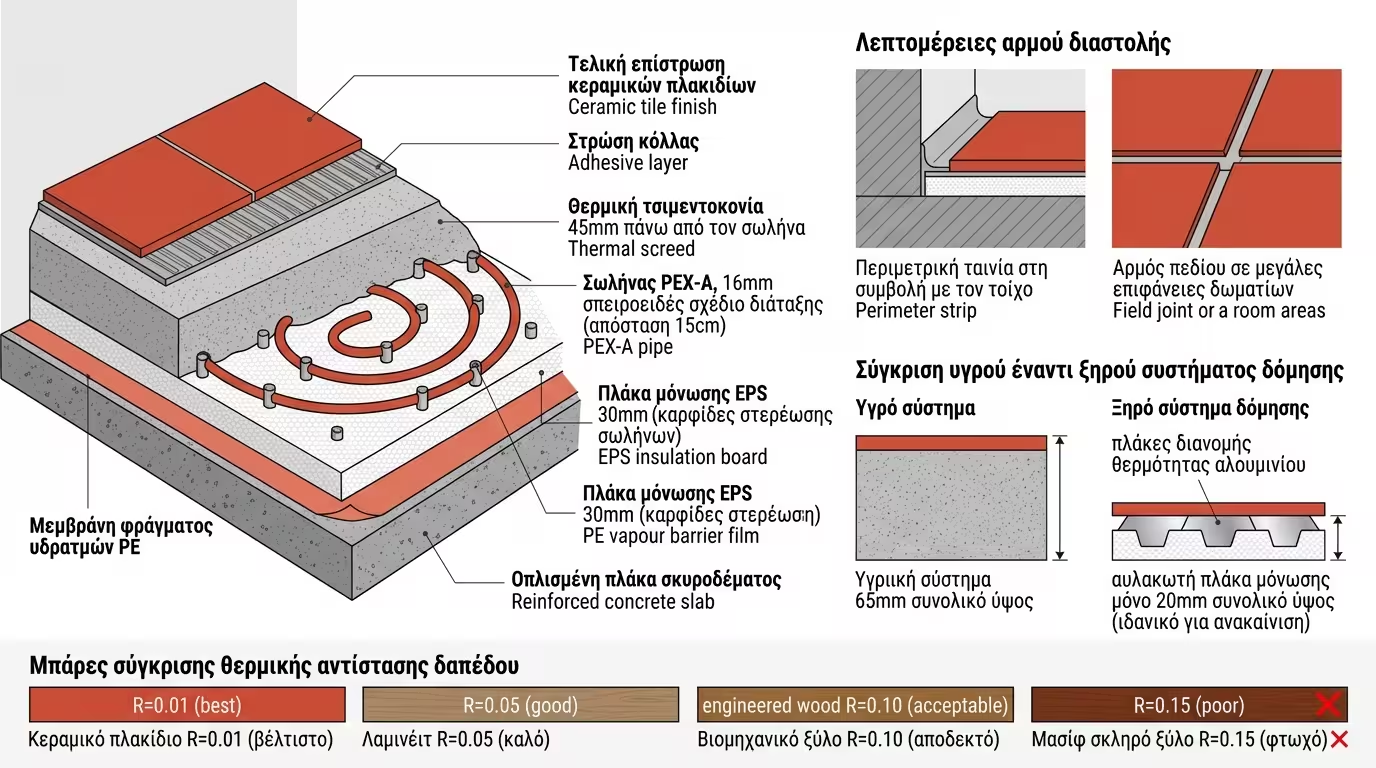
The number 1 danger for floors. The critical importance of perimeter strips, field joints and how the builder protects the final flooring.
Read moreThe perfect solution for renovating older apartments. Minimal height (from 2cm), zero weight on the slab and immediate heat output.
Read moreWhen do we space the pipe at 10, 15 or 20 centimetres? Design guide and why we densify at large patio doors to "cut" the cold.
Read moreWhy do floors "sweat" in summer? How humidity sensors work and why using dehumidifiers (or local FCUs) is mandatory.
Read moreWhich material is allowed above underfloor heating? See how each material's thermal resistance affects - and often reduces - the system's final performance.
Read moreThe powerful alternative to the classic air conditioner, using chilled or hot water instead of refrigerant. Fan coils offer immediate output, enormous cooling capacity and ideal pairing with heat pumps, in both residential and commercial spaces.
Basic principles. How this device exchanges water heat with room air, providing cooling, heating and dehumidification.
Read moreComparative guide. What to choose based on architectural aesthetics, available height (for false ceilings) and total installation budget.
Read more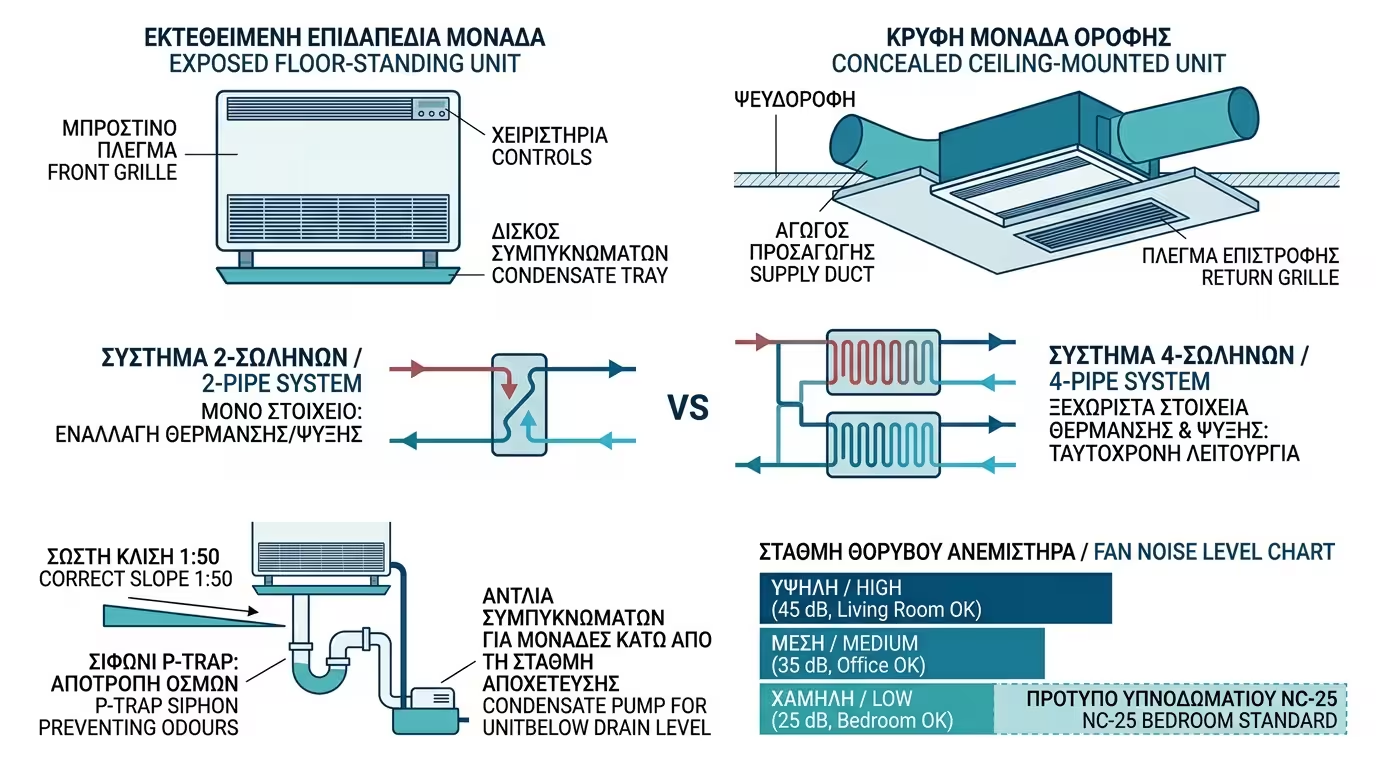
Technical network analysis. How advanced 4-pipe systems work, allowing simultaneous cooling in one room and heating in another.
Read moreFCUs produce a lot of water during cooling. Everything the plumber needs to know about correct slopes, traps (odour prevention) and condensate pumps.
Read moreHow to correctly read technical data sheets. Why in bedrooms the only value that matters is noise at Low Speed.
Read moreThe most recognisable heating system is being modernised. Older radiators are giving way to new, more efficient units that must work with modern low-temperature heat pumps.
Material comparison guide. We analyse advantages, thermal inertia and response speed of each material in your space.
Read moreThe "low temperature" secret. Why if you remove the oil boiler you need much larger (or double) radiators to heat properly.
Read more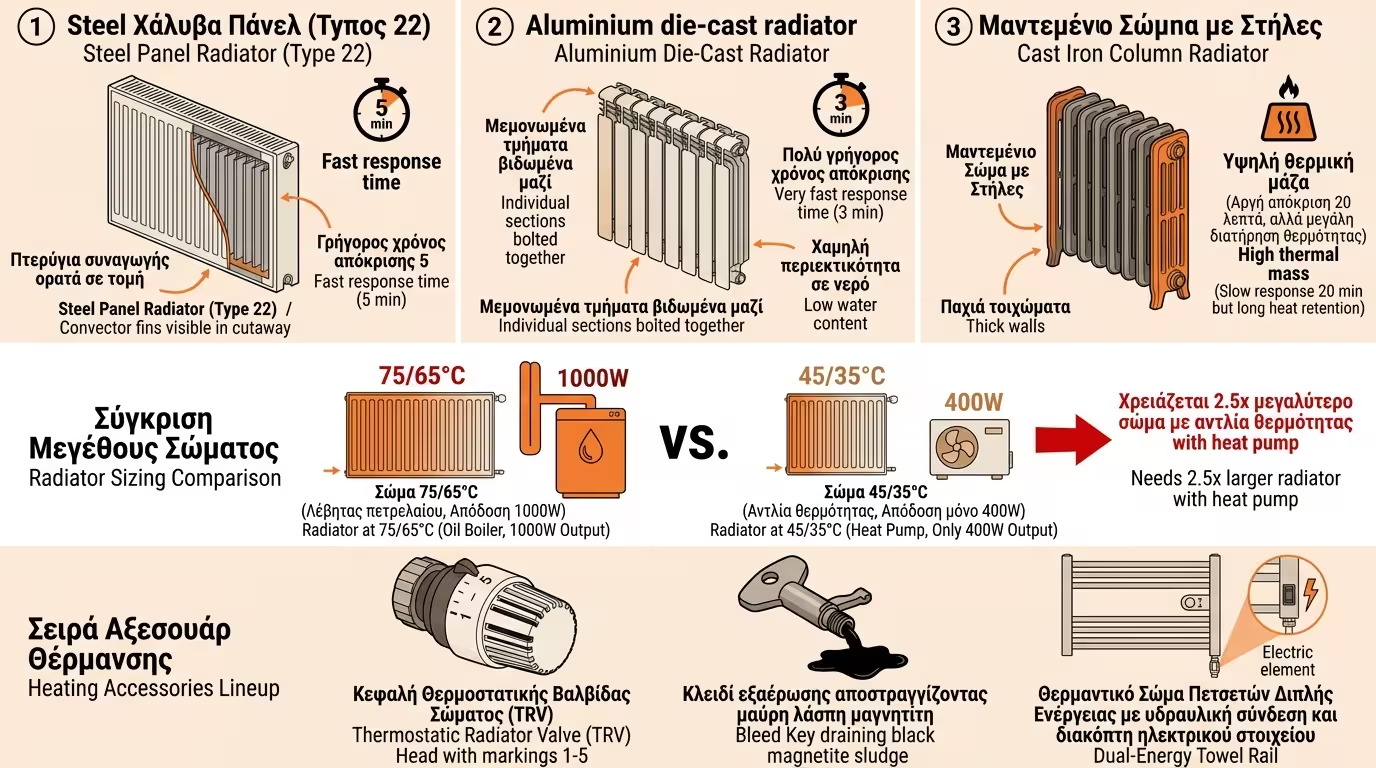
A DIY guide to installing thermostatic heads on your radiator valves and controlling consumption independently in each room.
Read moreStep-by-step bleeding guide. What it means if the water coming out is jet black and why this "sludge" destroys your network.
Read moreHow to install towel rails that connect to radiators in winter but also have an electric element for use in spring and autumn.
Read moreWhen traditional architecture is not enough, specialised solutions are called upon. Invisible systems, high-design or targeted radiation systems, ideal for huge glazed facades, listed buildings or specialised commercial spaces.
When underfloor heating "moves" to the ceiling or walls. An ideal solution for listed building renovations or spaces with expensive wooden floors we do not want to remove.
Read moreThe ultimate solution for luxury villas and commercial shops with huge, seamless glass facades that leave no sill space for radiator placement.
Read more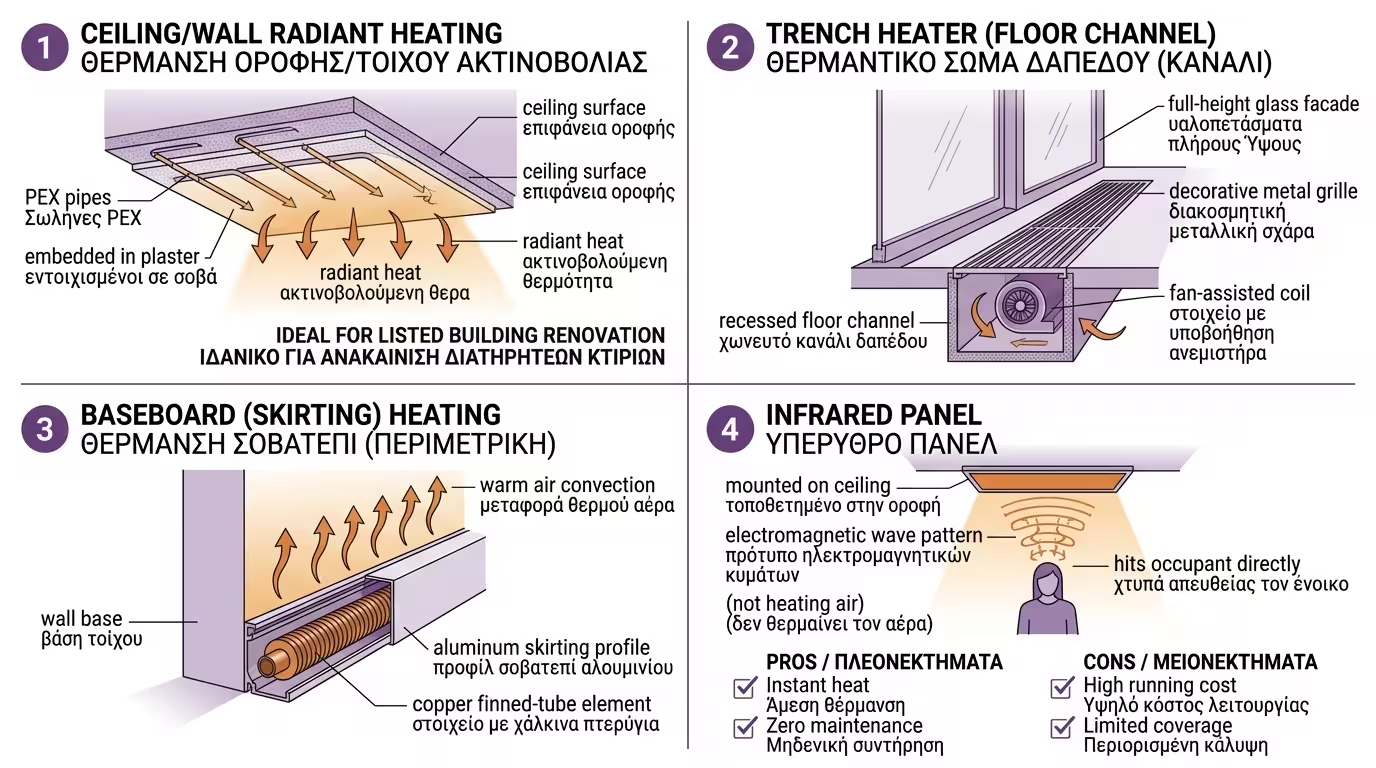
How perimeter heat emission at the base of the wall works. A lesser known but extremely elegant and discreet heating solution.
Read moreDo they have a place in the modern home? We separate aggressive marketing from real science, analysing where they have genuine application (and where they do not).
Read moreReturn to the full heating-cooling guide for energy production, hydraulic networks, ventilation, automation and energy design.
Go to guidePlanning a new installation or terminal unit replacement - contact us for expert guidance.
Contact Us