🔥 Winter
The Heat Pump enters "Heating Mode". It sends hot water (45°C) through the pipes. The entire home heats up via all Fan Coils simultaneously.
Imagine a large hotel on a sunny April day. The south-facing rooms are baking and guests turn on cooling. Simultaneously, the north-facing rooms are freezing and guests switch to heating.
How can the same central system deliver chilled water to room 101 and hot water to room 102 at the very same moment? The answer lies in the number of pipes. When buying a Fan Coil, one of the first technical questions is: 2-pipe or 4-pipe?
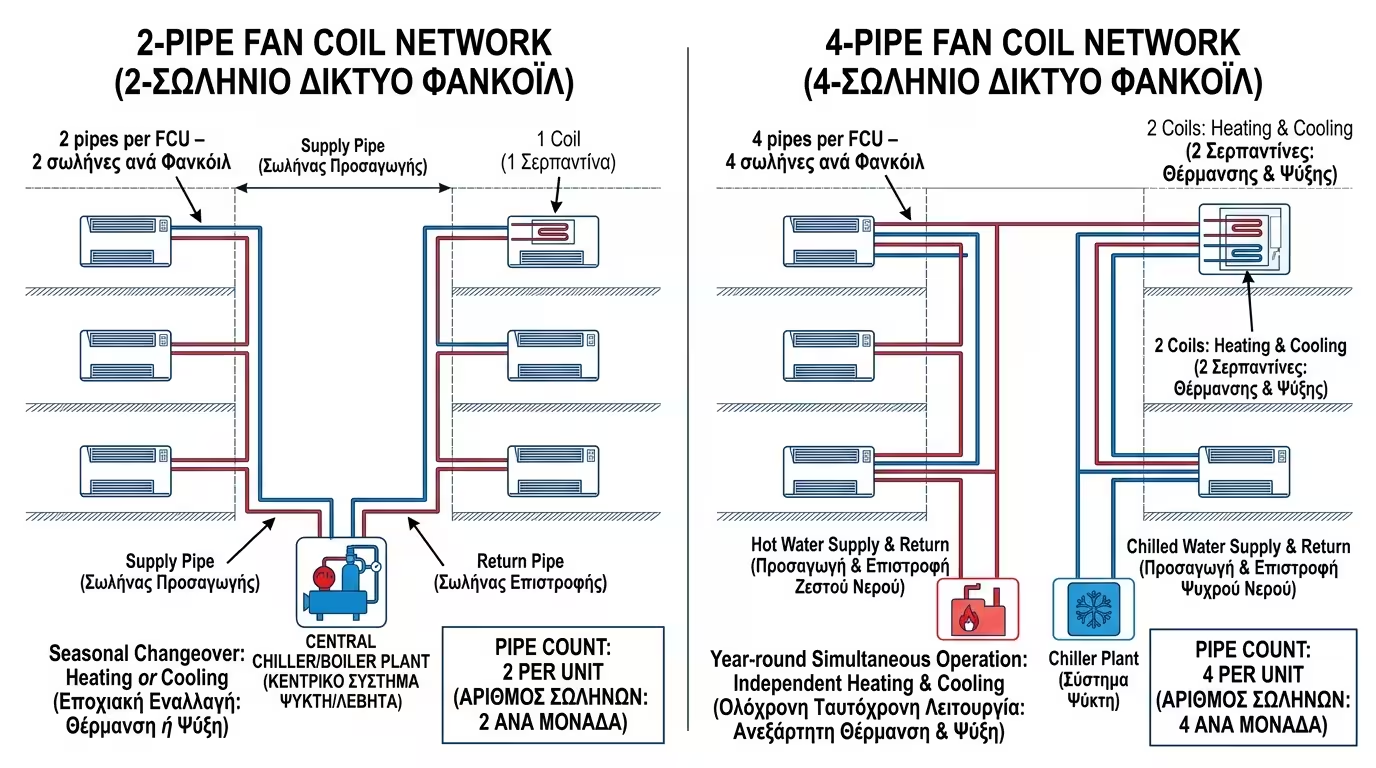
This is the standard choice for 99% of homes and apartments. The unit connects to the network with just two pipes: one Supply (bringing water from the Heat Pump) and one Return (sending water back). Inside the Fan Coil is a single coil (serpentine heat exchanger).
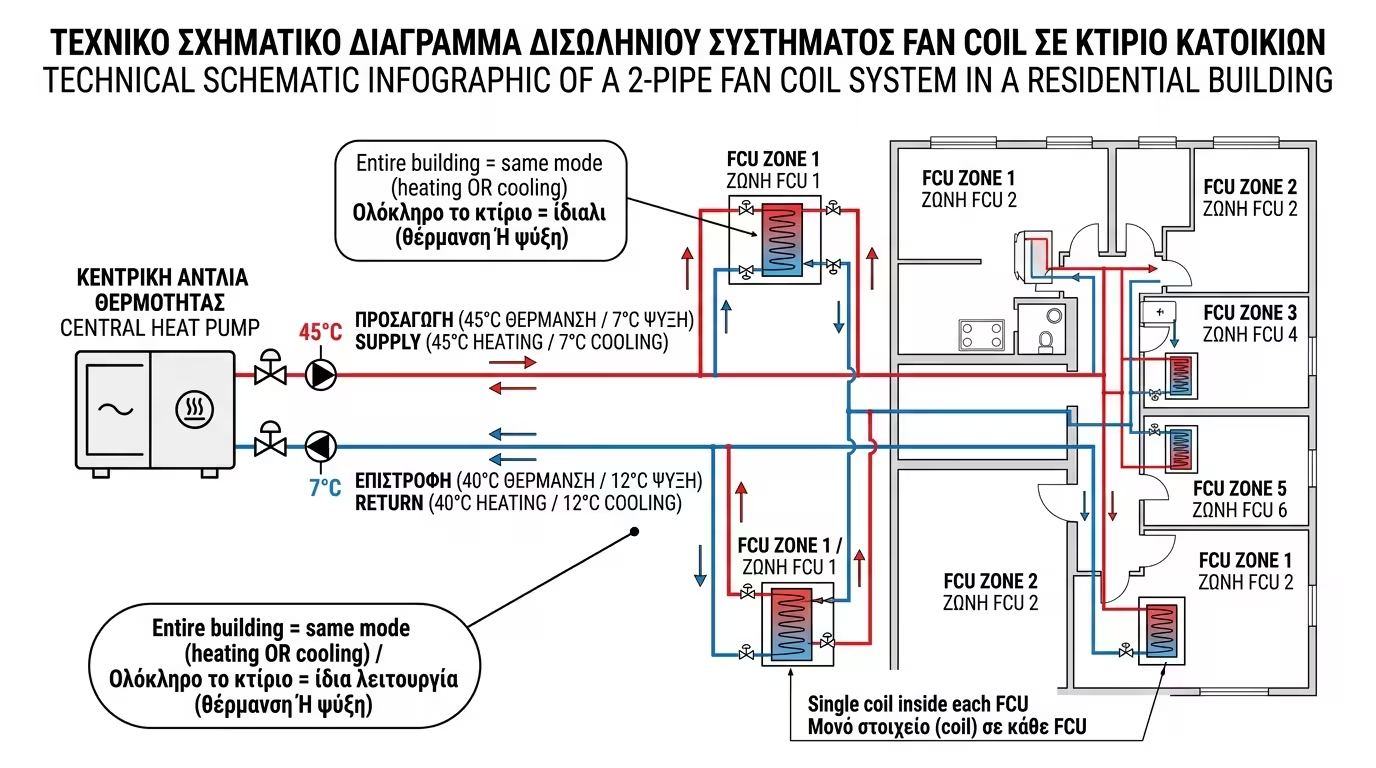
The Heat Pump enters "Heating Mode". It sends hot water (45°C) through the pipes. The entire home heats up via all Fan Coils simultaneously.
Press the button and switch to "Cooling Mode". Now the Heat Pump chills the water (7°C) and sends it through the exact same pipes. The entire home cools down.
Simple installation: only 2 pipes per Fan Coil. Low piping cost, fewer circulators, smaller plant room. Ideal for single-family homes and apartments.
The system is "seasonal on/off". You cannot have cooling in the living room and heating in the bedroom on the same day. The entire network contains either hot or cold water. For a house, this is fine. For a hotel or hospital - it is unacceptable.
This is the category for large commercial projects. To solve the "mid-season problem" (spring/autumn), engineers designed a system with two completely separate, parallel water networks inside the building: one permanently hot and one permanently chilled.
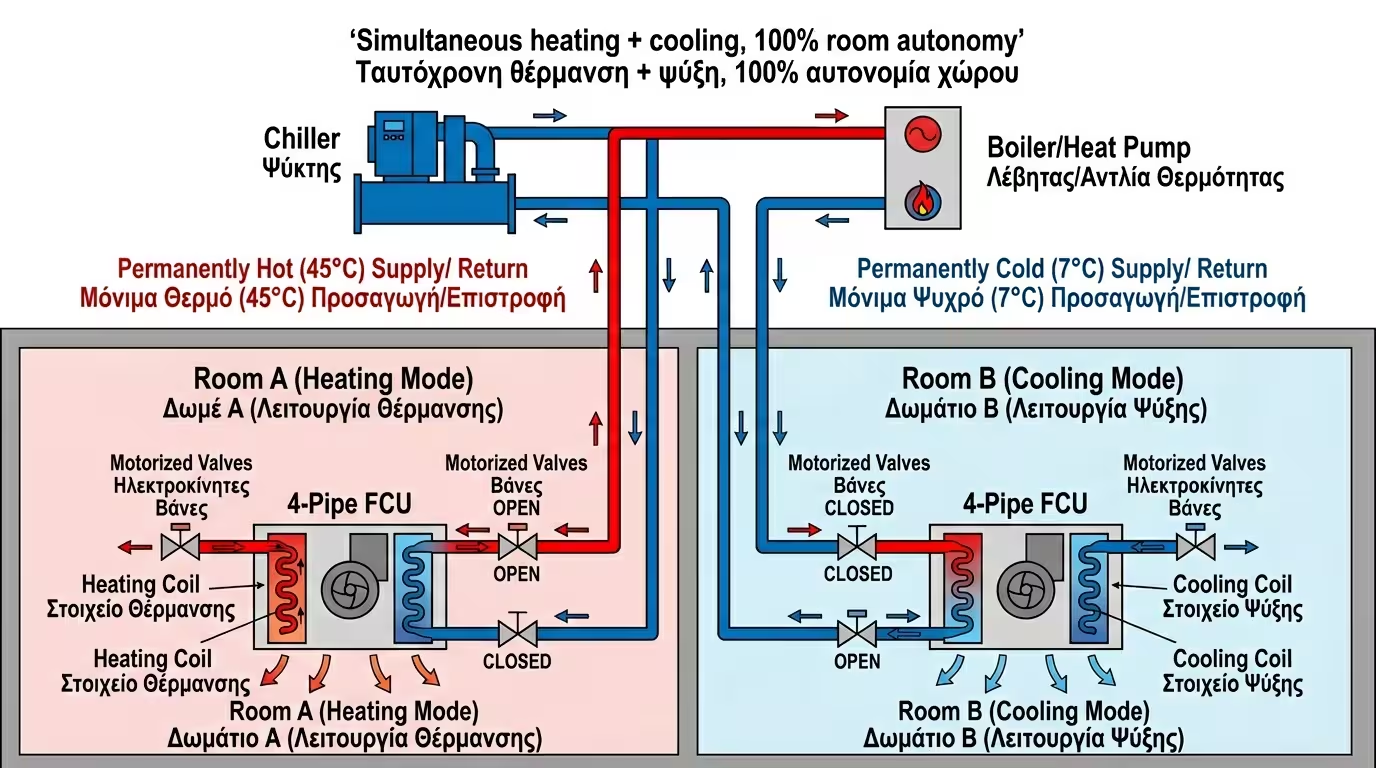
Each Fan Coil connects with 4 pipes: Hot Supply, Hot Return, Cold Supply, Cold Return. Inside the unit are two separate coils (or one dual coil) and two motorised valves.
The guest is cold and sets the thermostat to 26°C. The Fan Coil's controller opens the hot valve. Hot water fills the "warm" coil, the fan blows, the room heats up.
At the same time, the guest next door is warm. Their Fan Coil keeps the hot valve closed, opens the cold valve. Chilled water fills the "cold" coil - fresh coolness!
Neither water circuit mixes with the other. The loops are completely independent. Each room has 100% autonomy - heating or cooling any day of the year.
The freedom of simultaneous heating/cooling comes at a cost. A 4-pipe system costs nearly double to construct compared to a 2-pipe system.
You need twice the length of pipes inside the building. Each Fan Coil requires 4 pipes instead of 2 - meaning twice the wall penetrations, twice the insulation and twice the circulators.
You need two energy sources: one for heating (boiler or heat pump) and one for cooling (chiller or reversible heat pump). Alternatively, advanced 4-pipe Heat Pumps with heat recovery.
4-pipe units are larger and costlier due to dual coils, dual valves, and more complex electronic control (2 thermostats per room).
4-pipe systems are not recommended for homes. They are used in office buildings (servers generate heat in winter), large hotels, hospitals and mixed-use buildings.
If you are building your home, the 2-pipe Fan Coil is a faithful ally that will serve you perfectly. Simply, in spring and autumn, you will need to decide when the home "changes season". 4-pipe systems remain the "Rolls Royce" of commercial HVAC.
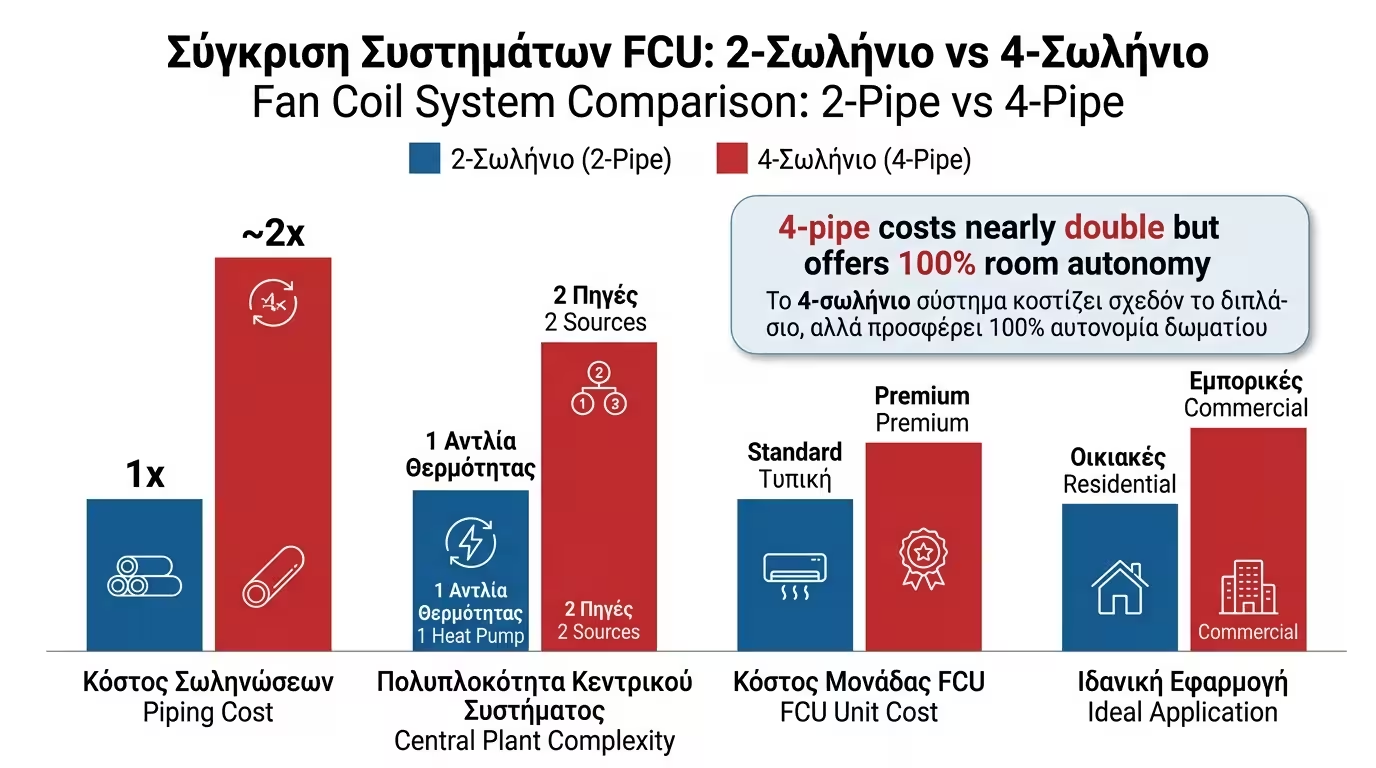
Simple, reliable, economical solution. One Heat Pump, 2 pipes per Fan Coil, zero complexity. Switching between heating/cooling is seasonal with a single button.
100% autonomy per room. Ideal for buildings where each space has different needs (hotels, offices, hospitals). Construction cost nearly double.
New 4-pipe Heat Pumps (with heat recovery) can produce hot and cold water simultaneously. COP > 5 efficiency, as heat removed from one room is given to another!
In cooling mode, the chilled water creates a natural phenomenon - the unit starts dripping! If this water is not drained correctly, the plasterboard will swell or it will smell. Next article: condensate drainage.
⚙️ For homes: 2-pipe = simplicity and economy. For large buildings: 4-pipe = 100% heating/cooling autonomy per room, but double the installation cost.
Return to category.
Go to categoryReturn to the central guide.
Go to guide