🔥 The old boiler
Water at 75-80°C. Radiators were "burning hot". Even small units (1 metre, Type 22) delivered 2,000+ Watts - more than enough for a bedroom.
You rip out the old oil boiler, install a state-of-the-art Heat Pump, connect it to your existing radiators - and yet you are freezing! The house cannot reach 21°C no matter what. What went wrong?
A radiator's output (Watts) depends on how hot the water flowing through it is. The Heat Pump sends much cooler water - and that changes everything.
The old oil boiler was a "dragon". It sent water at 75-80°C - touching the radiator would burn your hand. Even a small radiator could produce 2,000 Watts.
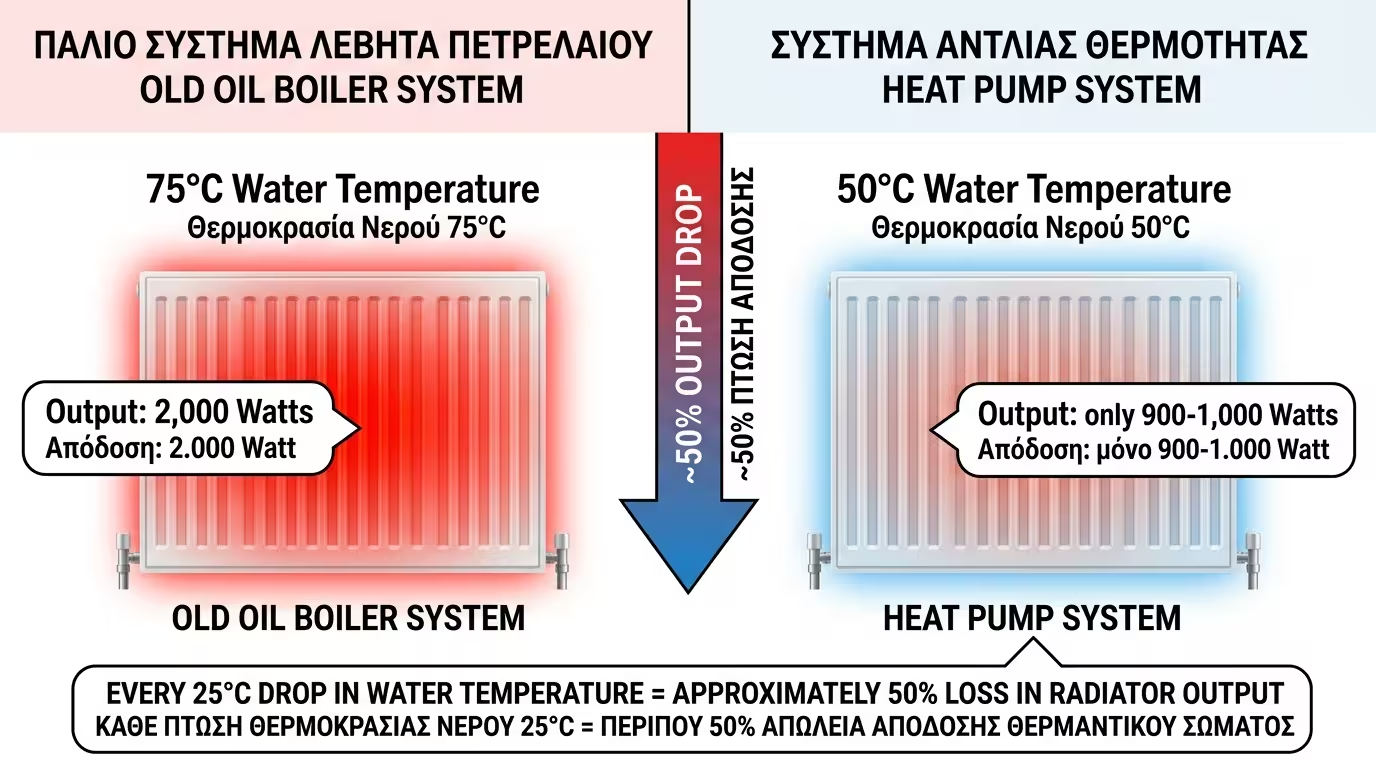
Water at 75-80°C. Radiators were "burning hot". Even small units (1 metre, Type 22) delivered 2,000+ Watts - more than enough for a bedroom.
For maximum efficiency (high COP), it sends water at 45-55°C. The radiator no longer "burns" - it is merely warm. Its output plummets.
With 50°C water instead of 75°C, the same radiator produces only 900-1,000 Watts instead of 2,000. If the room needs 2,000 Watts, the Heat Pump runs at 100% but the heat is not enough.
A 25°C drop in water temperature reduces radiator output by approximately 50%. This is why old radiators fall short - not because the Heat Pump is faulty.
If the water is cooler, there is only one way to get the 2,000 Watts you need: increase the radiator surface area. The engineer has three options:
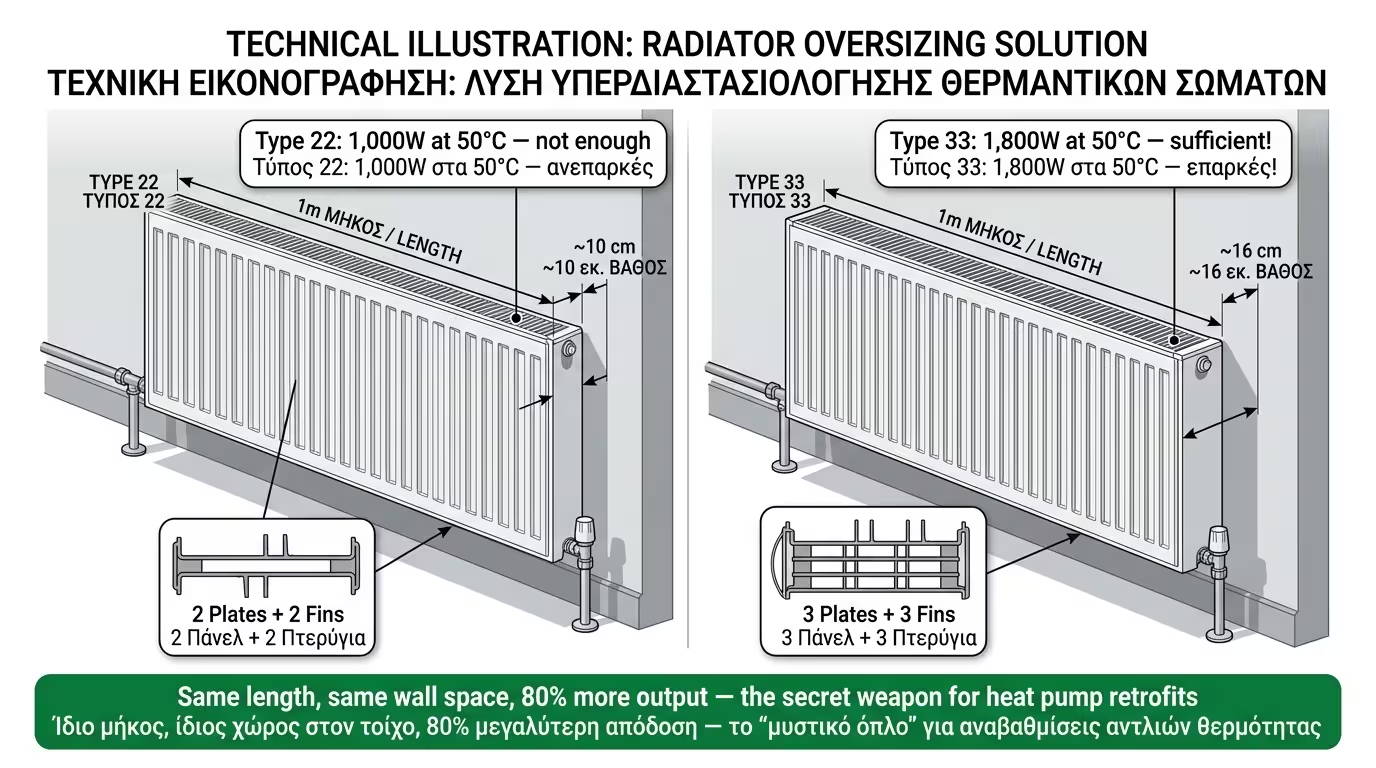
Remove the 1-metre radiator and install a 2-metre one. Problem: rarely is there enough free wall space in an older home. Doors, wardrobes and windows get in the way.
The most popular renovation solution! Steel panels come in "Types" (thicknesses). Type 22 (standard) has 2 plates + 2 convector fins. Type 33 has 3+3. Dramatically more Watts without changing the length - it simply protrudes a few cm more.
Instead of bigger radiators, reduce the building's needs! External wall insulation + energy-efficient windows → the room needs 1,000 instead of 2,000 Watts → old radiators suddenly become adequate!
In practice, the engineer does both: some insulation + replacing radiators with Type 33 in rooms with the greatest heat losses (bedrooms, north-facing living room).
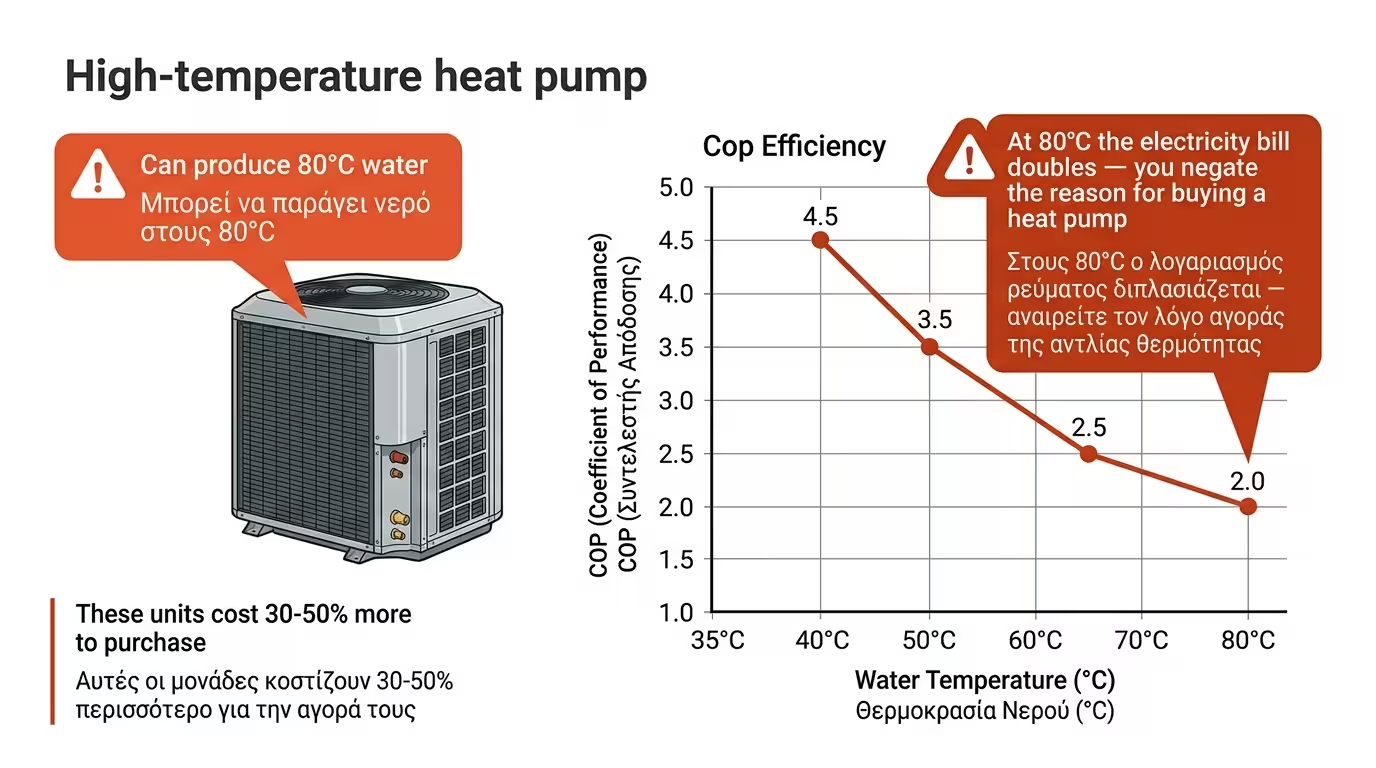
You may hear a salesperson say: "Don't change your radiators! Buy our High Temperature Heat Pump - it produces 80°C water!" Technically possible - but there is a hidden cost.
They typically use cascade compressors or R290 (propane) refrigerant and can "boil" the water. A technological achievement - but at a price.
When a Heat Pump is pushed to produce 80°C in winter, electricity consumption skyrockets. The COP drops from 4.0 (at 50°C) to 2.0 (at 80°C). You negate the reason you bought it.
High Temperature Heat Pumps cost 30-50% more than standard units. In many cases, replacing radiators + a standard Heat Pump is cheaper overall.
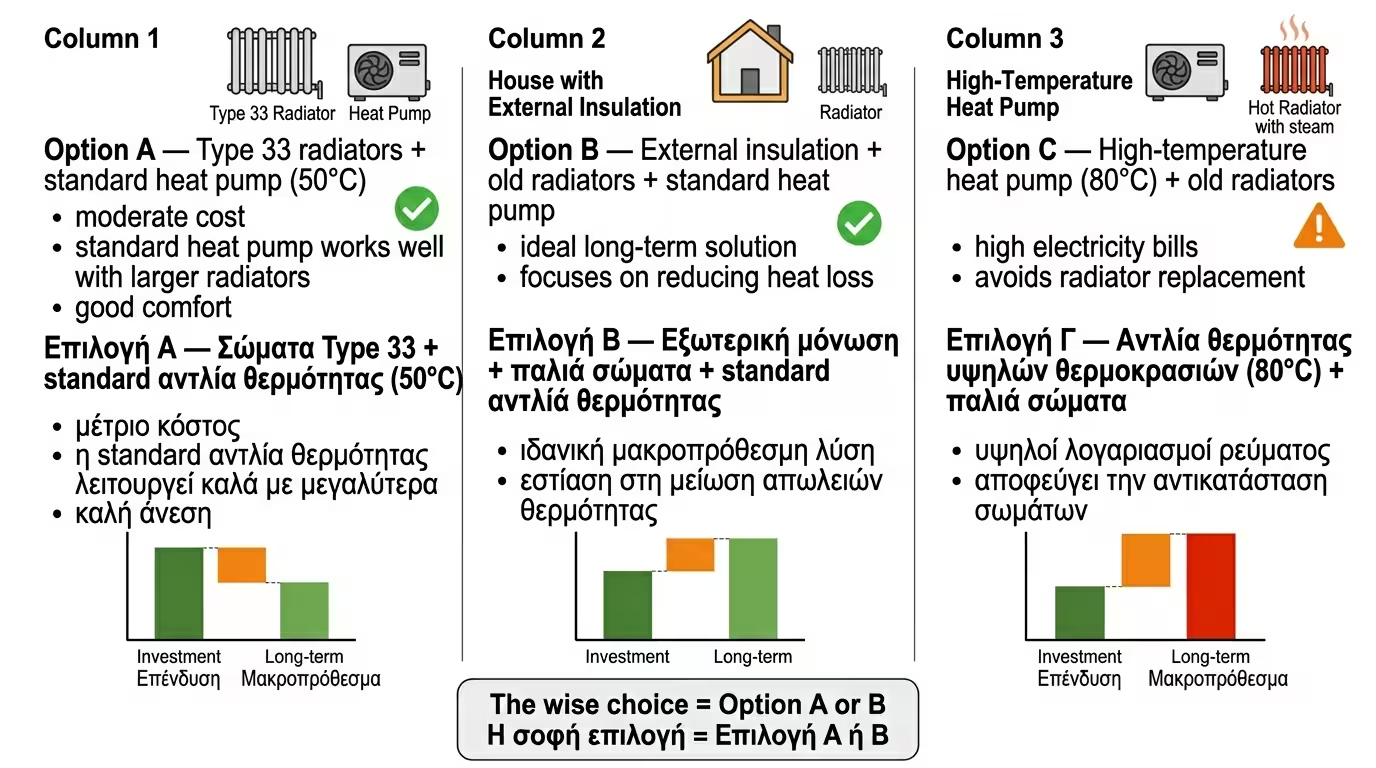
Only in buildings where you cannot replace the radiators (e.g. listed buildings). In every other case, Type 33 + insulation + standard Heat Pump = the wise choice.
The transition from oil to a Heat Pump is a "marriage" - and the bride and groom must be compatible.
Never buy a Heat Pump unless the engineer measures every radiator, performs a heat loss study, and tells you which ones need replacing.
The most popular renovation solution. Same length, far more Watts. Perfect match for lukewarm 45-50°C water.
The ideal package: external insulation + windows + Heat Pump at 50°C. Old radiators suddenly become adequate - saving energy and money.
We have calculated the right sizes. Now: how do we control each room independently? Why should a radiator burn in an empty room? Next up: Thermostatic Radiator Valves (TRVs).
🔥 A Heat Pump needs radiators "matched" to 50°C water. Type 33 + insulation = the magic formula for warmth without wasting electricity.
Return to category.
Go to categoryReturn to the central guide.
Go to guide