📐 Ideal slope
The pipe must descend at least 1-2 cm per metre of length (1-2% gradient). This ensures steady flow without pooling. For long runs (>5 m), prefer a larger diameter pipe (Ø 25 mm instead of Ø 20 mm).
When a Fan Coil operates in cooling mode during summer, it produces water - a lot of water. If it is not properly removed, it will overflow and damage your plasterboard or hardwood floor. And the worst part? If the plumber connects the drain incorrectly, the unit will blow sewer odours directly into your room!
As we explained in the Dew Point article, warm humid air condenses on the chilled coil (7°C). The condensate drips into a dedicated collection tray (drain pan). From there, a pipe must channel the water away - following 3 golden rules.
Water never flows uphill on its own. For the drain pan to empty naturally (by gravity), the drain pipe must have a constant downward slope along its entire length until it reaches the main building drain or the balcony gutter.
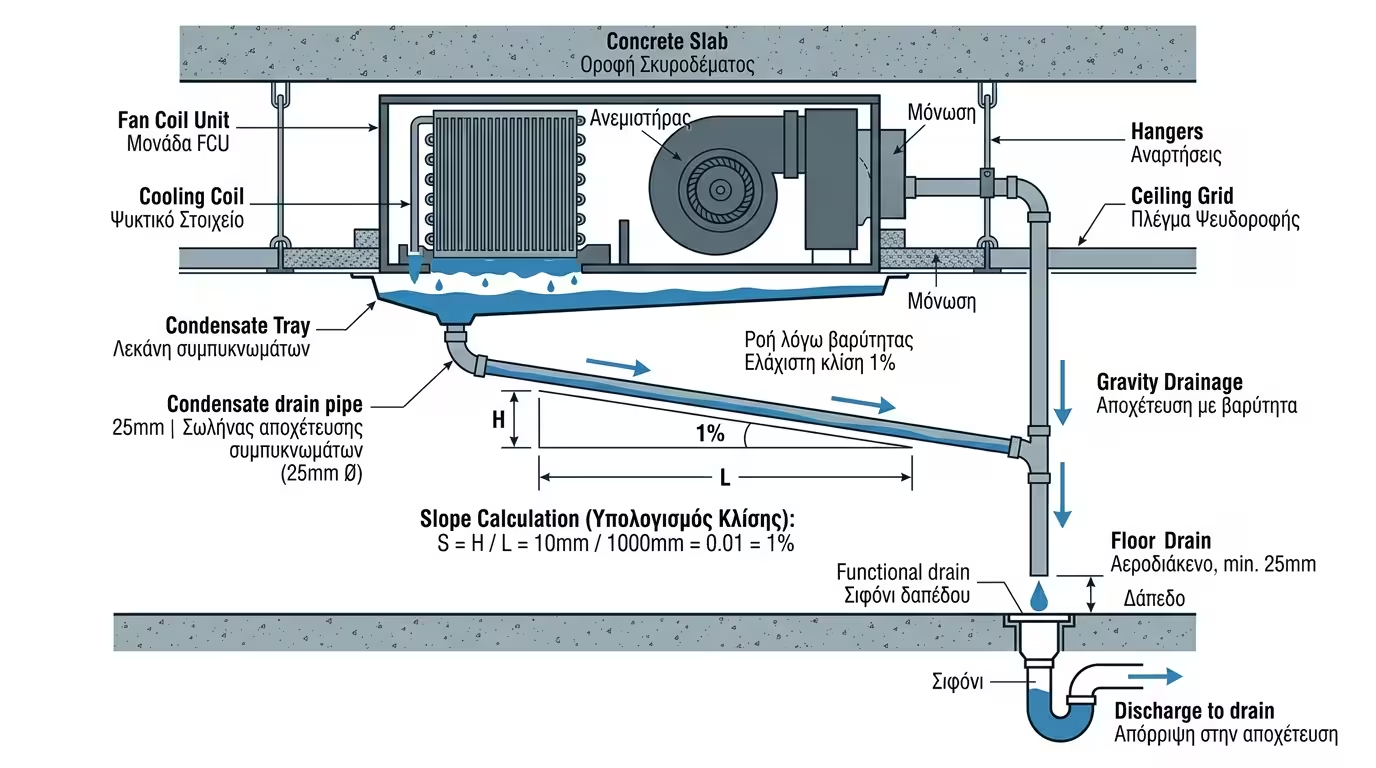
The pipe must descend at least 1-2 cm per metre of length (1-2% gradient). This ensures steady flow without pooling. For long runs (>5 m), prefer a larger diameter pipe (Ø 25 mm instead of Ø 20 mm).
If the pipe dips in the false ceiling, water pools at the low point. Within weeks, this pooling area fills with mould and slime (algae) that blocks the pipe. Result: overflow, water dripping through your ceiling.
The pipe must be supported every 50-80 cm with clamps. Without proper support, it sags over time creating unwanted "bellies". Insulation on the pipe prevents external sweating.
Once a year, before starting cooling, pour water into the drain pan to verify the flow is clear. Use antimicrobial tablets or liquid in the drain pan to prevent mould growth.
This is perhaps the most common and criminal mistake in HVAC installations. Many plumbers connect the Fan Coil drain pipe directly to the main sewer line (where washbasin or toilet water drains) - without a U-trap.
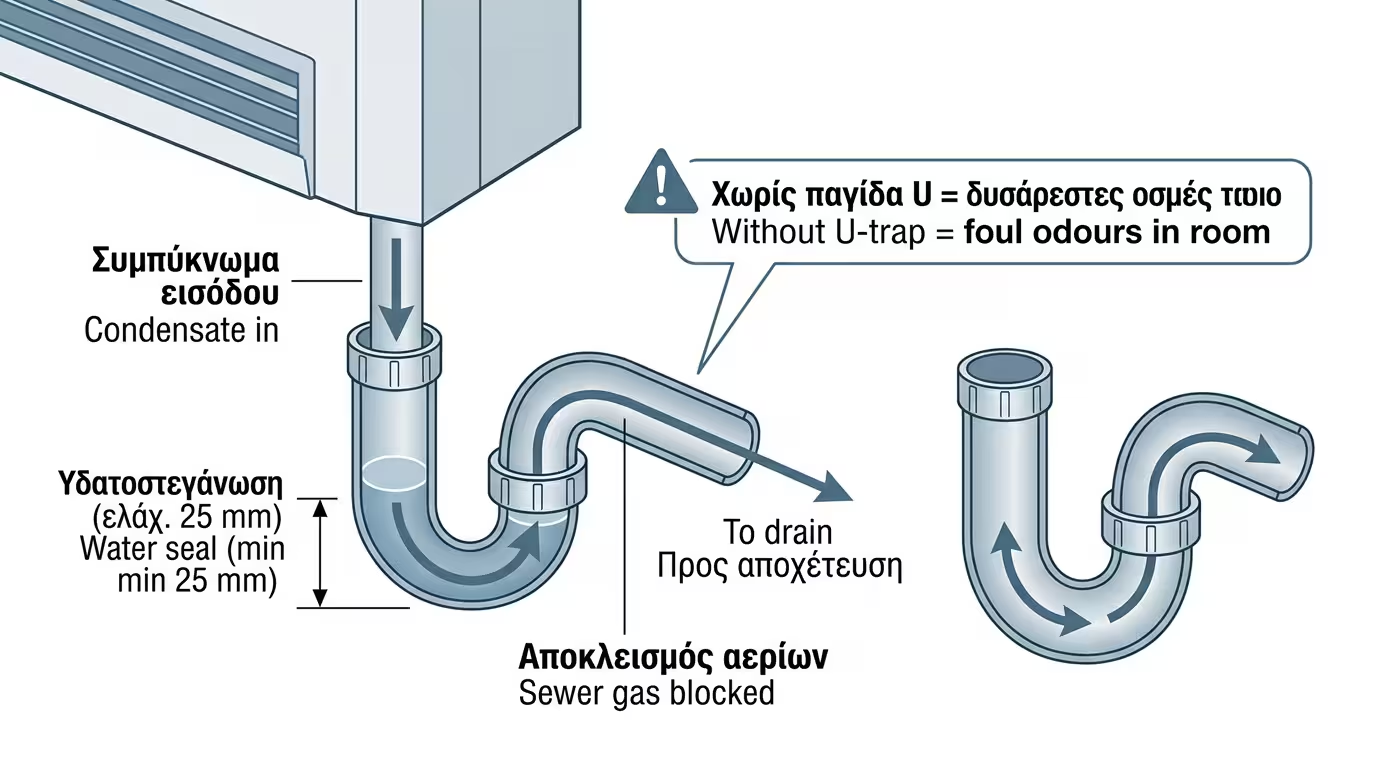
The Fan Coil has a powerful fan that draws air. If the drain pipe is directly connected to the sewer, the Fan Coil will suck sewer gases through the pipe and blow them straight into your living room. The smell is unbearable.
MANDATORY at every Fan Coil drain connection. The "U" shape permanently traps a small amount of water, which acts as a "plug" (water seal). Water passes through, but gases and foul odours cannot pass through the water to return to the unit.
The U depth must be at least 50 mm. For high-pressure Fan Coils (ducted units), an even deeper trap is needed - 75-100 mm - to withstand the negative pressure created by the fan.
In spring, before starting cooling for the first time, pour a glass of water into the drain pan. During winter, the water in the trap may have evaporated - if you do not refill it, it will smell on first start-up.
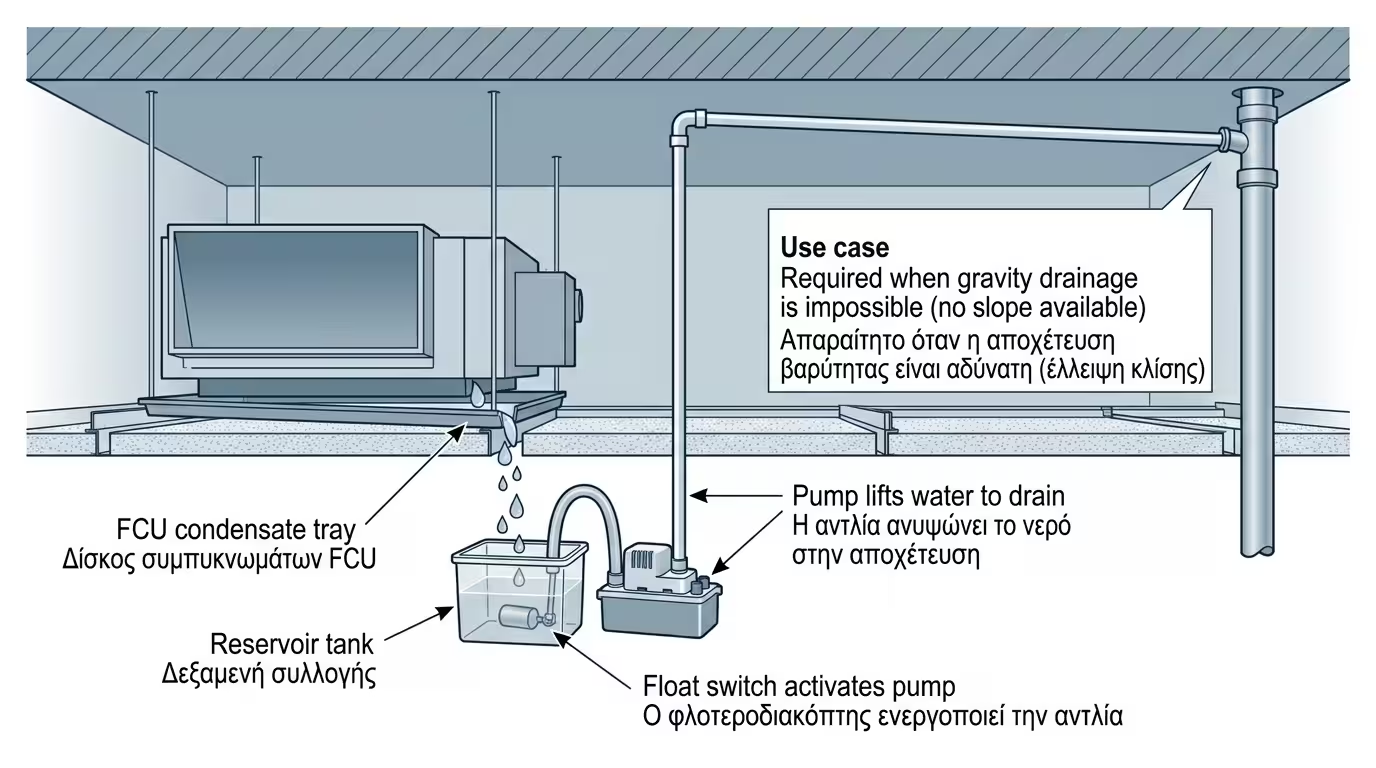
What if the Fan Coil is lower than the drain pipe? Or if the distance to the wall is 10 metres and there is not enough height for the correct slope? In these cases, gravity drainage is impossible and we use a Condensate Pump.
A small electrical unit roughly the size of a cigarette packet or slightly larger. Installed inside or next to the Fan Coil, in the drain pan or in a separate position within the false ceiling.
Water drips into the small reservoir. When the level rises, a float switch triggers the motor. The pump "shoots" the water under pressure upwards - up to 10 metres high - sending it to the drainage network.
Modern pumps have a secondary safety float: if the main pump fails and water rises above the limit, it automatically shuts down the entire Fan Coil, preventing flooding.
Pumps produce a characteristic buzzing sound during the few seconds they operate. In a quiet bedroom at night, this may wake you. That is why engineers always prefer gravity drainage, keeping the pump as a last resort.
Fan Coil drainage is not simply a pipe thrown outside. A forgotten U-trap makes your home smell unbearable. An incorrect slope destroys plasterboard and hardwood floors. Demand the right installation!
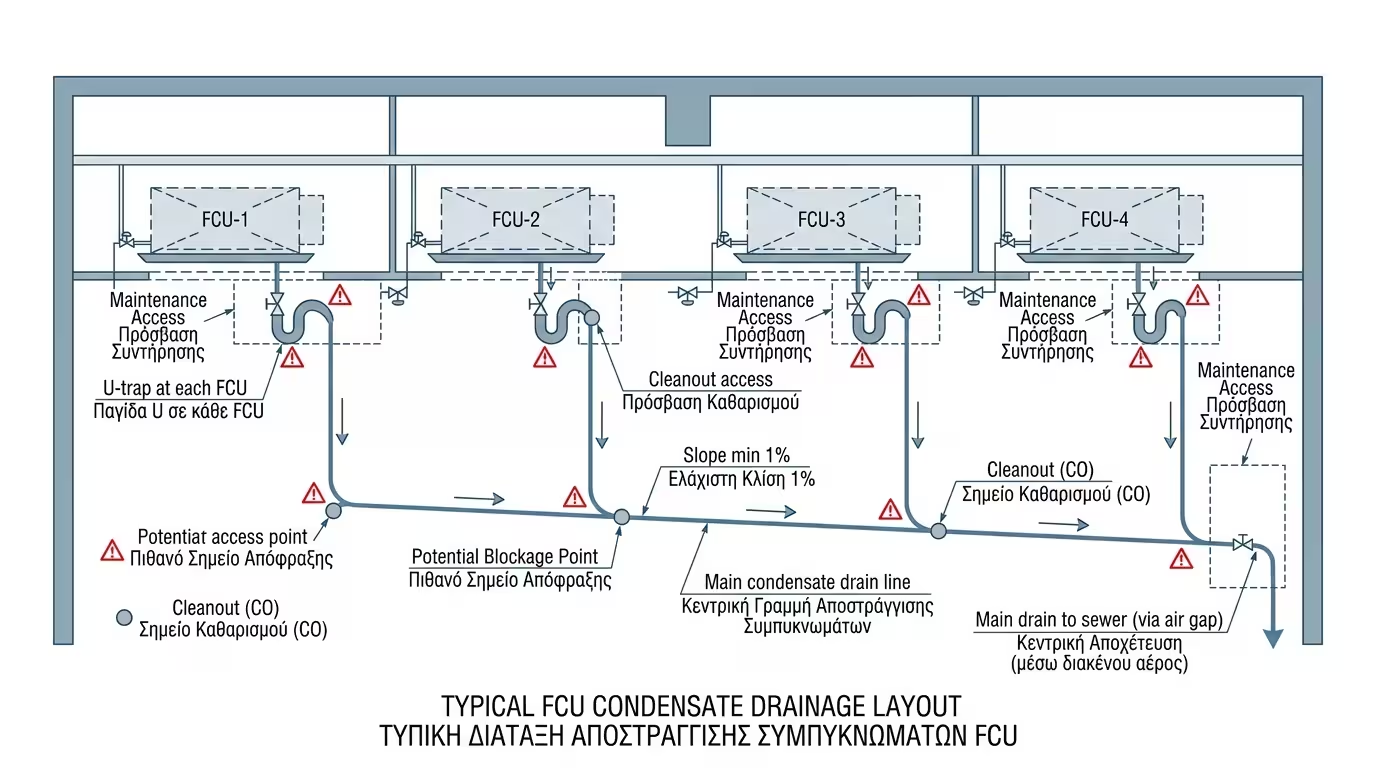
Constant downhill with no "bellies". Support every 50-80 cm. Pipe insulation to prevent external sweating. Larger diameter for runs > 5 m.
MANDATORY on every Fan Coil drain connection. Depth ≥ 50 mm (75-100 mm for ducted units). Refill with water before first cooling start-up each summer.
Last resort when gravity drainage is impossible. Lifts water up to 10 m. Prefer models with secondary safety float and low noise (< 25 dB).
Speaking of noise: the fan inside the Fan Coil itself can be even more annoying. In the next article: how to read decibel ratings correctly from brochures, and why only "Low Speed" matters for bedrooms.
💧 U-trap + correct slope + annual inspection = zero odours, zero floods. Demand these before the false ceiling is closed!
Return to category.
Go to categoryReturn to the central guide.
Go to guide