👑 Ceramic & Porcelain Tiles
The absolute kings. Ceramic material is an excellent heat conductor. It heats up quickly and, thanks to its mass, retains the heat for hours (thermal capacitance) even after the thermostat switches off.
You have poured the perfect thermal screed, calculated the pipe pitch correctly and the Heat Pump is running like clockwork. Now, you need to dress the floor. If you choose the wrong material, it is like throwing a thick blanket over your radiator: the heat will be trapped in the screed and the home will stay cold.
The golden rule says we want the final floor to have the lowest possible Thermal Resistance (R) - a material that allows heat (or cooling) to pass through it as quickly and easily as possible.
Ask any mechanical engineer what to lay on top of underfloor heating and the answer will be one and clear: Stone. Ceramic tiles, porcelain stoneware, natural marble or stone.
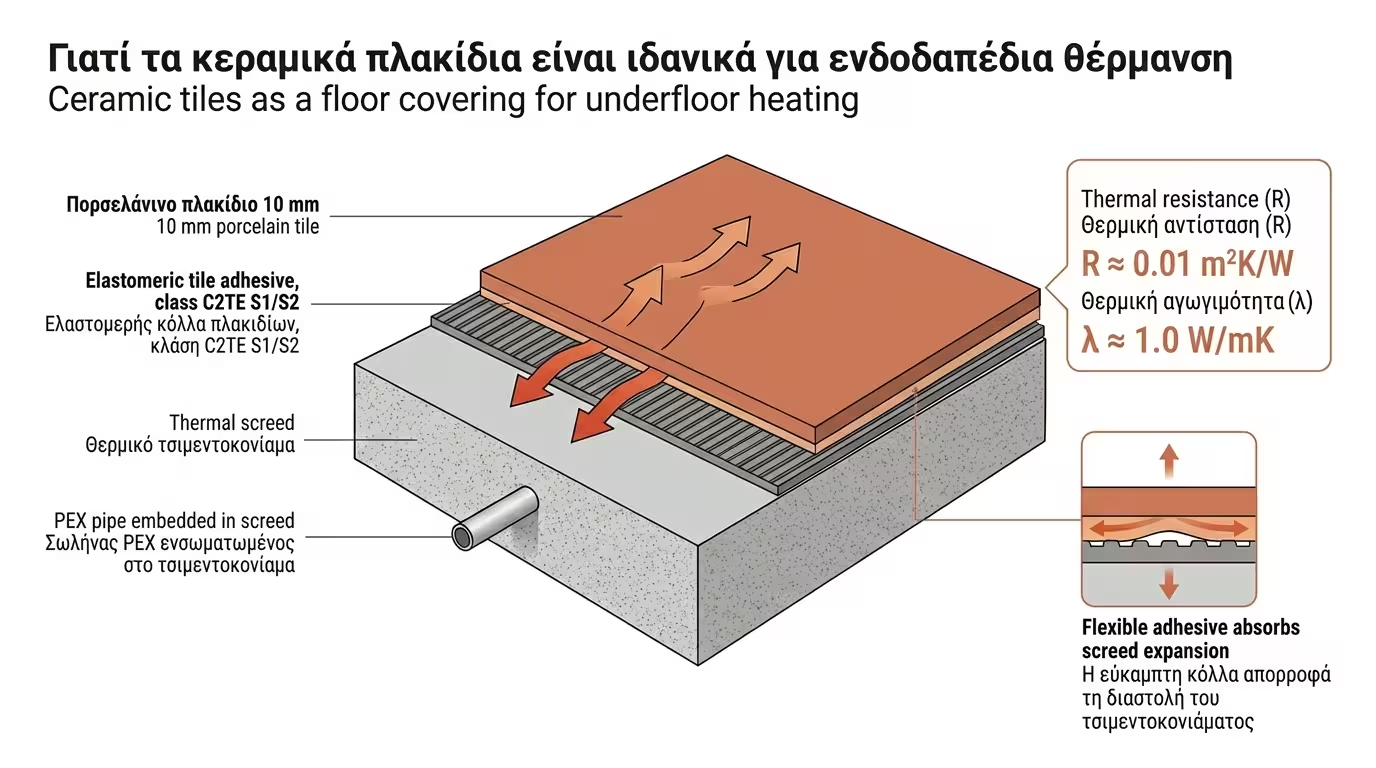
The absolute kings. Ceramic material is an excellent heat conductor. It heats up quickly and, thanks to its mass, retains the heat for hours (thermal capacitance) even after the thermostat switches off.
They behave exactly like tiles. They offer unparalleled aesthetics and transmit heat flawlessly. Ideal for living rooms, entrances and reception areas.
Tiles or marble must NOT be bonded with ordinary tile adhesive. An elastomeric adhesive (class C2TE S1 or S2) is MANDATORY. This adhesive has elasticity and follows the screed's thermal movements, preventing tile debonding.
Thermal resistance of a 10 mm tile: R ≈ 0.01 m²K/W. Practically zero! The heat passes almost instantaneously from the screed into the room.
This is where things get more complicated. By nature, wood is an insulating material - think of the wooden handles on old saucepans, designed so you would not burn your hands. Can we use wood on underfloor heating? Yes, but with strict limitations.
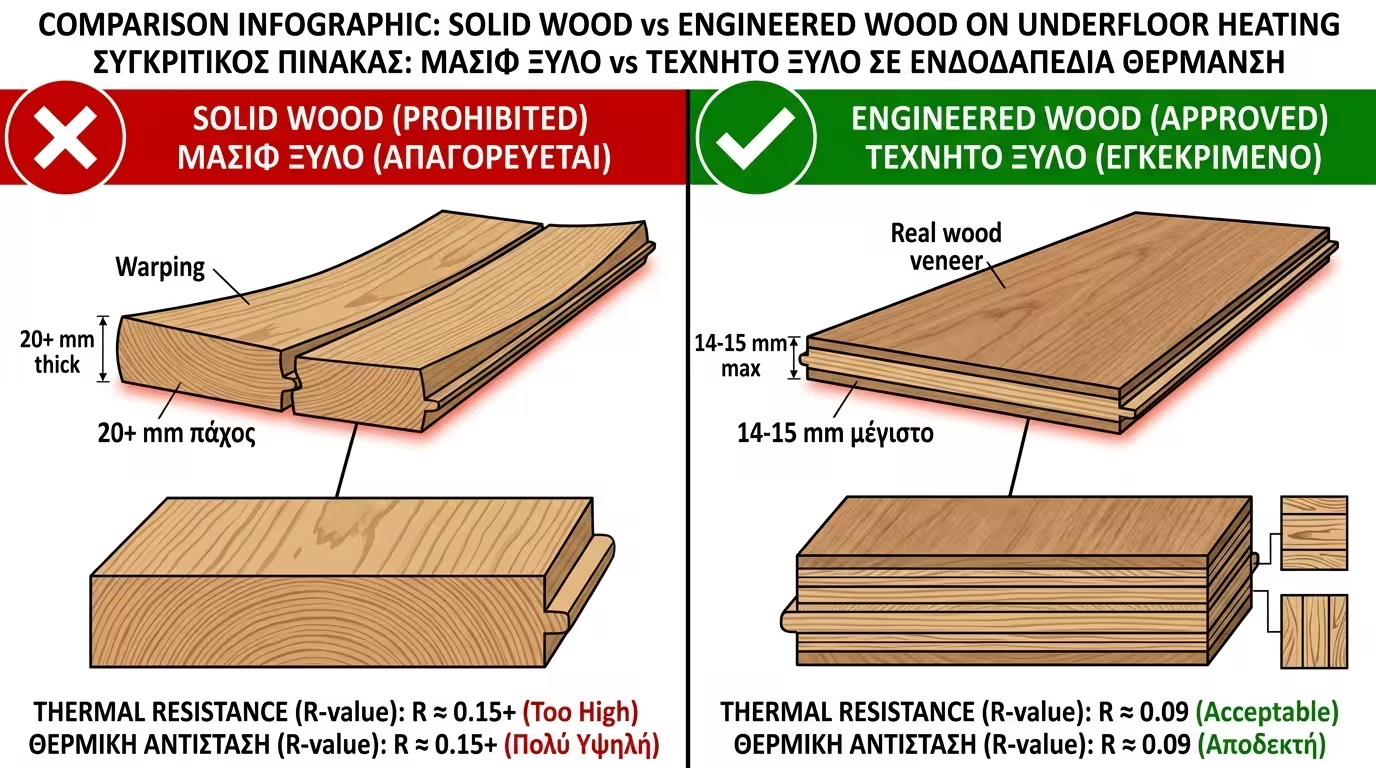
Traditional, thick, nailed solid wood (2+ cm) is a disaster. Firstly, it over-insulates the floor. Secondly, solid wood "works" (warps) with temperature and humidity changes - it will buckle and huge gaps will open between boards.
The correct solution: wood constructed in cross-laminated layers (like plywood) with a real wood "veneer" on top. Extremely stable under temperature changes. Rule: Thickness ≤ 14–15 mm.
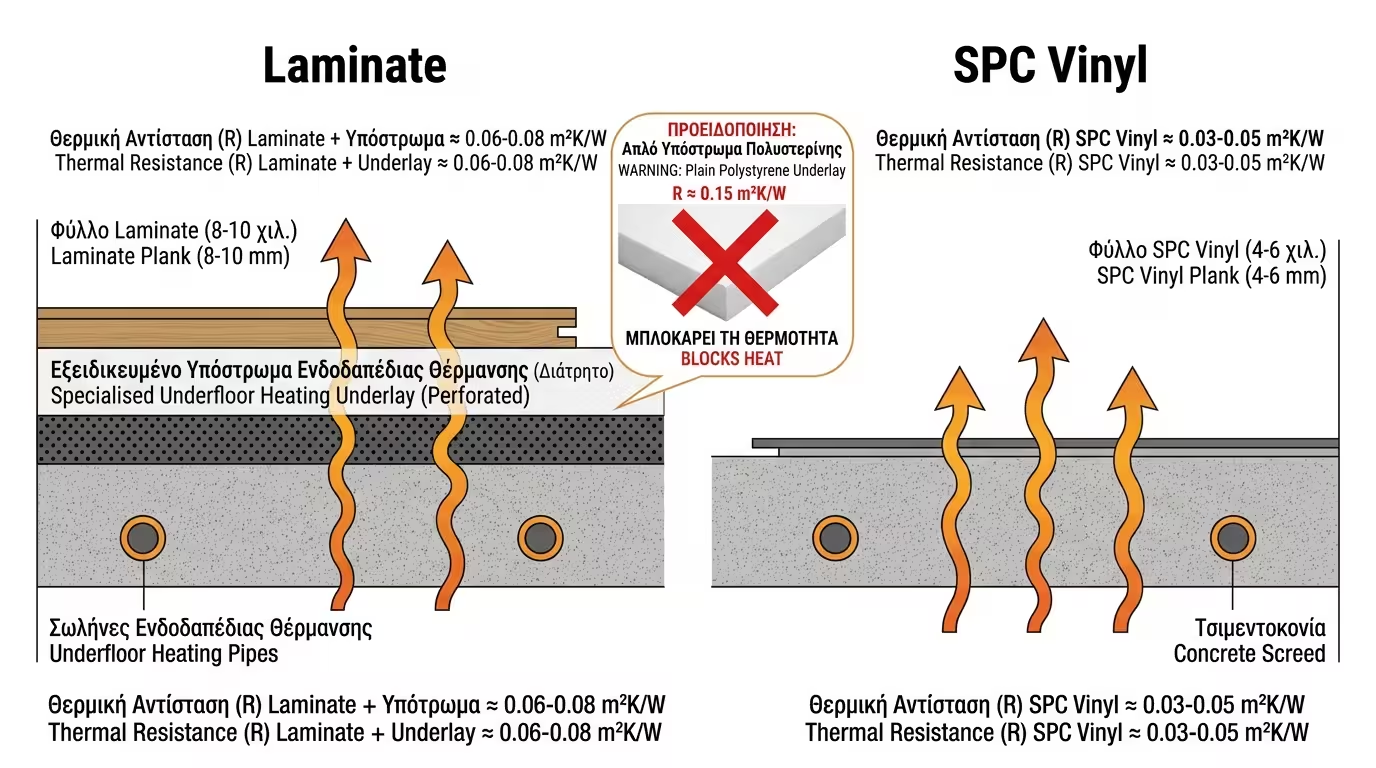
An excellent choice: thin (typically 8–10 mm) and conducts heat reasonably well. Cheaper than wood, wear-resistant and easy to maintain. Ensure it carries the "suitable for underfloor heating" certification.
If you install laminate "floating", do not use cheap white polystyrene foam - it is pure insulation! Buy specialised underfloor heating underlay (heavier, with perforations or aluminium coating) that allows the heat to pass through.
A thick wall-to-wall carpet is the worst enemy of underfloor heating. It literally functions as a thick blanket placed over your "radiator".
If you lay carpet, the heat will be trapped in the screed, the return water temperature will be excessively high (the boiler will switch off thinking the home is warm enough), and you will feel cold.
You can use area rugs, but choose lightweight, thin ones without a thick rubber backing on the underside. Rugs should leave exposed floor around the perimeter for heat emission.
Rugs should not cover more than 40–50% of the floor area in each room. Always leave corners and the zone in front of large windows exposed (maximum heat emission is needed there).
Alternative: extremely thin (4–6 mm), waterproof, scratch-resistant. Ideal for underfloor cooling (does not swell with moisture). Only verify the manufacturer guarantees operation up to 28°C surface temperature.
Underfloor heating "loves" tiles and marble, but can "tolerate" engineered wood and laminate, provided you respect thickness limits (below 15 mm) and choose the correct underlay.
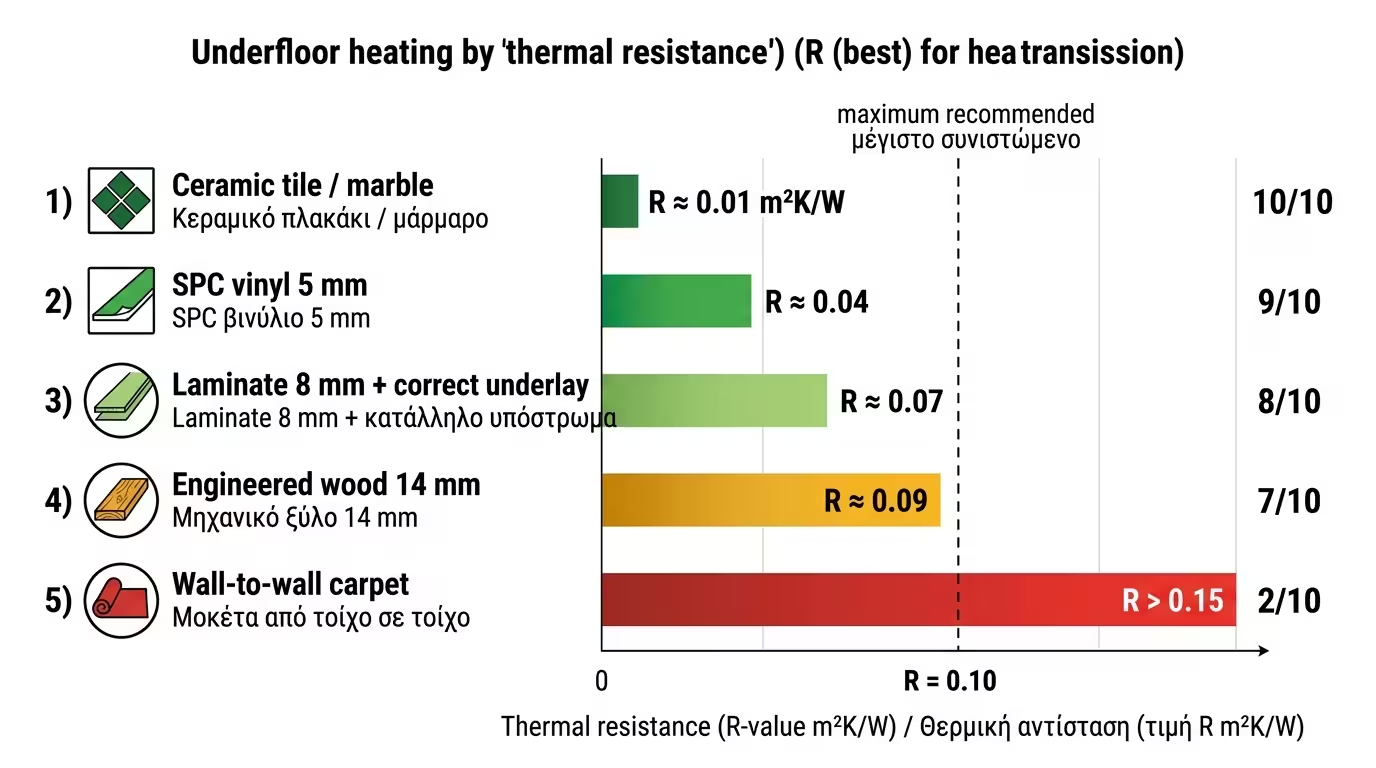
Thermal resistance: R ≈ 0.01 m²K/W. Rating: 10/10. The absolute champion. Heats up fast, retains warmth and performs equally well for cooling.
Thermal resistance: R ≈ 0.08–0.10 m²K/W. Rating: 7/10. Acceptable if thickness is ≤ 15 mm. Never exceed this limit.
Thermal resistance: R ≈ 0.05–0.08 m²K/W. Rating: 8/10. Excellent cost-performance ratio. Just ensure the correct underlay (not polystyrene foam).
Thermal resistance: R > 0.15 m²K/W. Rating: 2/10. Unsuitable as a permanent floor covering. Only small, thin area rugs with limited coverage are acceptable.
💡 The right floor choice does not just elevate aesthetics - it ensures you get 100% of the performance from your Heat Pump, saving energy and money every winter!
Return to category.
Go to categoryReturn to the central guide.
Go to guide