✅ Virtually indestructible
They almost never corrode internally. Lifespan 50+ years. In many neoclassical buildings, radiators installed 80 years ago are still working perfectly.
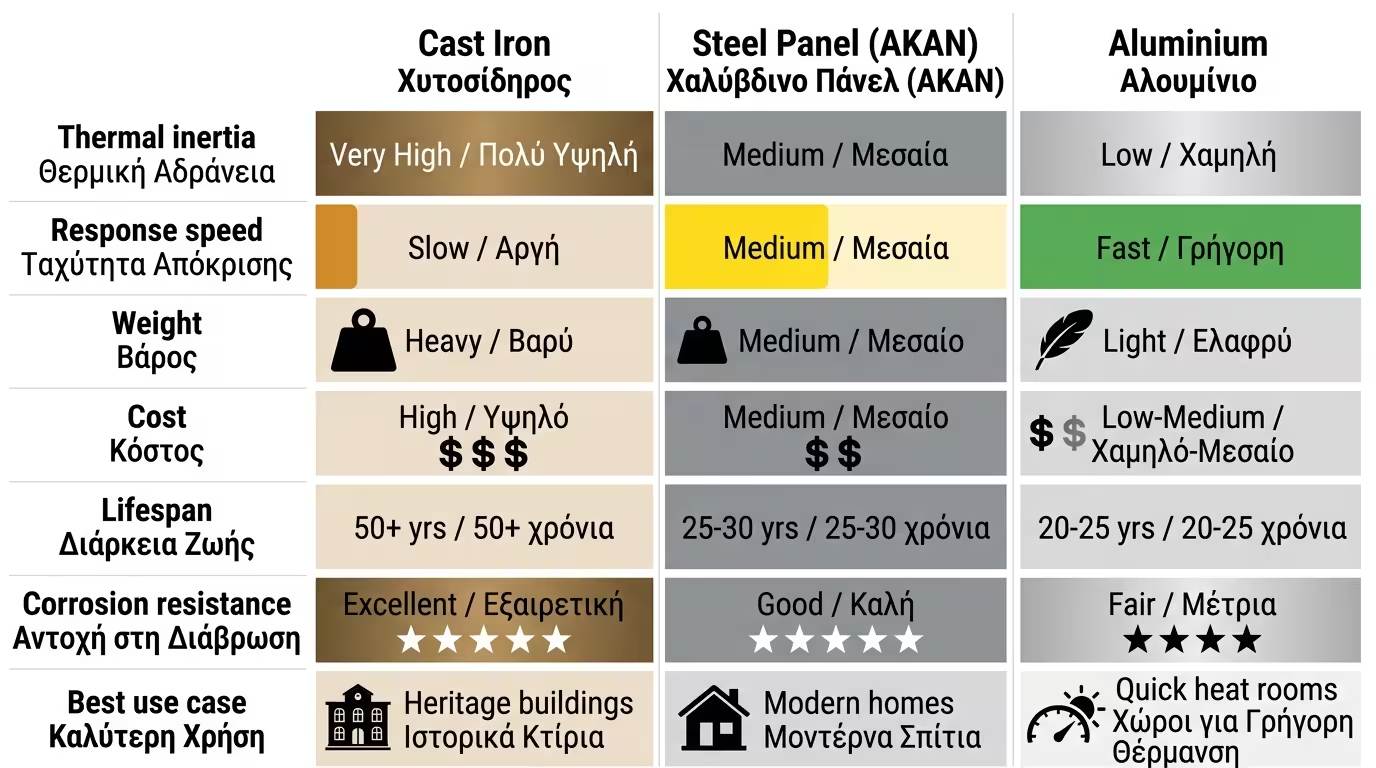
Radiators remain the undisputed king of renovations and existing buildings. But a radiator is not just a "metal box" that produces heat - the material determines how quickly it warms up and how long it stays warm.
Performance depends on Thermal Inertia: the time a material needs to absorb heat from the water and release it into the room. Let us put the three great contenders in the "ring".
The heavy, bulky, classic radiators with "sections" seen in old mansions and 1970s apartment buildings. Made from cast iron - the same material as grandmother's cooking pots.
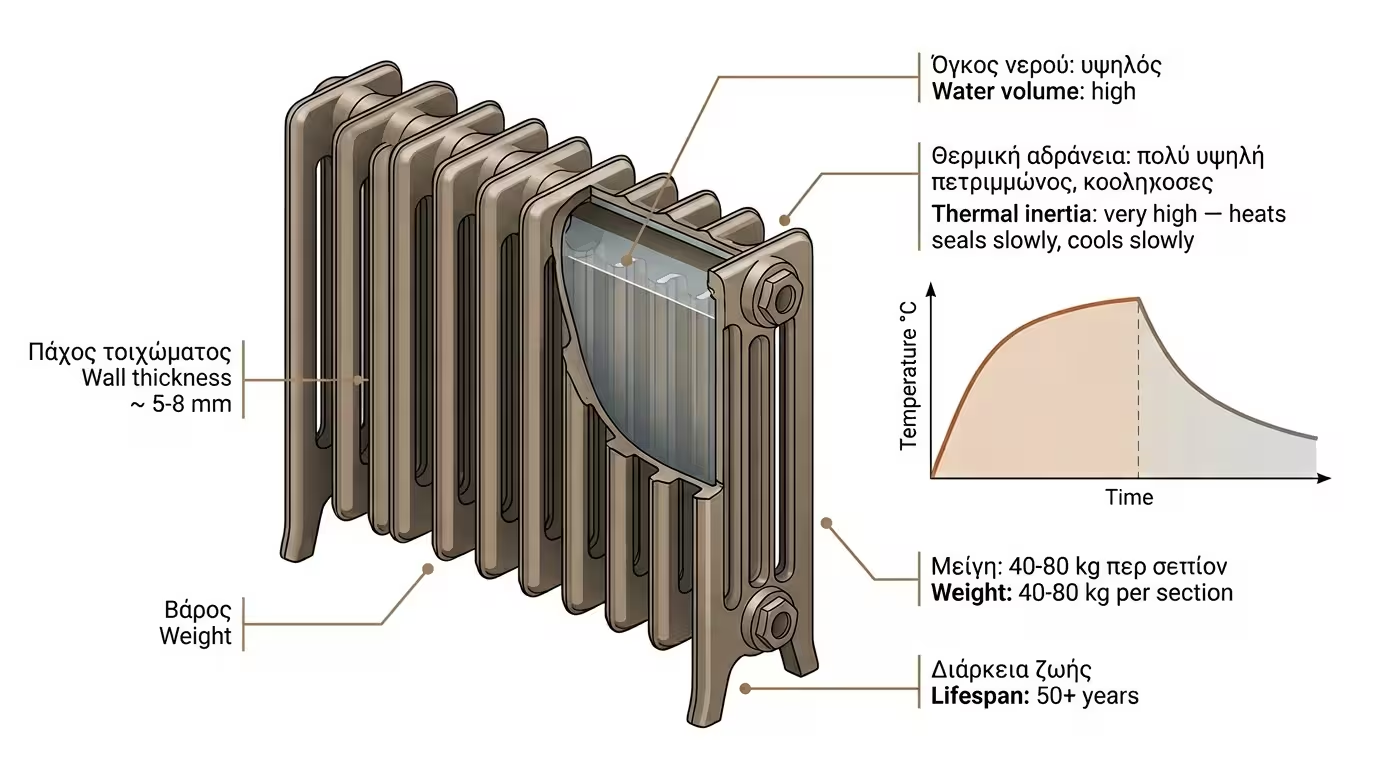
They almost never corrode internally. Lifespan 50+ years. In many neoclassical buildings, radiators installed 80 years ago are still working perfectly.
They function as an "energy reservoir". The boiler can shut off at 10 PM and the cast iron radiator will continue emitting heat until midnight. Ideal if you want smooth, stable warmth.
It takes ~1 hour for the massive metal to heat up. They do not work well with Heat Pumps as they require very hot water (70°C+) for proper output.
Extremely heavy - cannot be mounted on plasterboard walls. Take up enormous space. Today, they are chosen only for neoclassical restoration projects for vintage aesthetics (retro radiators).
The flat, white radiators found in 90% of modern homes. Made from pressed steel sheets with an internal zig-zag fin (convector) that increases the contact surface with the air.
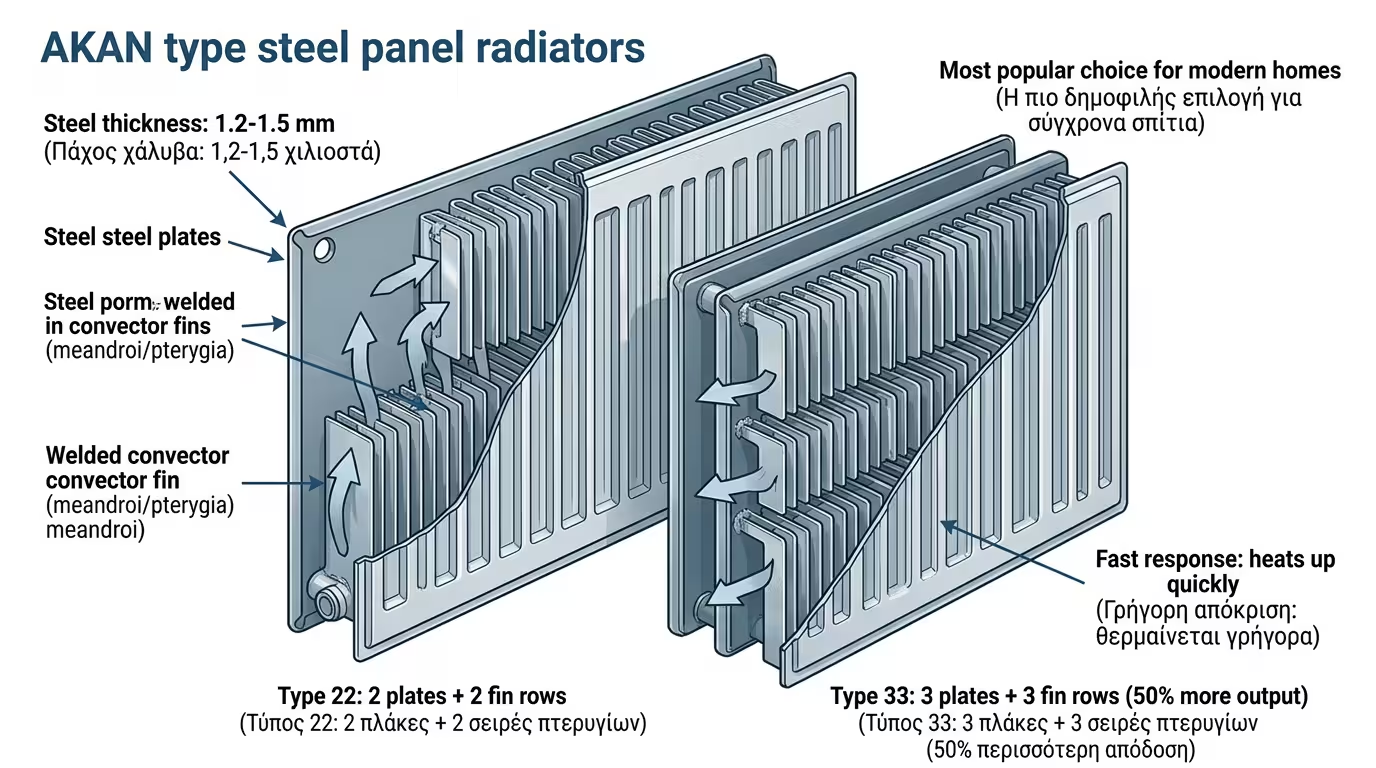
Best value for money. They heat up in 15-20 minutes. They combine radiation (front plate) and convection (top grilles). Elegant, available in countless dimensions.
The most affordable option for modern permanent residences. Widely available from many manufacturers - easy to find spare parts and the right size.
Steel corrodes internally if the system has trapped air. After 15-20 years, they may develop leaks. Solution: proper maintenance, air vents, corrosion inhibitor in the water.
Permanent residences with steady heating for many hours daily. Excellent compatibility with gas boilers or Heat Pumps (they work at lower water temperatures too).
They look similar to old cast iron models (with sections), but with a modern, sharp design. Made from aluminium alloy - a top-tier heat conductor.
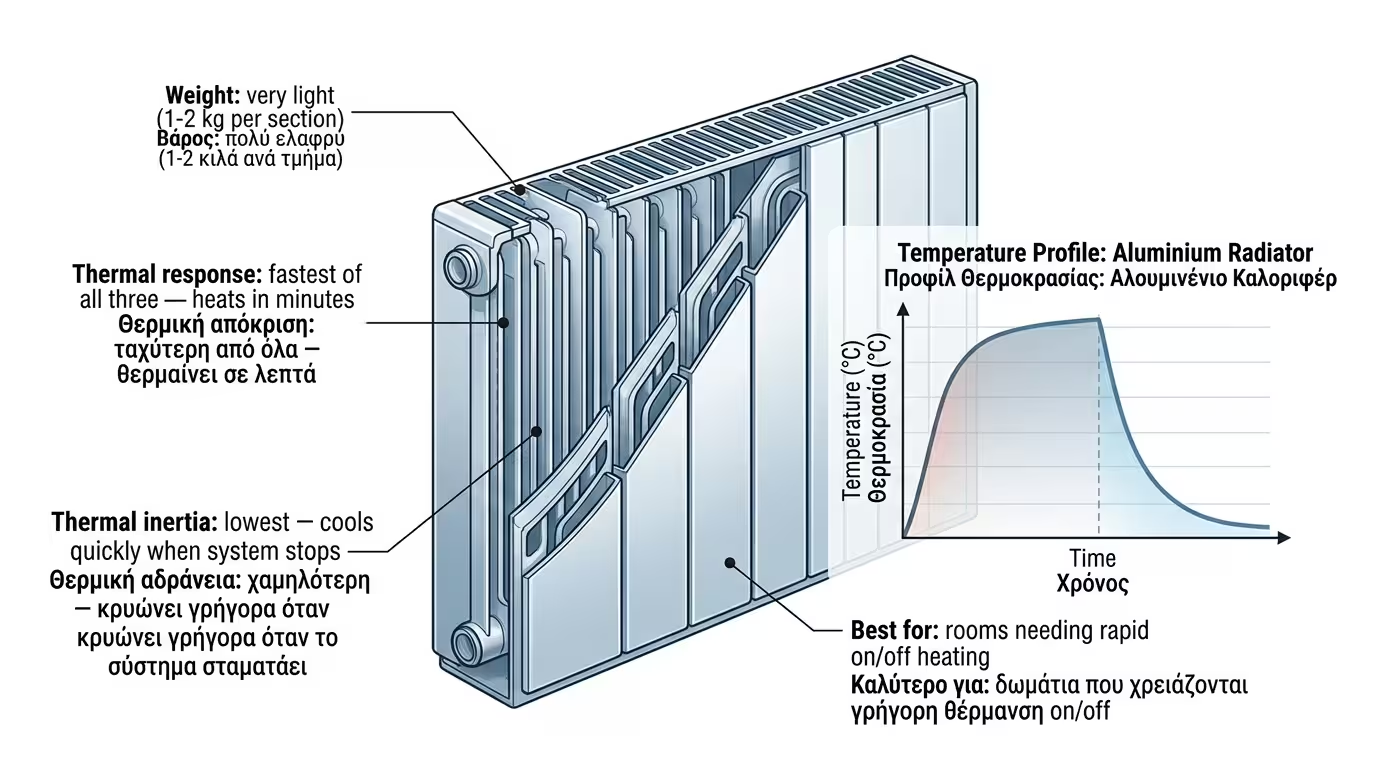
The moment you switch on the thermostat, they "burn" within minutes! They heat the space instantly. Ideal if you arrive in a freezing house and want warmth immediately.
Do not corrode (unlike steel). You can add or remove sections if you want to change the size in the future - a rare advantage.
Once the thermostat switches off, they retain no heat at all. The boiler must run continuously. They are noticeably more expensive than panels per Watt of output.
If connected to copper piping without dielectric unions, they risk electrolysis (they develop holes). The installer must use isolation fittings.
The choice depends on how you use your home - how many hours per day you need heating and how fast you want it warm.
You enter a freezing house, press a button, want warmth now. The winner: Aluminium - instant response, zero inertia.
You live at home for many hours, want stable, economical heating. The smartest choice: Steel Panel Radiators - perfect balance of performance and price.
Neoclassical building, vintage aesthetics. Only justified here: Cast Iron (retro radiators) - aesthetic choice, not practical.
If you plan to replace the old oil boiler with a Heat Pump, your existing radiators probably are not big enough. Next article: why you must install much larger radiators.
🔥 Aluminium = speed. Cast iron = storage. Panel = perfect balance. The radiator material dictates the rhythm of your heating.
Return to category.
Go to categoryReturn to the central guide.
Go to guide