What is a Fan Coil Unit (FCU) and How Does It Work with a Heat Pump?

If you cannot or do not want to install underfloor heating (perhaps you do not want to rip up your existing floors), but you still want a modern Heat Pump that provides both heating and cooling, then Fan Coils are your only real alternative.

Many people see them on the wall and say: "Oh, you installed air conditioning". But internally, a Fan Coil is an entirely different beast. To understand what it does, just translate the name: Fan = a blower, Coil = a heat exchanger (a serpentine of copper tubes with aluminium fins). Essentially, it is a "smart radiator with a fan".

1. The Big Difference: Water vs Refrigerant (Why It Is Not Air Conditioning)

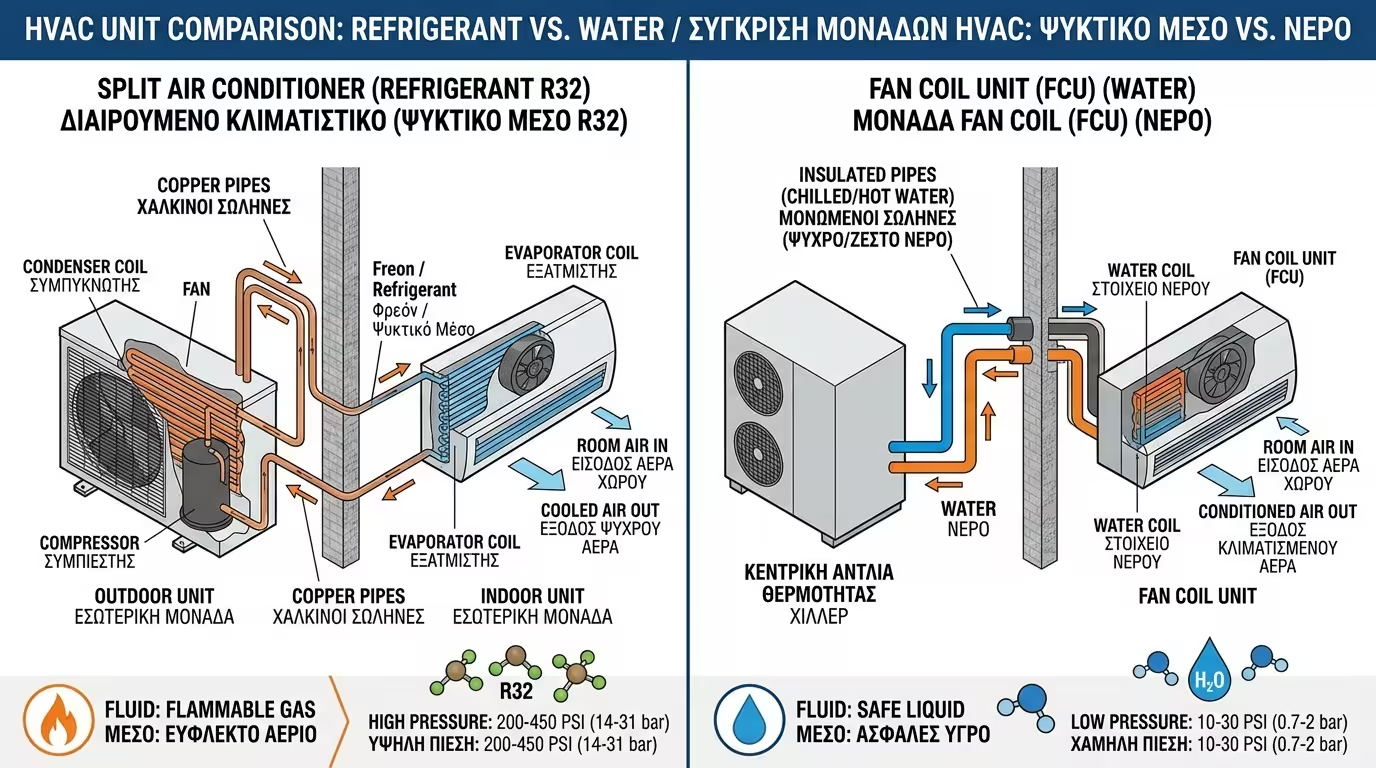
When you turn on a traditional split air conditioner, the outdoor unit sends refrigerant (R-410A or R-32) through copper pipes into your room at extreme temperatures (around -5°C). The indoor fan blows air across this freezing coil and blasts it directly at you - providing aggressive, dry and extremely cold airflow.

Comparison of Fan Coil (water) vs traditional air conditioner (refrigerant) - how they differ

🔄 A radically different approach

With Fan Coils, not a single drop of refrigerant enters your home. The refrigerant stays locked inside the Heat Pump unit, outdoors in the garden or on the roof. Inside your home, only pure water circulates through the pipes.
🌡️ Water temperatures

The Heat Pump uses its refrigerant cycle to heat or cool plain water. This water travels at 7°C (in summer) or 45°C (in winter) through insulated plastic pipes to the Fan Coil units in each room.

❄️ Refrigerant = Extreme temperatures

In a traditional split system, refrigerant arrives at -5°C inside your room. This freezing air dries out your throat, eyes and the entire atmosphere. Many people wake up with headaches from conventional air conditioning.

💧 Water = Gentle temperatures

In a Fan Coil, the coil contains water at 7°C. The air that comes out does not "cut" - it is much gentler and friendlier. The room cools evenly without the familiar dry, aggressive drafts of traditional systems.

2. How the Chain Works: From Heat Pump to Fan Coil

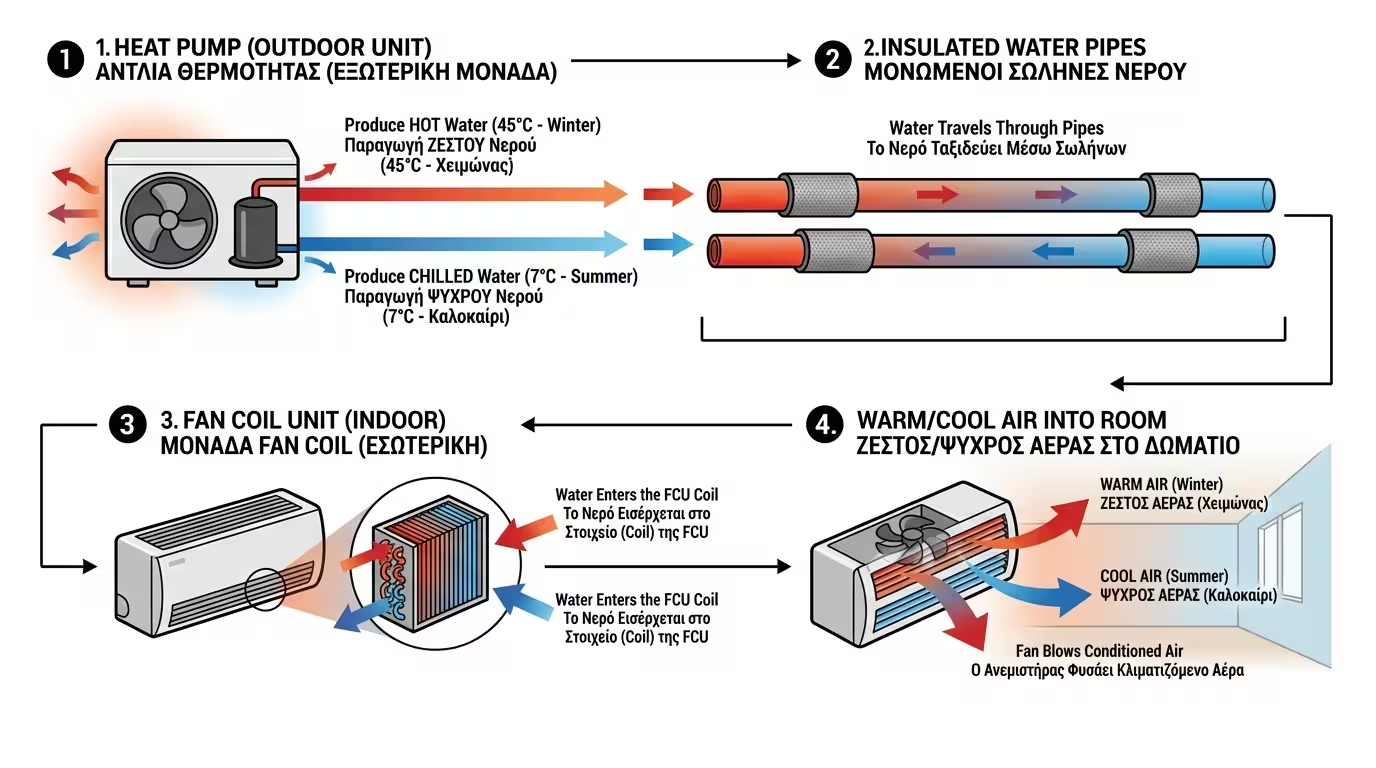
The operation of a Fan Coil system can be described in 4 simple steps, like a chain that transfers energy from outside to the interior of your home.

Operating chain - Heat Pump → water pipes → Fan Coil → room air

1️⃣ The Heat Pump (outdoors)

Uses its refrigerant cycle to chill or heat plain water. Think of it as an energy transformer - it extracts heat from the air (even when it is cold outside) and transfers it to the water circuit.

2️⃣ The water travels

The hot or cold water (at 7°C in summer or 45°C in winter) travels through insulated plastic pipes and enters the Fan Coil in your living room, bedroom or office.

3️⃣ The Coil (heat exchanger)

The unit's serpentine coil (copper tubes with aluminium fins) fills with the hot or cold water. The large fin surface area ensures rapid heat exchange with the room air.

4️⃣ The Fan (blower)

Draws room air through a filter, passes it across the coil to change its temperature, and returns it to the room either cooler or warmer. This cycle repeats continuously until the desired temperature is reached.

3. The 3 Enormous Advantages of Fan Coils (Air-Water Systems)

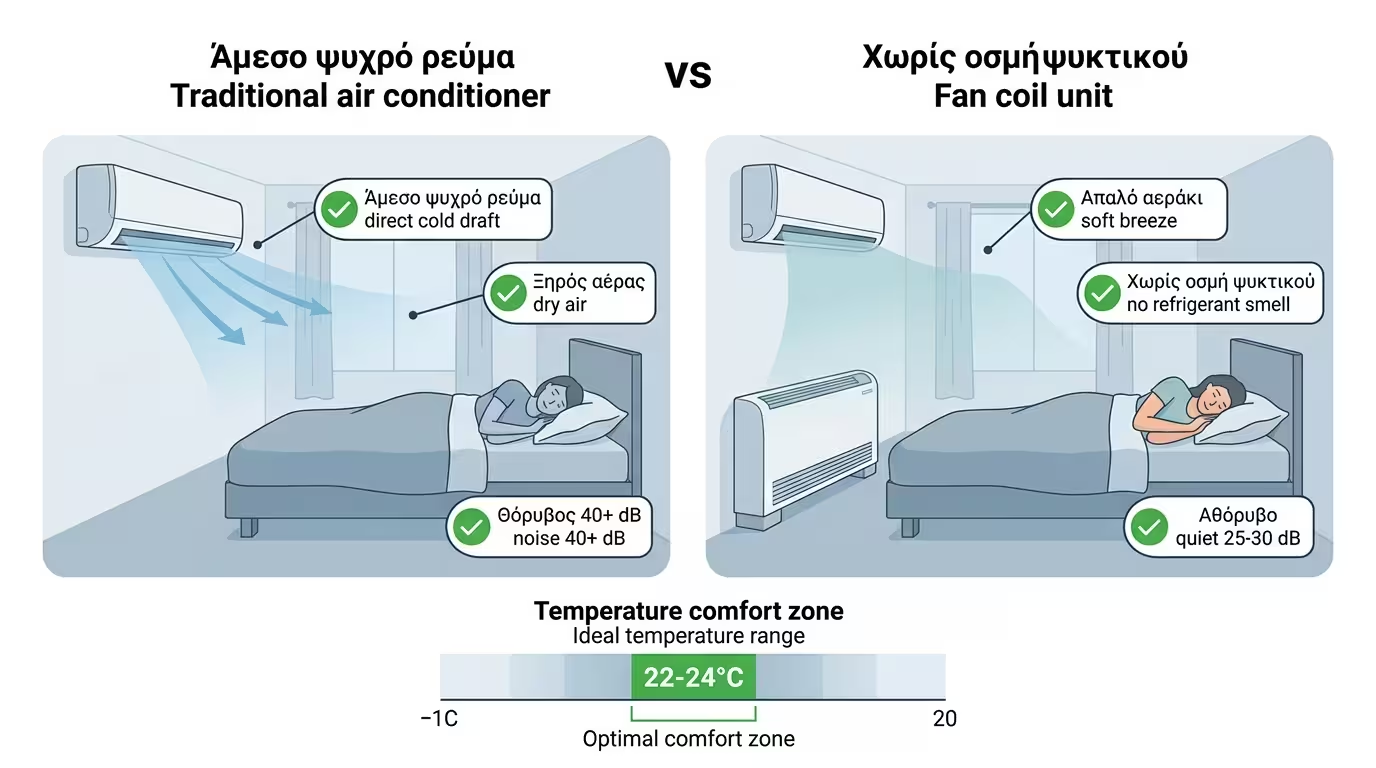
Fan Coil in bedroom - gentle air, no dry drafts, heating and cooling in one unit

Why do engineers in hotels, hospitals and modern villas choose Fan Coils (water systems) over traditional air conditioners (refrigerant systems)? The advantages are enormous in three critical areas:

😌 1. Gentle and Comfortable Temperature

Because the Fan Coil's coil has water at 7°C (in summer) rather than refrigerant at -5°C, the air that comes out does not feel harsh. It is much gentler and friendlier to the human body. It does not excessively dry out your throat and atmosphere, creating a natural sense of freshness or gentle warmth in winter.

🛡️ 2. Absolute Safety (Zero Toxic Leaks)

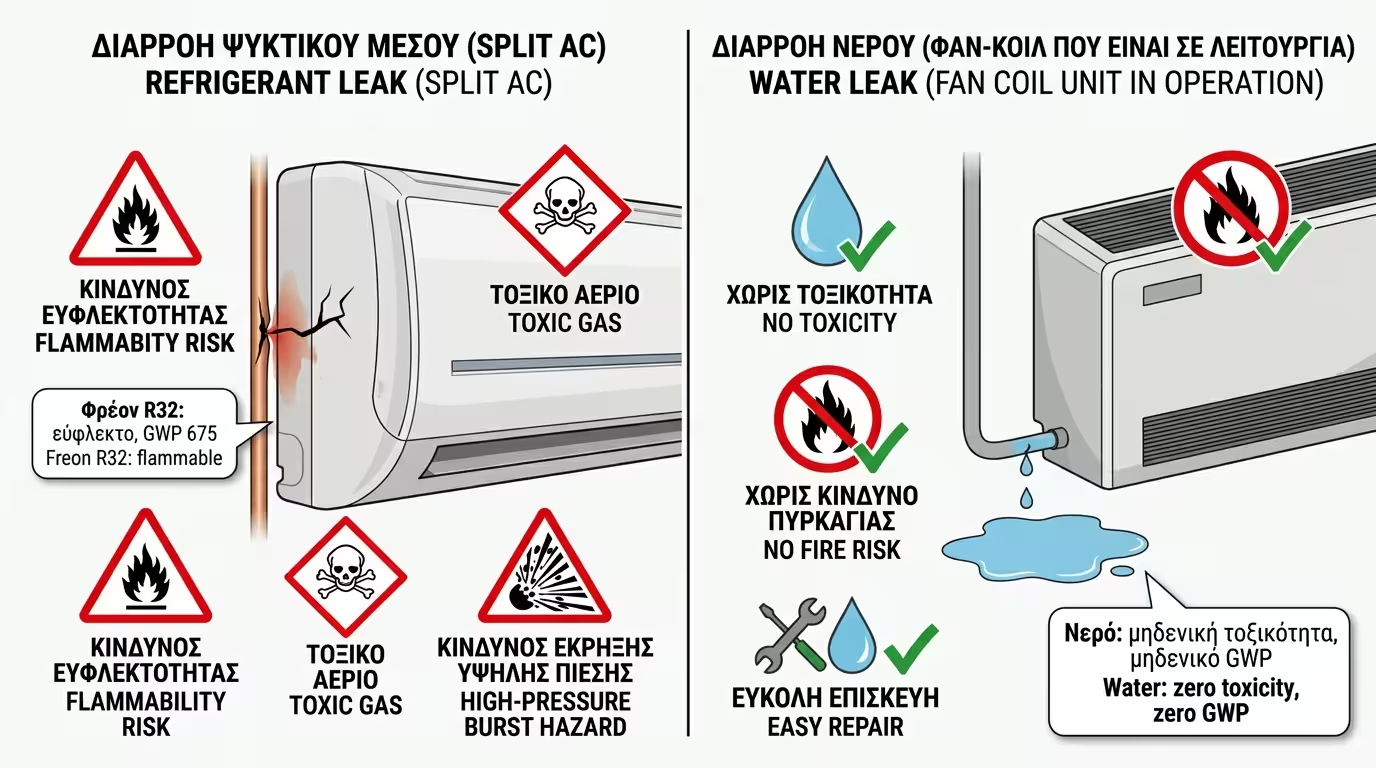
If a pipe bursts in a traditional air conditioner, the room fills with chemical gas (refrigerant), which is hazardous. If something leaks in a Fan Coil? A little water trickles out! You mop it up with a sponge and your plumber fixes it easily. Inside your home, only pure water circulates.

🔥❄️ 3. One Machine for Everything (Heating & Cooling)

By purchasing just one Heat Pump, your Fan Coils cover you 100% for all seasons. In winter, they work as powerful fan heaters that warm the space in 15 minutes (by blowing warm air), and in summer they transform into excellent air conditioners.

💰 Operating cost

The Heat Pump produces 3-5 times more energy (heat or cooling) than it consumes in electricity (COP ≥ 3). This translates to savings of 60-75% compared to equivalent electrical systems.

4. Summary: Why Fan Coils Are the Epitome of Modern HVAC

The Fan Coil takes the ecological and affordable energy produced by the Heat Pump (hot or cold water) and converts it instantly into thermal comfort inside the room. It is the most versatile and "gentle" alternative for those who do not want the aggressive drafts of traditional air conditioning.

Fan Coil safety - only water indoors, no refrigerant, no risk of toxic leaks

✅ Ideal for

Renovations (no floor ripping required), hotels (independent climate control per room), hospitals (safety without refrigerant), modern villas with heat pumps, and offices requiring rapid thermal response.

⚡ Speed

Unlike underfloor heating (which takes 1-2 hours), a Fan Coil heats or cools in 10-15 minutes. Ideal for spaces with intermittent use (meeting rooms, hotel rooms).

🏗️ Easy installation

Only requires 2 water pipes (supply + return) and 1 electrical connection. No floor excavation is needed, unless you want a concealed ceiling model.

🔮 What comes next

If you decide to install Fan Coils, you will discover that they come in many forms: floor-standing, ceiling-concealed, cassettes… In the next article, we analyse which type suits your space best!

💡 The Fan Coil is the most versatile HVAC solution: it heats, cools and dehumidifies with a single unit, using pure water instead of refrigerant. The ideal partner for Heat Pumps!

Related Articles

Emission Systems: Underfloor, Fancoils & Radiators

Return to category.

Go to category

Preview