📏 Why 15 cm?
It is the perfect sweet spot. It delivers ample heat (approximately 60–80 Watt/sqm), ensures the floor has a uniform temperature (no cold strips) and does not create excessive friction (pressure drop) in the circulator pump.
When you look at a photograph of underfloor heating before the screed is poured, you see kilometres of plastic pipe laid out like a maze. How close or far apart one pipe run is from the next is not random at all. It is called the Pipe Pitch and it is the decision that will determine whether your home heats up properly or your Heat Pump burns through electricity.
Think of the pipe as a radiator that has been unrolled across the floor. The more pipe you "pack" into one square metre, the more thermal output (Watt) you get from that square metre. The spacing between the pipes determines everything.
In most modern, well-insulated homes, the standard pipe pitch in living rooms and bedrooms is 15 centimetres. This means approximately 6.5 metres of pipe for every 1 square metre of floor area.
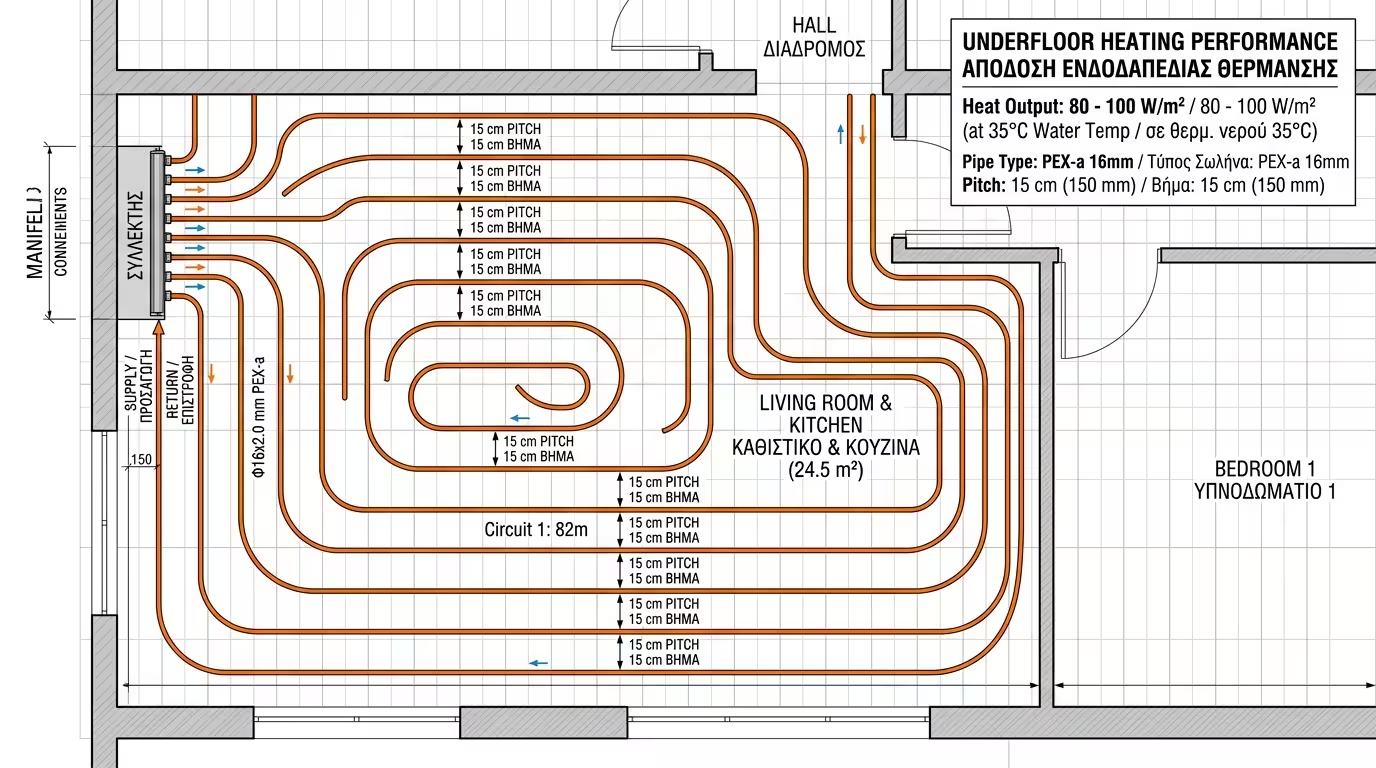
It is the perfect sweet spot. It delivers ample heat (approximately 60–80 Watt/sqm), ensures the floor has a uniform temperature (no cold strips) and does not create excessive friction (pressure drop) in the circulator pump.
If your living room is 30 sqm with 15 cm pitch, you will need approximately 195 metres of pipe - for that room alone! This is why underfloor heating requires careful design, so each circuit does not exceed 80–100 metres.
With 15 cm pitch, the temperature difference between the point directly above the pipe and the midpoint between two pipes is less than 2°C - practically undetectable when walking barefoot.
Living rooms, bedrooms, dining rooms, offices - any residential or commercial space with standard heating requirements (up to 80 Watt/sqm) and proper external insulation.
Densifying the pipe to 10 centimetres (approximately 10 metres of pipe per sqm) is the absolute trend in modern HVAC engineering. It is mandatory in two specific situations.
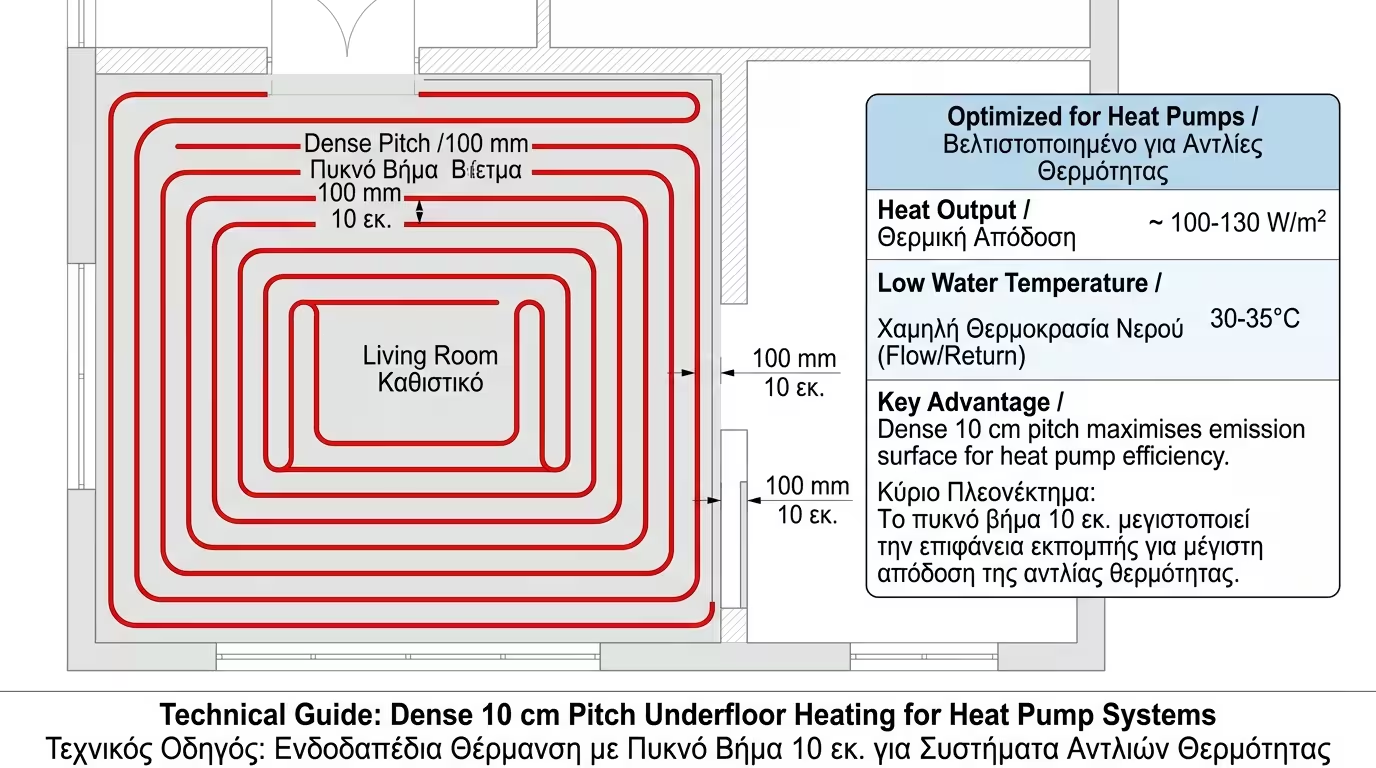
A Heat Pump achieves its best efficiency (lowest electricity consumption) when it heats water to very low temperatures (30°C to 35°C). However, if the water is that tepid, we need a much larger emission surface to heat the room.
By spacing pipes more densely (every 10 cm), we multiply the thermal output of the floor, allowing the Heat Pump to operate at idle. The result: enormous electricity savings on an annual basis.
In a bathroom we want plenty of heat (24°C), but the free floor area is minimal (the bathtub, basin and toilet occupy space, and pipes do NOT run beneath them).
To extract the missing heat from the 1–2 free square metres remaining in a bathroom, we lay the pipe ultra-densely at 10 cm (or add a heated towel rail to supplement the output).
If you see an installer laying underfloor pipes 20 or 30 centimetres apart in a residential home, they are probably stuck in the last decade. And the Perimeter Zone in front of glazing? That is where the skill of a good installer truly shows.
In the past, oil boilers sent 45°C–50°C water to the underfloor system. Because the water was so hot, pipes were spaced wide apart to prevent the screed from cracking. Today, sparse pitch (>20 cm) is used only in industrial spaces, warehouses, garages or greenhouses.
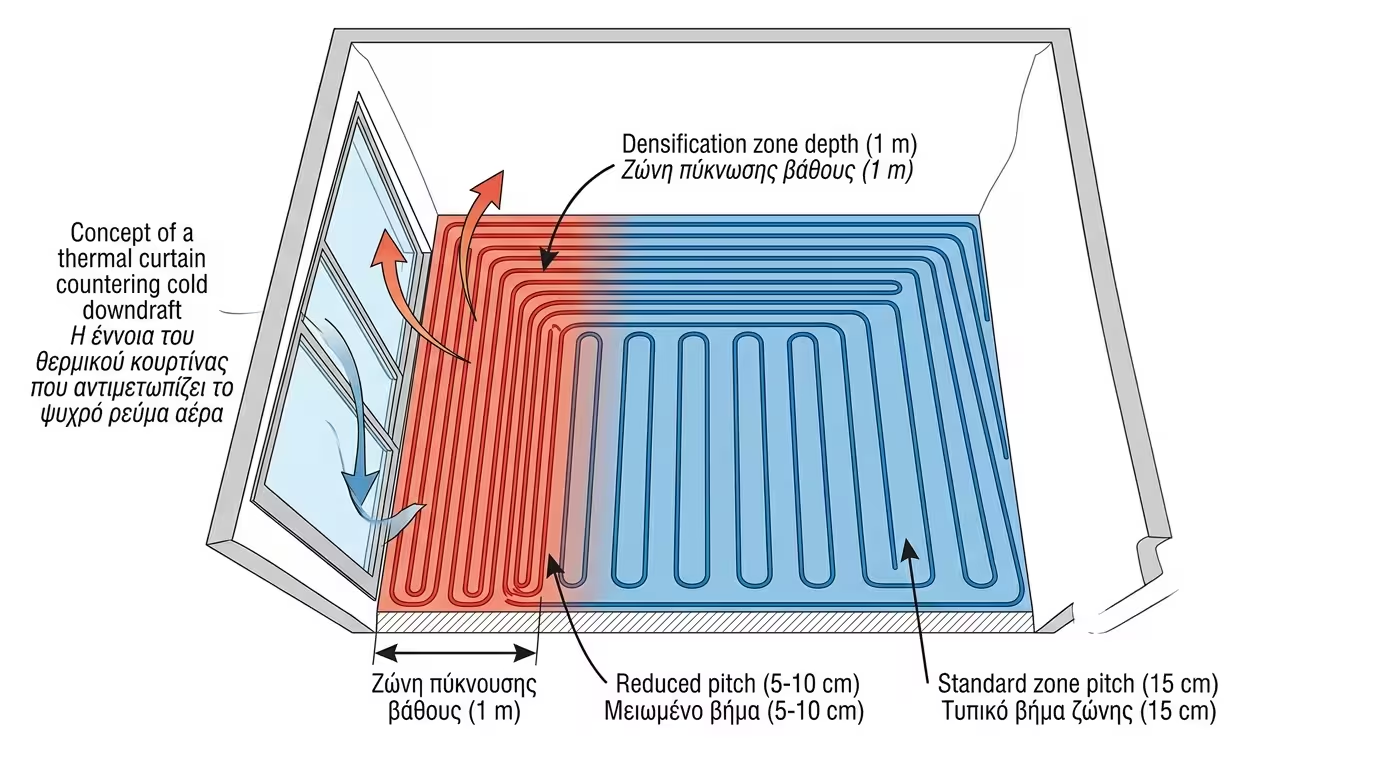
Imagine a large patio door. The air next to the glass freezes, becomes heavy and tumbles down to the floor, creating an icy draught at your feet (cold downdraft). This makes the room uncomfortably cold in the perimeter zone.
In the first 1 metre of floor directly in front of the large glazing or the north-facing external wall, the engineer specifies "densification". If the living room has 15 cm pitch, in that 1-metre strip the pipe is laid at 5 or 10 centimetres.
The floor in front of the patio door becomes noticeably warmer (emitting more Watts). It creates an invisible, hot "curtain" of air that rises upward, neutralising the cold from the glazing before it even enters the room!
The pipe pitch is the "throttle" of your underfloor system. Smaller pitch (denser) means lower water temperatures, enormous Heat Pump electricity savings and absolute thermal comfort.
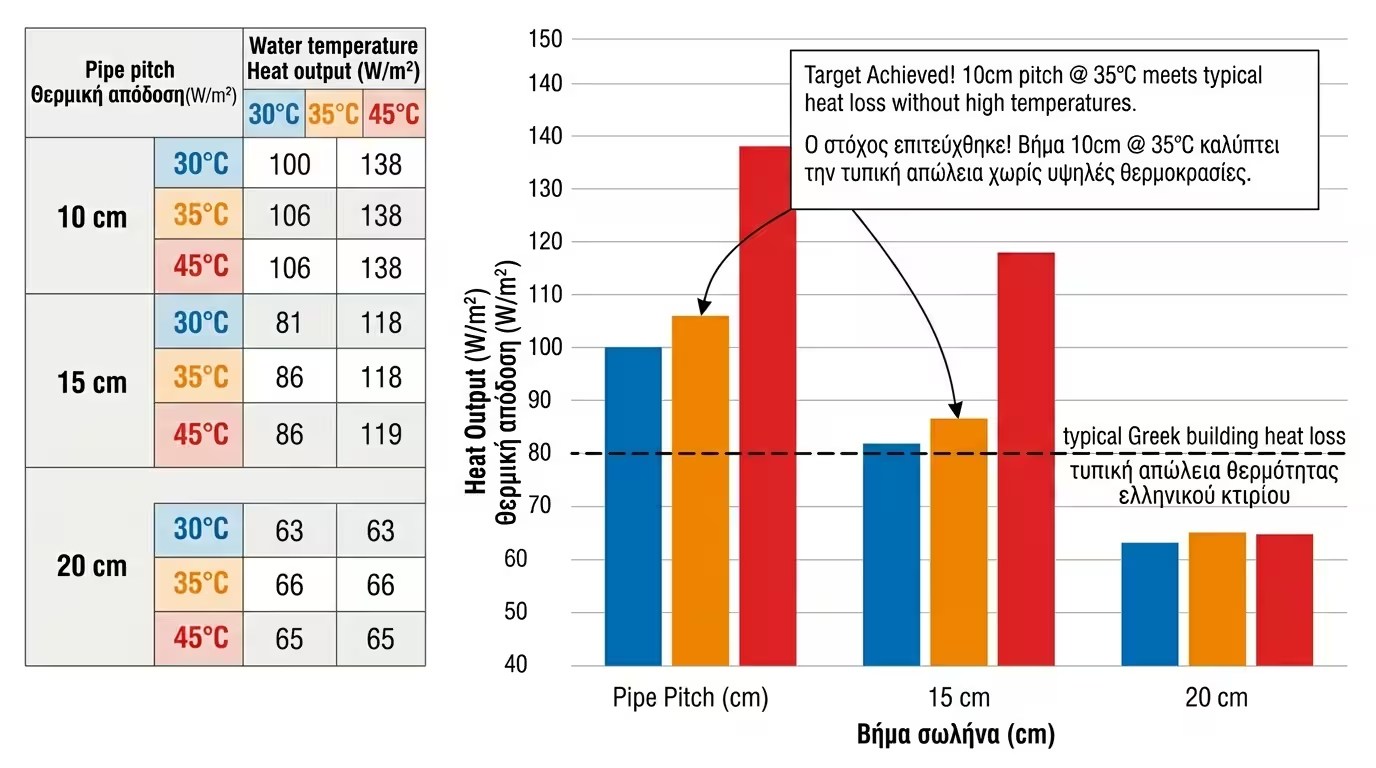
With 10 cm pitch and water temperature of 35°C, the output per sqm reaches approximately 100–120 Watts. Ideal for Heat Pumps, bathrooms and rooms with high thermal losses.
With 15 cm pitch and water temperature of 35°C, the output is approximately 60–80 Watts/sqm. The golden rule for living rooms, bedrooms and offices in well-insulated homes.
With 20 cm pitch the output drops to 40–50 Watts/sqm. Insufficient for residential use. Suitable only for industrial spaces, warehouses or greenhouses.
Do not accept "discounts" on pipe metres during construction, because you will be paying for them for a lifetime on your electricity bills. The pipe is cheap - the energy wasted with sparse pitch is expensive!
Return to category.
Go to categoryReturn to the central guide.
Go to guide