
Copper, Plastic (PEX) or Multilayer?
The ultimate comparison guide for installers. We analyse durability, cost and installation ease for each material in modern heating and cooling networks.
Read more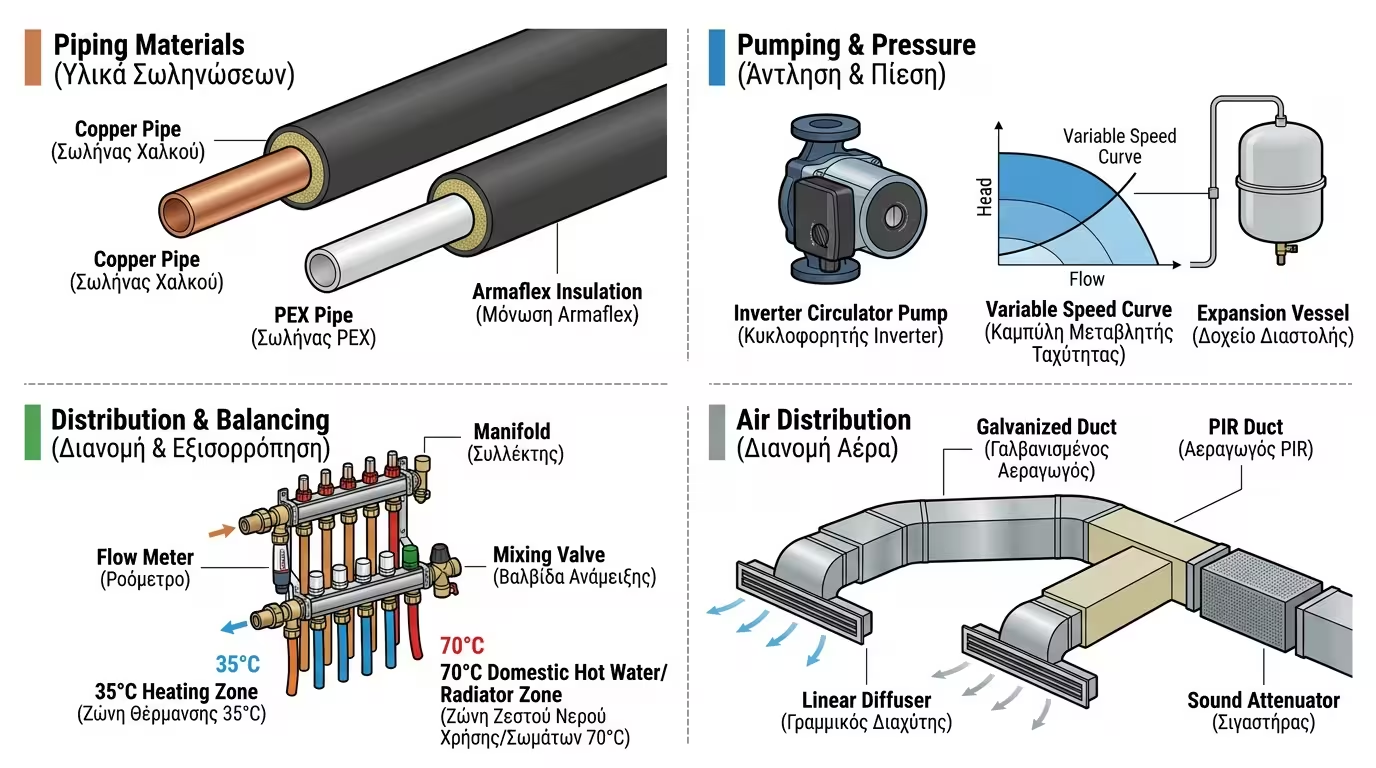
No matter how expensive your heat pump or boiler is, it will never perform properly if the distribution networks are poorly designed. Piping, circulators and ductwork are the "veins" of your building.
In this technical guide, we go behind the scenes of construction: from choosing the right materials and critical pressure tests, to the secrets of hydraulic balancing. Discover how to avoid catastrophic construction errors, how to perfectly insulate your networks and how to ensure silent, perfectly balanced operation in every room.
The backbone of every hydraulic and cooling installation. Choosing the right materials, excellent insulation and protection from thermal expansion determine the system's longevity and absence of leaks.
The ultimate comparison guide for installers. We analyse durability, cost and installation ease for each material in modern heating and cooling networks.
Read moreHow to calculate the correct insulation thickness. See why poor insulation costs thousands in thermal losses and creates dangerous condensation on cooling networks.
Read more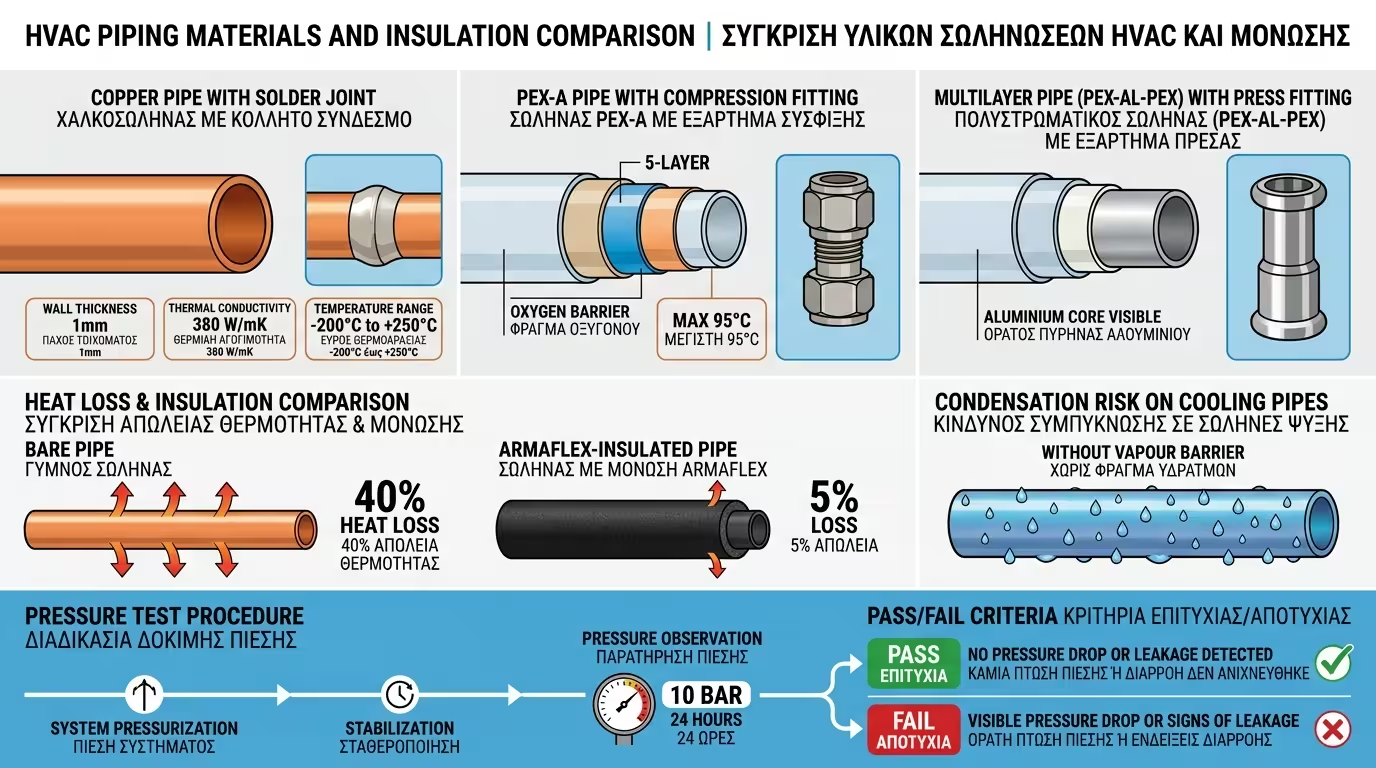
Where pipes should run (floor, wall or false ceiling) and what the builder must watch for at crossings with electrical conduits.
Read moreInstallation and connection techniques. The golden rule of construction: Why concealed joints under the floor (hidden) are absolutely prohibited.
Read moreStep-by-step leak testing procedure. What the supervising engineer or owner must demand before the screed or floor fill is poured.
Read moreHow material expansion is calculated with temperature changes and the proper use of supports and special omega (Ω) expansion loops to prevent joint failures.
Read moreHow we seal the holes where pipes pass through, to achieve the absolute airtightness that a passive building requires.
Read moreThe modern installer's secret to preventing air leaks around heat pump pipe penetrations and avoiding thermal bridges.
Read moreDid you know that freezing air travels inside conduits (between the pipe and the flexible sleeve)? How we seal the ends (End-caps) to stop it.
Read moreHearing a "bang" every time a valve closes? How anti-vibration mounts and water hammer arrestors save your pipes and your peace.
Read moreThis is where the "heart" beats that pushes water through the system. Proper pressure management, water cleaning and smooth circulation are the elements that protect your expensive equipment from serious damage.
How they work, why legislation now makes them mandatory and how they save enormous amounts of electricity by adapting flow to demand.
Read moreHow it is sized, where it must be placed and how the air pressure is correctly adjusted. An essential reference for installers and maintenance technicians.
Read more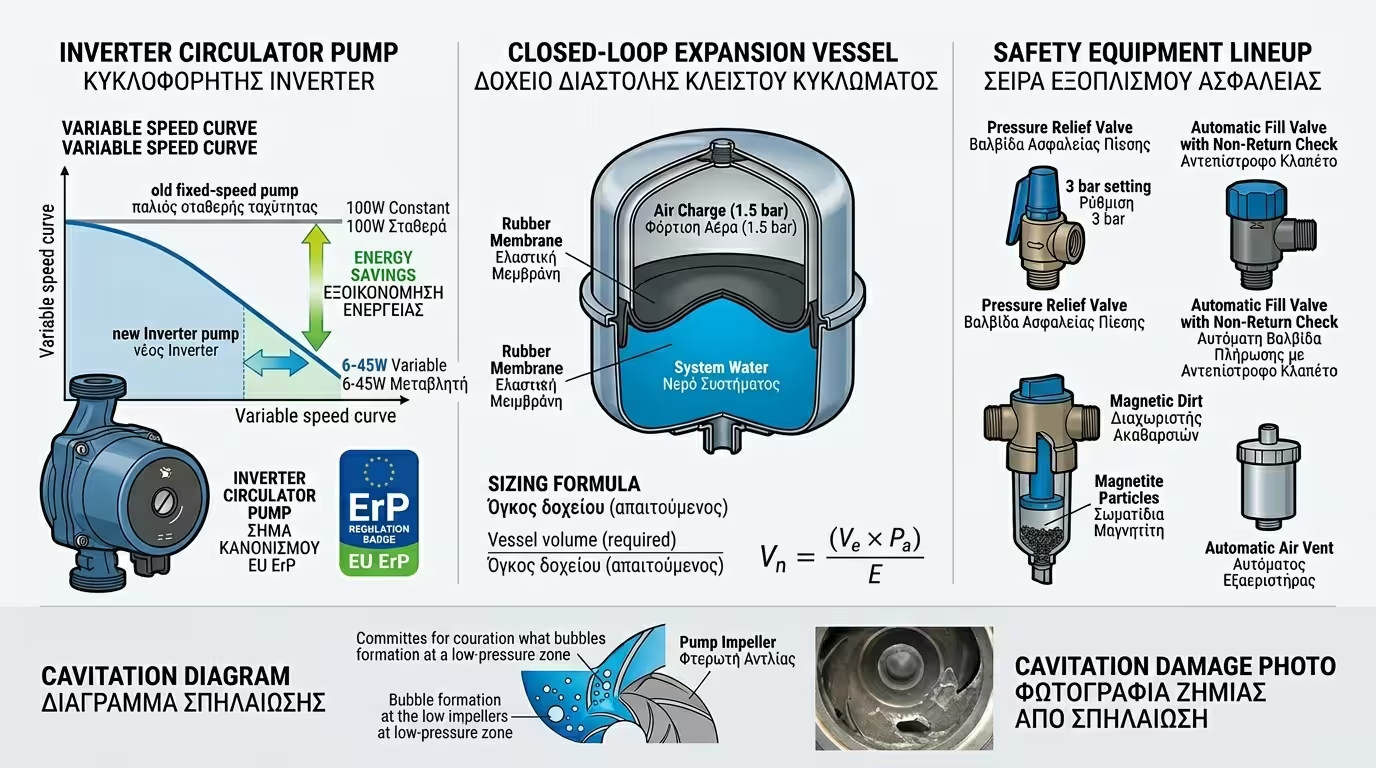
Meet the critical components that act as "guards", protecting the boiler or heat pump from dangerous over-pressure and explosions.
Read moreWhat is that strange noise in the circulator (like gravel)? Technical analysis of the phenomenon that destroys pump impellers.
Read moreWhy their installation is 100% essential in modern heat pumps, protecting the sensitive heat exchanger from sludge and magnetite.
Read moreThe definitive solution to the eternal problem: "The radiator in the living room is boiling, but the back bedroom's is lukewarm". Learn how we tame water flow to ensure uniform temperature everywhere.
Why water is "lazy" and always takes the easiest path. How we mechanically force it to distribute evenly to all radiators in the house.
Read moreA guide to your water control panel. Proper selection, placement and how to fine-tune the flow meters (rotameters).
Read more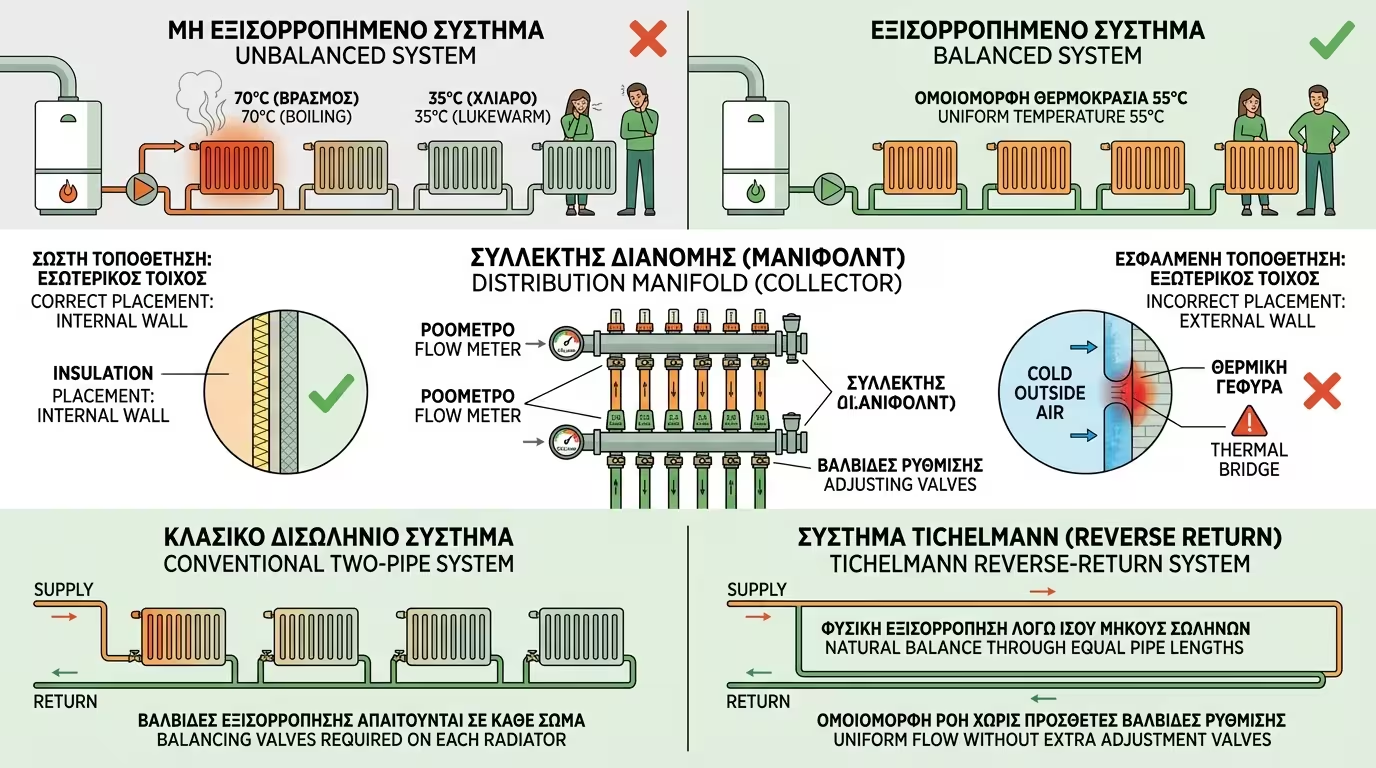
Why cutting into external walls to hide the manifold is prohibited. How it creates thermal bridges, moisture and what the correct position is.
Read moreHow is it possible to have water at 35°C for the floor and 70°C for the boiler from the same source simultaneously? The role of mixing valves in the system.
Read moreDynamic vs static balancing in variable flow networks. A purely mechanical engineering guide for large, complex building installations.
Read moreThe clever, geometric piping routing method that achieves natural (automatic) hydraulic balancing without the need for regulating valves.
Read moreCentral air conditioning and ventilation require enormous attention to duct design. A poorly designed network translates into annoying air drafts, high noise (whistling) and massive energy losses.
What material to choose for your AC ducts. We compare classic metal with modern, lightweight polyurethane panels.
Read moreWhen their use is permitted (diffuser connections) and why they dramatically reduce air pressure if not properly stretched or if they fold.
Read more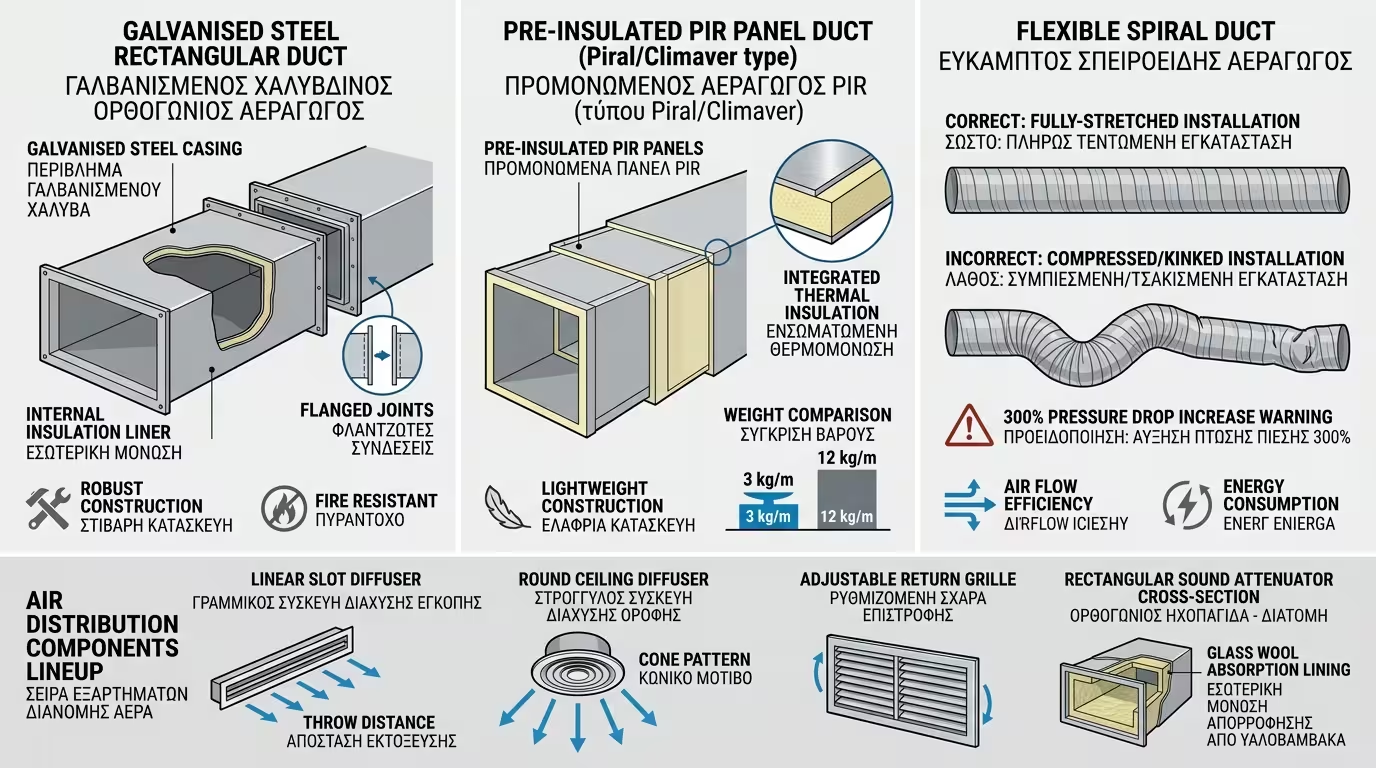
ASHRAE design guide for engineers. How we calculate duct cross-sections so air doesn't whistle and reaches every room uniformly.
Read moreLinear, round or adjustable? How to choose the right air diffuser based on throw distance and room height.
Read moreHow we "kill" the mechanical fan noise inside ducts before it reaches the bedroom or your workspace.
Read moreReturn to the full heating-cooling guide for energy production, emission systems, ventilation, automation and energy design.
Go to guidePlanning a new hydraulic installation or network upgrade - contact us for expert guidance.
Contact Us