💨 Nitrogen chamber
The upper chamber is filled with pressurised nitrogen (N₂) or dry air. This acts as an "airbag". Factory charge pressure is typically 1.0 or 1.5 bar.
Every closed heating circuit -whether powered by a gas boiler, heat pump or pellet boiler- faces an inescapable law of physics: when water heats up, its volume increases. This is thermal expansion.
In an open tank (old systems), excess water simply overflowed. In modern closed circuits, we need a "cushion" that absorbs this expansion without pressure skyrocketing. That is exactly what the expansion vessel does.
A closed-type expansion vessel looks like a red metallic balloon - usually spherical or cylindrical. Inside, a flexible membrane made of butyl or EPDM divides the vessel into two chambers.
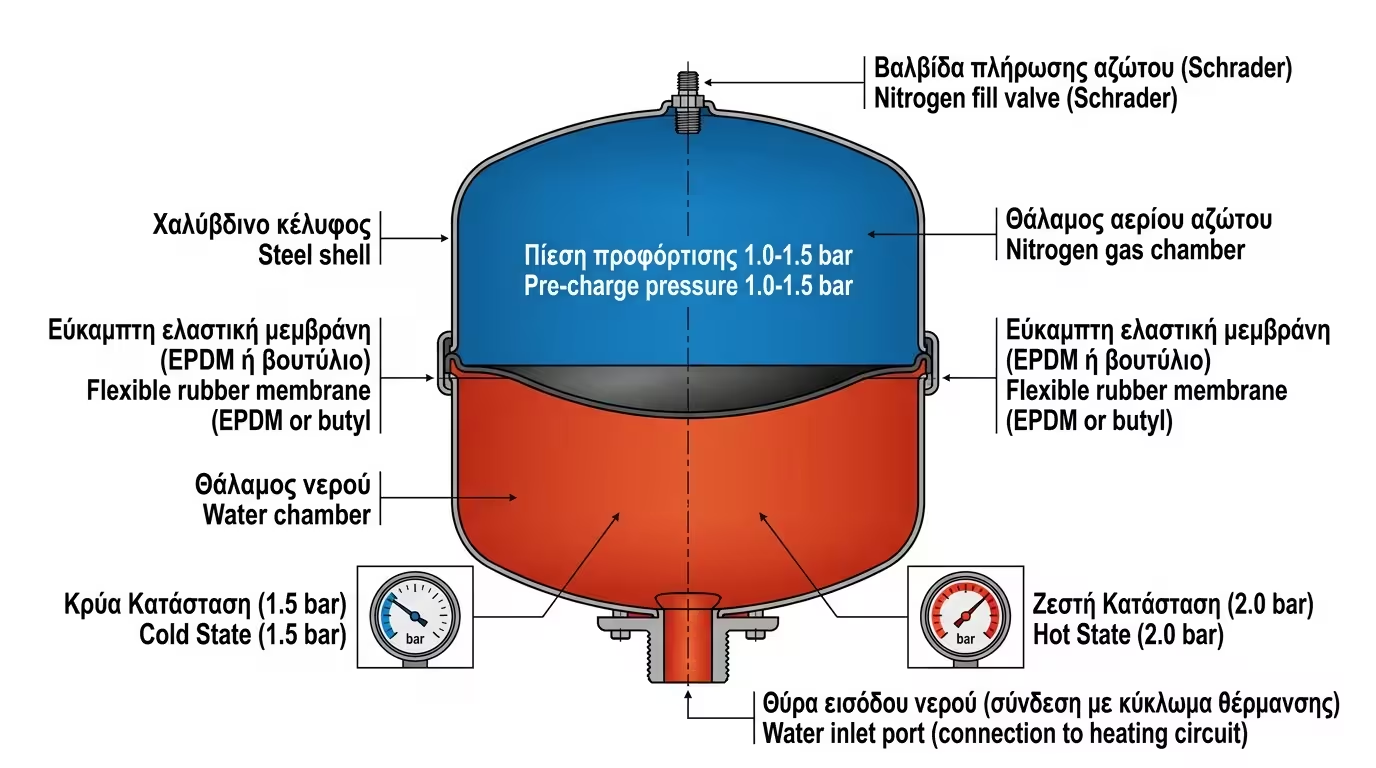
The upper chamber is filled with pressurised nitrogen (N₂) or dry air. This acts as an "airbag". Factory charge pressure is typically 1.0 or 1.5 bar.
The lower chamber connects to the circuit's pipework. When water heats and expands, it pushes the membrane upward, compressing the nitrogen.
The flexible membrane allows the water to "breathe" without a dramatic pressure rise. The airbag absorbs the expansion, pressure increases slightly (0.3-0.5 bar), and everything remains safe.
When the boiler stops and water cools, volume decreases. The membrane pushes water back into the circuit, maintaining stable pressure under all conditions.
A correctly sized vessel is worthless if installed in the wrong position. Its location determines whether it functions correctly or creates problems.
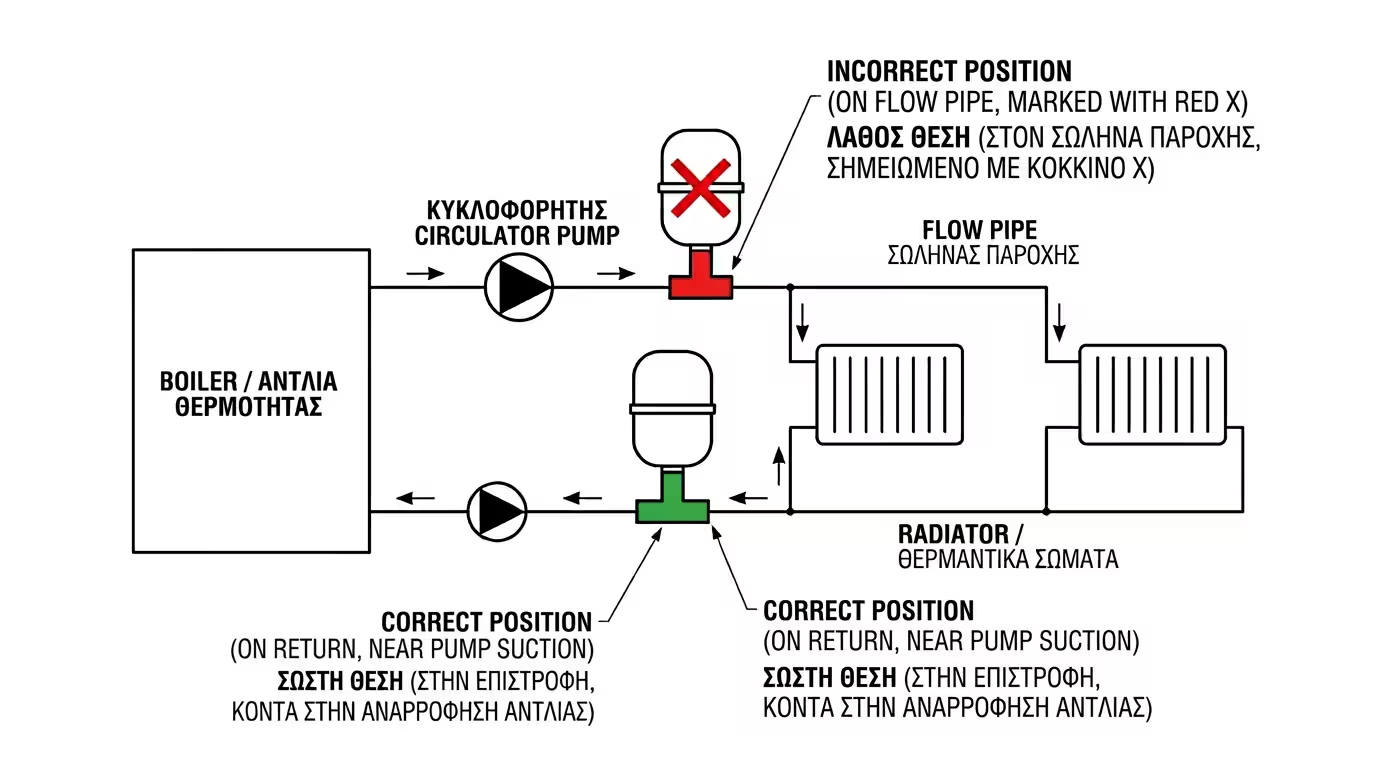
The vessel must connect to the return pipe (cooler side), before the circulator. The lower temperature there extends the membrane's life by years.
Never install an isolation valve between the vessel and the circuit. If accidentally closed, pressure will spike uncontrollably and the safety valve will open, draining the system.
Every circuit has a specific water volume. The engineer calculates expansion based on the maximum temperature (e.g. 80°C) and selects a vessel with adequate capacity (typically 8-35 litres for dwellings).
Most residential expansion vessels connect via a 3/4-inch threaded fitting. The connection must be snug but not overtightened, as this can strip the threads. Use PTFE tape or hemp for a reliable seal. A properly sealed connection prevents micro-leaks that gradually bleed pressure from the system over weeks and months.
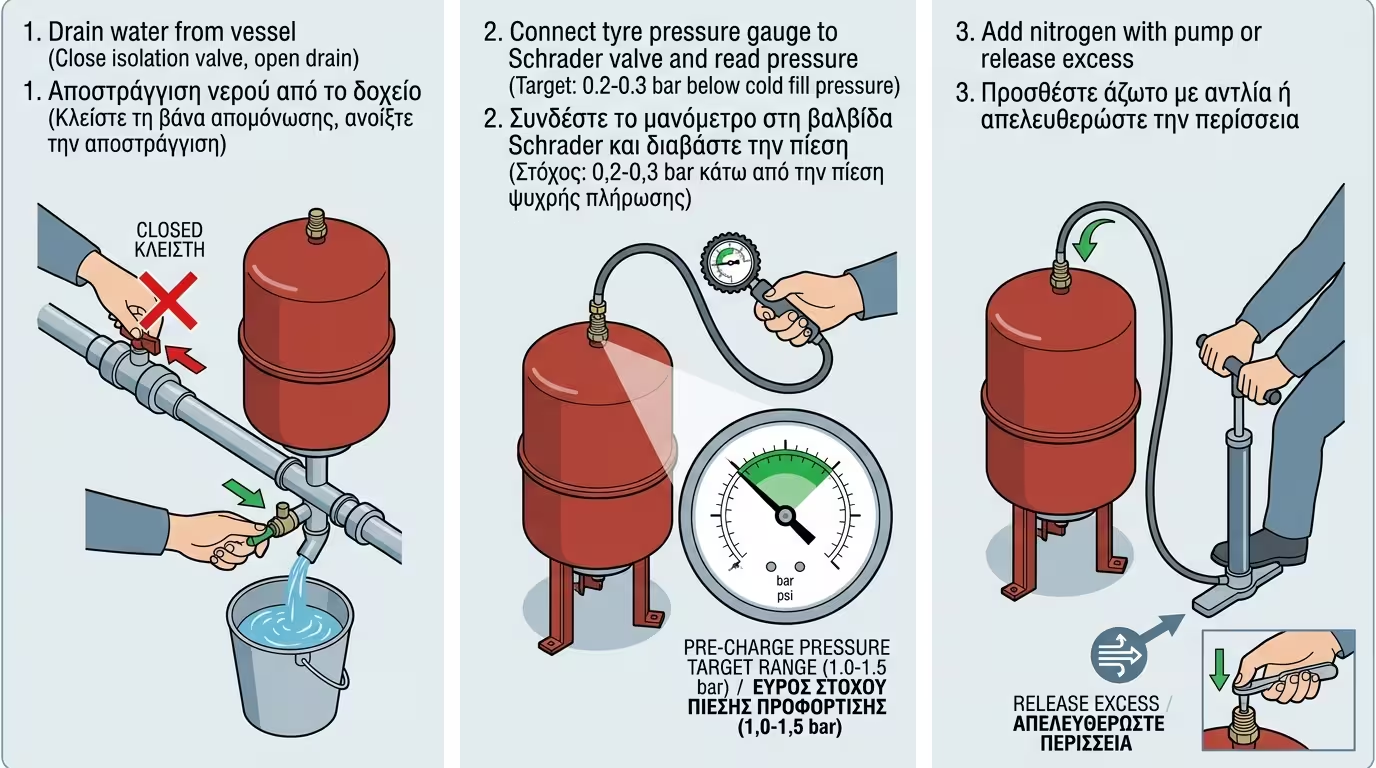
This is the maintenance task almost nobody performs, yet it saves thousands of euros. Every 1-2 years, the technician must verify that the nitrogen pressure inside the vessel is at the correct value.
Find the Schrader valve on the top (it looks like a car tyre valve). First drain the circuit, then measure the nitrogen pressure. The value should be ~0.2 bar below the static operating pressure.
It means the nitrogen has leaked (normal after years). The membrane drops, the vessel fills 100% with water and can no longer absorb expansion. Circuit pressure fluctuates wildly.
The technician uses a small nitrogen pump (or tyre inflator) and refills the chamber to the correct pressure. The entire procedure takes less than 10 minutes.
A fast, informal check: tap the vessel gently with your knuckles. If you hear a "ting" (metallic) at the top, nitrogen is still present. If you hear a "thud" (heavy) everywhere, the vessel is most likely waterlogged and needs professional inspection or full replacement.
The membrane does not last forever. After 10-15 years of use, it may tear. When this happens, the two sides (air and water) mix and the vessel loses its function completely.
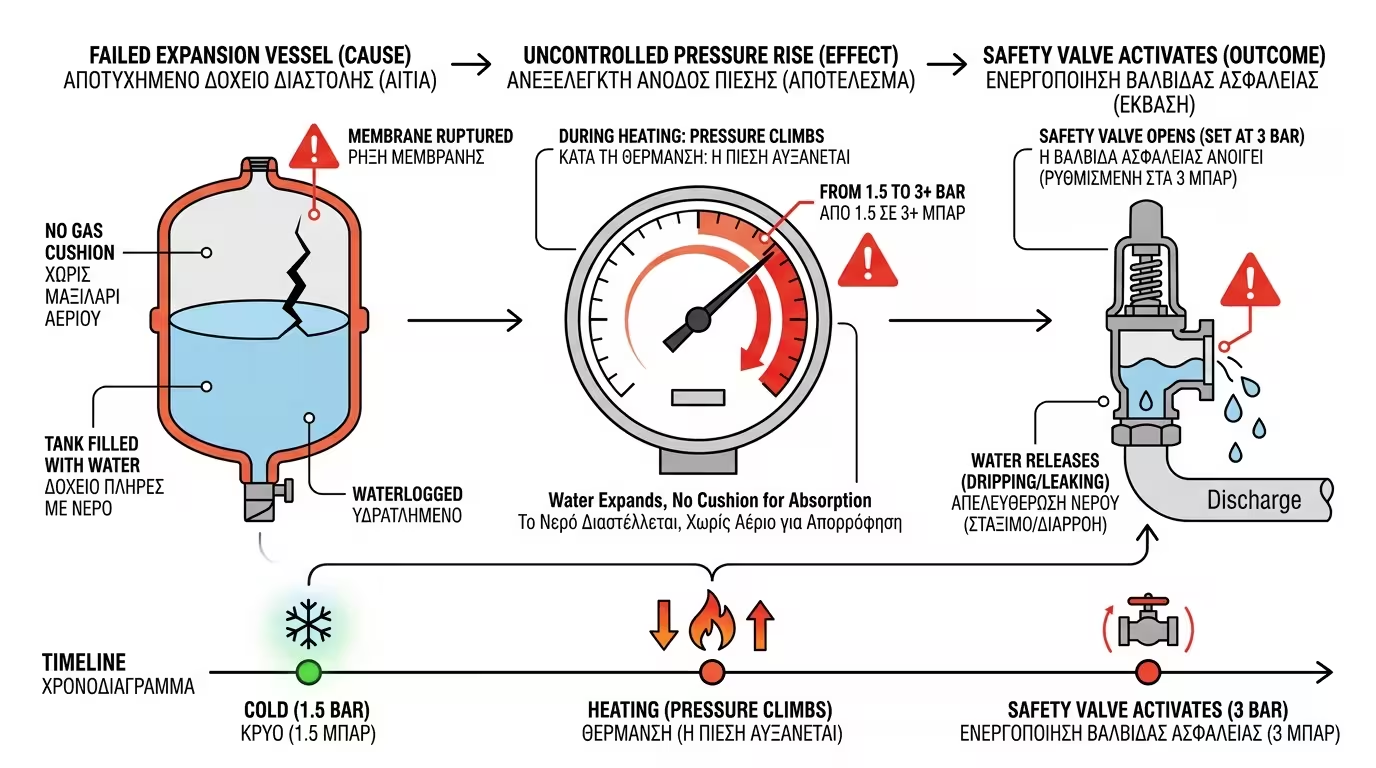
The pressure gauge climbs above 3 bar as soon as the boiler fires, and drops to zero when it shuts off. This is the classic symptom of a dead expansion vessel.
The safety valve (3 bar) opens periodically and releases water. This means pressure is hitting the limit, i.e. the vessel is no longer absorbing expansion.
The opposite: over days, pressure gradually falls. The owner must top up water frequently. This usually means a torn membrane or a small leak in the valve.
A new vessel costs €40-120 for residential systems. Replacement is straightforward (drain, unscrew, screw on new). It is not worth risking your boiler or heat pump.
💡 The expansion vessel is a €60-100 component that protects equipment worth thousands. Ask your technician to check the nitrogen pressure every year during the annual service.
Return to category.
Go to categoryReturn to the central guide.
Go to guide