🔩 Construction
Cut, rolled and pressed into rectangular or circular cross-sections. Pieces join with flanges or folded joints (Pittsburgh, TDC). Sealing is done with mastic or tape.
Ducts are the "arteries" of a centralised HVAC system. They carry cooled or heated air from the central unit to every room. But the material you choose determines insulation, noise, durability - and cost.
In this guide we compare the two dominant technologies: the classic galvanised steel duct with external insulation vs the pre-insulated PIR panel - a lightweight, modern aluminium-polyurethane system.
The galvanised duct (0.6-1.2 mm galvanised steel sheet) has been the industrial standard for 60+ years. Every major building - shopping centre, hospital, factory - uses primarily galvanised ductwork.
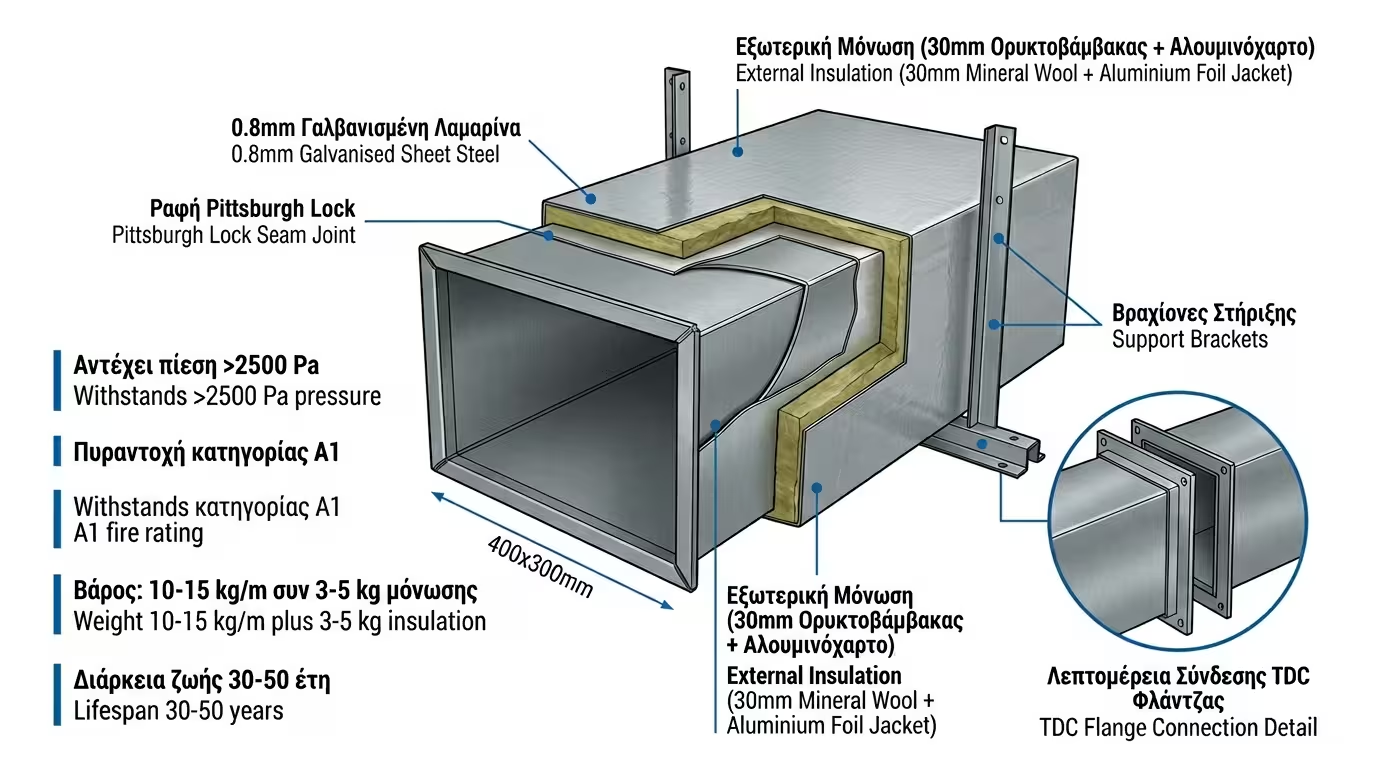
Cut, rolled and pressed into rectangular or circular cross-sections. Pieces join with flanges or folded joints (Pittsburgh, TDC). Sealing is done with mastic or tape.
Withstands high pressures (>2,500 Pa), resists scratches, is non-combustible (A1 fire rating), lasts 30-50 years. Ideal for main trunks with large cross-sections.
Metal is an excellent heat conductor. Without external insulation (mineral wool + aluminium foil or Armaflex), the air loses degrees every metre - and condensation appears on the outside.
One running metre of 400×300 mm galvanised duct weighs 10-15 kg (+ 3-5 kg insulation). In low ceiling voids, this can be a problem - it doesn't always fit.
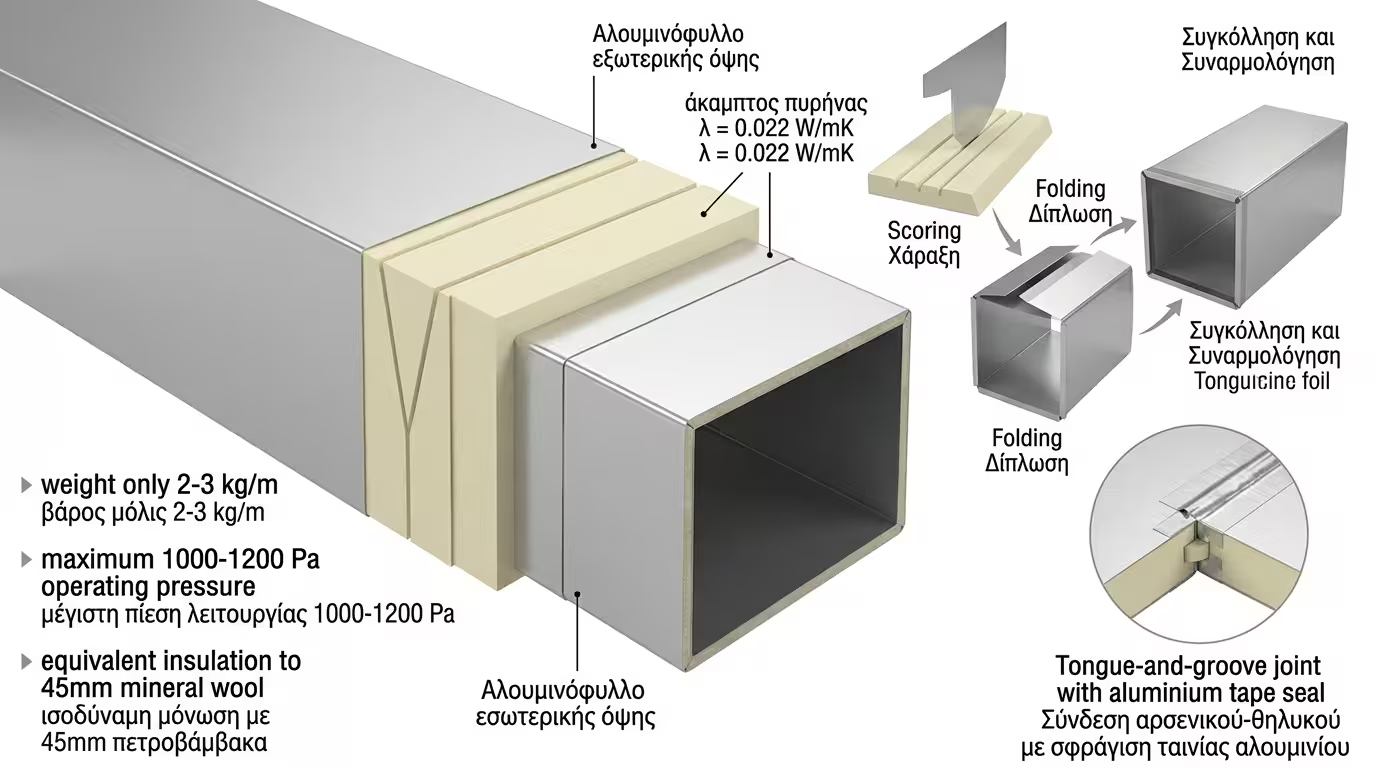
PIR ducts (Polyisocyanurate) are rigid foam panels (20-30 mm) faced with aluminium foil on both sides. They are cut, scored and glued into duct shapes - no machinery, no factory needed.
One running metre of 400×300 mm PIR duct weighs just 2-3 kg - five times lighter than galvanised + insulation. It hangs from simple wire supports. Ideal for low ceiling voids.
PIR foam has λ = 0.022 W/mK - 50% better than mineral wool. A 22 mm panel equals 45 mm of mineral wool. No separate insulation needed - install and done.
Foam absorbs noise rather than reflecting it (as metal does). In homes, this means lower noise in rooms - often eliminating the need for sound attenuators entirely.
PIR panels withstand up to 1,000-1,200 Pa. In industrial buildings or central AHUs with high pressures, galvanised remains the mandatory choice.
If the galvanised duct isn't insulated, 15-25% of cooling/heating energy is lost. In buildings, this means massive electricity waste - every lost degree costs money.
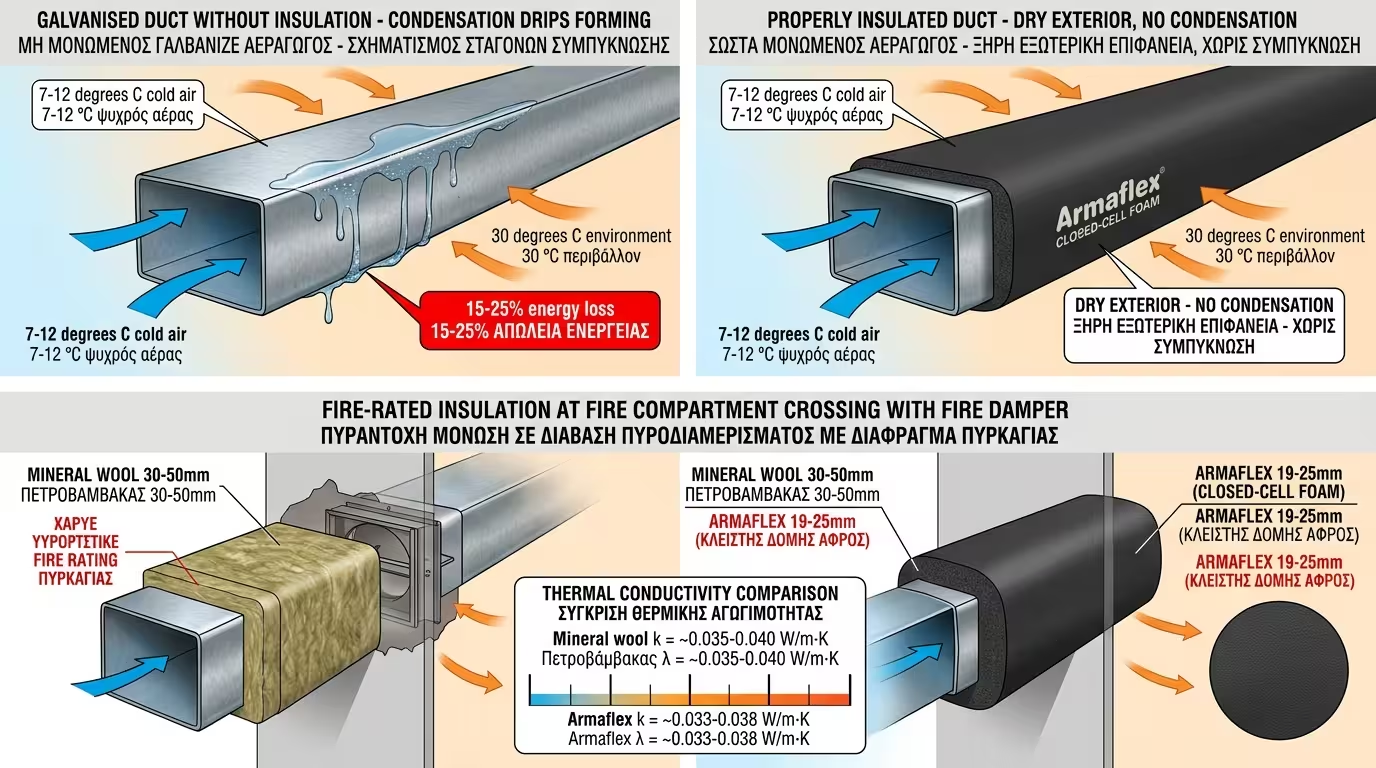
Cold air (7-12°C) inside the duct chills the metal. Warm room air (30°C) condenses on the outside - drips onto the ceiling, rotting plasterboard and causing stains.
30-50 mm mineral wool + aluminium foil is the classic insulation. Armaflex (closed-cell foam) gives better anti-condensation performance but costs more - ideal for chilled-water networks.
At fire compartment crossings (e.g. stairwells), the duct must carry fire-rated insulation (EI 60 or EI 120). Without it, the duct becomes a "candle" carrying fire throughout the building.
At every fire compartment crossing, fire dampers are installed that automatically close at >72°C. They prevent the spread of smoke and flame through the duct network.
The right decision depends on three factors: building type (residential/commercial/industrial), operating pressure and available ceiling void height.
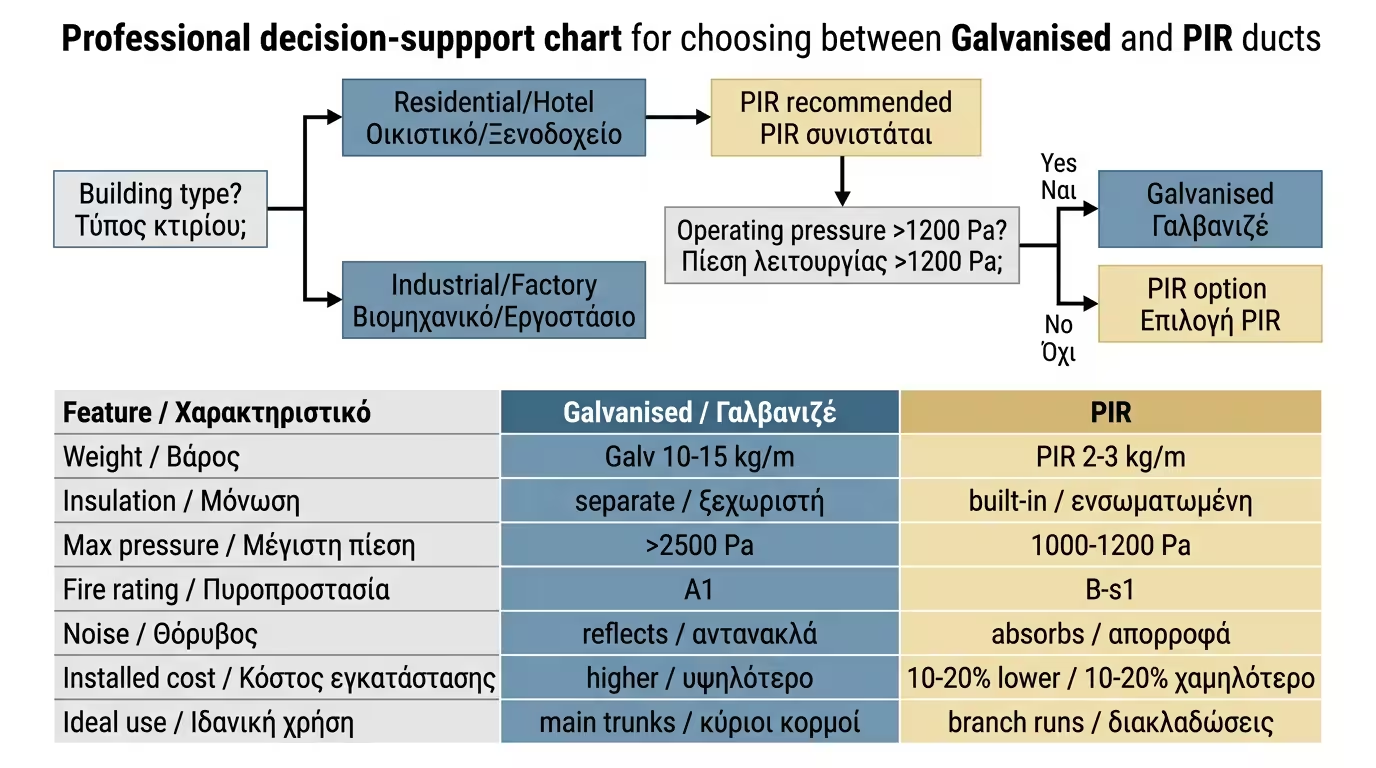
In most cases, PIR wins: lighter, already insulated, noise-absorbing, fits in tight 25-30 cm ceiling voids. Galvanised is justified for main trunks with high airflow.
Here galvanised dominates: high pressure resistance, impact durability, non-combustible (Class A1). PIR panels can't handle industrial pressures and dust.
PIR costs 10-20% less installed (fewer labour hours, no insulation contractor). Galvanised costs less in material but requires a separate insulator - which in the end drives total cost higher.
The ideal solution is often a combination: galvanised for main trunks (high pressure, large cross-section) + PIR for branch runs (small sections, near rooms). Optimal balance of cost and performance.
💡 A duct isn't just an "air pipe". It is the backbone of your HVAC system. Right material + right insulation = years of service without noise, moisture or waste.
Return to category.
Go to categoryReturn to the central guide.
Go to guide