❌ Without Insulation (or poor insulation)
The pipe acts like a huge, hidden radiator. It radiates its heat into the concrete. By the time the water finally reaches the living room, its temperature has dropped to 52°C!
Imagine making a hot coffee on a winter morning and, instead of a thermos flask, pouring it into a thin plastic cup. By the time you reach the office, the coffee is ice cold and your hand has been burned.
This is exactly what happens when the hot (or chilled) water in your HVAC system travels through "bare" or poorly insulated pipes from the boiler room to the radiators or fan coils in the living room. Pipe insulation is not a luxury; it is the only way to ensure the energy you paid for actually reaches its destination.
Let us look at the two great enemies of piping and how Closed-Cell Elastomeric Insulation (commercially known as Armaflex) saves the day.
Suppose the heat pump on the roof heats the water to 60°C. This water must travel 15 metres through pipes buried in the cold external wall or floor, to reach the living room radiator.
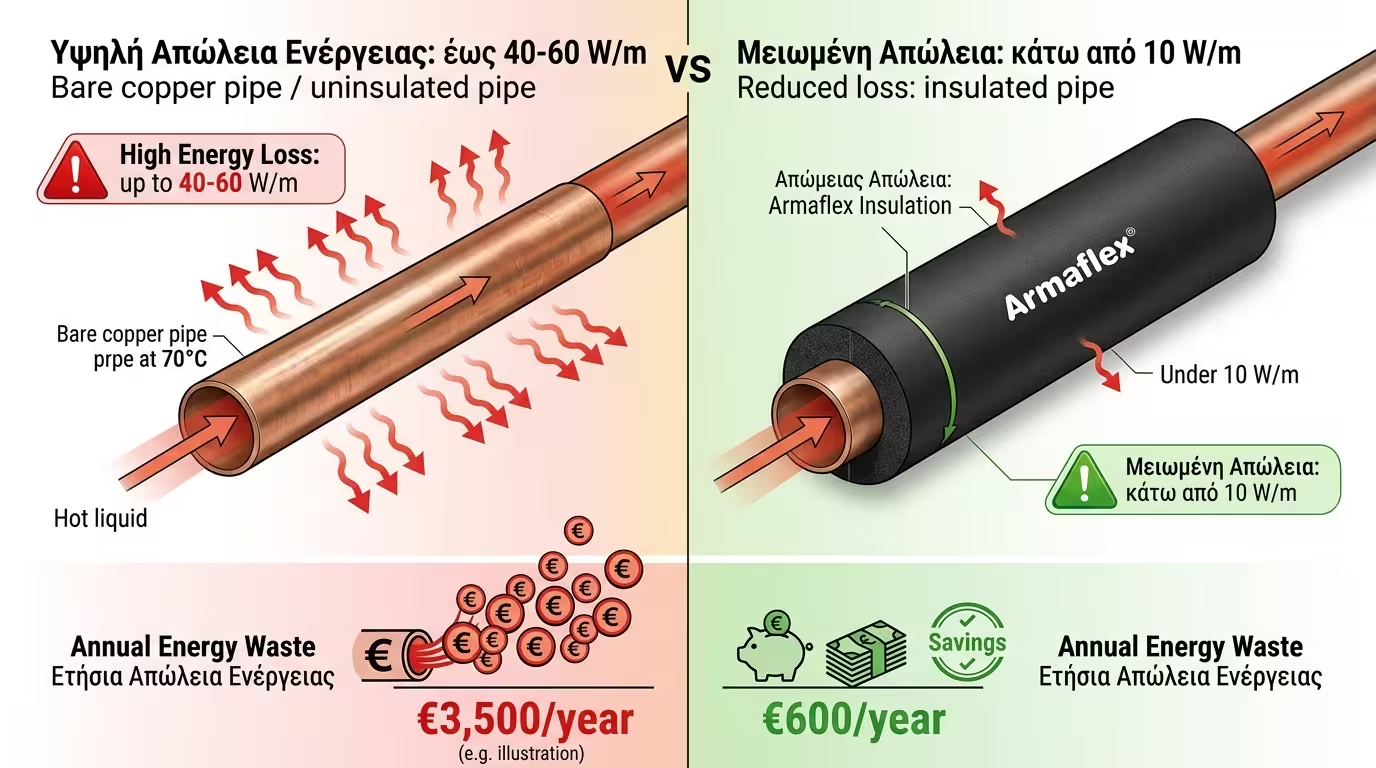
The pipe acts like a huge, hidden radiator. It radiates its heat into the concrete. By the time the water finally reaches the living room, its temperature has dropped to 52°C!
The radiator underperforms, the house takes ages to warm up, and the heat pump runs non-stop (burning expensive electricity) to compensate for the heat lost inside the walls. Over a 10-year period, this loss translates into thousands of euros of wasted electricity.
If lack of insulation in winter costs you money, in summer it costs you… the building itself. When you have a water-based cooling system (e.g. fan coils or chilled underfloor), 7°C ice-cold water circulates inside the pipes.
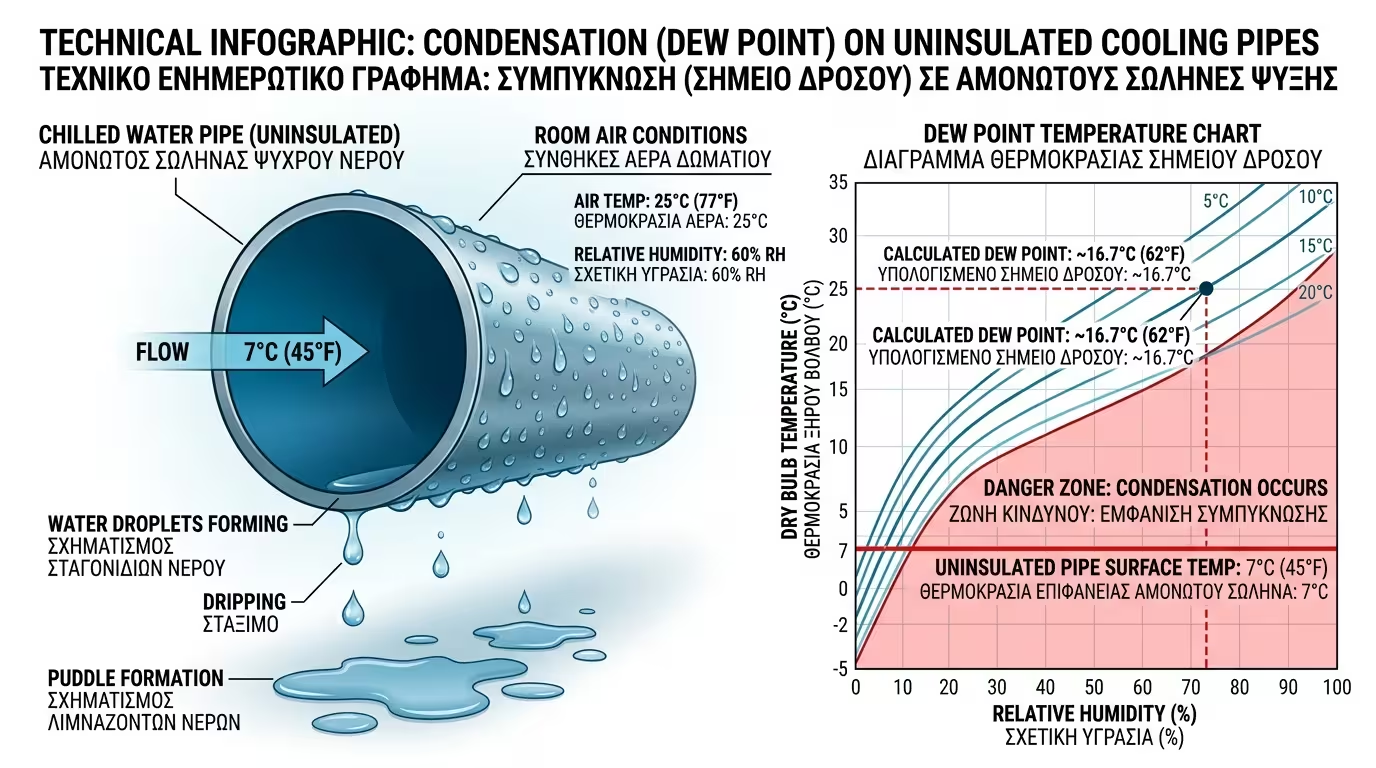
The ambient air outside the pipe is warm (e.g. 30°C) and contains moisture. When this warm, humid air contacts a freezing pipe, condensation occurs (dew point). The pipe starts to "sweat", exactly like a chilled soft-drink can.
This "sweat" is not just a few droplets. It is a continuous stream of water. If the pipe runs above the false ceiling, the water soaks the plasterboard, creates huge yellow stains, breeds mould and eventually the ceiling collapses into your living room.
For decades, plumbers used cheap, white or grey foam material (polyethylene) around pipes. This material is acceptable for a simple cold water supply, but it is entirely inadequate for serious HVAC work.
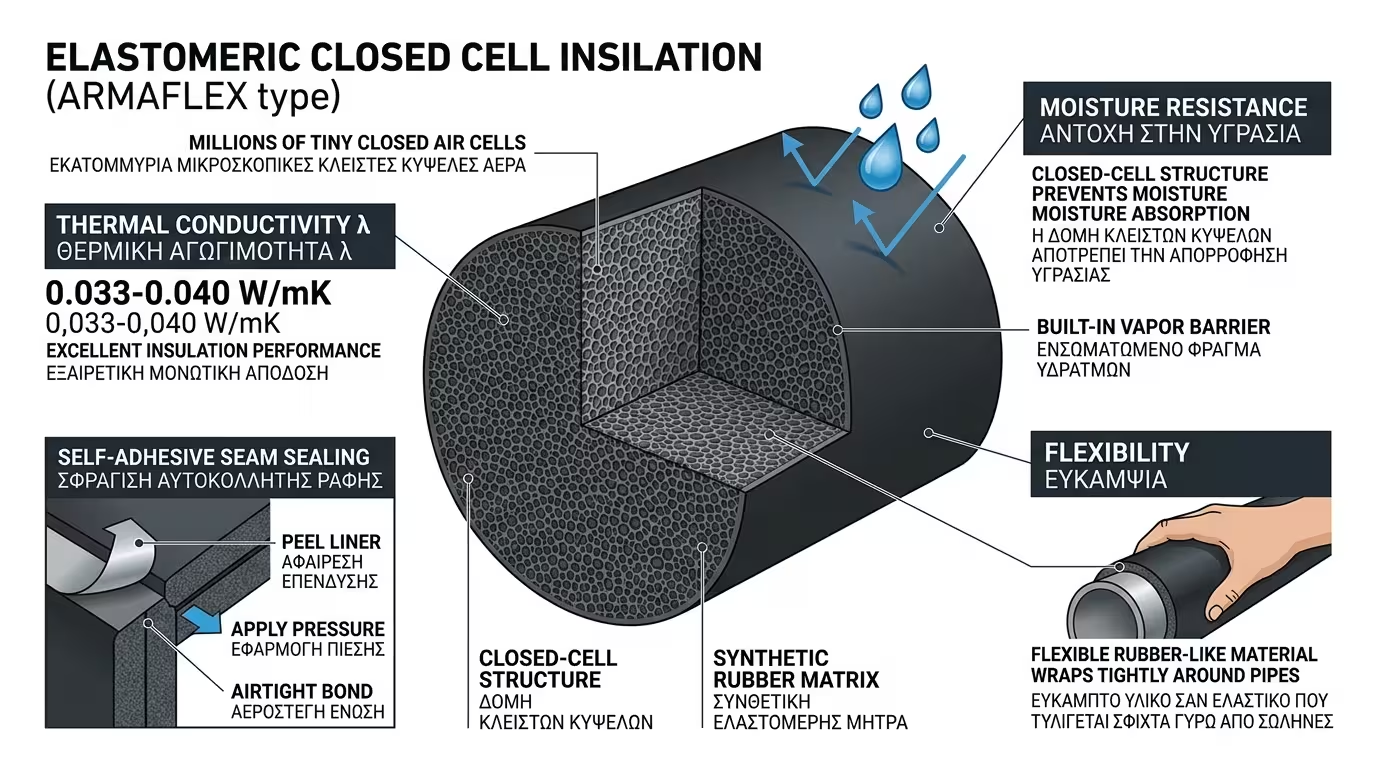
Closed-Cell Elastomeric Rubber (black in colour) is the modern answer. "Closed cell" means the material is completely impermeable to air and water vapour.
It hugs the pipe (worn like a tight sleeve) and never allows the room air to reach the cold metal or plastic. Thus, it eliminates the chance of "sweating".
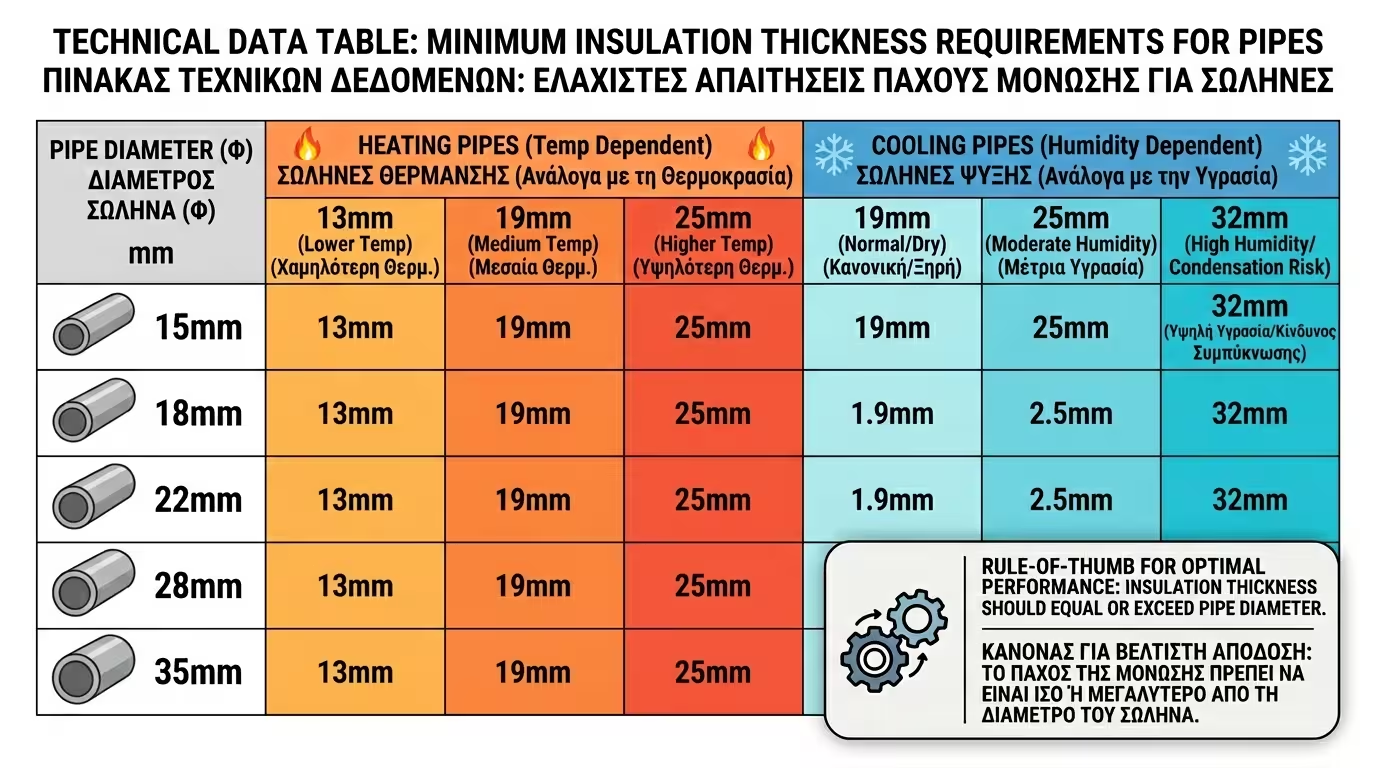
The biggest mistake installers make is applying 9-millimetre (9mm) insulation everywhere, out of habit. The correct thickness depends on where the pipe is located and what water it carries. The mechanical engineer calculates it based on the "Dew Point", but the general rules are as follows:
There is no condensation risk (the water is hot). A 9mm insulation is usually acceptable for protecting against losses and the expansion-contraction stresses in concrete.
To prevent the fan coil pipe in the false ceiling from "sweating", 9mm is risky. At least 13mm or 19mm insulation is required, depending on the local humidity (e.g. islands demand thicker insulation).
These pipes endure winter frost and 40°C summer heat. Insulation must be a mandatory 19mm or 25mm.
Elastomeric material is destroyed by sunlight (UV radiation). It turns to dust within 2 years. Outdoor insulation must be factory-clad with special aluminium or white PVC (Solar) jacketing to survive.
You bought the best insulation. If the plumber does not seal it properly, you have wasted your money. There must be not even one millimetre of exposed pipe. If a gap is left in the cooling circuit, humid air will sneak in, condense BEHIND the insulation and destroy the ceiling.
All joints must be hermetically sealed with special elastomeric liquid adhesive (not with the electrician's insulation tape, which peels off in the heat!).
⚠️ Pipe insulation is the cheapest investment with the fastest payback in the entire building. Insist on elastomeric insulation of the correct thickness and verify that the installer has meticulously glued every single joint before pouring concrete or closing the plasterboard.
Pipe insulation is the cheapest investment with the greatest and fastest payback across the entire building project. A poorly insulated network can cost you thousands of euros in wasted energy during winter, while in summer it can destroy the entire space (false ceiling, walls, floors) with moisture and mould.
Now that we have the right pipe and have insulated it perfectly, the next question is: Where do we route it? In the next article, we open up the building blueprint: Network Routing in New Buildings. Why is it forbidden to run water pipes above electrical panels and what is the correct path (floor, wall or false ceiling)?
Return to category.
Go to categoryReturn to the central guide.
Go to guide