🌡️ Boiling without heat!
Water boils at 100°C only at atmospheric pressure. If you reduce the pressure enough, it boils even at 60-70°C! That is exactly what the pump does: at its inlet (suction side), pressure drops dramatically.
If you hear a strange noise from your circulator -like it is "simmering" or like gravel is moving inside the pipe- you are most likely experiencing a phenomenon called cavitation. It is not "air in the system". It is far worse.
Cavitation is a phenomenon that can destroy a pump within a few months. If left untreated, you will need a new circulator far sooner than expected.
Cavitation is not caused by external air. The bubbles that form are water vapour. How is that possible? The answer lies in the relationship between pressure and boiling point.
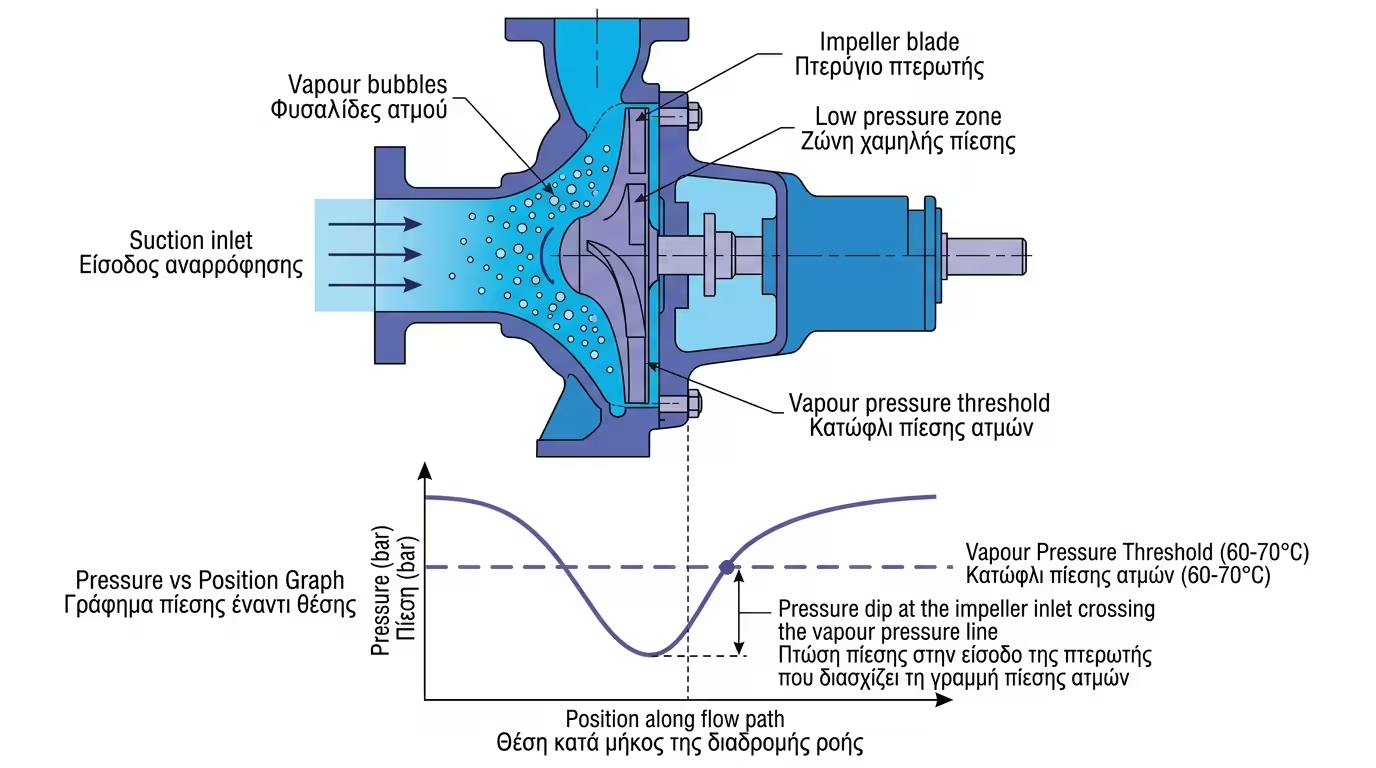
Water boils at 100°C only at atmospheric pressure. If you reduce the pressure enough, it boils even at 60-70°C! That is exactly what the pump does: at its inlet (suction side), pressure drops dramatically.
If the suction pressure falls below the vapour pressure at the operating temperature, the water "boils" locally. Countless microscopic vapour bubbles form right on the impeller blades.
Main causes: oversized circulator (excessive suction), blocked filters, partially closed valves, or water temperature too high relative to operating pressure.
Cavitation produces a distinctive sound, like "gravel in a washing machine". Many mistake it for air in the system, but bleeding does not help. The noise comes from the violent collapse of millions of micro-bubbles against metal surfaces.
The real destruction does not occur during bubble formation, but during collapse. As soon as the bubbles move into the high-pressure zone (discharge), the pressure "crushes" them instantly.
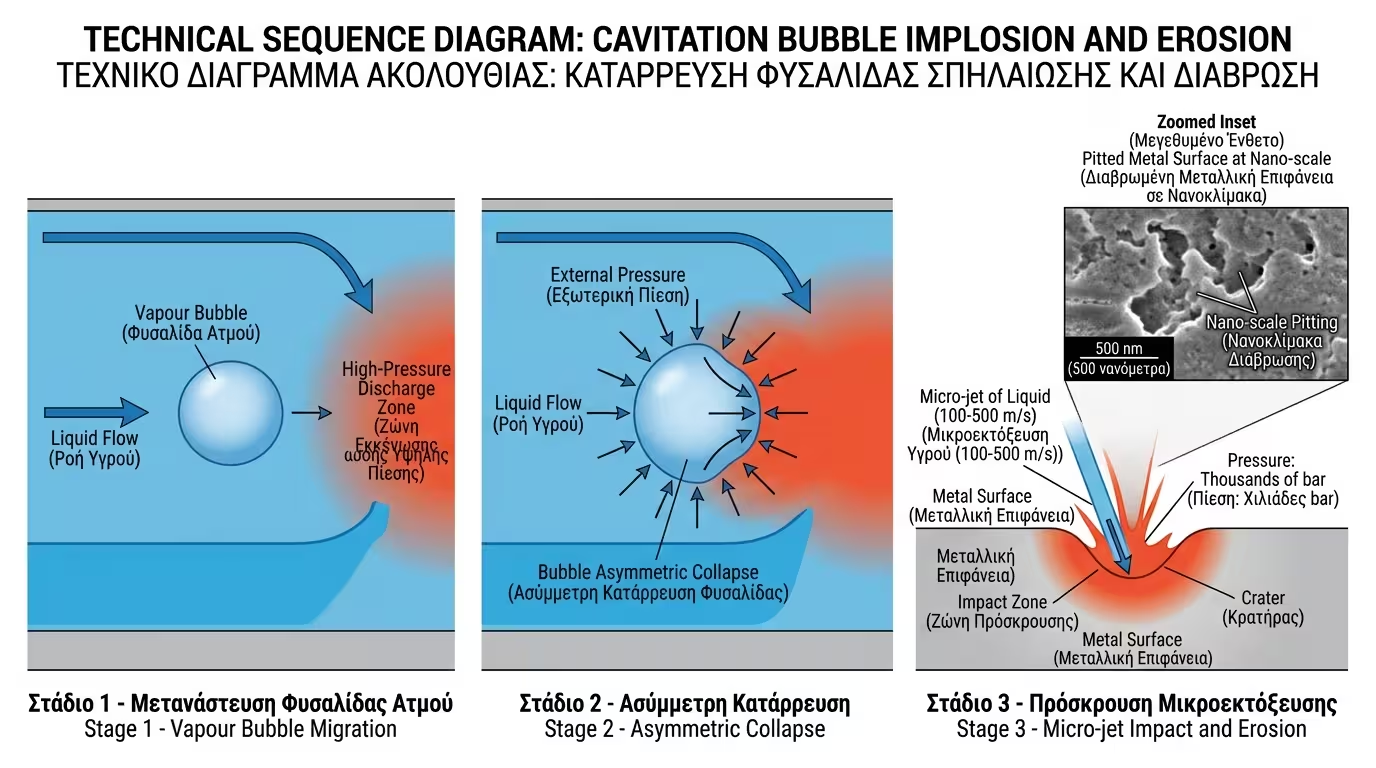
Each bubble collapse creates a microscopic liquid micro-jet that strikes the metal surface at 100-500 m/s. This corresponds to localised pressures of thousands of bar!
Imagine millions of tiny hammers striking the impeller blades non-stop. Each micro-impact removes a tiny fragment of metal, creating the characteristic "cavern-like" craters.
Collapse occurs hundreds of times per second. In a pump running 8 hours a day with cavitation, the wear is exponential. A €200-400 circulator can be destroyed within 6-12 months.
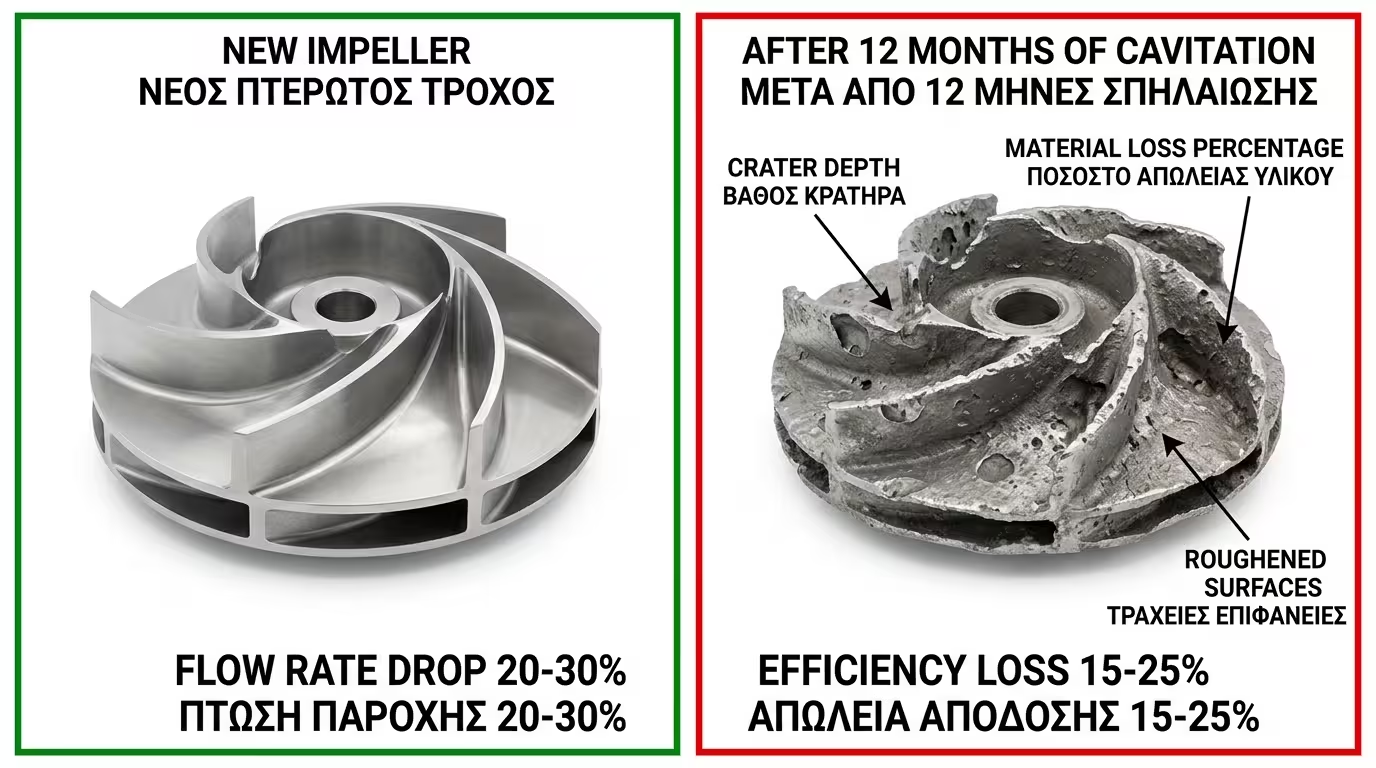
If you disassemble a circulator that has suffered cavitation, you will see an image that looks like "someone washed it with acid". The smooth metal surface of the impeller becomes a lunar landscape of craters.
The rough, "pitted" impeller can no longer push water effectively. Flow drops, the circulator works harder for less output, and electricity consumption rises.
The damaged impeller creates uneven flow, oscillations and vibrations. The noise becomes permanent, even if cavitation stops.
Vibrations wear out the pump's mechanical seals. It starts dripping water, causing further damage and potential electrical failure of the motor.
A new inverter circulator costs €200-500 plus labour. Prevention costs nothing. Avoiding cavitation means a pump life of 15-20+ years.
Every pump manufacturer provides an NPSHr (Net Positive Suction Head required) value. This is the minimum pressure needed at the pump inlet to prevent cavitation. The engineer must ensure that the available pressure always exceeds this value.
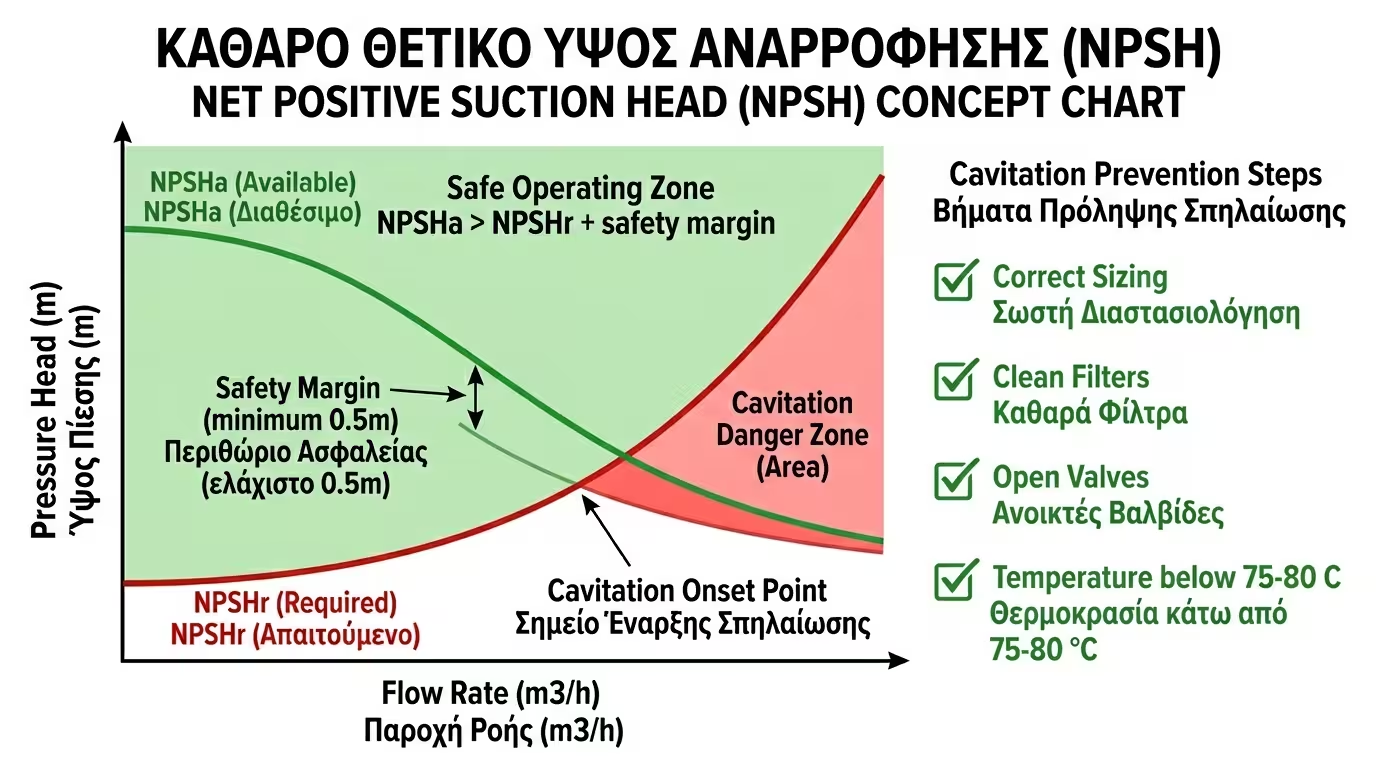
The pump must not be oversized. An oversized circulator creates excessive suction, dramatically lowering inlet pressure. Correct selection based on calculations prevents this problem entirely.
A blocked filter upstream of the pump creates a pressure drop, reducing suction pressure. Regular cleaning (every season) prevents this "silent" cause of cavitation. Magnetic filters require minimal maintenance.
Higher temperature = lower boiling point at a given pressure. If the circuit runs above 75-80°C without adequate pressure, the cavitation risk skyrockets.
Ensure all valves on the suction side are fully open. A partially closed valve creates an artificial restriction, dropping pressure and triggering cavitation.
💡 Cavitation is not "bad luck" - it is the result of miscalculation or poor maintenance. If your circulator sounds like gravel, do not ignore it. The fix costs far less than a new pump.
Return to category.
Go to categoryReturn to the central guide.
Go to guide